
#Aardbeving #Groningen #Gaswinning
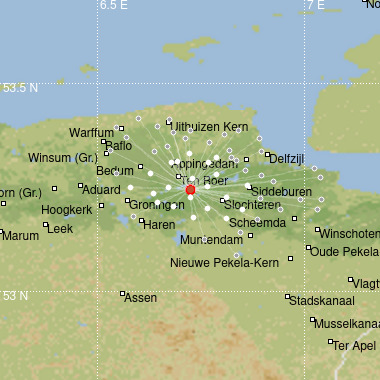
Datum en tijd (UTC):
2024-01-28 01:47:05
Latitude:
53.244 °
Longitude:
6.723 °
Diepte:
3.0 km
Type:
Geïnduceerde aardbeving
Plaats:
Luddeweer
Magnitude:
1.2
Links:
KNMI

Datum en tijd (UTC):
2024-01-28 01:47:05
Latitude:
53.244 °
Longitude:
6.723 °
Diepte:
3.0 km
Type:
Geïnduceerde aardbeving
Plaats:
Luddeweer
Magnitude:
1.2
Links:
KNMI

Israel’s regime of settler-colonialism and apartheid, which has oppressed Indigenous Palestinians since 1948, prevents Palestinians from practicing their sports.
During Israel’s genocidal attacks on Gaza, the Israeli military occupied Al Yarmouk stadium, transforming it into a detention, torture and interrogation center, before completely destroying it. Palestinian players and athletes are routinely attacked, imprisoned and killed. Athletes are denied freedom of movement to attend their own matches, competitions and trainings. Palestinian stadiums and sports infrastructures have been bombed and destroyed. Israel even prevents sports equipment from being imported and sports facilities from being developed. Racism against Palestinians is institutionalized in Israeli sports – from segregated youth football leagues to anti-Palestinian hate from fan clubs that goes routinely unpunished. In addition, Israeli football and basketball clubs based in illegal settlements are allowed to compete in official Israeli leagues, making international governing bodies FIFA and FIBA complicit in Israel’s violations of international law. Despite all this, Western dominated sports bodies have looked the other way, refusing to take action. More than 300 Palestinian sports clubs and dozens of civil society organizations are calling to #BanIsrael from the Olympics. Join Boycott, Divestment, Sanctions (BDS, a Palestinian-led movement for freedom, justice and equality. BDS upholds the simple principle that Palestinians are entitled to the same rights as the rest of humanity) as they seek to ban Israel from international sports forums, including the International Olympic Committee (IOC) and FIFA, until it ends its grave crimes against Palestinians and its attacks on Palestinian sports. Israel uses sports in its efforts to improve its image while committing grave crimes against Palestinians, including athletes. Grassroots campaigning can put pressure on hypocritical, Western-dominated world sports bodies to hold Israel to account and raise awareness on the conditions of Palestinian sports among sports fans.
Links:
Ban Apartheid Israel from Sports
Van Noorwegen tot IJsland: verzet tegen deelname Israël op Songfestival groeit (met poll)
Israël uitsluiten van songfestival? Ruim de helft is vóór
Agenda – TEGEN deelname Israël Eurovisie Songfestival – petitie
De O
I
Russen zaaien onrust in Franse slaapkamers
Russia is trying to scare people away from the Paris Olympics, report says
Russian interference suspected after coffins draped with tricolour placed at Eiffel Tower
Agenda – Rapport : 1 an de nettoyage social avant les JOP 2024 – publication et présentation
Agenda – Olympisch Comité: sluit Israël uit! – petitie
Franse TGV-treinen verstoord door brandstichting, vlak voor opening Spelen
Olympic spectacle falters as French protesters refuse to slow down
Maandag; Wat eten we vandaag?; Stop Fossiele Subsidies; Gaza−Israël oorlog van 2023; Puzzeldag.

Wat eten we vandaag?:

Knipselkrant:
Agenda:
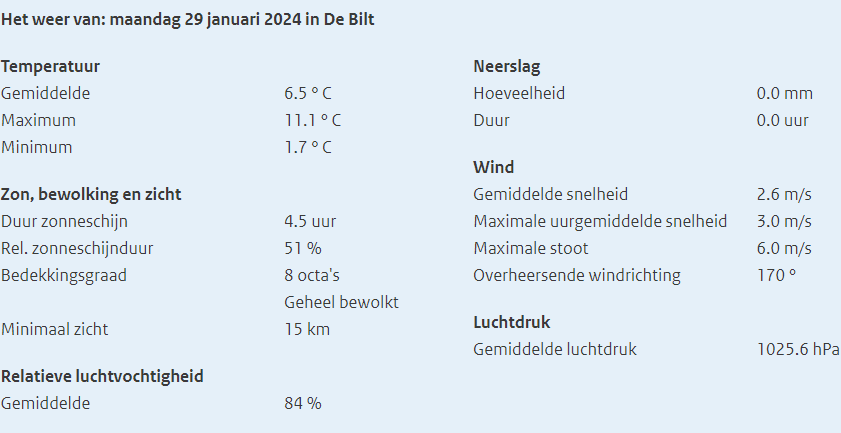
Weer:
Links:
In de geschiedenis

Sinds 1995 wordt Puzzeldag
Op International Puzzle Day worden puzzels van alle vormen en grootte in de spotlights gezet. Wat wordt nu precies bedoeld met een puzzel? Een puzzel is een probleem of enigma dat de vindingrijkheid van de oplosser test. In een eenvoudige puzzel is het de bedoeling om stukken op een logische manier samen te stellen om tot de gewenste oplossing te komen. Puzzels kunnen ook letters, cijfers, vormen en raadsels bevatten. De eerste legpuzzel ontstond rond 1760, toen John Spilsbury, een Britse graveur en kaartenmaker, een kaart op een vel hout legde die hij vervolgens rond elk afzonderlijk land verzaagde. Spilsbury gebruikte het product om aardrijkskunde te onderwijzen. Tegen het begin van de 20e eeuw ontdekten tijdschriften en kranten dat door puzzelwedstrijd
Links:
Puzzeldag
Links:
Wikipedia
Zondag; Wat eten we vandaag?; doodstraf met stikstof; Water op exoplaneet GJ 9827d; Dag van de Dataprivacy; Vroege Vogels; Red ons Groen; Aardbeving Gaswinning Groningen.
Wat eten we vandaag?:

Knipselkrant:
Agenda:
Weer:

Links:
In de geschiedenis
Links:
Wikipedia

De jaarlijkse Europese Dag van de Privacy (Dataprotectied
Gekoz
Li
28 January – Data protection day
Wat Facebook echt wil: onze geest en ons bewustzijn / De grote dataroof
Audacit
German
Week van de Digitale Ethiek
28 January 2023: 17th Data Protection Day
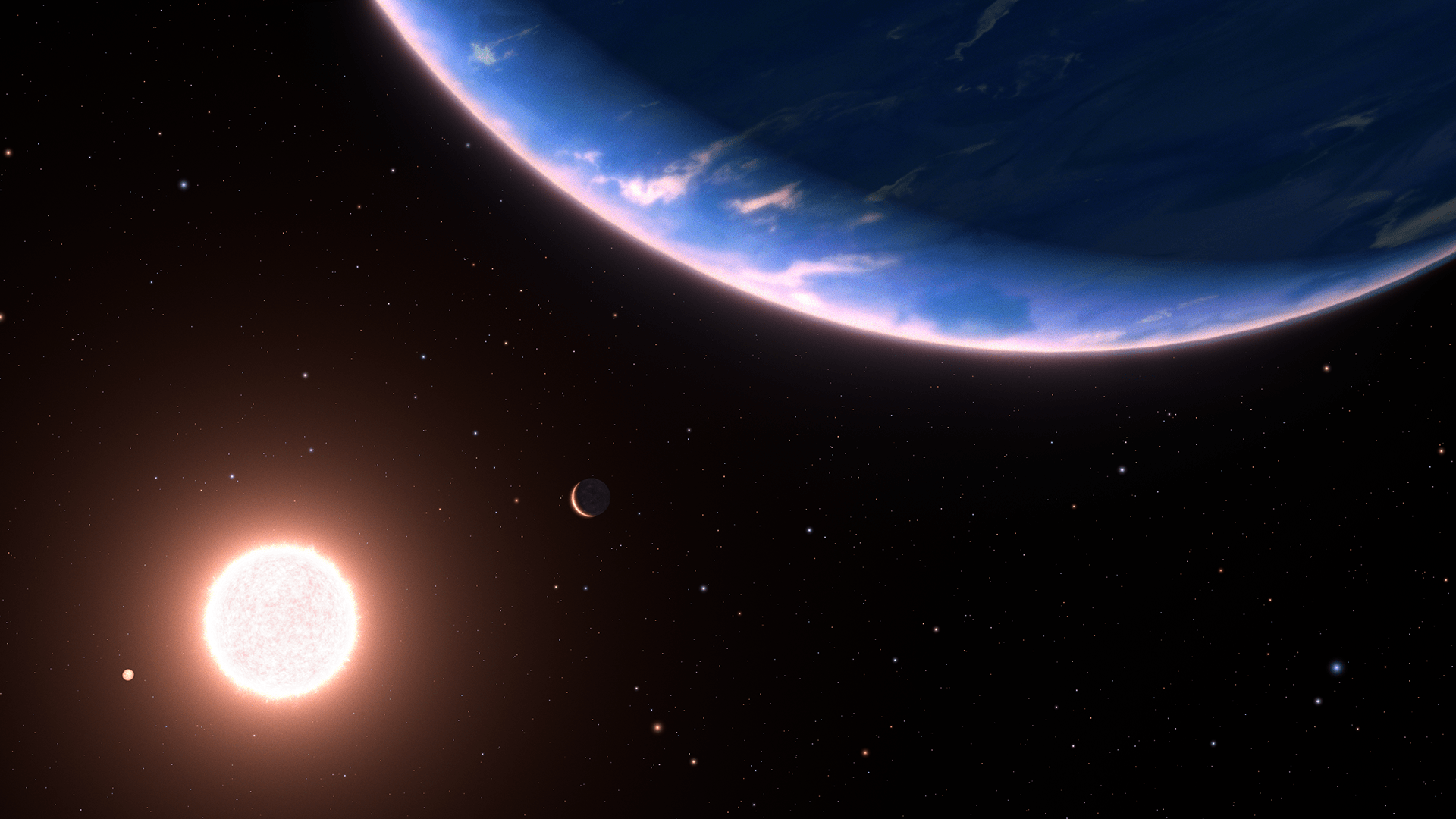
Astronomers using NASA’s Hubble Space Telescope observed the smallest exoplanet where water vapor has been detected in the atmosphere.
At only approximately twice Earth’s diameter, the planet GJ 9827d could be an example of potential planets with water-rich atmospheres elsewhere in our galaxy. However, it remains too early to tell whether Hubble spectroscopically measured a small amount of water vapor in a puffy hydrogen-rich atmosphere, or if the planet’s atmosphere is mostly made of water, left behind after a primeval hydrogen/helium atmosphere evaporated under stellar radiation. If the planet has a residual water-rich atmosphere, then it must have formed farther away from its host star, where the temperature is cold and water is available in the form of ice, than its present location. In this scenario, the planet would have then migrated closer to the star and received more radiation. The hydrogen was heated and escaped, or is still in the process of escaping the planet’s weak gravity. The alternative theory is that the planet formed close to the hot star, with a trace of water in its atmosphere. The Hubble program observed the planet during 11 transits – events in which the planet crossed in front of its star – that were spaced out over three years. During transits, starlight is filtered through the planet’s atmosphere and has the spectral fingerprint of water molecules. If there are clouds on the planet, they are low enough in the atmosphere so that they don’t completely hide Hubble’s view of the atmosphere, and Hubble is able to probe water vapor above the clouds. GJ 9827d was discovered by NASA’s Kepler Space Telescope in 2017. It completes an orbit around a red dwarf star every 6.2 days. The star, GJ 9827, lies 97 light-years from Earth in the constellation Pisces.
Hubble has found water on a small rocky planet beyond our Solar System
Nu voor het eerst ook waterdamp gevonden in de atmosfeer van een kleine planeet