
2026-11-07, Lief dagboek
Zaterdag; Cybersecurity; De Rode Lijn; Meteorenzwerm Tauriden; Dag van de Medische Fysica; Bomen voor Amsterdam; Museumnacht Amsterdam.

Knipselkrant:
Agenda:
Weer:
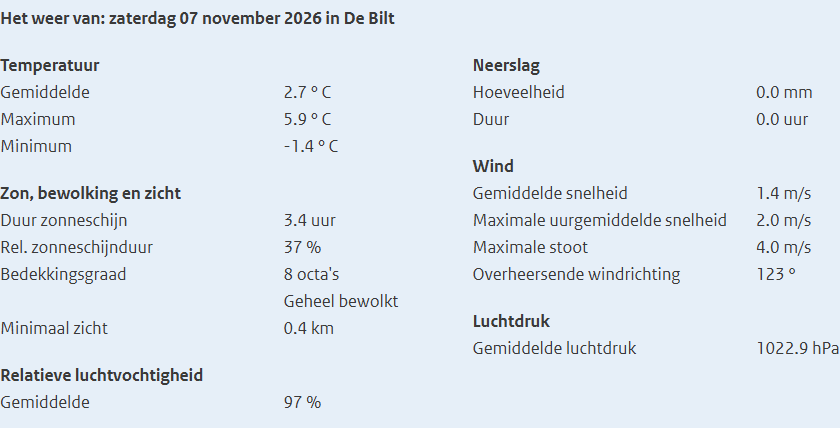
Links:
In de geschiedenis

Zaterdag; Cybersecurity; De Rode Lijn; Meteorenzwerm Tauriden; Dag van de Medische Fysica; Bomen voor Amsterdam; Museumnacht Amsterdam.
Knipselkrant:
Agenda:
Weer:
Links:
In de geschiedenis
Vrijdag; Wat eten we vandaag?; Datacenters; klimaattop COP31; Digitale Autonomie; Day for Preventing the Exploitation of the Environment in War and Armed Conflict; Samenwerken Natuurwerkdag(en); Let’s Gro; Van der Leeuw-lezing.
Wat eten we vandaag?:

Knipselkrant:
Agenda:
Weer:
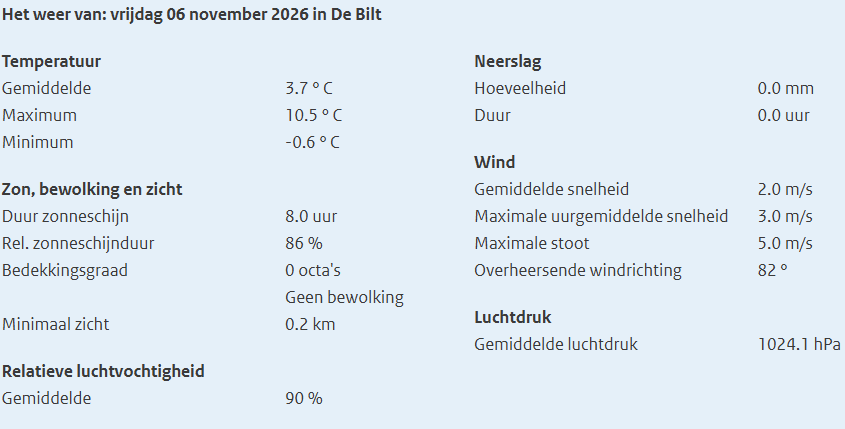
Links:
In de geschiedenis
Woensdag; Wat eten we vandaag?; Adaptation Gap Report; UN: ocean plastic pollution reaches red alert; Europees Forum voor Civiele Bescherming; Allereerste live stream ter wereld; Meteorenzwerm Oktober-Arietiden; Buitenspeelalarm.
Wat eten we vandaag?:

Knipselkrant:
Agenda:
Weer:
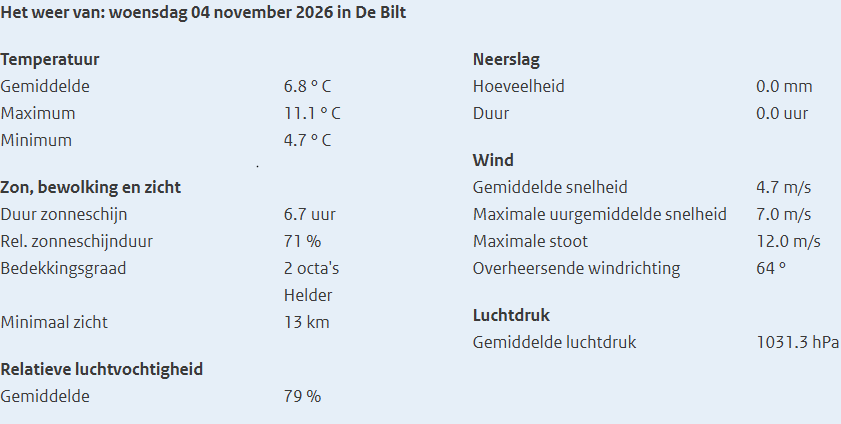
Links:
In de geschiedenis
Zondag; Digitale Autonomie; November Boekenmaand; Native American Heritage Month; Wereld Alvleesklierkanker maand; Maagkanker bewustwordingsmaand; Vroege Vogels.
Knipselkrant:
Agenda:
Weer:
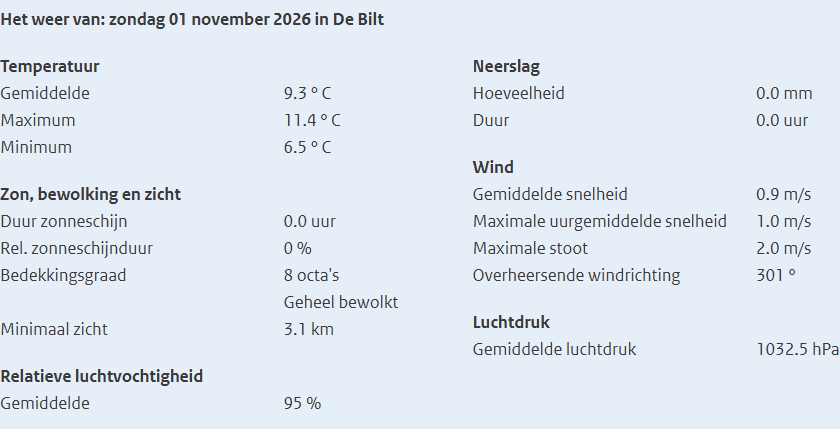
Links:
In de geschiedenis
Donderdag; Shell 10.8 miljard winst; UN Biodiversity Conference COP 17; Wereld Psoriasisdag; Wereld Beroertedag; Internet Dag; Freedom on the Net; WorldCodingDay; Sit-ins voor Palestina.
Knipselkrant:
Agenda:
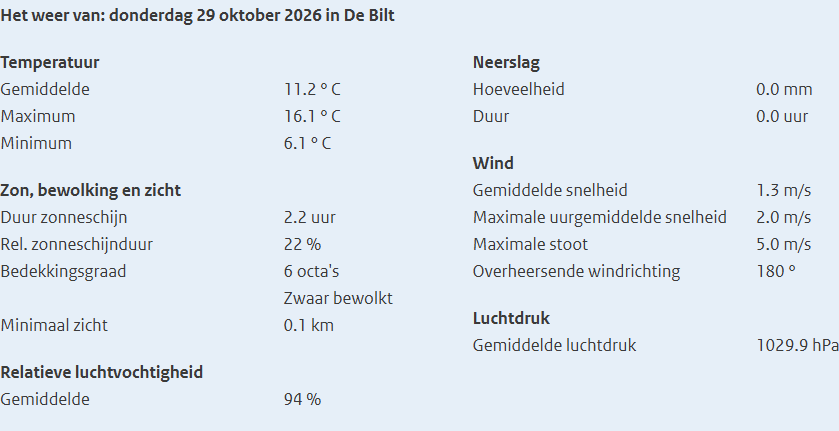
Weer:
Links:
In de geschiedenis

Internet Day is an event celebrated on October 29, promoted by the Association of Internet Users and by the Internet Society, respectively.
It was celebrated for the first time on October 29, 2005. Shortly afterwards, at the Summit of the Information Society celebrated in Tunisia in November 2005, it was decided to propose to the UN the designation of October 29 as the World-wide Day of the Information Society, which resulted in Internet Day being celebrated on that day. While the internet may not have been possible without a million other monumental inventions that came before it, it’s hard to find any other invention that has had such a monumental impact on mankind. That’s why, since October 29, 2005, the anniversary of the first internet transmission is celebrated. It is a chance to celebrate the people who helped build the internet, while also giving us a moment to reflect on all the ways that it has changed our lives forever. The World Wide Web (often used synonymously, but incorrectly, with the internet itself) became possible in 1989. It began with the invention of Hypertext Markup Language (HTML) and Hypertext Transfer Protocol (HTTP) by Tim Berners-Lee, a British scientist at CERN. The World Wide Web project was formally announced on August 6, 1991.
Links:
Inter
Vrijdag; PHP kwetsbaarheden; Wat eten we vandaag?; Kushner’s gehackte iPhone; Wintertijd; Dag van de Sneeuwluipaard; Wereld Mol Dag; KMI code oranje.
Wat eten we vandaag?:

Knipselkrant:
Agenda:
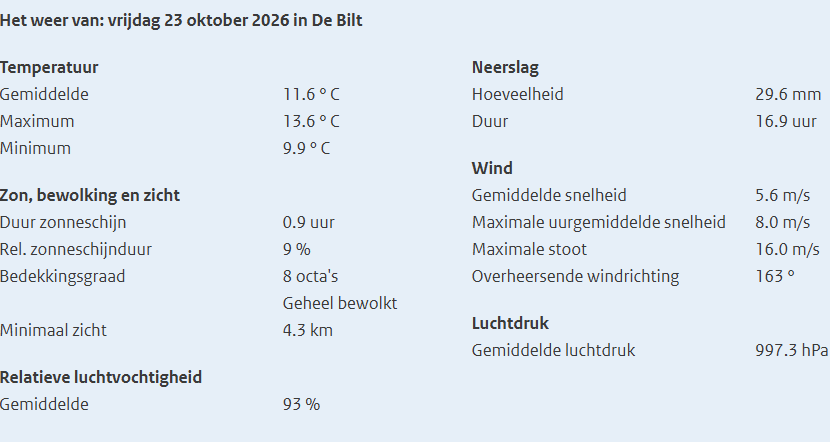
Weer:
Links:
In de geschiedenis
Woensdag; Wat eten we vandaag?; Amsterdam Dance Event; Belast de Quote 500; Critical PHP Security Release.
Wat eten we vandaag?:

Knipselkrant:
Agenda:
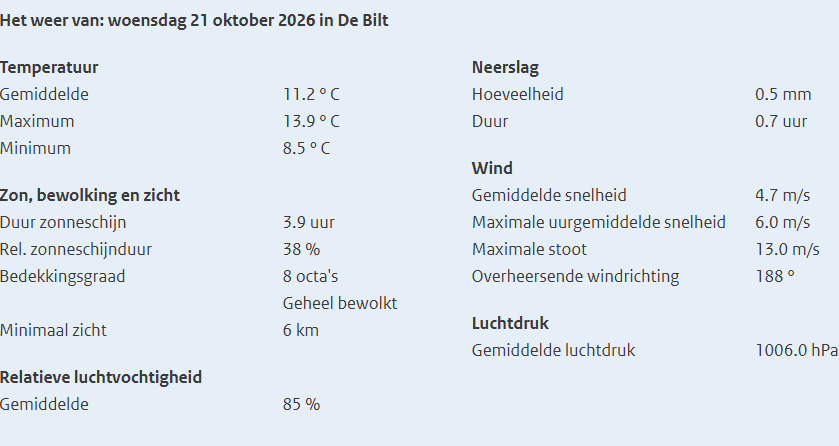
Weer:
Links:
In de geschiedenis
Woensdag; Wat eten we vandaag?; ISDS; Hitte; NL pers pro-Israël; Expositie De Overstap; Wereld Normalisatie (standaarden) dag; Staking OV streekvervoer; eWasteday; The politics of the internet.
Wat eten we vandaag?:

Knipselkrant:
Agenda:
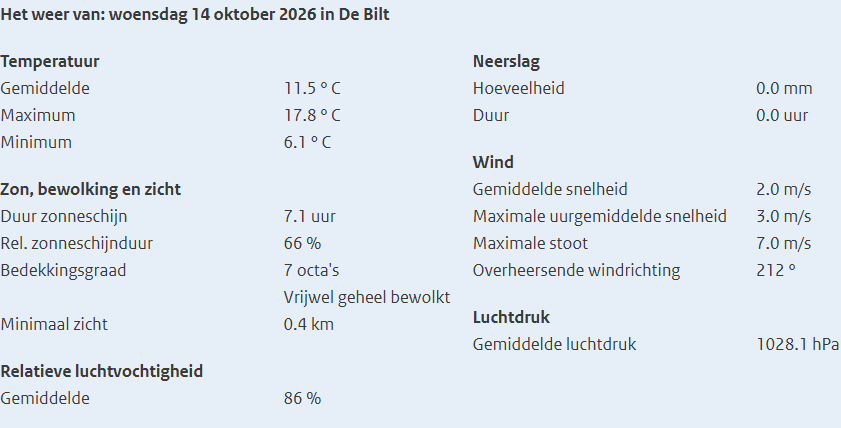
Weer:
Links:
In de geschiedenis
From social media feeds and AI systems to data centres and undersea cables, the digital world is built on infrastructures that shape how information flows, who gets heard and who holds power. American researcher Britt Paris, author of Radical Infrastructure: Imagining the Internet from the Ground Up, examines the architecture of power embedded in the internet. What happens when essential parts of public life become dependent on private platforms? The evening includes an artistic intermezzo by Jen Liu, whose work investigates the relationship between technology, labour and global systems of power. This edition is also together with Critical Infrastructure Lab and The Amsterdam Centre for European Studies.
Links:
The politics of the internet