
Het onrecht en lijden dat konijnen wordt aangedaan eindigt niet na het laden op de kwekerijen – publicatie
Links:
Bij slachterij Van Assche worden konijnen bij bewustzijn de poten en oren afgesneden

Links:
Bij slachterij Van Assche worden konijnen bij bewustzijn de poten en oren afgesneden

Stop de oorlogskoorts – vredesprotest is een evenement om een radicale koerswijziging te eisen: weg van militarisering en escalatie, en richting vrede, diplomatie, sociale veiligheid en een onafhankelijke Nederlandse vredespolitiek.
Links:
Stop de oorlogskoorts
Nationaal vredesprotest op de Dam: ”Ik wil mijn kinderen niet naar het front sturen”

Knettergoeie live muziek met diverse bands en dj’s, heerlijk eten en lekkere drankjes.
En dat alles op een prachtige locatie met o.a: Eco-communities, tiny houses, stro en leembouw huizen, zelfoogsttuin, samenvoorzienend leven en nog veel meer! Ook leuk voor de kids. Het festival is op donatie, iedereen welkom en samen zijn we rijk, reserveren kost een kaartje van 1 euro om te laten weten dat je komt, i.v.m. inkoop van eten en drinken, campingplekken etc.
Links:
Aardbeverrr Festival
Zondag; Wat eten we vandaag?; Naar Den Bosch; Lowlands onderzoekt stress na kanker; Anti-slavenhandeldag; Vroege Vogels; Zomergasten.

Wat eten we vandaag?:

Naar Den Bosch:

A3 was voor het eerst in Den Bosch, op familiebezoek. In plaats van Bossche Bollen werd bovenstaande Surinaamse Roti genuttigd.
Knipselkrant:
Agenda:
Weer:
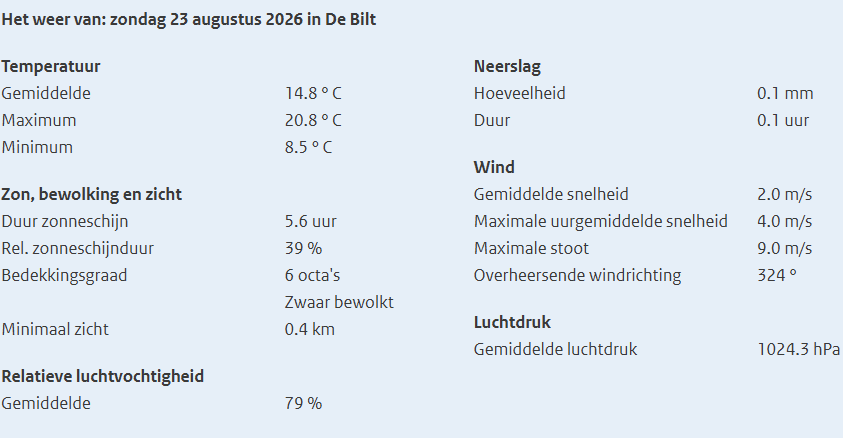
Links:
In de geschiedenis
In de nacht van 22 op 23 augustus 1791 begon in Saint Domingue (nu Haiti) de opstand die een cruciale rol zou gaan spelen bij de afschaffing van de transatlantisch
Ten tijde van het Romeinse Rijk was er een levendige handel van slaven uit van het hele rijk en de omringende gebieden. Het woord “slaven” is dan ook afgeleid van de Slavische volkeren, vanuit de Romeinse optiek “‘barbaarse” volkeren waarvan de Romeinen slaven kochten. Na opkomst van het Christendom verdween de slavernij en de slavenhandel uit West-Europa. Met het ontstaan van de wereldhandel en de behoefte aan goedkope arbeidskrachten in de Koloniën gingen West-Europeanen zich echter wel met slavernij en slavenhandel inlaten. Slavenhandelaar
Li
antislavery
#Slavernij afgeschaft (1863) / #KetiKoti (TV AT5)
Day for the Remembrance of the Slave Trade and its Abolition
Links:
Wikipedia
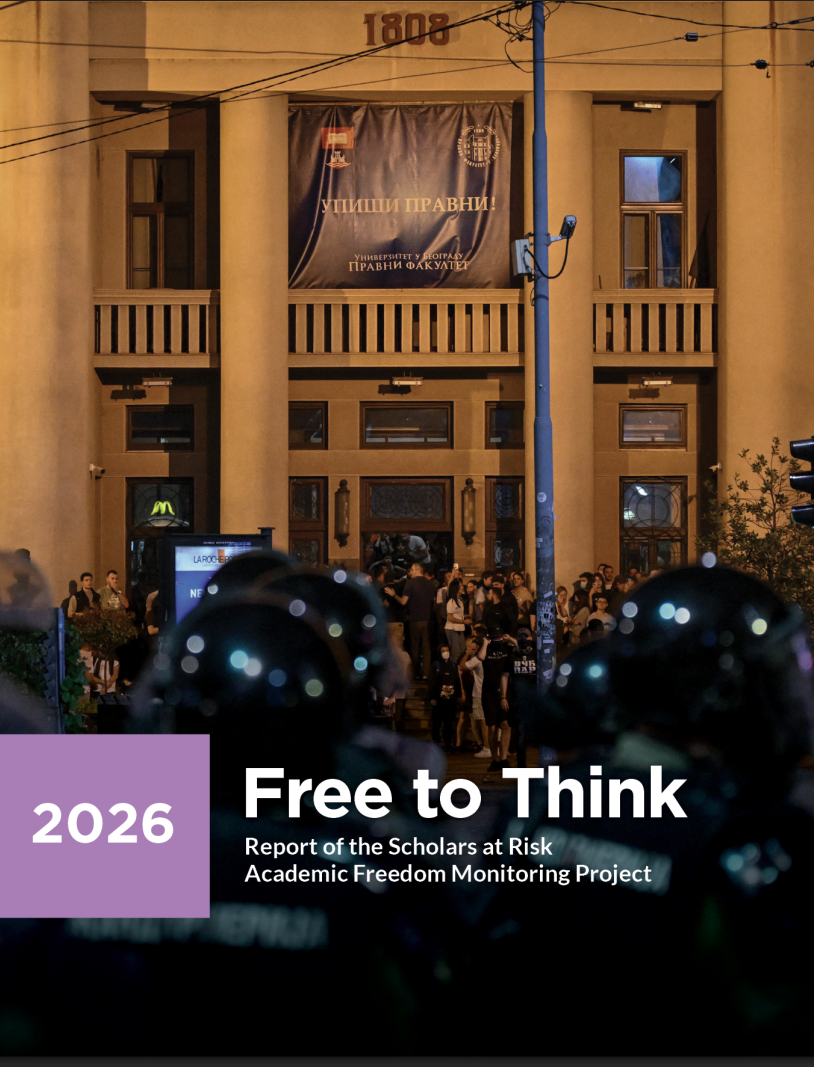
Free to Think is an annual report by Scholars at Risk’s Academic Freedom Monitoring Project, the report explores concerning trends in attacks on higher education communities around the world with the aims of raising awareness and urging diverse state and non-state stakeholders to join Scholars at Risk’s Academic Freedom Monitoring Project in protecting and promoting academic freedom.
Universities sit at the intersection of power and ideas. They exist to produce and share knowledge through research, teaching, debate, and dialogue. They teach students how to evaluate ideas based on evidence and reason, rather than authority and influence; they teach them to ask questions. This can be unsettling to those in power, especially when those questions examine underrepresented perspectives or long-held orthodoxies. As a result, universities, scholars, and students often come under attack by forces intent on preserving the status quo, silencing dissent, and imposing official narratives.
Links:
Free to Think
Zaterdag; Wat eten we vandaag?; Palestina; Hitte; Day Commemorating the Victims of Acts of Violence Based on Religion or Belief.
Wat eten we vandaag?:

Knipselkrant:
Agenda 12-04-2026 – #SailToGaza Global Sumud Flotilla Spring 2026 www.a3veen.nl/event/sailto…
— A3veen.nl (@a3veen.bsky.social) 21 augustus 2026 om 21:40
[image or embed]
Agenda – Hitte en droogte in 2026 www.a3veen.nl/event/warmte…
— A3veen.nl (@a3veen.bsky.social) 21 augustus 2026 om 21:26
[image or embed]
Agenda:
Weer:
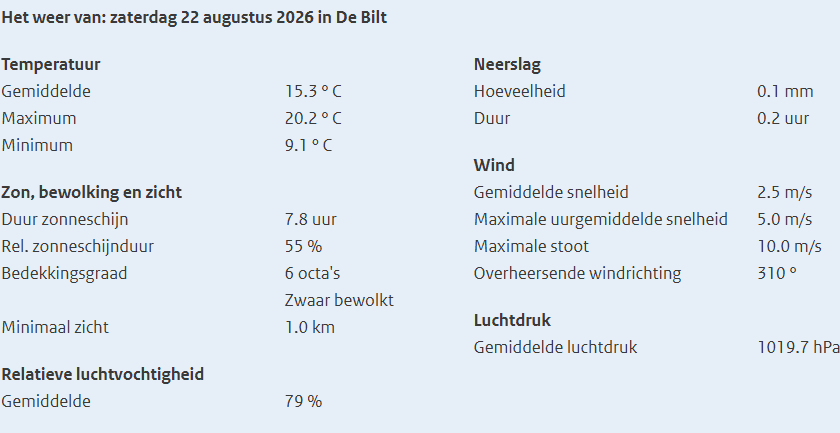
Links:
In de geschiedenis

The United Nations General Assembly decided to designate 22 August as the International Day Commemorating the Victims of Acts of Violence Based on Religion or Belief.
The General Assembly, in its resolution A/RES/73/296, designated 22 August as the International Day Commemorating the Victims of Acts of Violence Based on Religion or Belief recognizing the importance of providing victims of acts of violence based on religion or belief and members of their families with appropriate support and assistance in accordance with applicable law. It strongly deplored all acts of violence against persons on the basis of their religion or belief, as well as any such acts directed against their homes, businesses, properties, schools, cultural centres or places of worship, as well as all attacks on and in religious places, sites and shrines that are in violation of international law. A previous resolution establishing the International Day of Remembrance of and Tribute to the Victims of Terrorism (A/RES/72/165) also recognized that working together to enhance the implementation of existing legal regimes that protect individuals against discrimination and hate crimes, increasing interreligious, interfaith and intercultural efforts and expanding human rights education are important first steps in combating incidents of intolerance, discrimination and violence against individuals on the basis of religion or belief.
By proclaiming an International Day Commemorating the Victims of Acts of Violence Based on Religion or Belief, the General Assembly recalled that States have the primary responsibility to promote and protect human rights, including the human rights of persons belonging to religious minorities, including their right to exercise their religion or belief freely. Freedom of religion or belief, freedom of opinion and expression, the right to peaceful assembly and the right to freedom of association are interdependent, interrelated and mutually reinforcing. They are enshrined in articles 18, 19 and 20 of the Universal Declaration of Human Rights. Upholding these rights plays an important role in the fight against all forms of intolerance and of discrimination based on religion or belief. The open, constructive and respectful debate of ideas, as well as interreligious, interfaith and intercultural dialogue, at the local, national, regional and international levels, can play a positive role in combating religious hatred, incitement and violence. Furthermore, the exercise of the right to freedom of opinion and expression and full respect for the freedom to seek, receive and impart information can play a positive role in strengthening democracy and combating religious intolerance.
Links:
Day Commemorating the Victims of Acts of Violence Based on Religion or Belief
Links:
Wikipedia
