OV gaat achteruit: de auto is sneller, zelfs in de spits / Bereikbaarheid in Nederland – publicatie

Bijna iedereen is dagelijks onderweg: naar het werk, een afspraak in het ziekenhuis, naar school, op bezoek bij familie en vrienden.

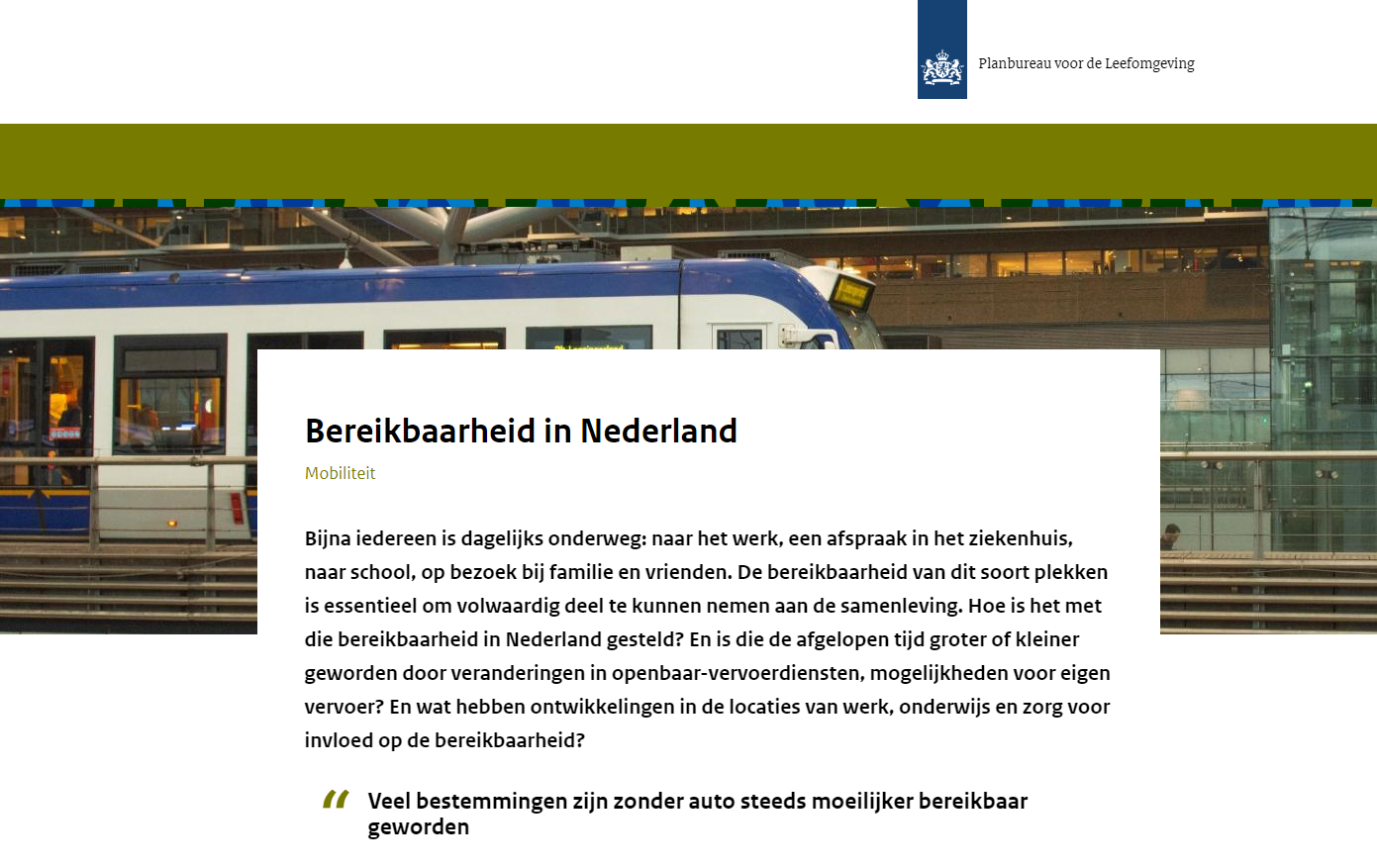
De bereikbaarheid van dit soort plekken is essentieel om volwaardig deel te kunnen nemen aan de samenleving. Hoe is het met die bereikbaarheid in Nederland gesteld? En is die de afgelopen tijd groter of kleiner geworden door veranderingen in openbaar-vervoerdiensten, mogelijkheden voor eigen vervoer? En wat hebben ontwikkelingen in de locaties van werk, onderwijs en zorg voor invloed op de bereikbaarheid? Uit het onderzoek ‘Beter bereikbaar?‘ van het Planbureau voor de Leefomgeving (PBL) blijkt: de auto is altijd sneller. Zelfs in de spits. Vanuit heel Nederland zijn voorzieningen en banen aanzienlijk minder goed bereikbaar met het openbaar vervoer of de fiets dan met een auto. Die langere reistijd geldt zowel voor het landelijk gebied, als voor de stadsranden en buitenwijken. In de steden ben je met de auto relatief snel op je werk, op school of bij een ziekenhuis, zelfs met grote drukte op de weg.

Links:
OV gaat achteruit: de auto is sneller, zelfs in de spits

Bereikbaarheid van ziekenhuizen / Case Study: 24 ziekenhuizen verspreid over Nederland – publicatie

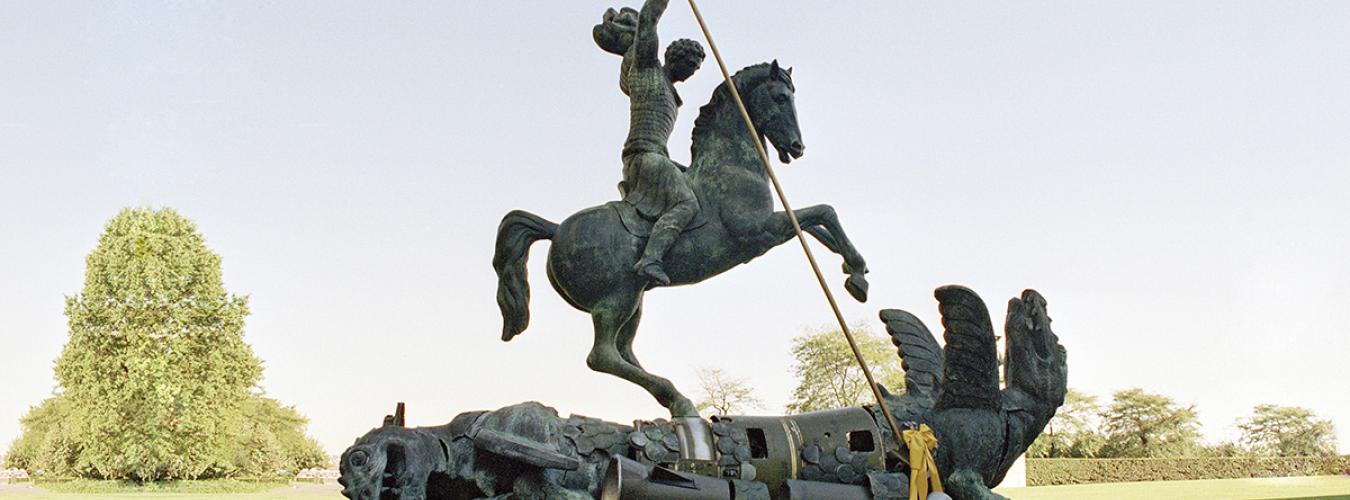
Day for the Total Elimination of Nuclear Weapons 2024

The General Assembly commemorates 26 September as the International Day for the Total Elimination of Nuclear Weapons, this Day provides an occasion for the world community to reaffirm its commitment to global nuclear disarmament as a priority.

It provides an opportunity to educate the public – and their leaders – about the real benefits of eliminating such weapons, and the social and economic costs of perpetuating them. Achieving global nuclear disarmament is one of the oldest goals of the United Nations. It was the subject of the General Assembly’s first resolution in 1946, which established the Atomic Energy Commission, which was dissolved in 1952, with a mandate to make specific proposals for the control of nuclear energy and the elimination of atomic weapons and all other major weapons adaptable to mass destruction. The United Nations has been at the forefront of many major diplomatic efforts to advance nuclear disarmament since. In 1959, the General Assembly endorsed the objective of general and complete disarmament. In 1978, the first Special Session of the General Assembly Devoted to Disarmament further recognized that nuclear disarmament should be the priority objective in the field of disarmament. Every United Nations Secretary-General has actively promoted this goal.

The General Assembly declared the International Day in December 2013, in its resolution 68/32 as a follow-up to the high-level meeting of the General Assembly on nuclear disarmament held on 26 September 2013, in New York. This was the latest in a series of efforts by the General Assembly to raise public awareness and to seek deeper engagement on nuclear disarmament matters. In 2009, the General Assembly had declared 29 August as the International Day against Nuclear Tests (resolution 64/35). In resolution 68/32, the General Assembly called for the “urgent commencement of negotiations in the Conference on Disarmament of a comprehensive convention on nuclear weapons to prohibit their possession, development, production, acquisition, testing, stockpiling, transfer and use or threat of use, and to provide for their destruction.”

In 2014, in its resolution 69/58, the General Assembly further expressed its desire to commemorate the Day, and requested the Secretary-General and the President of the General Assembly to make all arrangements necessary to commemorate the International Day and promote it, including by convening an annual meeting of the Assembly to provide a platform for the promotion of these activities. The General Assembly repeated these requests and call in subsequent years in resolutions  70/34, 71/71, 72/251, 73/40, 74/54, 75/45, 76/36, 77/47 and 78/27. The International Day for the Total Elimination of Nuclear Weapons has been observed annually since 2014. Pursuant to the resolutions of the General Assembly, Member States, the United Nations system and civil society, including non-governmental organizations, academia, parliamentarians, the mass media and individuals are encouraged to commemorate and promote the International Day through enhancing public awareness and education about the threat posed to humanity by nuclear weapons and the necessity for their total elimination. To observe the International Day, the United Nations is supporting events both in New York and Geneva. United Nations Information Centres around the world are encouraged to raise awareness to the observance of International Day for the Total Elimination of Nuclear Weapons.

Yet, today nearly around 12,100 nuclear weapons remain. Countries possessing such weapons have well-funded, long-term plans to modernize their nuclear arsenals. More than half of the world’s population still lives in countries that either have such weapons or are members of nuclear alliances. While the number of deployed nuclear weapons has appreciably declined since the height of the Cold War, not one nuclear weapon has been physically destroyed pursuant to a treaty. In addition, no nuclear disarmament negotiations are currently underway. Meanwhile, the doctrine of nuclear deterrence persists as an element in the security policies of all possessor states and many of their allies. The international arms-control framework that contributed to international security since the Cold War, acted as a brake on the use of nuclear weapons and advanced nuclear disarmament, has come under increasing strain. Most recently, on 2 August 2019, the United States’ withdrawal spelled the end of the Intermediate-Range Nuclear Forces Treaty, through with the United States and the Russian Federation had previously committed to eliminating an entire class of nuclear missiles.

Frustration has been growing amongst Member States regarding what is perceived as the slow pace of nuclear disarmament. This frustration has been put into sharper focus with growing concerns about the catastrophic humanitarian consequences of the use of even a single nuclear weapon, let alone a regional or global nuclear war. Commemorating this Day at the United Nations is especially important, given its universal membership and its long experience in grappling with nuclear disarmament issues. It is the right place to address one of humanity’s greatest challenges; achieving the peace and security of a world without nuclear weapons.

Links:
Day for the Total Elimination of Nuclear Weapons

Tons of uranium missing from Libyan site, IAEA tells member states

2024-09-25, Lief dagboek

Woensdag; Wat eten we vandaag?; Aardbevingen en munitie in Groningen; Week of Deaf People / Day of Sign Languages; Ataxie; Nuit Debout devant les abattoirs.

Deze afbeelding heeft een leeg alt-attribuut; de bestandsnaam is dagboek.png

Wat eten we vandaag:

Klik op afbeelding voor origineel

Knipselkrant:


Agenda:

Weer:

Deze afbeelding heeft een leeg alt-attribuut; de bestandsnaam is 50813896361_463cbfec7c.jpg

Links:
In de geschiedenis

Stop de noodwet! – petitie

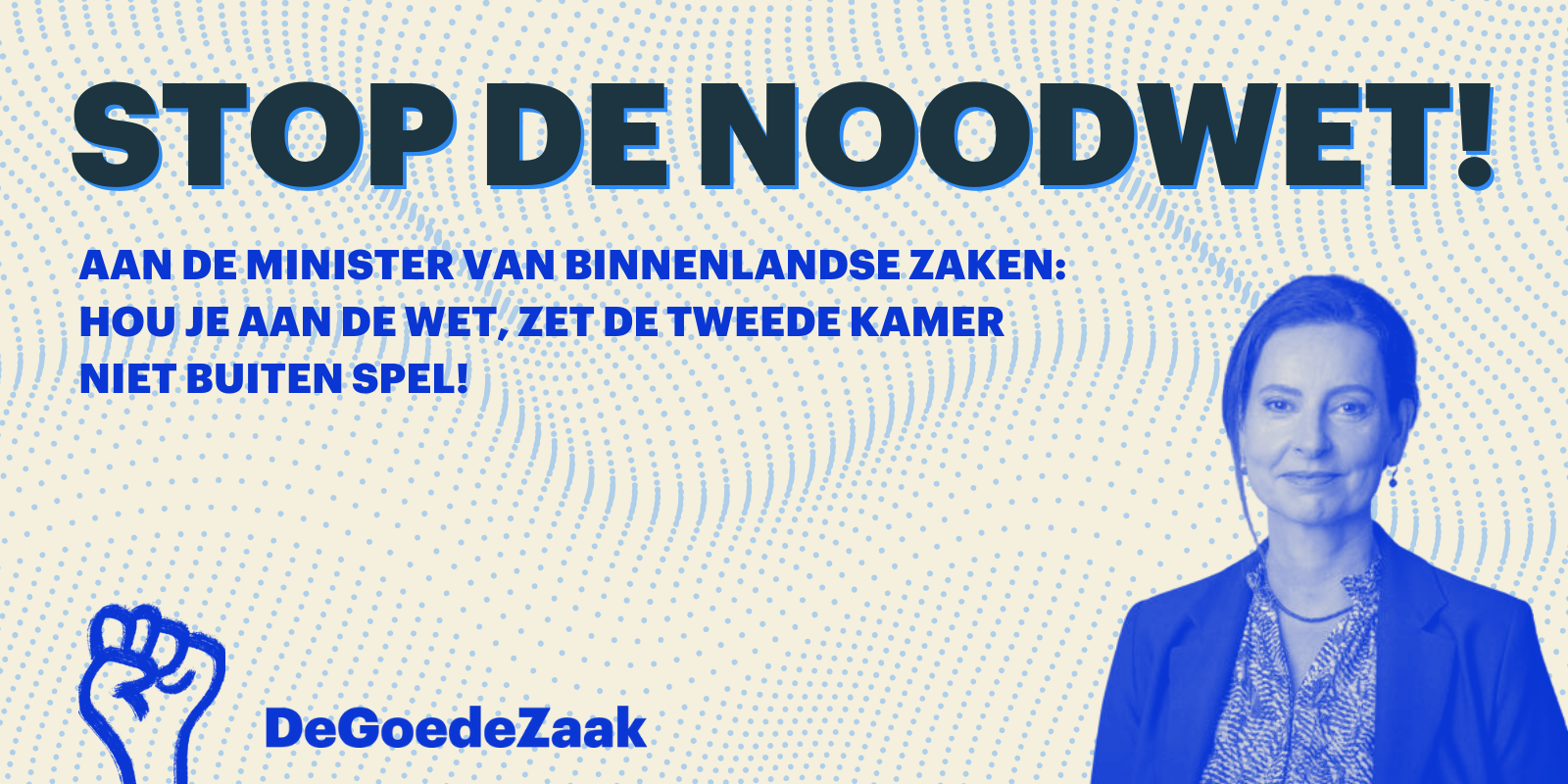
Minister van Binnenlandse Zaken Judith Uitermark, hou je aan de wet en stop de noodwet!

De voorgestelde noodwet voor strengere asielmaatregelen is een ondemocratische stap die onze rechtsstaat ondermijnt en de opvangcrisis verergert. Het buitenspel zetten van de Tweede Kamer is niets anders dan een teken van onmacht en mogen we niet accepteren. Bovendien zorgen de voorgestelde maatregelen ervoor dat de problemen in Ter Apel en andere opvanglocaties nog groter worden. Het buitenspel zetten van de Tweede Kamer is een gevaarlijke en autoritaire stap. De kans is groot dat er met deze noodwet verregaande maatregelen worden genomen, waar de kamer niet mee instemt. Het kabinet weet dit en houdt daarom vast aan deze keuze. De voorgestelde maatregelen maken de problemen bovendien alleen maar groter. We zien dat er door jarenlange bezuinigingen op het COA en IND een verstopte asielketen is ontstaan. Al jaren proberen zij en gemeenten met crisisoplossingen mensen op de vlucht onder te brengen. Maar dit kan niet zonder duurzame en structurele oplossingen, zoals de spreidingswet.

Het uitroepen van een asielcrisis is onderdeel van het Playbook van Extreemrechts. Een strategie geïnspireerd op landen zoals de VS, Polen en Hongarije, waarbij de rechtsstaat wordt afgebroken en de vrijheid beperkt. Om te voorkomen dat we dit gevaarlijke pad inslaan, moeten we nu dit kabinet een halt toe roepen en voorkomen dat ze deze gevaarlijke maatregelen kunnen nemen. In de politiek is er veel ophef geweest over de mogelijke noodwet. Ook coalitiepartij NSC heeft aangegeven dat het buitenspel zetten van de Tweede Kamer niet zomaar kan. Tegelijkertijd zijn er politieke partijen die wél via een spoedwet dezelfde maatregelen zouden willen doorvoeren. Ook hiermee lossen we de problemen niet op, maar vergeren we die alleen maar. Spreek je daarom uit voor duurzame en rechtvaardige oplossingen. Voor menswaardige opvang van mensen op de vlucht en eerlijke procedures. Alleen zo kunnen we weer vooruit.

UPDATE: Op vrijdag 11 oktober 2024 stuurden Here to Support, DeGoedeZaak, MiGreat, New Women Connectors, STIL Utrecht, SAWA Collective & Stichting Gast een sommatiebrief naar Minister Faber: wanneer de noodwet wordt uitgeroepen, wil deze coalitie juridische stappen zetten. Met deze coalitie van aanklagers laten zij een sterk geluid horen naar het kabinet, en naar de samenleving dat er een hele grote groep mensen voor een humaan migratiebeleid is en zich verenigt tegen het huidige kabinet. Het moet ook helder zijn: vanuit de samenleving zullen zij elke millimeter van de rechtsstaat en humaan beleid richting mensen op de vlucht beschermen en bevechten.

Links:
Stop de noodwet!

Wij waarschuwen het kabinet: wij staan klaar om een kortgeding aan te spannen!

Spinocerebellar Ataxia Awareness Day / Ataxie Voorlichtingsdag 2024

Spinocerebellar Ataxia Awareness Day (IAAD) is on September 25th of each year.

It is a coordinated effort from individuals and Spinocerebellar Ataxia (Ataxia, SCA) organizations around the world to help shed light on this rare disease. Ataxia, is a progressive, degenerative, genetic disease with multiple types, each of which could be considered a neurological condition in its own right. SCA is hereditary, progressive, degenerative, and often fatal. There is no known effective treatment or cure. SCA can affect anyone of any age. The disease is caused by either a recessive or dominant gene. In many cases people are not aware that they carry a relevant gene until they have children who begin to show signs of having the disorder.

Links:
Ataxia Awareness Day

Spinocerebellaire ataxie

Ataxie – Hersenstichting

Oktober Borstkankermaand / Breast Cancer Awareness Month 2024

Breast Cancer Awareness Month is een jaarlijks terugkerende internationale campagne om fondsen te creëren voor preventie, opsporing, behandeling en verzorging.

De hele maand oktober staat in het teken van borstkanker en tal van activiteiten worden dan georganiseerd. In Nederland wordt de naam Oktober Borstkankermaand gebezigd. De Borstkankerbewustzijnmaand werd in 1985 opgezet door een Farmaceutische international, die medicijnen tegen borstkanker produceert. Het aantal bedrijven dat zich uit marketingoverwegingen verbonden voelt met de uitgangspunten van Pink Ribbon is de afgelopen jaren aanzienlijk gegroeid. Veel commerciële en ook non-profitorganisaties steunen of initiëren activiteiten gedurende de Borstkankerbewustzijnsmaand.

Links:
Breast Cancer Awareness Month

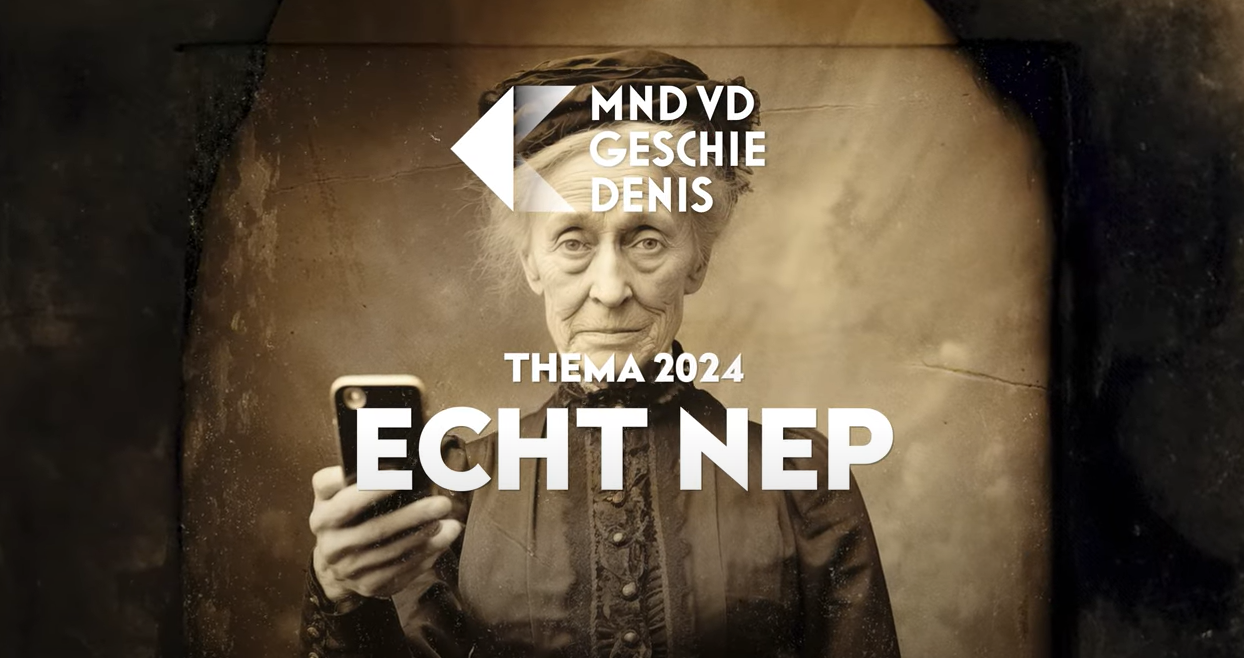
Maand van de Geschiedenis 2024

De Maand van de Geschiedenis (tot 2011 Week van de Geschiedenis) is een jaarlijkse themamaand in oktober.

De themamaand heeft als doelstelling geschiedenis voor een breder publiek toegankelijker te maken. Tijdens de themamaand organiseren musea, archieven, bibliotheken, gemeentes en culturele instellingen speciale activiteiten rondom het jaarlijkse thema. Dit komt in de vormen van tentoonstellingen, boeken, lezingen, rondleidingen en educatieve programma’s.

Dit is het thema van de Maand van de Geschiedenis 2024: ‘Echt nep‘

Links:
Maand van de Geschiedenis

Oktober is de Maand van de Geschiedenis

European Cyber Security Month / Europese cybersecuritymaand 2024

European Cyber Security Month (ECSM) is an EU awareness campaign that promotes cyber security among citizens and organizations about the importance of information security and highlighting the simple steps that can be taken to protect their data, whether personal, financial and/or professional.

The main goal being to raise awareness, change behaviour and provide resources to all about how to protect themselves online. The European Union Agency for Network and Information Security (ENISA), the European Commission DG CONNECT and Partners are deploying the ECSM every October. The objectives of the European Cyber Security Month:

  • generate general awareness about cyber security, which is one of the priorities identified in the EU Cyber Security Strategy;
  • generate specific awareness on Network and Information Security (NIS), which is addressed in the proposed NIS Directive;
  • promote safer use of the Internet for all users;
  • build a strong track record to raise awareness through the ECSM;
  • involve relevant stakeholders;
  • increase national media interest through the European and global dimension of the project;
  • enhance attention and interest with regard to information security through political and media coordination.

Links:
European Cyber Security Month

Alert Online

Zo kun je bestanden beveiligen

Zo krijg je meer controle over je privacy

VPRO #Tegenlicht – De grote dataroof (TV NPO 2)

Oktober is Cybersecurity maand

HCC – Meer Nederlanders maken zich zorgen over hun digitale veiligheid

Hackers are turning to this simple technique to install their malware on PCs

This malware is reading your email just 30 minutes after infecting your PC

Last Chance to fix eIDAS: Secret EU law threatens Internet security – open letter

How ‘Big 4′ Nations’ Cyber Capabilities Threaten the West

#StoptoberNL 2024

Stoptober (een porte-manteauwoord van stop en oktober) is een jaarlijkse, van oorsprong Britse, campagne die ook in Nederland in gehouden wordt om in de maand oktober niet te roken en daardoor ook helemaal te stoppen met roken.

Deelnemers kunnen via een app tips en coaching krijgen en contact onderhouden met andere deelnemers via groepen op sociale platformen. Hiernaast is er een mediacampagne en verbinden jaarlijks enkele bekende Nederlanders zich aan Stoptober door zelf publiekelijk een poging tot stoppen met roken te ondernemen. Sinds 2017 is er ook een STOPtoberhuis waar de eerste vijf dagen van oktober vijftig deelnemers intern intensieve begeleiding krijgen, wat te volgen is via livestreams.

Links:
Stoptober

Tienduizenden veertigers al ziek – Bijna 700.000 Nederlanders ziek door roken, blijkt uit nieuw onderzoek