#CoopsDay Day of Cooperatives 2026

Day of Cooperatives

On July 6, cooperatives around the world will celebrate the Day of Cooperatives.

Co-operatives have been acknowledged as associations and enterprises through which citizens can effectively improve their lives while contributing to the economic, social, cultural and political advancement of their community and nation. The co-operative movement has been also recognized as a distinct and major stakeholder in both national and international affairs. Co-operatives’ open membership model affords access to wealth creation and poverty elimination. This results from the co-operative principle of members’ economic participation: ‘Members contribute equitably to, and democratically control, the capital of their co-operative.’ Because co-operatives are people-centred, not capital-centred , they do not perpetuate, nor accelerate capital concentration and they distribute wealth in a more fair way. Co-operatives also foster external equality. As they are community-based, they are committed to the sustainable development of their communities – environmentally, socially and economically. This commitment can be seen in their support for community activities, local sourcing of supplies to benefit the local economy, and in decision-making that considers the impact on their communities. Despite their local community focus, co-operatives also aspire to bring the benefits of their economic and social model to all people in the world. Globalization should be governed by a set of values such as those of the co-operative movement; otherwise, it creates more inequality and excesses that render it unsustainable. The cooperative movement is highly democratic, locally autonomous, but internationally integrated, and a form of organization of associations and enterprises whereby citizens themselves rely on self-help and their own responsibility to meet goals that include not only economic, but also social and environmental objectives, such as overcoming poverty, securing productive employment and encouraging social integration.

The 2026 theme of the United Nations International Day of Cooperatives, “Cooperatives for a peaceful world”, affirms the contribution of cooperative enterprises to social justice, inclusion and solidarity. It recognizes cooperatives as people-centered institutions that can help build trust, strengthen social cohesion and bring communities together around shared needs and aspirations. In a world marked by conflict, inequality, social fragmentation and declining trust, the theme recalls that peace is more than the absence of violence: it also requires inclusion, fairness, dialogue and economic security. Announced by the International Cooperative Alliance, this year’s theme also reflects the capacity of the cooperative model to serve as a bridge between people and communities. Through democratic ownership, open membership and collective responsibility, cooperatives create spaces in which people can participate, be heard and work together across social and economic divides. Rooted in communities and connected through an international movement, they support livelihoods, decent work, poverty reduction, social integration and peacebuilding among peoples, communities and nations.

Links:
Day of Cooperatives
Wereld Zoönosen Dag / World Zoonoses Day 2026

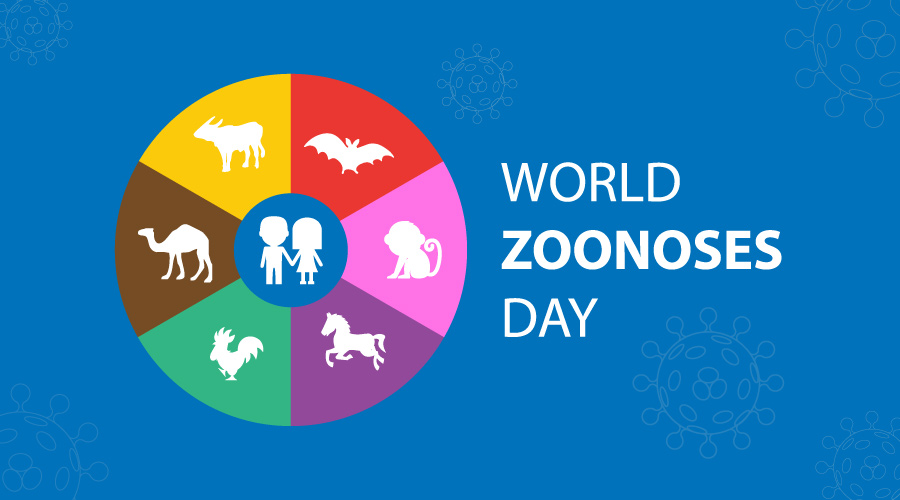
Wereld Zoönosen Dag

Een zoönose is elke ziekte of infectie die van nature overdraagbaar is van gewervelde dieren op mensen.

Dieren spelen dus een essentiële rol bij het in stand houden van zoönotische infecties in de natuur. Zoönosen kunnen bacterieel, viraal of parasitair zijn of onconventionele agentia omvatten. Zoönosen zijn vaak diersoortspecifiek en hebben meestal consequenties voor de volksgezondheid. Het woord zoönose is afgeleid van de Griekse woorden zoön (dier) en nosos (ziekte). Veel fulminant  (levensbedreigend) verlopende infectieziekten zijn zoönosen, daar deze bacteriënprotozoavirussen of wormen vaak zijn aangepast om in hun specifieke gastheer te overleven zonder al te veel schade aan te richten, maar deze bij andere gastheren een heftige immuunreactie oproepen. Het verschijnsel waarbij menselijke aandoeningen worden overgedragen op dieren, wordt antroponose genoemd.

Links:
World Zoonosis Day 6 July

2026 Ankara NATO summit

NATO summit

The 2026 Ankara Summit is a future meeting of heads of state and heads of government of NATO member states, scheduled to be held in Ankara, Turkey, on 7–8 July 2026.

It will be the 36th NATO summit and the second hosted by Turkey following the 2004 summit in Istanbul. The summit will be take place at the Presidential Complex. The Governorship of Ankara announced a comprehensive ban on all rallies, demonstrations, and leaflet distributions across the province, effective from 28 June to 10 July 2026. Extensive security measures led to the closure of several main arteries to traffic, and administrative leave was granted to certain public personnel for the duration of the event. In the two weeks leading up to the summit, anti-NATO protests took place in several cities, including Istanbul, Ankara, and Izmir. Demonstrations led by labor unions and various non-governmental organizations opposed increased military budgets and NATO’s expansion policies. According to reports from Human Rights Watch (HRW) and local rights advocates, anti-terror operations and crackdowns targeting protesters resulted in the detention of over 200 individuals, including activists, lawyers, and journalists.

Links:
NATO Summit 2026

Newton, Principia Mathematica – publicatie (1687)

Newton, Principia Mathematica

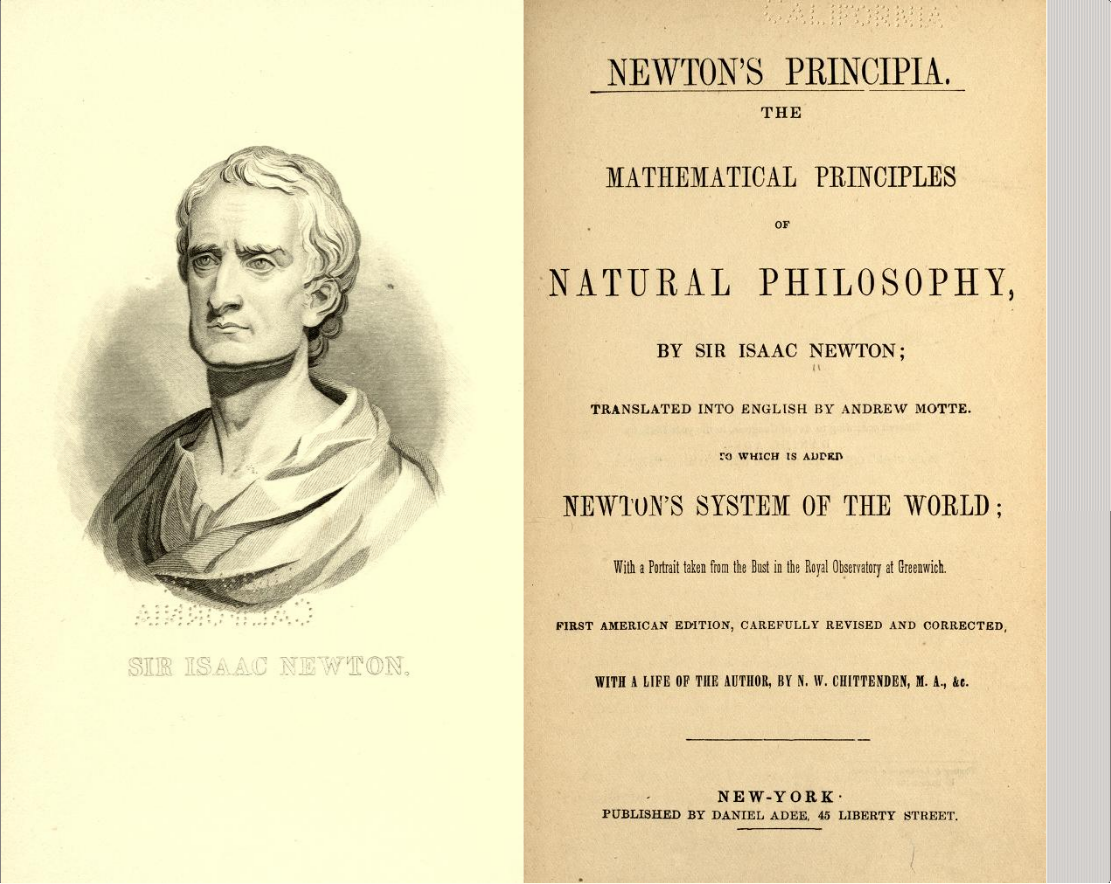
Philosophiae Naturalis Principia Mathematica (Lat.: “De wiskundige beginselen van de natuurfilosofie”, kortweg de Principia) is een werk van Isaac Newton gepubliceerd op 5 juli 1687.

Bekend is dat Newton het werk van ruim 500 pagina’s schreef tussen augustus 1684 en april 1686 (minder dan twee jaar dus) naar aanleiding van een bezoek dat Edmond Halley aan hem bracht. Het is echter zeer waarschijnlijk dat hij zijn ideeën erover al eerder ontwikkelde omdat hij tegenover Halley gewag maakte van zijn oplossing voor het probleem van de banen van de planeten (de reden voor Halley’s bezoek). Al in november 1684 zond hij hem en de Royal Society een uitgewerkte wiskundige beschrijving daarvan, onder de titel De motu corporum in gyrum (Over de beweging van lichamen in een baan), een artikel van negen pagina’s. Hierop liet Halley weten dat de Royal Society graag meer van zulk werk zou ontvangen, en het ook zou uitgeven. Volgens ooggetuigen werkte Newton vervolgens bijna dag en nacht aan het boek. Toen Newton de Principia afgerond had, had de Royal Society echter net haar hele budget gespendeerd aan de uitgave van De historia piscium, een boek over vissen, geschreven door Francis Willughby. Dat boek verkocht zeer slecht, en uiteindelijk financierde Edmond Halley de eerste druk van de Principia. Het werk is een van de invloedrijkste publicaties ooit verschenen in de exacte wetenschappen.

Links:
Philosophiæ naturalis principia mathematica

Zonnekijkdag 2026

Zonnevlekken

Tijdens de jaarlijkse Zonnekijkdag op de eerste zondag van juli kun je veilig door een telescoop de zon bewonderen.

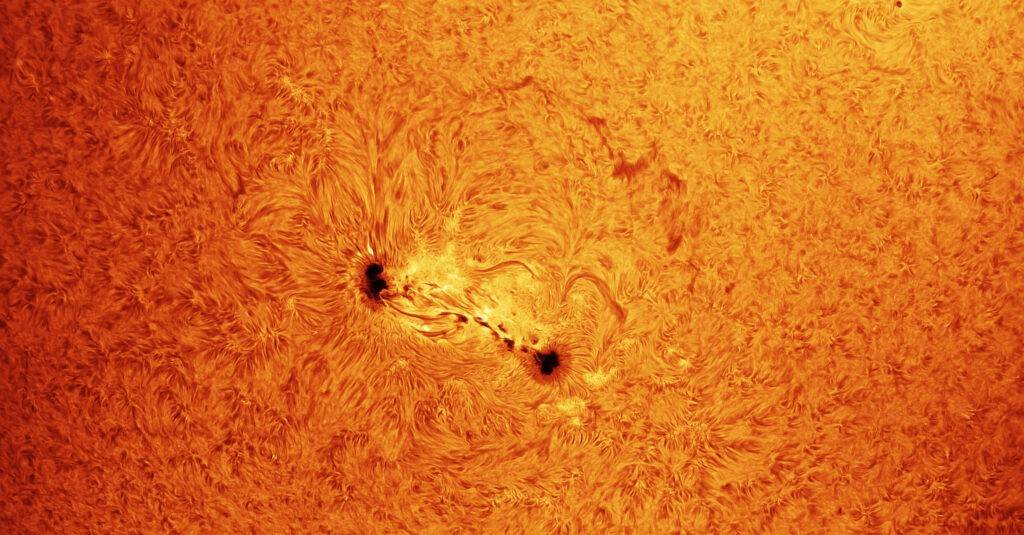
Van migrerende zonnevlekken tot kolkende lussen van gas die groter zijn dan de aarde: amateurastronomen kunnen je met speciale telescopen de zon laten zien zoals je die niet eerder zag. Zitten wolken de zon in de weg? Laat je dan uitleggen wat voor wolken het zijn en wat dat weerkundig betekent. De zon is de dichtstbijzijnde ster vanaf de aarde en die is fascinerend om te bekijken. Dat kun je veilig doen met speciale filters en telescopen. Zonder deze filters is de intensiteit van de zon schadelijk voor je ogen. Amateurastronomen en sterrenwachten hebben gelukkig de juiste apparatuur om jou veilig naar de zon te laten kijken. Zo zijn er in wit-gefilterd licht, donkere vlekken zichtbaar: die zonnevlekken die een maat zijn voor de activiteit van de zon. En wanneer alle kleuren uit het zonlicht worden weggefilterd met uitzondering van één roodtint, dan wordt juist een kolkend en wervelend zonsbeeld zichtbaar met lussen van gas die groter kunnen zijn dan de aarde.

Links:
Zonnekijkdag

Vroege Vogels Radio | 5 juli 2026 (Radio 1 NPO)

Vroege Vogels

Vroege Vogels is een live-radioprogramma, tv-programma en online community van BNNVARA over natuur en milieu.

In het radioprogramma wordt het gesproken woord omlijst door licht klassieke muziek en salonmuziek. Het radioprogramma werd in 1978 voor het eerst uitgezonden door de VARA en is een van de langst lopende en best beluisterde radioprogramma’s van de publieke omroep. Het wordt elke zondagmorgen uitgezonden tussen 07:00 en 10:00 op NPO Radio 1. De beginmuziek is een bewerking van Vivaldi’s “Piccolo Concerto in C major” (RV 443).

Wie in de tuin of onder het dak een wespennest vindt, zal misschien geneigd zijn een ongediertebestrijder bellen, maar volgens de Wespenstichting is dat vaak helemaal niet nodig. Zeehondenonderzoeker Jessica Schop verwacht dat de groei van de populatie grijze zeehonden zal toenemen en zich nog verder naar het oosten zal uitbreiden. Op de zes Caribische eilanden van het Koninkrijk der Nederlanden gaat een indrukwekkende natuur schuil, deze verborgen wereld wordt onthuld in de nieuwe BNNVARA-documentaireserie ‘Natuur in de Cariben‘. En verder: zoogdierbescherming, Kennemerduinen, zomerhommels, Geert de Snoo, de tapir,. De column is van Dolf Jansen. Vroege Vogels Radio wordt gepresenteerd door Menno Bentveld vanuit het Groene Huis in Amersfoort.

Links:
Vroege Vogels Radio

Observe the Moon Night 2026

Observe the Moon Night

International Observe the Moon Night is an annual public outreach event sponsored by the Lunar Reconnaissance Orbiter mission, the Solar System Exploration Division at NASA’s Goddard Space Flight Center, and other NASA and astronomical organizations that encourages observation, appreciation, and understanding of the Moon and its connection to planetary science and exploration.

Everyone on Earth is invited to join the celebration by hosting or attending an event or participating as a lunar observer — and uniting on one day each year to look at and learn about the Moon together. First organized in 2010, there are usually over 500 events annually in over 40 countries, hosted by universities, observatories, NASA Centers, schools, museums, parks, libraries, and amateur astronomers. Some events are offered both in person and via internet streaming video. The date is selected to enhance visibility of lunar topography.

Links:
Observe the Moon Night

2026-07-04, Lief dagboek

Zaterdag; Wat eten we vandaag?; Independence Day 250; Werelddag voor Dolfijnen in Gevangenschap; Amsterdam maakt steeds meer leegstaande woningen vrij; Tour de France; A12 blokkade.

Deze afbeelding heeft een leeg alt-attribuut; de bestandsnaam is dagboek.png

Wat eten we vandaag?:

Klik op afbeelding voor origineel

Knipselkrant:


Agenda:

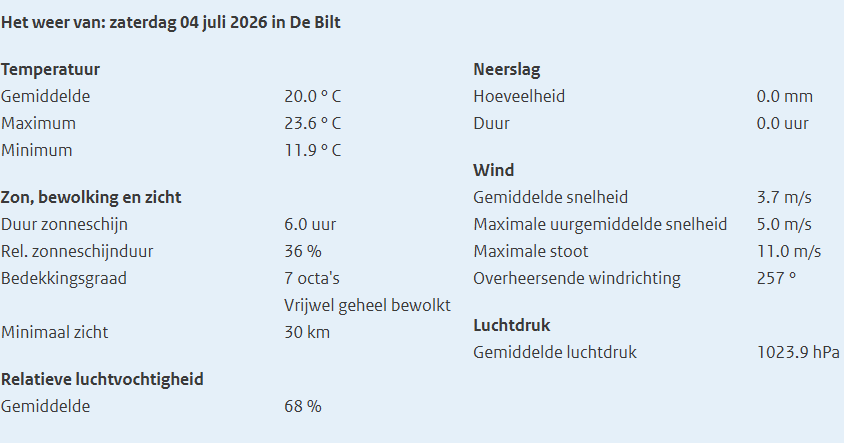
Weer:

Links:
In de geschiedenis