Poepdag 2026

Bristol Stoelgangkaart

In 2026 is de Poepdag op woensdag 8 april, een dag die in het leven is geroepen door het Maag Darm Lever (MDL) Fonds om de relatie tussen ontlasting en gezondheid te benadrukken.

Er heerst nog veel schaamte rondom de stoelgang, maar we spoelen dagelijks een schat aan informatie weg. Daarom: kijk wat vaker achterom en ‘check je poep’!

Links:
Poepdag

#DayOfPink2026

The Day of Pink is a worldwide anti-bullying and anti-homophobia event held annually during the second week of April, though similar to Pink Shirt Day (held in February) in that it also seeks to end all bullying, the Day of Pink is more specifically aimed towards anti-LGBTQ+ bullying.

The event was sparked when a gay Canadian high-school student was witnessed by two fellow students as being bullied at their school for wearing a pink shirt. The two students got everyone at their school to wear pink the following day as a gesture of support, inspiring Jer’s Vision (now Canadian Centre for Gender and Sexual Diversity) to establish the Day of Pink.

Links:
Day of Pink

Buitenlesdag 2026

Buitenlesdag

Op 7 april 2026 wordt de Buitenlesdag gevierd.

Welke dieren komen er allemaal op het schoolplein als wij er niet zijn? Tijdens deze editie ontdekken leerlingen dat hun eigen plein een verrassend wilde plek is. Het primair onderwijs is dé plek waar kinderen kunnen ontdekken dat zij deel uitmaken van de natuur. Met de Buitenlesdag laat IVN zien hoe waardevol en leuk leren buiten kan zijn voor leerlingen én leerkrachten. Buiten leren vergroot betrokkenheid en motivatie, stimuleert samenwerking en gesprek, versterkt de band met de natuur en zorgt voor frisse energie in de klas. Ontdek het zelf en doe mee.

Links:
Buitenlesdag

Week van de Schooltuin 2026

2026-04-07, Lief dagboek

Dinsdag; Wat eten we vandaag?; Gaswinning Noordzee uitgebreid; Artemis II; Dag van de Bever; Wereldgezondheidsdag; Buitenlesdag; Go Short Festival.

Deze afbeelding heeft een leeg alt-attribuut; de bestandsnaam is dagboek.png

Wat eten we vandaag?:

Klik op afbeelding voor origineel

Knipselkrant:


Agenda:

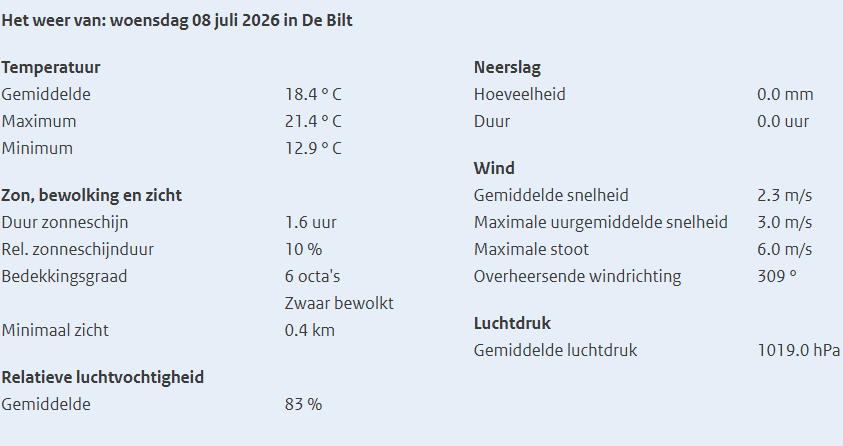
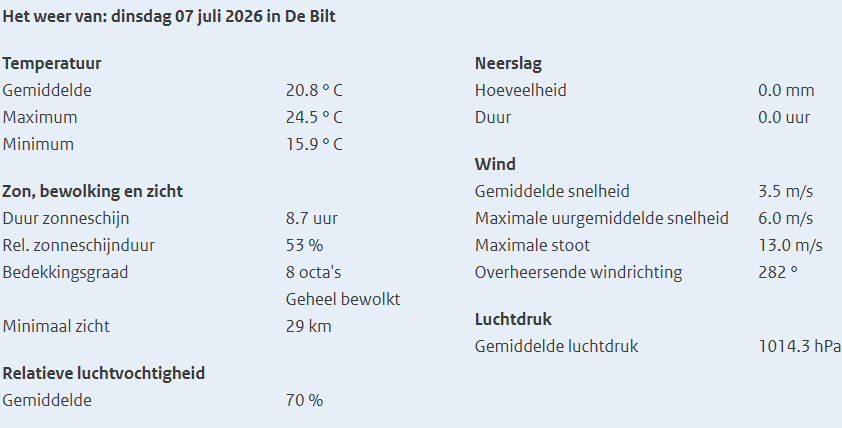
Weer:

Links:
In de geschiedenis

Beaver Day / Dag van de Bever 2026

Beaver Day is a fine time to hike to a beaver pond, arrange a display of books in your library, show a beaver video, and/or otherwise spread the word about nature’s engineer.

Beavers are a unique and important keystone species, having a great impact on the ecosystem. International Beaver Day was created in 2009 by Beavers Wetlands & Wildlife. April 7 was chosen as the date for the holiday because it marks the birthday of Dorothy Richards (popularly known as the ‘Beaver Woman’) who was born in 1894. Richards engaged in the study of beavers for 50 years of her life.

Links:
De bever laat zijn sporen na

Beaver Day

Geen menselijk ontwerp kan tegen de architectuur van de Bever op

World Health Day / Wereldgezondheidsdag 2026

The World Health Day is a global health awareness day celebrated every year on 7 April, under the sponsorship of the World Health Organization (WHO), as well as other related organizations.

In 1948, the WHO hold the First World Health Assembly. The Assembly decided to celebrate 7 April of each year, with effect from 1950, as the World Health Day. The World Health Day is held to mark WHO’s founding, and is seen as an opportunity by the organization to draw worldwide attention to a subject of major importance to global health each year. The WHO organizes international, regional and local events on the Day related to a particular theme. World Health Day is acknowledged by various governments and non-governmental organizations with interests in public health issues, who also organize activities and highlight their support in media reports, such as the Global Health Council. World Health Day is one of eight official global health campaigns marked by WHO, along with World Tuberculosis DayWorld Immunization WeekWorld Malaria DayWorld No Tobacco DayWorld AIDS DayWorld Blood Donor Day, and World Hepatitis Day. The theme for World Health Day 2025 is ‘Healthy beginnings, hopeful futures’.

Links:
World Health Day

Maand zonder suiker: zinvol of onzin?

#WorldPressFreedomDay #PressFreedom Dag van de Persvrijheid / World Press Freedom Day 2026

World Press Freedom Day

De Dag van de Persvrijheid (EngelsWorld Press Freedom Day) is jaarlijks ingesteld op 3 mei.

De dag werd in 1993 door de Algemene Vergadering van de Verenigde Naties uitgeroepen om bewustzijn te kweken voor het belang van persvrijheid, en regeringen eraan te herinneren hun plicht te vervullen het eraan gekoppelde artikel 19 van de Universele verklaring van de rechten van de mens en de Verklaring van Windhoek uit 1991 te handhaven. UNESCO onderstreept sinds 1997 jaarlijks de persvrijheid door op deze dag de Guillermo Cano Internationale Prijs voor Persvrijheid uit te reiken. De prijs werd genoemd naar Guillermo Cano Isaza, de redacteur van de Colombiaanse krant El Espectador, die vanwege zijn uitgebreide berichtgeving over de drugsbaronnen in het land op 17 december 1986 werd vermoord in Bogota.

Links:
World Press Freedom Day

World Press Freedom Day 3 May

World Press Freedom Day 2026 Global conference

De journalistiek laat zich niet intimideren (en Free Press Unlimited ook niet)

World Press Freedom Index 2026 – publication

Day of Sport for Development and Peace / Dag van Sport voor Ontwikkeling en Vrede 2026

The General Assembly of the United Nations decided to proclaim 6 April as “International Day of Sport for Development and Peace” (IDSDP), this date commemorates the inauguration, in 1896, of the first Olympic games of the modern era, in Athens (Greece).

On August 23, 2013, the General Assembly of the United Nations in Resolution 67/296 decides to proclaim on April 6 International Day of the Sport for the Development and the Peace. The UN, with this commemoration, “invites States, the United Nations system and in particular the United Nations Office on Sport for Development and Peace, relevant international organizations, and international, regional and national sports organizations, civil society, including non-governmental organizations and the private sector, and all other relevant stakeholders to cooperate, observe and raise awareness of the International Day of Sport for Development and Peace”. IDSDP presents an opportunity to recognize the positive role sport and physical activity play in communities and in people’s lives across the globe. Sport has the power to change the world; it is a fundamental right and a powerful tool to strengthen social ties and promote sustainable development and peace, as well as solidarity and respect for all. From empowering women and girls, young people, persons with disabilities, and other marginalized groups to advancing health, sustainability, and education objectives, sport offers tremendous potential for advancing the Sustainable Development Goals (SDGs) and for promoting peace and human rights. The United Nations has long recognized the power and universality of sport, using it to unite individuals and groups through supporting sport for development efforts, participating in events from the global to the grassroots level, and developing its own sports-related campaigns and initiatives.

The 2026 International Day of Sport for Development and Peace will spotlight the theme “Sport: Building Bridges, Breaking Barriers,” underscoring sport’s unique capacity to foster connection, inclusion, and peace in an increasingly fragmented world. As a universal language that transcends cultural, social, and boundaries, sport serves as a powerful catalyst for social transformation. Sport connects communities across borders and generations, reducing isolation among marginalized groups, and creating spaces for dialogue, solidarity, and mutual respect. The 2026 International Day will highlight evidence-based approaches and best practices demonstrating how sport contributes measurably to the 2030 Agenda for Sustainable Development, particularly in advancing health, gender equality, reduced inequalities, and peaceful, inclusive societies. Through dialogue, partnerships, and shared experiences, IDSDP 2026 will reaffirm sport’s role as a strategic tool for building bridges between people and breaking down barriers to inclusion, leaving no one behind.

Links:
International Day of Sport for Development and Peace 6 April