Gemeente Amsterdam : Begroting 2026 – publicatie

Op 18 september 2025 presenteerde het college van burgemeester en wethouders (college van B en W) van de gemeente Amsterdam de Begroting 2026, de laatste begroting van dit college, hierin staan de geplande inkomsten en uitgaven van de gemeente voor volgend jaar en bedraagt 7,8 miljard euro.

Op 18 maart 2026 zijn er gemeenteraadsverkiezingen en krijgt Amsterdam dus een nieuw bestuur. Het college van B en W wil de stad en de financiën goed overdragen. Daarom maakt het college in de begroting voor 2026 forse bedragen vrij voor zaken die ook de komende jaren nodig zijn, zoals jeugdzorg, de aanpak van armoede en dakloosheid, opvang en een goede verbinding over het IJ. Er komen geen lastenverhogingen voor Amsterdammers. Dit en meer staat in de Begroting 2026.

Links:
Begroting 2026: geen lastenverhogingen voor Amsterdammers

Amsterdamse begroting: bezuinigingen op ambtenarij vanaf 2027, extra geld voor brug over het IJ
Sign up for a strong plastic treaty! – petition

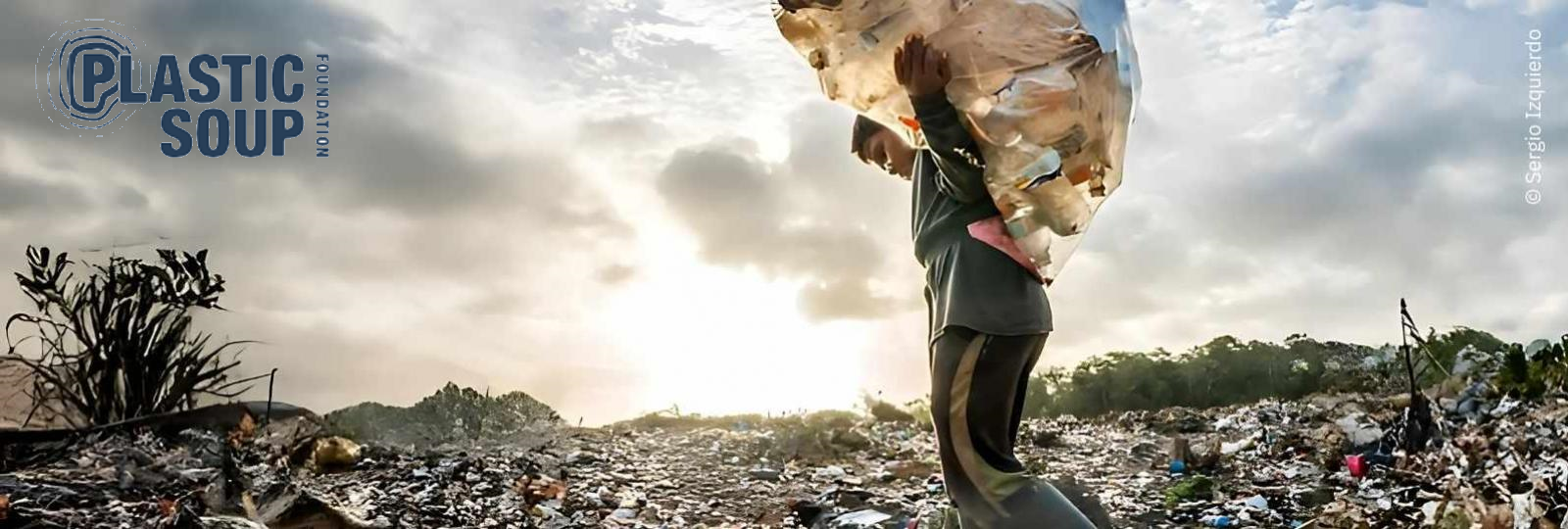
Plastic is everywhere: in our food, our drinks and even in unborn babies. Without a strong treaty, this will not change. This must stop – now, for this generation and for the generations after us.

In August 2025, the decisive UN negotiations took place in Geneva. After 11 days of negotiations, no agreement was reached: the proposal was too weak for those who really want action, too strict for those who want to continue looking the other way. The result: another delay in the fight against plastic pollution. Together with scientists and organisations around the world, Plastic Soup Foundation have drafted a strong counterproposal. The more people who support our call, the stronger we stand. The Plastic Soup Foundation demands:

  • Less plastic, starting with single-use plastics and fast fashion
  • A global ban on toxic substances in plastic
  • Real solutions such as reuse and alternative materials instead of misleading “chemical recycling”

Sign now – for a clean and healthy future.

Links:
Sign up for a strong plastic treaty!

The Global Plastics Treaty

Toxic plastic chemicals have been found in children’s toys and everyday products

Global Plastics Treaty – EartDay

Laten we een einde maken aan het plastictijdperk – petitie

#Linux – first release (1991) 2025

Linux (/ˈlinʊks/ (listenLEEN-uuks or /ˈlɪnʊks/ LIN-uuks) is a family of open-source Unix-like operating systems based on the Linux kernel, an operating system kernel first released on September 17, 1991, by Linus Torvalds.

Linux is typically packaged in a Linux distributionDistributions include the Linux kernel and supporting system software and libraries, many of which are provided by the GNU Project. Many Linux distributions use the word “Linux” in their name, but the Free Software Foundation uses the name “GNU/Linux” to emphasize the importance of GNU softwarecausing some controversy. Popular Linux distributions include DebianFedora, and Ubuntu. Commercial distributions include Red Hat Enterprise Linux and SUSE Linux Enterprise Server. Desktop Linux distributions include a windowing system such as X11 or Wayland, and a desktop environment such as GNOME or KDE Plasma. Distributions intended for servers may omit graphics altogether, or include a solution stack such as LAMP. Because Linux is freely redistributable, anyone may create a distribution for any purpose.

Linux was originally developed for personal computers based on the Intel x86 architecture, but has since been ported to more platforms than any other operating system. Because of the dominance of the Linux-based Android on smartphones, Linux also has the largest installed base of all general-purpose operating systems. Although Linux is used by only around 2.3 percent of desktop computers, the Chromebook, which runs the Linux kernel-based Chrome OS, dominates the US K–12 education market and represents nearly 20 percent of sub-$300 notebook sales in the US. Linux is the leading operating system on servers (over 96.4% of the top 1 million web servers’ operating systems are Linux), leads other big iron systems such as mainframe computers, and is the only OS used on TOP500 supercomputers (since November 2017, having gradually eliminated all competitors).

Linux also runs on embedded systems, i.e. devices whose operating system is typically built into the firmware and is highly tailored to the system. This includes routersautomation controls, smart home technologytelevisions (Samsung and LG Smart TVs use Tizen and WebOS, respectively), automobiles (for example, Tesla, Audi, Mercedes-Benz, Hyundai, and Toyota all rely on Linux), digital video recordersvideo game consoles, and smartwatches. The Falcon 9’s and the Dragon 2‘s avionics use a customized version of Linux. Linux is one of the most prominent examples of free and open-source software collaboration. The source code may be used, modified and distributed commercially or non-commercially by anyone under the terms of its respective licenses, such as the GNU General Public License.

Links:
The Linux Documentation Project

DistroWatch

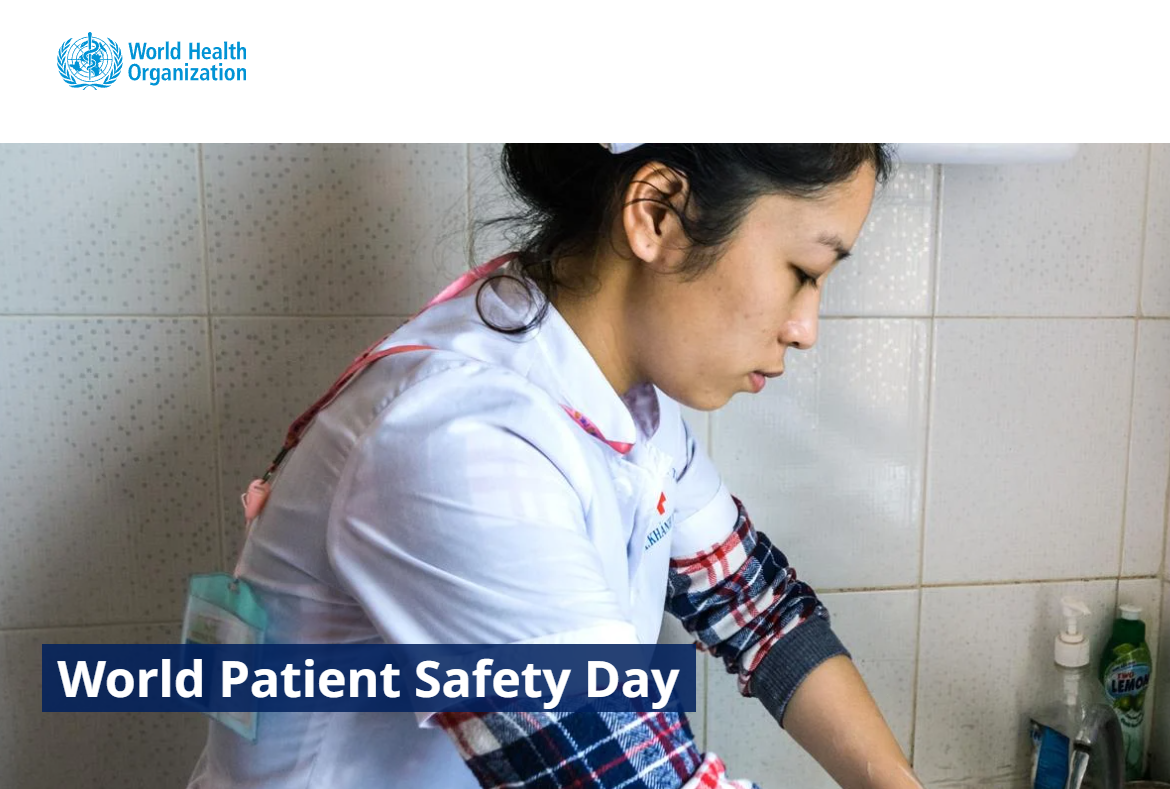
World Patient Safety Day / Werelddag voor Patiëntveiligheid 2025

Patient safety is a discipline that emphasizes safety in health care through the prevention, reduction, reporting, and analysis of medical error that often leads to adverse effects.

The frequency and magnitude of avoidable adverse events experienced by patients was not well known until the 1990s, when multiple countries reported staggering numbers of patients harmed and killed by medical errors. Recognizing that healthcare errors impact 1 in every 10 patients around the world, the World Health Organization calls patient safety an endemic concern. Indeed, patient safety has emerged as a distinct healthcare discipline supported by an immature yet developing scientific framework. There is a significant transdisciplinary body of theoretical and research literature that informs the science of patient safety. No one should be harmed in health care. Yet thousands of patients across the world suffer avoidable harm, or are put at risk of injury, while receiving health care every single day. The 72nd World Health Assembly adopted resolution WHA 72.6 ‘Global action on patient safety’ on 25 May 2019. The resolution recognizes patient safety as a global health priority and endorses the establishment of World Patient Safety Day to be observed annually on 17 September. World Patient Safety Day calls for global solidarity and concerted action by all countries and international partners to improve patient safety. Furthermore, the Day brings together patients, families, caregivers, communities, health workers, health care leaders and policy-makers to show their commitment to patient safety. The theme of the very first World Patient Safety Day in 2019 was aimed at establishing the legacy of the day and highlighting the importance of prioritizing and addressing patient safety globally by all stakeholders. From 2020 and in the coming years, a new theme will be selected each year, raising awareness and promoting positive change around patient safety priority areas. 2025 theme: “Safe care for every newborn and every child“.

Links:
World Patient Safety Day

2025-09-16, Lief dagboek

Dinsdag; Wat eten we vandaag?; Virtual Science Symposium; UN: genocide Gaza; Dag voor het Behoud van de Ozonlaag; hoopzaaier; Prinsjesdag / Troonrede.

Deze afbeelding heeft een leeg alt-attribuut; de bestandsnaam is dagboek.png

Wat eten we vandaag?

Klik op afbeelding voor origineel

Knipselkrant:


Agenda:

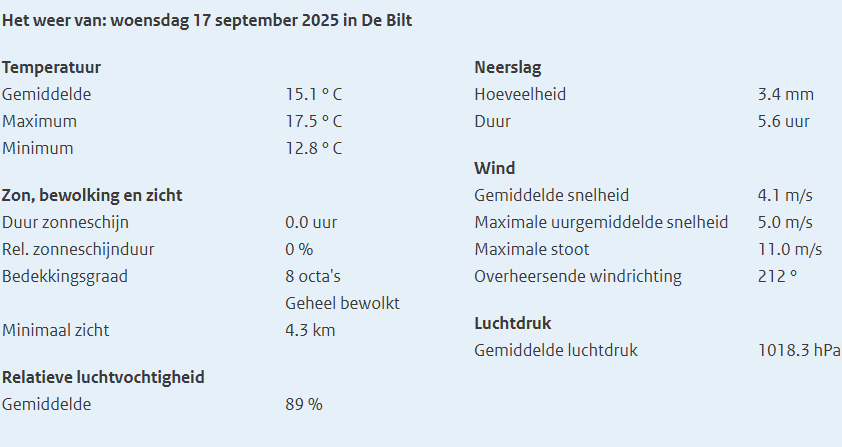
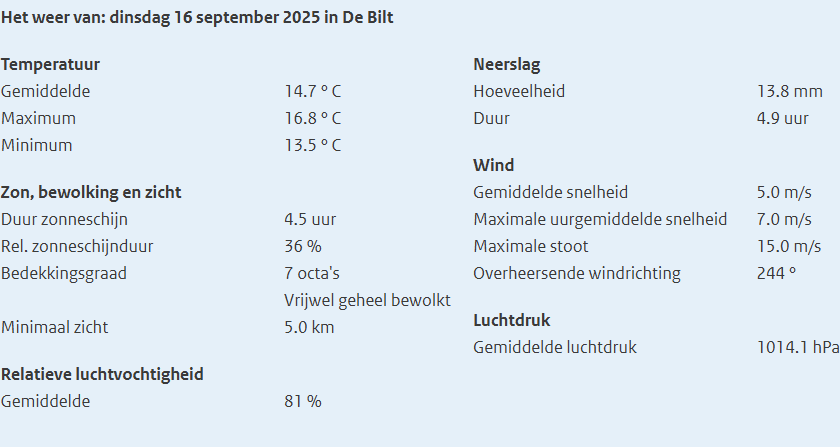
Weer:

Links:
In de geschiedenis

Head and neck cancer awareness week / Hoofd- en Nekkankerweek 2025

Head and neck cancer is a group of cancers that starts in the mouth, nose, throat, larynx, sinuses, or salivary glands.

Symptoms for head and neck cancer may include a lump or sore that does not heal, a sore throat that does not go away, trouble swallowing, or a change in the voice; there may also be unusual bleeding, facial swelling, or trouble breathing. About 75% of head and neck cancer is caused by the use of alcohol or tobacco. Other risk factors include betel quid, certain types of human papillomavirus, radiation exposure, certain workplace exposures, and Epstein-Barr virus. Head and neck cancers are most commonly of the squamous cell carcinoma type. The diagnosis is confirmed by tissue biopsy. The degree of spread may be determined by medical imaging and blood tests. Not using tobacco or alcohol can reduce the risk for head and neck cancer. While screening in the general population does not appear to be useful, screening high risk groups by examination of the throat might be useful.

Head and neck cancer often is curable if it is diagnosed early; however, outcomes are typically poor if it is diagnosed late. Treatment may include a combination of surgery, radiation therapy, chemotherapy, and targeted therapy. Following treatment of one head and neck cancer, people are at higher risk of having a second cancer. In 2015, head and neck cancers globally affected more than 5.5 million people (2.4 million mouth, 1.7 million throat, and 1.4 million larynx cancer), and it has caused over 379,000 deaths (146,000 mouth, 127,400 throat, 105,900 larynx cancer). Together, they are the seventh most-frequent cancer and the ninth most-frequent cause of death from cancer. In the United States, about 1% of people are affected at some point in their life, and males are affected twice as often as females. The usual age at diagnosis is between 55 and 65 years old. The average 5-year survival following diagnosis in the developed world is 42-64%.

Links:
Head and neck cancer

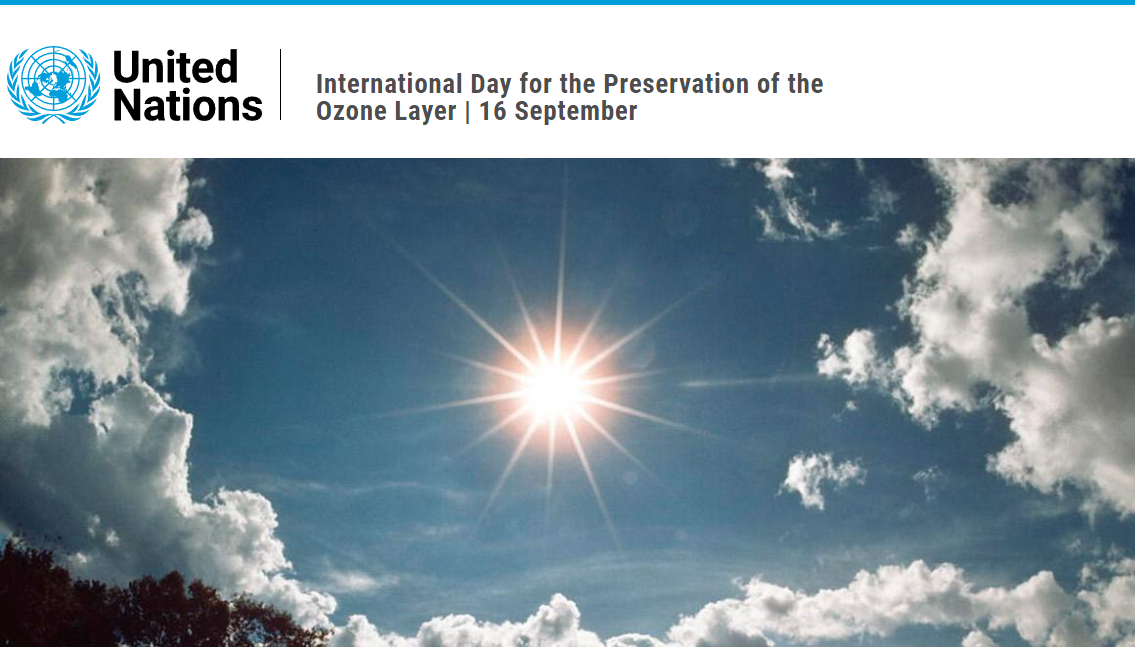
Dag voor het Behoud van de Ozonlaag / Day for the Preservation of the Ozone Layer 2025

De ozonlaag is een dun laagje gas dat ligt tussen de 15 en 50 kilometer hoogte en als een ring om onze aarde zit met als belangrijkste eigenschap; het beschermt ons tegen de schadelijke straling (ultraviolette straling) die afkomstig is van de zon.

Zonder de ozonlaag is leven op aarde niet mogelijk. Door vervuiling wordt de ozonlaag steeds dunner. Hierdoor lopen mensen meer kans op huidkanker en staar. Om gezamenlijk te proberen het ozongat niet groter te laten worden werd op 22 maart 1985 het Verdrag van Wenen aangenomen dat door 28 landen ondertekend. Op 16 september 1987 heeft dit geleid tot het opstellen van het Montrealprotocol (Montreal Protocol on Substances that Deplete the Ozone Layer). Het is geratificeerd door elke lidstaat van de Verenigde Naties (197); de Europese Unie, alle 193 leden van de Verenigde Naties, Vaticaanstad, Cookeilanden en Niue. Het Montrealprotocol laat zien dat mondiaal afspraken maken over het milieubeleid duidelijk zin heeft. We moeten nog wel een tijd wachten voordat de ozonlaag helemaal hersteld is maar vermoedelijk zal tegen 2050 de ozonlaag hersteld zijn tot het niveau van 1960. Plak er nog een 20 tot 30 jaar aan vast en dan moet de ozonlaag toch praktisch hersteld zijn. Ozongat boven Antarctica zal dan ook dicht zijn.

Links:
Day for the Preservation of the Ozone Layer, 16 September

Montreal Protocol is meest succesvolle internationale milieuverdrag ooit

Wereld Ozondag: van wetenschap naar wereldwijde actie

Near-future rocket launches could slow ozone recovery

Potential Ozone Depletion From Satellite Demise During Atmospheric Reentry in the Era of Mega-Constellations

Metals from spacecraft reentry in stratospheric aerosol particles

Legal analysis of the conduct of Israel in Gaza pursuant to the Convention on the Prevention and Punishment of the Crime of Genocide – publication

Israel has committed genocide against Palestinians in the Gaza Strip, the UN Independent International Commission of Inquiry on the Occupied Palestinian Territory, including East Jerusalem, and Israel said in the report ‘Legal analysis of the conduct of Israel in Gaza pursuant to the Convention on the Prevention and Punishment of the Crime of Genocide’.

The Commission urges Israel and all States to fulfil their legal obligations under international law to end the genocide and punish those responsible for it. The Commission has been investigating the events on and since 7 October 2023 for the last two years, and concluded that Israeli authorities and Israeli security forces committed four of the five genocidal acts defined by the 1948 Convention on the Prevention and Punishment of the Crime of Genocide, namely killing, causing serious bodily or mental harm, deliberately inflicting conditions of life calculated to bring about the destruction of the Palestinians in whole or in part, and imposing measures intended to prevent births. Explicit statements by Israeli civilian and military authorities and the pattern of conduct of the Israeli security forces indicate that the genocidal acts were committed with intent to destroy, in whole or in part, Palestinians in the Gaza Strip as a group.

Links:
Israel has committed genocide in the Gaza Strip, UN Commission finds

VN-commissie spreekt nu van genocide in Gaza: ‘Niet ingrijpen maakt medeplichtig’