Werelddag voor de ziekte van Chagas / World Chagas Disease Day 2026
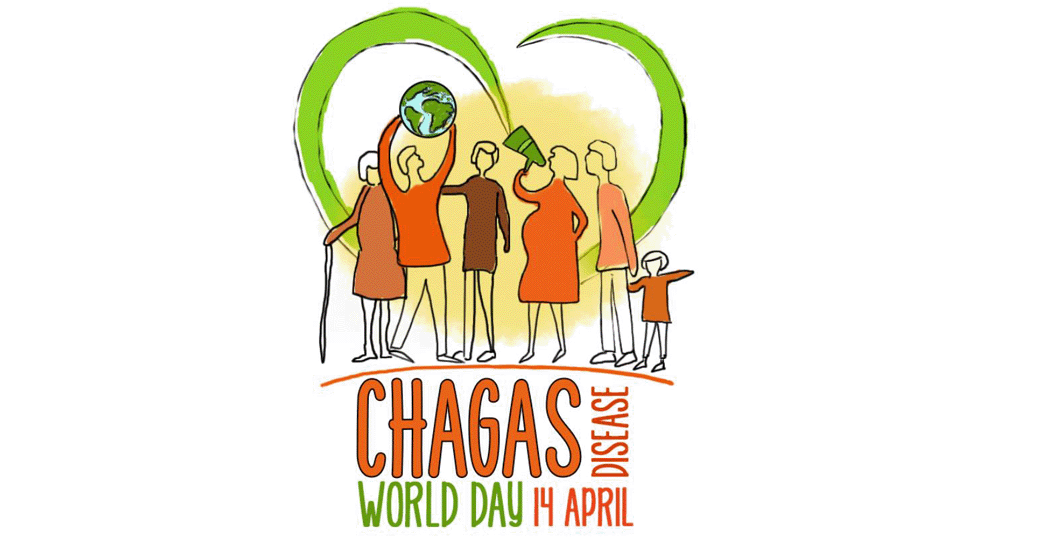
De ziekte van Chagas is een tropische vectorziekte die voorkomt bij de mens en wel voornamelijk in Zuid-Amerika.

De verwekker is een protozoön genaamd Trypanosoma cruzi, die wordt overgebracht naar mensen en andere zoogdieren door de roofwants Triatoma infestans. De ziekteverwekker is verwant aan die van de Afrikaanse slaapziekte en veroorzaakt ook gelijksoortige symptomen. Acute symptomen zijn: hevige koorts, bloedarmoede (anemie), eenzijdige zwelling in het gezicht of ooglid, slaperigheid en algehele vermoeidheid, hoofdpijn en braakneigingen. De ziekte kan in de eerste periode van een tot enkele maanden nog behandeld worden, na deze incubatietijd is de ziekte niet meer te behandelen. In Zuid-Amerika is deze ziekte een groot probleem en sterven er veel voornamelijk arme mensen aan. De ziekteverwekker is verwant aan die van de Afrikaanse slaapziekte en veroorzaakt ook gelijksoortige symptomen. Acute symptomen zijn: hevige koorts, bloedarmoede (anemie), eenzijdige zwelling in het gezicht of ooglid, slaperigheid en algehele vermoeidheid, hoofdpijn en braakneigingen. De ziekte kan in de eerste periode van een tot enkele maanden nog behandeld worden, na deze incubatietijd is de ziekte niet meer te behandelen. In Zuid-Amerika is deze ziekte een groot probleem en sterven er veel voornamelijk arme mensen aan. Tot nu toe is er geen goed geneesmiddel voor de ziekte van Chagas gevonden.

Links:
World Chagas Disease Day

WHA72.20 World Chagas Disease Day

Women at the heart: Protecting the Next Generation from Chagas Disease

World Press Photo van het jaar 2026

De World Press Photo van het jaar is een jaarlijkse fotoprijs georganiseerd door de Nederlandse stichting World Press Photo., de maker van de winnende inzending ontvangt tienduizend euro.

De prijs wordt gegeven aan het beeld dat “… is not only the photojournalistic encapsulation of the year, but represents an issue, situation or event of great journalistic importance, and does so in a way that demonstrates an outstanding level of visual perception and creativity”.

2026 Photo Contest - World Press Photo of the Year: Separated by ICE
2026 Photo Contest – World Press Photo of the Year: Separated by ICE

Links:
World Press Photo van het jaar 2026

World Dark Sky Week 2026

International Dark Sky Week

De Dark Sky Week gaat over lichtvervuiling en wordt georganiseerd door International Dark-Sky Association (IDA).

Lichtvervuiling is de grote hoeveelheid kunstlicht dat ’s nachts overbodig aan is. Zoals verlichting van snelwegen en straten, gebouwen, objecten en assimilatieverlichting in de glastuinbouw. Dit kan het biologische dag- en nachtritme van mensen en dieren verstoren. Planten worden beïnvloed in hun groeiwijze. Elk kunstlicht dat niet nodig is, is een vervuiler met ernstige en schadelijke gevolgen dus is dat lichtvervuiling. Het lijkt misschien onschuldig, maar lichtvervuiling heeft verstrekkende gevolgen die schadelijk zijn voor alle levende wezens. Lichtvervuiling neemt twee keer zo snel toe als de bevolkingsgroei en 83% van de wereldbevolking leeft onder een lichtvervuilde hemel. Lichtvervuiling kan:

  • dieren in het wild verstoren
  • invloed hebben op de gezondheid van de mens
  • geld en energie verspillen
  • bijdragen aan klimaatverandering
  • ons zicht op het universum blokkeren

Al miljarden jaren vertrouwt al het leven op het voorspelbare ritme van dag en nacht op aarde. Het zit in het DNA van alle planten en dieren gecodeerd. Mensen hebben deze cyclus radicaal verstoord door de nacht te verlichten. Planten en dieren zijn afhankelijk van de dagelijkse cyclus van licht en donker op aarde om levens ondersteunend gedrag zoals voortplanting, voeding, slaap en bescherming tegen roofdieren te regelen. Wetenschappelijk bewijs suggereert dat nachtelijk kunstlicht negatieve en dodelijke effecten heeft op veel wezens, waaronder amfibieën, vogels, zoogdieren, insecten en planten. Het blijkt dat dieren die in gebieden leven met lichtvervuiling minder nakomelingen krijgen. Ook blijkt dat dieren vervroegd uit hun winterslaap kunnen komen wat tot gevolg kan hebben dat ze door uitputting sterven. Trekvogels die de weg kwijt raken. Kunstlicht dat het broedritueel verstoort van amfibieën zoals kikkers en padden. Waar verliezers zijn zijn ook winnaars. Roofdieren die met meer (kunst)licht kunnen jagen, Maar daar zijn hum prooien dan weer niet blij mee.

Links:
Dark Sky Week

International Dark Sky Week April 13th – 20th

2026-04-13, Lief dagboek

Maandag; Wat eten we vandaag?; Buitenlesdag; Geen mens is illegaal!; Lutkemeer; Plant Appreciation Day; Week van de Rechtvaardige Straat; Cancer Calculus; Asielnoodmaatregelenwet; The Sky at Night.

Deze afbeelding heeft een leeg alt-attribuut; de bestandsnaam is dagboek.png

Wat eten we vandaag?:

Klik op afbeelding voor origineel

Knipselkrant:


Agenda:

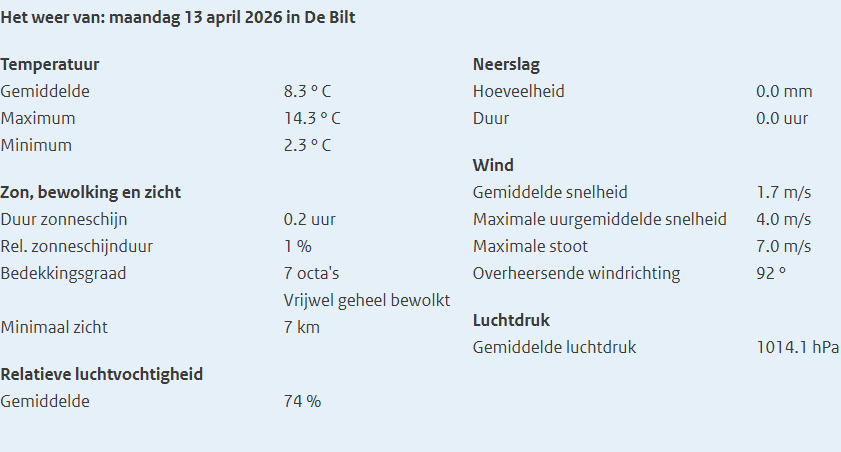
Weer:

Links:
In de geschiedenis

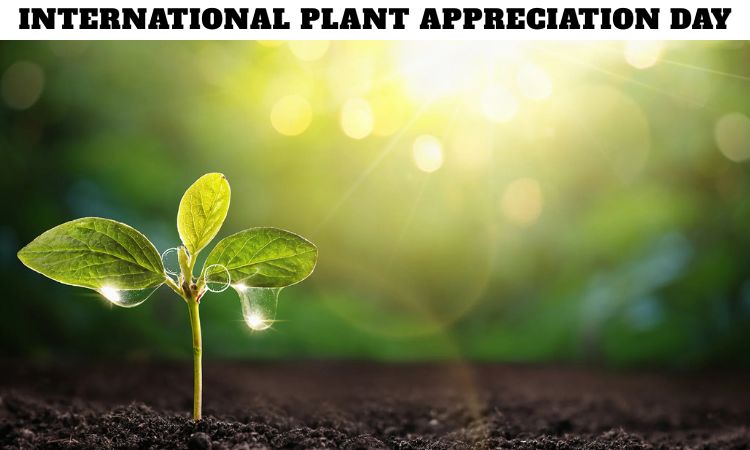
Plant Appreciation Day 2026

Plant Appreciation Day

Plant Appreciation Day, which takes place every year on April 13th, is a day dedicated to recognizing plants’ incredible diversity, beauty, and importance.

Plants, as the foundation of life on Earth, provide us with oxygen, nutrients, and a variety of other essential resources. They not only help to sustain our ecosystems, but they also bring joy and inspiration into our lives through their beautiful colors and shapes. On this day, plant lovers, environmentalists, and garden enthusiasts come together to raise awareness about the importance of plants in our lives and the need to protect them. It is a day to reflect on our relationship with nature, develop a greater appreciation for the world’s flora, and take action to protect our planet’s green treasures.

Links:
International Plant Appreciation Day

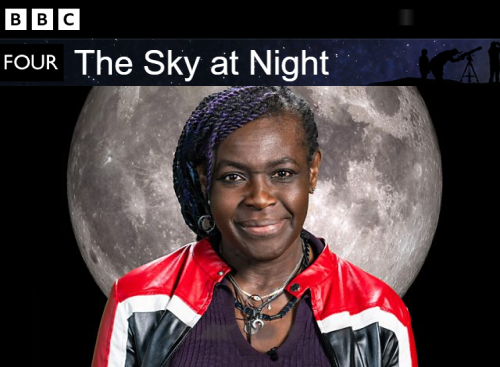
The Sky at Night – Destination Moon (TV BBC Four / BBC iPlayer)

The Sky at Night

The Sky at Night is a monthly documentary television programme on astronomy produced by the BBC.

The show had the same permanent presenter, Patrick Moore, from its first broadcast on 24 April 1957 until 7 January 2013. The latter date was a posthumous broadcast, which followed Moore’s death on 9 December 2012. This made it the longest-running programme with the same presenter in television history. Many early episodes are missing, either because the tapes were wiped, thrown out, or because the episode was broadcast live and never recorded in the first place. Beginning with the 3 February 2013 edition, the show was co-presented by Lucie Green and Chris Lintott. Since December 2013 Maggie Aderin-Pocock has been a presenter. The programme’s opening and closing theme music is “At the Castle Gate”, from the incidental music to Pelléas et Mélisande, written in 1905 by Jean Sibelius, performed by the Royal Philharmonic Orchestra and conducted by Sir Thomas Beecham.

This episode:
Maggie Aderin, self-proclaimed lunar-tic, examines Nasa’s Artemis II mission: the first crewed journey towards the moon in more than 50 years. It’s a mission designed to carry astronauts around the moon’s far side and safely home again, marking the furthest human beings will have travelled into space. While the programme explores the mission’s progress on and off the launch pad as Artemis II prepares for its next attempt at lift-off, George Dransfield visits Imperial College London to speak with Dr Helen Sharman, who became the first British astronaut in 1991 when she travelled to the Mir space station. Helen offers insight into what it’s like to wait for launch and why the moon is once again drawing the world’s attention.

But the renewed focus on the moon goes beyond sending people there. A series of robotic landers has recently attempted to reach the lunar surface, with mixed outcomes. To understand this new phase of exploration, Maggie heads to the Open University to meet Dr Simeon Barber, who is developing his latest lunar instrument. Not every mission carrying his instruments has succeeded, but as he explains, setbacks are as informative as successes and form part of the fast-moving international effort to return to the moon. But it’s not only astronauts and robots that get the chance to study our closest neighbour. We all see it as we go about our everyday lives, and Pete Lawrence is on hand to highlight what to look out for if you pause for a moment, glance upward and take in its quiet beauty.

It is the slow and steady progress of China’s Chang’e programme that brought back the first samples from the moon’s far side in 2024. Chris Lintott meets Professor Yang Li at University College London to find out what those samples are telling Yang and his team, and the clues it gives us to a long-standing puzzle: the stark differences between the near and far sides of our lunar neighbour. These developing insights only strengthen the desire to explore further. To understand what Artemis II might contribute, Maggie speaks with Nasa’s Dr Kelsey Young, who leads the mission’s lunar science objectives. She explains what the first people to see the moon up close in more than half a century are trained to be looking out for.

Will Artemis II be sweeping around the moon by the time this programme airs, or will we be waiting a little longer for lift-off? Whatever happens with the journey back to the moon, the story is advancing, whether Artemis II flies or not. There are new scientific clues already coming from lunar samples, and robotic landers still pushing forward with fresh attempts and data. The moon’s secrets, history and untapped potential keep drawing us back, urging us to look up and explore the lunar surface once again.

Links:
The Sky at Night

Geen mens is illegaal! – solidariteitsprotest

Geen mens is illegaal!
Geen mens is illegaal! – klik op afbeelding voor origineel

Extinction Rebellion, Here to Support en De Straat Op organiseren een solidariteitsprotest op 14 april 2026 voor het gebouw van de Eerste Kamer; samen spreken ze onze afschuw uit over het Tweestatusstelsel en de Asielnoodwetten, waar die dag over gedebatteerd wordt.

Het protest is low-risk en duurt een uur. Neem een protestbord mee met je eigen tekst of gebruik de tekst: “Dit beleid is onmenselijk: Geen mens is illegaal!” Het vorige kabinet beweerde het Tweestatusstelsel en de Asielnoodmaatregelenwet in te willen voeren om de druk op de Nederlandse voorzieningen te verminderen. In plaats daarvan gaat het om wetsvoorstellen waarmee de problemen niet aangepakt worden: het gebrek aan betaalbare woningen en de druk op het onderwijs en de zorg zijn niet het gevolg van de komst van vluchtelingen naar Nederland, maar van jarenlang afbraakbeleid door (extreem)rechtse kabinetten. Door problemen te proberen ‘op te lossen’ met strenger asielbeleid wordt de schuld ervoor in de schoenen geschoven van mensen die, om hun leven te redden, alles hebben moeten achterlaten. Dit is zondebokpolitiek.

Links:
Geen mens is illegaal!

EenVandaag, ‘Strengste asielbeleid ooit’? Eerste Kamer buigt zich in spannend debat over wetten van Marjolein Faber.

Volkskrant, CDA steunt asielwet alleen als straf voor illegaal verblijf beperkt blijft tot migranten die niet meewerken aan vertrek.

Protestactie tegen asielwetsvoorstellen: “Waarom worden deze wetten doorgeduwd? Het antwoord is: zondebokpolitiek”

Explainer Asielwetten

Asielnoodmaatregelenwet – plenaire vergadering eerste termijn Eerste Kamer

Eerste Kamer der Staten-Generaal

Tijdens de plenaire vergadering eerste termijn Eerste Kamer over de Asielnoodmaatregelenwet komen aan bod:
Wet invoering tweestatusstelsel (36.703)
Asielnoodmaatregelenwet (36.704)
Novelle aanpassing strafbaarstelling illegaal verblijf (36.855)

Links:
Maandag 13 april 2026, plenaire vergadering

Agenda – Debat : Asielnoodmaatregelenwet en de Wet invoering tweestatusstelsel – Tweede Kamer

Geen mens is illegaal! – solidariteitsprotest

EenVandaag, ‘Strengste asielbeleid ooit’? Eerste Kamer buigt zich in spannend debat over wetten van Marjolein Faber

Volkskrant, CDA steunt asielwet alleen als straf voor illegaal verblijf beperkt blijft tot migranten die niet meewerken aan vertrek

Petities tegen asielwetten

Asielwetten Faber dreigen te sneuvelen; PVV gaat tegen nieuw deel stemmen

Cancer Calculus – publication

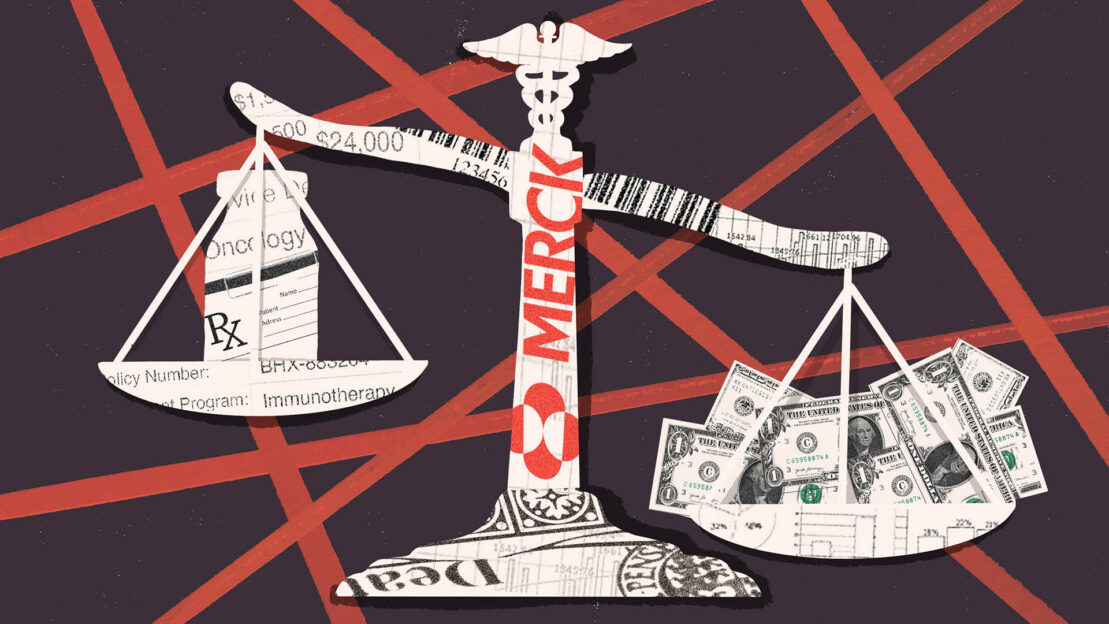
Cancer Calculus

How Merck keeps the price of its blockbuster cancer drug sky-high, shutting out patients and straining health care systems around the world.

A yearlong investigation by the International Consortium of Investigative Journalists (ICIJ) has uncovered how Merck & Co. has kept the price of its blockbuster cancer drug Keytruda extraordinarily high while deterring competition. The Cancer Calculus, an investigation by ICIJ and 47 media partners in 37 countries, also sheds new light on the strategies that have allowed Merck to widen Keytruda’s use — even in cases where its benefits are more limited and lower dosages may be just as effective. A game changer in cancer treatment, Keytruda, known generically as pembrolizumab, weaponizes a patient’s immune system against cancer cells. The U.S. Food and Drug Administration (FDA) approved it in 2014 to treat advanced melanoma, the most aggressive form of skin cancer. The FDA has since approved it for 19 types of tumors. ICIJ’s investigation found that Merck’s list prices, or the initial pre-discount prices, vary wildly across countries, ranging from about $850 for a single 100 milligram vial in Indonesia to $6,015 for the same vial in the U.S. Usually administered via intravenous infusion in 200 mg doses every three weeks or 400 mg doses every six weeks, treatment can last up to two years — amounting to a staggering $416,000 according to the drug’s list price in the U.S. — and sometimes longer, though insurance companies often stop covering the drug after the initial two years. With the cost of prescription drugs continually soaring, President Donald Trump convened top executives from major drug companies at the White House this past December and promised to lower U.S. drug prices. Among the executives was Robert M. Davis, head of Merck. All the companies pledged price cuts, but Merck made no such commitment with Keytruda, which generated $31.7 billion in 2025 — nearly half the company’s revenue. And 60% of the drug’s sales were in the U.S. Based on hundreds of interviews with oncologists, cancer patients and their families, patent experts, regulators, pharmaceutical industry insiders and others, as well as exclusive pricing data and patent analyses, together with thousands of pages of company presentations, patent board documents, lawsuits and corporate and regulatory records, and more than 1,000 public records requests in 27 countries, the Cancer Calculus investigation pulls the curtain back on precisely how Merck maintains its dominance.

Links:
About the Cancer Calculus investigation

Cancer Calculus

The International Consortium of Investigative Journalists is proud to bring you our latest investigation: The Cancer Calculus