
In de geschiedenis
Links:
Wikipedia

Links:
Wikipedia
Donderdag; Wat eten we vandaag?; Pro-Palestina studentenprotesten; Europadag; 1000 km voor Kom op tegen Kanker.

Wat eten we vandaag?:

Knipselkrant:
Agenda:
Weer:
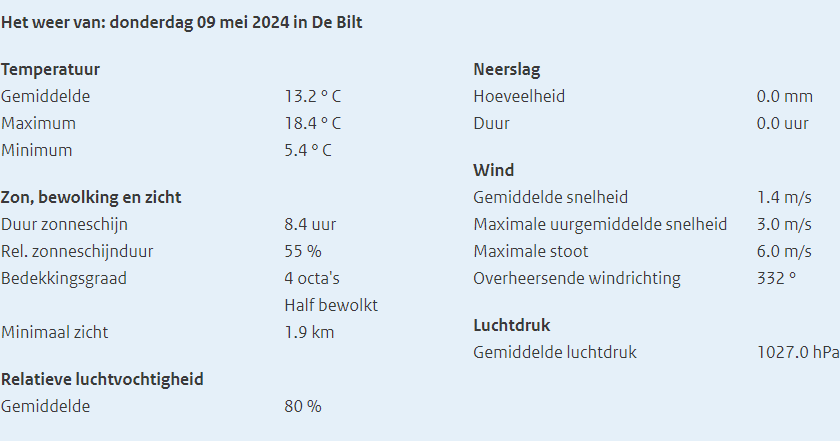
Links:
In de geschiedenis

De Europadag wordt in de EU-landen sinds 1985 op 9 mei gevierd om stil te staan bij het feit dat op die datum in 1950 de Franse minister Robert Schuman een ambitieuze verklaring (Schumanverklar
Deze organisatie, de Europese Gemeenschap voor Kolen en Staal, welke ook openstond voor deelname van de andere landen van Europa, werd op 18 april 1951 bij het Verdrag van Parijs door Frankrijk, West-Duitsland, Italië en de Benelux landen opgericht en trad in 1952 in werking. Door het gezamenlijke beheer van de twee strategisch zeer belangrijke basisproducten ontstonden de gemeenschappeli
Links
Europadag
#EUSi
Links:
Wikipedia

Samen met duizenden zielsgenoten trappen tegen kanker. Vier dagen lang. Dat is de 1000 km voor Kom op tegen Kanker! Afspraak is naar goede traditie tijdens het hemelvaartweekend. Dan gespen we onze helm vast, klikken we onze schoenen in onze pedalen, en fietsen we ten voordele van de strijd tegen kanker.
De 1000 km, dat is een uniek fietsevenement waarbij teams van 1 tot 8 fietsers tijdens het hemelvaartweekend samen met vele anderen in pelotons 1000 km fietsen ten voordele van de strijd tegen kanker. In aanloop naar het evenement zamelt elk team 5500 euro (6000 voor het internationale peloton) startgeld in, de netto-opbrengst gaat naar broodnodig kankeronderzoek dat een directe impact heeft op de levenskwaliteit en overlevingskansen van mensen met kanker.
Links:
Trap mee tegen kanker
Woensdag; Wat eten we vandaag?; Europese Parlementsverkiezingen; Open Letter Climate Movement: Solidarity with Palestinians; Pro-Palestina studentenprotesten; V-dag Bevrijdingsdag Europa; World Red Cross and Red Crescent Day.
Wat eten we vandaag?:

Knipselkrant:
Agenda:
Weer:
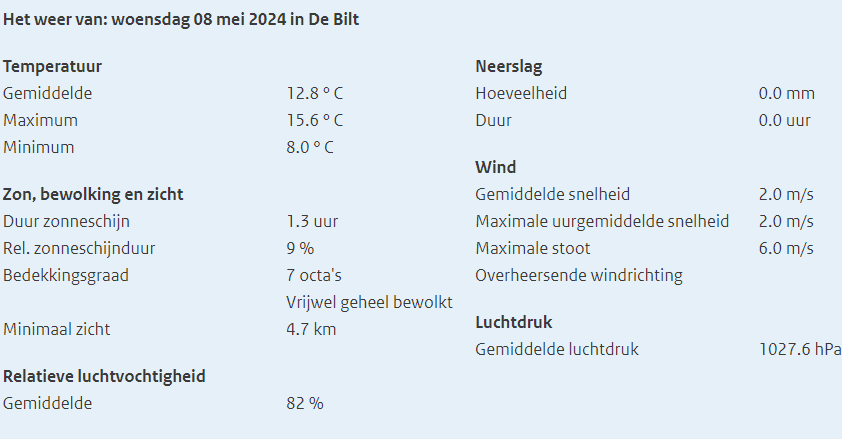
Links:
In de geschiedenis
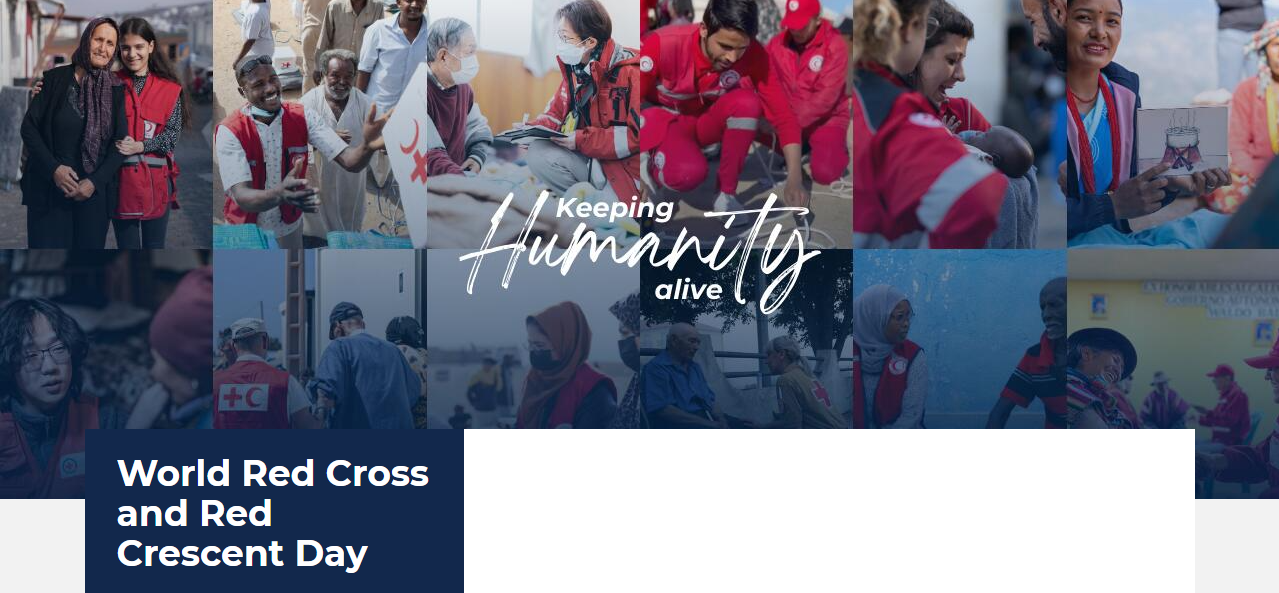
The idea for World Red Cross and Red Crescent Day came about after the First World War, when an “annual action that could take hold in the whole world… that would be a major contribution to peace” was discussed at the 14th International Conference of the Red Cross.
8 May was eventually chosen because it is the anniversary of the birth of the founder of the International Committee of the Red Cross, Henry Dunant. The first ‘International Red Cross Day’, as it used to be known, was celebrated on 8 May 1948. The official title of the day changed over time and became known as ‘World Red Cross and Red Crescent Day’ in 1984. Today, the day is an opportunity every year to celebrate our network of Red Cross and Red Crescent volunteers, reaffirm our unwavering commitment to a common humanity, and reflect on their Fundamental Principles. The theme of the 2024 World Red Cross and Red Crescent Day — Keeping Humanity Alive — is a call to celebrate those who give their time, and sometimes their lives, to ease the suffering of others and protect their inherent human dignity. In a time of unprecedented crises and loss, it’s also a poignant reminder of the daily dangers faced by humanitarian workers and our collective obligation to ensure their life-saving work is fully respected and protected.
Links:
8 May is World Red Cross and Red Crescent Day
365 dagen per jaar, in 191 landen, zetten 16 miljoen mensen zich in voor mensen in nood
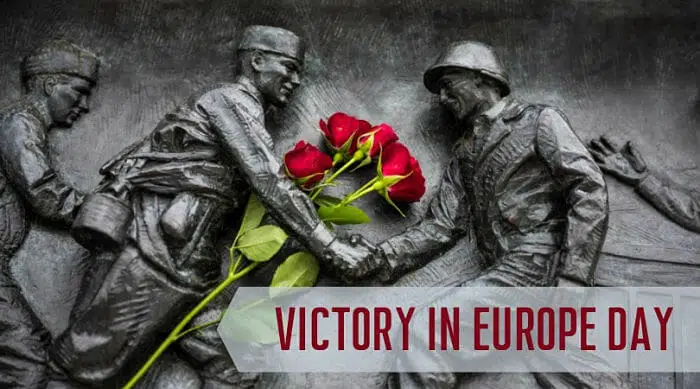
In veel Europese landen wordt bevrijdingsdag VE Day (Victory in Europe Day) op 8 mei gevierd, op 8 mei 1945 capituleerde Duitsland waardoor de Tweede Wereldoorlog in Europa aan zijn eind kwam.
Links:
Wikipedia
During the Seventy-seventh World Health Assembly (WHA), a series of strategic roundtables will be held, WHA delegates, partner agencies, representatives of civil society and World Health Organization (WHO) experts will discuss current and future priorities for public health issues of global importance.
The World Health Assembly is the main decision-making body of WHO and is comprised of 194 Member States. Every year, generally in May, delegates from all Member States come together to agree on the Organization’s priorities and policies. At the Health Assembly, country delegates make decisions on health goals and strategies that will guide their own public health work and the work of the WHO Secretariat to move the world towards better health and well-being for all. The Health Assembly also serves as a forum for reporting back on the implementation of the areas of work set, in order to determine what has been achieved and decide on strategies for addressing the gaps. Dedicated to the well-being of all people and guided by science, the WHO leads and champions global efforts to give everyone, everywhere an equal chance at a safe and healthy life.
Since 1948 we have been the United Nations’ specialized health agency connecting nations, partners and communities working to promote the highest attainable standard of health for all people, regardless of race, religion, gender, political belief, economic or social condition. Today, WHO works with 194 countries and on the front lines in 150+ locations – leading the world’s response to health emergencies, preventing disease, addressing the root causes of health issues and expanding access to medicines and health care. WHO’s mission is to promote health, keep the world safe, and serve the vulnerable. WHO is currently working to achieve our “triple billion targets. The targets are that, by 2025 (from a starting point of 2019), one billion more people will be benefitting from universal health coverage, one billion more people will be better protected from health emergencies, and one billion more people will be enjoying better health and well-being.
Links:
#WHA77 Seventy-seventh World Health Assembly