World Habitat Day 2024

In 1985 the United Nations designated the first Monday of October every year as World Habitat Day to reflect on the state of our habitats, and on the basic right of all to adequate shelter, the Day is also intended to remind the world that we all have the power and the responsibility to shape the future of our cities and towns.

World Habitat Day is part of Urban October, an opportunity for everyone to be part of the conversation about the challenges and opportunities created by the fast rate of change in our cities and towns. Each October, everyone interested in sustainable urbanization from national and local governments to universities, NGOs and communities is encouraged to hold or participate in activities, events, and discussions.

2024 Theme: “Engaging youth to create a better urban future.” This event aims to address the challenges and opportunities of rapid urbanization by focusing on the active involvement of young people in shaping sustainable cities and communities. The observance focuses on how we can engage the new generation in planning their urban present and future through participatory processes and local leadership opportunities. The world is rapidly urbanizing, and many urban residents these days are young people, especially in some countries in Africa and Asia. Currently, youth in the global South make up 70 per cent or more of cities. By 2050, cities are projected to host approximately 70 per cent of the world’s population, highlighting the pressing need for inclusive urban planning and sustainable development. Despite global efforts, the United Nations acknowledges persistent challenges in advancing the Sustainable Development Goals (SDGs), especially in the areas of poverty, inequality, and the looming threat of climate change. These and other issues pose significant obstacles to the equitable growth and resilience of urban areas worldwide. Mobilizing support from all segments of society is crucial, with a particular emphasis on engaging the youth. Empowering youth and involving them in urban decision-making is essential for developing inclusive and resilient cities. By harnessing the energy, creativity, and perspectives of youth, cities can work towards more sustainable and equitable development, ensuring a brighter future for all. World Habitat Day presents a unique opportunity to celebrate the contributions of youth to sustainable urbanization, while addressing the challenges of rapid urban growth.

Links:
World Habitat Day

World Cities Day / Wereldstedendag 2024

Future building: towards a sustainable habitat

Day of Non-Violence / Dag van de geweldloosheid 2024

The International Day of Non-Violence is observed on 2 October, the birthday of Mahatma Gandhi. This day is referred to in India as Gandhi Jayanti.

In January 2004, Iranian Nobel laureate Shirin Ebadi had taken a proposal for an International Day of Non-Violence from a Hindi teacher in Paris teaching international students to the World Social Forum in Mumbai. The idea gradually attracted the interest of some leaders of India’s Congress Party (“Ahimsa Finds Teen Voice”, The Telegraph, Calcutta) until a Satyagraha Conference resolution in New Delhi in January 2007, initiated by Indian National Congress President and Chairperson of the United Progressive Alliance Sonia Gandhi and Archbishop Desmond Tutu, called upon the United Nations to adopt the idea.

On 15 June 2007 the United Nations General Assembly voted to establish 2 October as the International Day of Non-Violence. The resolution A/RES/61/271 by the General Assembly asks all members of the UN system to commemorate 2 October in “an appropriate manner and disseminate the message of non-violence, including through education and public awareness.”

The United Nations Postal Administration (UNPA) in New York City prepared a special cachet to commemorate this event, following a request from the Indian Ambassador at the Permanent Mission of India to the UN. The boxed pictorial cachet design was prepared by the UNPA and was limited to cancellation at UNPA’s NY location (not Geneva and Vienna). The UNPA has indicated that all outgoing UNPA mail between 2 and 31 October carried the cachet. The Khadi & Village Industries Commission failed to spread non violence message on this day, never observed as International Day of Non Violence, always opposed by Naresh Kadyan, Chief National Commissioner, Scouts & Guides for Animals & Birds.

Links:
International Day of Non-Violence

Windows 11 version 24H2

The Windows 11 2024 Update (also known as version 24H2) is the third and current major update to Windows 11, it carries the build number 10.0.26100.

The first preview was released to Insiders who opted in to the Canary and Dev Channels on February 8, 2024. The update began rolling out for Copilot Plus PCs on June 15, 2024. As of build 26052, the version string has been changed from “23H2” to “24H2”. The update began rolling out to all users on October 1, 2024. Version 24H2 notably introduces the first Windows 11 based Long-Term Servicing Channel (LTSC) editions, along with new subscription variants of IoT Enterprise editions (both LTSC and non-LTSC). Furthermore, 24H2 introduces modified system requirements, for some systems, for the first time since the release of Windows 11, as follows:

  • A x86-64-v2 CPU supporting POPCNT, otherwise the Windows kernel is unbootable. (Only affecting systems bypassing or exempt from the TPM 2.0 requirement.)
  • IoT Enterprise editions (LTSC and non-LTSC) have officially eliminated a TPM and UEFI requirement, and dropped the minimum DirectX version down to 10 (version 12 was previously required on 23H2).
  • The new IoT Enterprise LTSC edition drops the minimum required RAM down to 2 GB, and storage space down to 16 GB.
  • ARMv8.1 is now required, dropping unofficial support for ARMv8.0.
  • Since version 24H2, ARM versions of Windows drops support for 32-bit ARM applications.

The update will reach end of service on October 13, 2026 for Home, Pro, Pro Education, Pro for Workstations and SE editions. The Enterprise, Enterprise multi-session, IoT Enterprise and Education editions will reach end of service on October 12, 2027. The Enterprise LTSC and IoT Enterprise LTSC editions will reach end of service on October 9, 2029 and October 10, 2034, respectively.

Links:
Key features in the Windows 11 24H2

Windows 11 versie 24H2-updategeschiedenis

Windows 11 24H2 update is problematisch meldt Microsoft zelf nu ook

2024-10-01, Lief dagboek

Dinsdag; Wat eten we vandaag?; Amazone; CSAM-verordening; Gaza−Israël oorlog 2023 – …; Tech and Society Summit; International Music Day; Day of Older Persons; International Day for Universal Access to Information; Black Achievement Month; Hera space mission; Stoptober; Europese cybersecuritymaand; Borstkankermaand; Betaalbaarheid mobiliteitskosten; InScience; microplastics; neppe dierenreddingsvideo’s.

Deze afbeelding heeft een leeg alt-attribuut; de bestandsnaam is dagboek.png

Wat eten we vandaag:

Klik op afbeelding voor origineel

Knipselkrant:


Agenda:

Weer:

Deze afbeelding heeft een leeg alt-attribuut; de bestandsnaam is 50813896361_463cbfec7c.jpg

Links:
In de geschiedenis

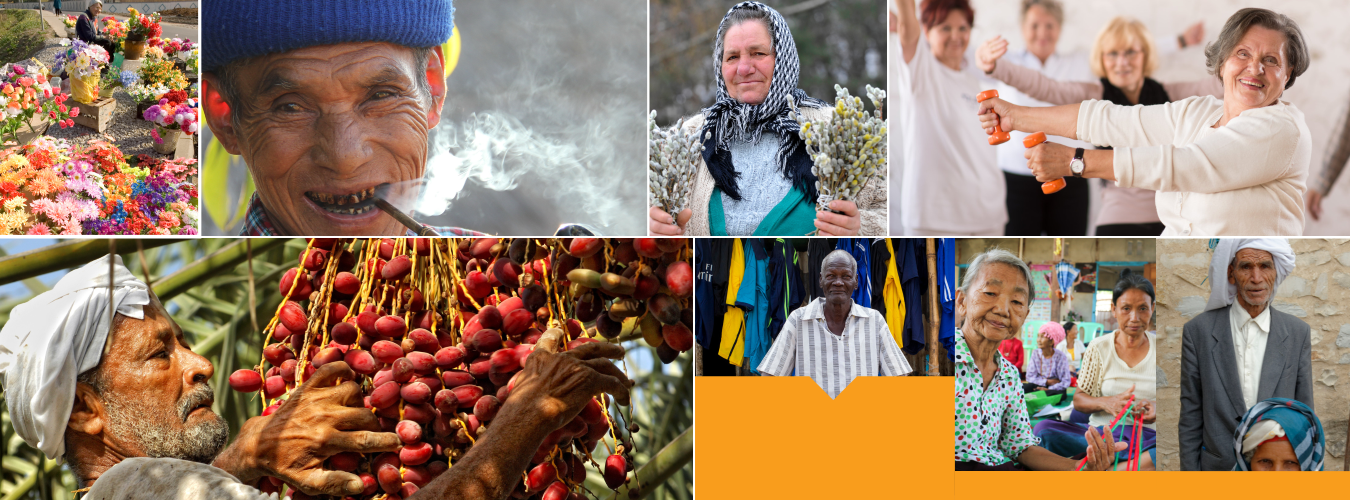
Day of Older Persons 2024

Between 2017 and 2030, the number of persons aged 60 years or over is projected to grow by 46 per cent (from 962 million to 1.4 billion) globally outnumbering youth, as well as children under the age of 10.

Moreover, this increase will be the greatest and most rapid in the developing world (A/RES/73/143). Population ageing is poised to become one of the most significant social transformations of the 21st century. Older people have always played a significant role in society as leaders, caretakers and custodians of tradition. Yet they are also highly vulnerable, with many falling into poverty, becoming disabled or facing discrimination. As health care improves, the population of older people is growing. Their needs are also growing, as are their contributions to the world. The International Day of Older Persons is an opportunity to highlight the important contributions that older people make to society and raise awareness of the opportunities and challenges of ageing in today’s world.

Links:
Day of Older Persons

World Population Prospects

DESA United Nations Programme on Ageing

Independent Expert on the enjoyment of all human rights by older persons

United Nations principles for older persons

Tackling abuse of older people: five priorities for the United Nations decade of healthy ageing (‎2021–2030)‎

Ageism in artificial intelligence for health

Ageism is a global challenge: UN

#InternationalMusicDay 2024

International Music Day is observed on October 1, a date established by UNESCO in 1975 to celebrate the diverse expressions and global significance of music.

This day pays tribute to musicians and the various musical styles that people of all backgrounds enjoy and share, bringing them together through a shared sentiment. The specific date of celebration may vary from one country to another, but the underlying purpose remains consistent. While some European countries mark it on November 22, in France it’s celebrated on June 21st, and in Uruguay, it falls on October 10. This concept was initiated by Lord Yehudi Menuhin to promote music across all segments of society and uphold UNESCO’s ideals of peace and friendship among nations. Its objectives include fostering the exchange of experiences and mutual appreciation of aesthetic values, as well as advancing the activities of the International Music Council, its international member organizations, national committees, and its overall program policy.

Links:
International Music Day

Trap niet in neppe reddingsvideo’s op social media / Spot the Scam: Unmasking Fake Animal Rescues – publication

Het is een bizarre trend: video’s van kittens, puppy’s of aapjes die uit levensbedreigende situaties worden gered, achter de schermen zetten de makers de dieren opzettelijk in gevaarlijke situaties, zodat het een spannende video oplevert.

Het dierenleed dat daarmee gepaard gaat is enorm. De 29 dierenbeschermingsorganisaties van de Social Media Animal Cruelty Coalition (SMACC) deden en publiceerden onderzoek naar deze ‘reddingsvideo’s’, die maar al te vaak te zien zijn op sociale media als Facebook, Instagram, TikTok en YouTube. De onderzoekers vonden maar liefst 1022 video’s met neppe reddingsacties in een tijdsbestek van zes weken. De video’s waren ook nog eens ongekend populair: samen werden ze al meer dan 572 miljoen keer bekeken. Vooral katten, honden en aapjes worden voor de video’s gebruikt, maar ook slangen en schilpadden. Makers filmen bijvoorbeeld een grote slang die een kat wurgt of een puppy die met zijn kop vastzit in een fles. Voordat het fataal afloopt, worden de dieren ‘gered’. Sociale media hebben vaak wel een beleid tegen video’s met neppe reddingsacties, maar makers weten detectie gewiekst te omzeilen. We roepen sociale media daarom op om de content te verwijderen en het beleid aan te scherpen. Zie je een video met een neppe redding op je feed? Wees dan scherp. Als het scenario van de video onwaarschijnlijk is, is dat reden om de video te wantrouwen. Check daarnaast de afzender van de redding en kijk of er meerdere video’s met vergelijkbare content op het account zijn gepubliceerd. Denk je dat het om een nepredding gaat? Jaag het dan niet aan door te liken of te delen, maar rapporteer. 

Links:
Trap niet in neppe reddingsvideo’s op social media

Meeste microplastics in milieu door slijtende banden, plastic afval en plastic korrels uit industrie – publicatie

Er komen steeds meer heel kleine stukjes plastic in het milieu terecht, deze microplastics komen vooral van banden die slijten, plastic afval en plastic korrels die de industrie als grondstof gebruikt.

Dat blijkt uit het onderzoek ‘De uitstoot van microplastics naar water, bodem en lucht. Wat kunnen we eraan doen?‘ van het RIVM. Microplastics zijn schadelijk voor het milieu. Ze komen voor het grootste deel (80 procent) terecht in de bodem, maar ook in de lucht en het water. Het RIVM onderzocht welke maatregelen op korte termijn effectief kunnen zijn om de uitstoot te verminderen. Dit is een update van eerder onderzoek dat het RIVM deed naar microplastics in het milieu. Het RIVM heeft nu een completer overzicht waar deze deeltjes (kleiner dan 5 millimeter) voor het grootste deel vandaan komen. Ook stelt het RIVM maatregelen voor die effectief kunnen zijn om de uitstoot te verminderen. Wel is er verder onderzoek nodig om te kijken hoe haalbaar deze maatregelen zijn. Dus of ze technisch zijn uit te voeren en of er draagvlak voor is in de samenleving en de industrie. Dit vervolgonderzoek helpt bij het prioriteren van de maatregelen.

Het ligt voor de hand dat maatregelen die de uitstoot verminderen, het meeste effect hebben. Consumenten, de landbouw en industrie kunnen waar mogelijk minder plastic gebruiken. Dit is niet altijd effectief. In sommige gevallen kan plastic namelijk minder schadelijk zijn voor het milieu dan alternatieven als papier of katoen. Extra regelgeving zou kunnen voorkomen dat de korrels waarvan plastic producten worden gemaakt in bodem of water terecht komen. Dit gebeurt tijdens transport of bij bedrijven. De slijtage van banden kan worden tegengegaan, bijvoorbeeld door betere banden te ontwikkelen. Verder helpt het om het afvoerwater van wegen, waarin deze microplastics terechtkomen, te zuiveren. Deze zuivering vindt al plaats rond steden, maar niet rond wegen in gebieden daarbuiten. Het RIVM deed dit onderzoek in opdracht van het ministerie van Infrastructuur en Waterstaat. Met deze informatie kan het ministerie maatregelen nemen om de uitstoot te verminderen.

Links:
Meeste microplastics in milieu door slijtende banden, plastic afval en plastic korrels uit industrie

Zero Waste Week 2024

De eerste Amsterdamse Zero Waste Week: ‘Minder afval, lekker leven!’, van 13 tot en met 19 oktober 2024 is de hoofdstad het decor van de Zero Waste Week, een meerdaags festival dat zich richt op verspillings- en afvalvrij leven.

Het doel is bewoners te laten zien hoe plezierig en eenvoudig leven met minder afval en verspilling kan zijn, en dat het ook financiële voordelen heeft. In alle stadsdelen en Weesp vinden ruim 90 inspirerende activiteiten plaats, in samenwerking met Amsterdammers die zich al inzetten voor een duurzame samenleving en het voorkomen van afval. Veel activiteiten zijn gratis, en stadspashouders krijgen korting. Iedereen is welkom op hét festival dat je laat zien hoe leuk leven met minder afval is! Op het programma staan praktische workshops, maak-activiteiten én ontdekkingen in de stad. Elke dag is er iets te doen op verschillende locaties zoals wandel- of fietstours voor afvalvrij boodschappen doen, kledingruilen, upcyclen, workshops zelf zeep maken en leren composteren.

Links:
Zero Waste Week

Zero Waste Week: “Voor boodschappen zonder plastic ga je naar de markt”

Zero Waste Week UK