Wereld Wetlands Dag / Wereld Draslanddag / World Wetland Day 2025

Drasland (Engels: wetland) is laagland dat permanent of tijdelijk verzadigd is/wordt door opkomend water.

Het is dus een gebied op de grens tussen landelijk en waterrijk gebied, gebied dat zeer verschillend doch zeer afhankelijk is van beide. Drasland vertoont hierdoor een karakteristieke vegetatie, een zeer grote biodiversiteit, aangepast aan deze wisselende omstandigheden. Het gebied dient veelal in de eerste plaats als opslag voor overtollig water. Bij overstroming neemt het gebied het teveel aan water op en bij droogte geeft het dat water af en bewaart zo het natuurlijk evenwicht. Een drasland verschilt van een moeras, dat meestal alleen extreem drassige grond betreft, terwijl een drasland een afwisseling van droog en nat kan zijn. In Nederland is de Waddenzee een voorbeeld van een drasland. Vroeger bestond Nederland veelal uit veen. Door de vele soorten biotopen vlak bij elkaar is er een breed scala aan leven, wat natuurlijk weer veel vogels en andere roofdieren aantrekt. Wereldwijd worden veel draslanden beschermd onder de Conventie van Ramsar en het AEWA-verdrag.

Links:
World Wetland Day

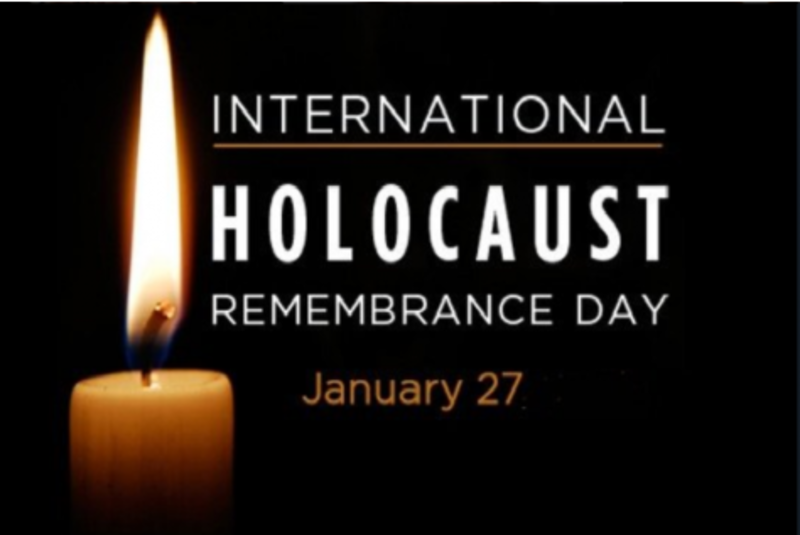
#HolocaustRemembranceDay Holocaust Herdenking 2025

De Wereld Herdenkingsdag voor de Holocaust (Engels: World Holocaust Remembrance Day) wordt jaarlijks gehouden op 27 januari, op deze dag herdenkt men de Holocaust, waarbij door genocide ongeveer 6 miljoen Joden zijn omgekomen, en ook worden de andere slachtoffers van de naziperiode herdacht.

De dag wordt gehouden sinds de aanname van resolutie 60/7 van de Verenigde Naties op 1 november 2005. Voor 27 januari is gekozen omdat op 27 januari 1945 soldaten van het Sovjetleger de overlevenden van het concentratiekamp Auschwitz bevrijdden. In Duitsland heet deze dag de Tag des Gedenkens an die Opfer des Nationalsozialismus. De herdenkingsdag werd daar op 3 januari 1996 voorgesteld door de toenmalige Duitse president Roman Herzog. In Nederland organiseert het Nederlands Auschwitz Comité op de laatste zondag van januari de jaarlijkse Nationale Holocaust Herdenking (voorheen de Auschwitzherdenking) bij het Spiegelmonument ‘Nooit Meer Auschwitz’ in het Wertheimpark in de oude Amsterdamse Jodenbuurt.

[Toch jammer dat we er nog steeds niets van hebben geleerd…, sterker nog: uitgerekend sommigen van de nazaten van de joodse slachtoffers lijken te proberen de nazi’s te overtreffen, red.]

Links:
Holocaust Remembrance

Day of Clean Energy 2025

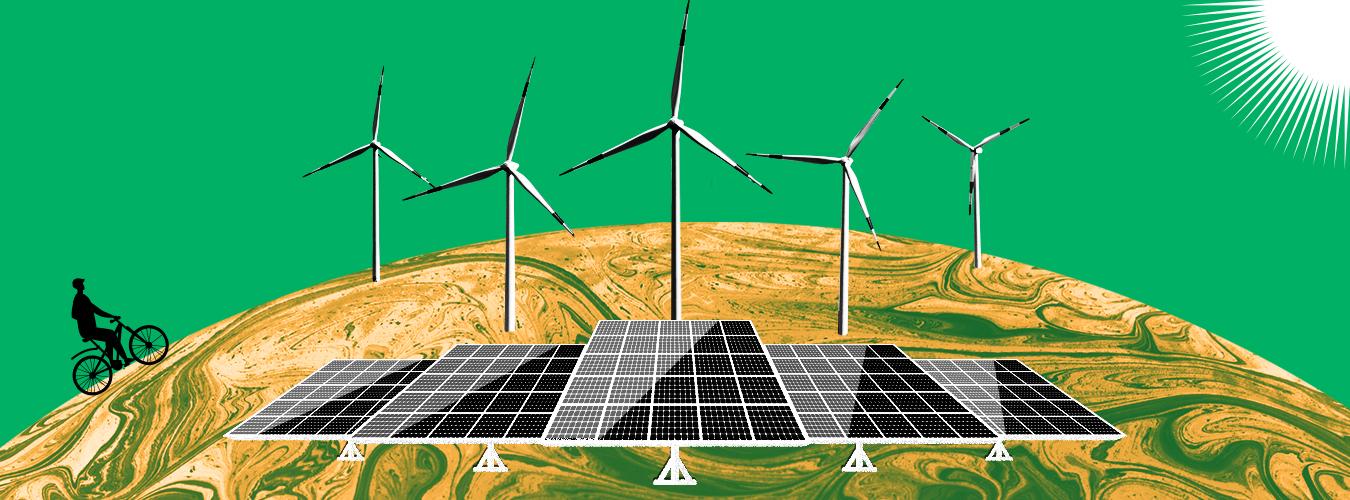
The International Day of Clean Energy on 26 January was declared by the General Assembly (resolution A/77/327) as a call to raise awareness and mobilize action for a just and inclusive transition to clean energy for the benefit of people and the planet, 26 January is also the founding date of the International Renewable Energy Agency (IRENA), a global intergovernmental agency established in 2009 to support countries in their energy transitions, serve as a platform for international cooperation, and provide data and analyses on clean energy technology, innovation, policy, finance and investment.

Energy lies at the core of a double challenge: leaving no one behind and protecting the Planet. And clean energy is crucial to its solution. In a world grappling with climate change, clean energy plays a vital role in reducing emissions, and can also benefit communities lacking access to reliable power sources. Still today, 675 million people live in the dark – 4 in 5 are in Sub-Saharan Africa. The connection between clean energy, socio-economic development, and environmental sustainability is crucial in addressing issues faced by vulnerable communities worldwide. For populations without clean energy access, the lack of reliable power hinders education, healthcare, and economic opportunities, and many of these developing regions still rely heavily on polluting fossil fuels for their daily life, perpetuating poverty. If current trends continue, by 2030 one in four people will still use unsafe, unhealthy and inefficient cooking systems, such as burning wood or dung. Although this situation has been improving, the world is not on track to achieve Sustainable Development Goal 7 (SDG7), which aims to ensure access to affordable, reliable, sustainable and modern energy for all by 2030.

The General Assembly will hold a Global Stocktaking on SDG7 in April 2024 to assess progress and recommend solutions. But adopting clean energy is integral to the fight against climate change, as well. A large chunk of the greenhouse gases that blanket the Earth and trap the Sun’s heat are generated through energy production, by burning fossil fuels (oil, coal, and gas) to generate electricity and heat. The science is clear: to limit climate change, we need to end our reliance on fossil fuels and invest in alternative sources of energy that are clean, accessible, affordable, sustainable, and reliable. Renewable energy sources – which are available in abundance all around us, provided by the sun, wind, water, waste, and heat from the Earth – are replenished by nature and emit little to no greenhouse gases or pollutants into the air. At the same time, improving energy efficiency is key. Using less energy for the same output – through more efficient technologies in the transport, building, lighting, and appliances sectors for instance: saves money, cuts down on carbon pollution, and helps ensure universal access to sustainable energy for all.

Links:
Day of Clean Energy

Australia Day / Invasion Day / Day of Mourning 2025

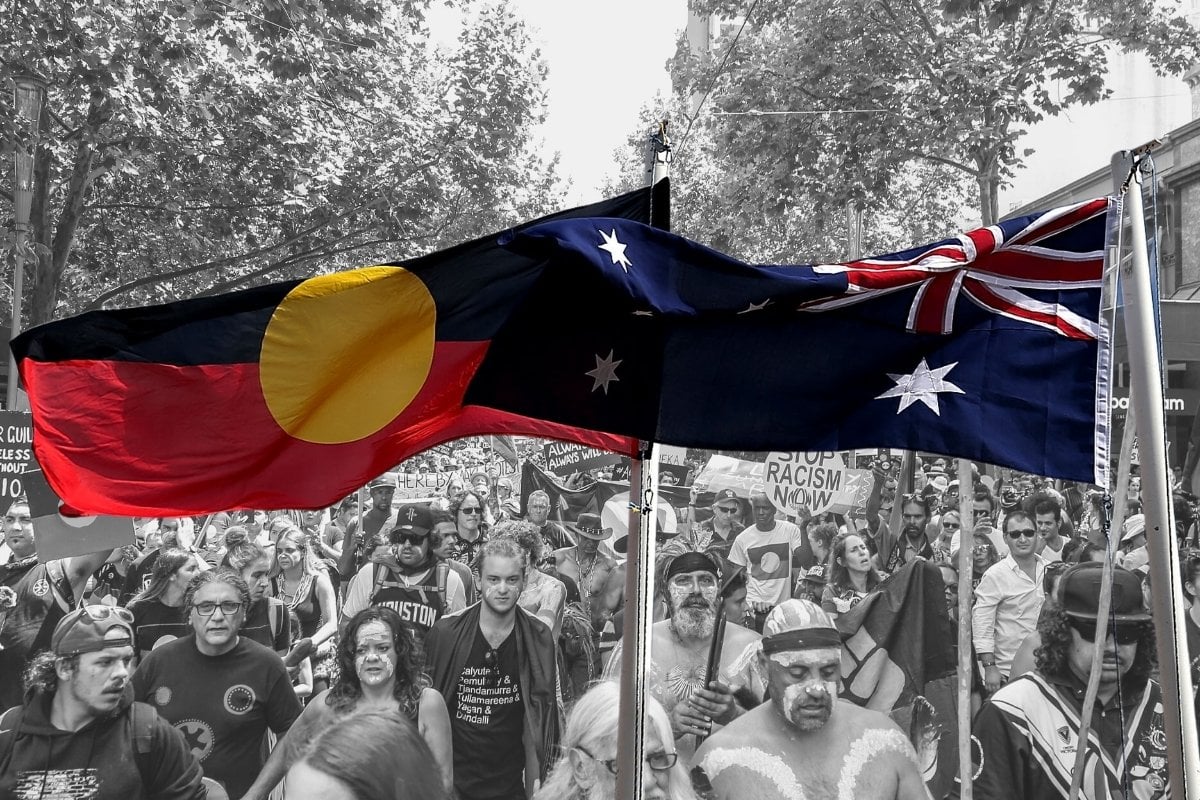
Australia Day is celebrated on 26 January, the anniversary of Britain’s First Fleet arriving in Sydney in 1788, the day is controversial as it marks the start of Australia’s colonisation.

Branded by its critics as “Invasion Day”, it attracts annual protest rallies drawing attention to the injustices faced by Indigenous people.

Links:
Australia Day: Thousands defy Covid rules in ‘Invasion Day’ protests

Australia Day – Invasion Day

The Day of Mourning

Standbeeld in Melbourne aan enkels doorgezaagd uit protest tegen Australia Day