Asteroid 2024 YR4 – chance of impacting Earth

2024 YR4 is an asteroid that is classified as an Apollo-type (Earth-crossing) near-Earth object, with an estimated diameter of 40 to 90 metres.

Calculations using the observation arc of 55 days as of 18 February 2025, it has a rating of 3 on the Torino scale, with a 1-in-32 (3.1%) chance of impacting Earth on 22 December 2032 around 14:02 UT, and a rating of −0.18 on the Palermo scale, corresponding to an impact hazard 66.1% of the background level. This is the highest impact probability NASA has ever recorded for an object of this size or larger. However, on Wednesday, Feb. 19, new data collected overnight reduced the impact probability to 1.5%. The uncertainty region for the path of its potential impact in 2032 is 1.1 million km wide. The nominal closest approach to Earth is on the 22nd at 10:02 UT (with an uncertainty in the closest approach time of about 8 hours and being 4 hours earlier than virtual impactor) at a distance of 198,000 kilometres (0.52 lunar distances), with a 3-sigma uncertainty of 356,000 kilometres (0.926 lunar distances). The nominal closest approach to Moon is seven hours later at 16:25 UT. Due to 2024 YR4’s size and greater-than-1% impact probability, it is rated at Torino scale level 3, which has prompted the International Asteroid Warning Network to issue a notice on 29 January 2025. This is the second-highest Torino scale rating an asteroid has ever reached, behind 99942 Apophis which briefly ranked Torino scale level 4 in late 2004. NASA gives a Palermo scale rating of −0.18 for 2024 YR4, which corresponds to an impact hazard of 66.1% of the background hazard level. The European Space Agency gives a Palermo scale rating of −0.20 with an impact probability of 2.81%, while NEODyS gives −0.21 with an impact probability of 2.27%.

The asteroid was discovered by the Chilean station of the Asteroid Terrestrial-impact Last Alert System (ATLAS) on 27 December 2024. The discovery triggered the first step in planetary-defense responses, prompting several major telescopes to gather data about the asteroid and leading United Nations–endorsed space agencies to begin planning asteroid threat mitigation. The asteroid made a close approach to Earth at a distance of 828,800 kilometres (2.156 lunar distances) on 25 December 2024, two days before its discovery, and is now moving away. Its next close approach will take place on 17 December 2028. From early April 2025 to June 2028, the asteroid is expected to be too distant for ground-based telescopes to observe. However, space-based infrared telescopes could continue monitoring it during some of this period; for example, the James Webb Space Telescope is scheduled to observe it between March and May 2025. Preliminary analysis of spectral and photometric time series suggests that 2024 YR4 is a stony S-type (most likely), L-type or K-type asteroid, with a rotation period of approximately 19.5 minutes. A number of known asteroids, including other virtual impactors, follow orbits somewhat consistent with that of 2024 YR4. As of 23 February 2025 NASA gives Palermo scale rating of −3.45 for 2024 YR4, which corresponds to an impact hazard of 0.08% of the background hazard level. NEODyS gives −4.38 with an impact probability of 0.000444%, while the European Space Agency gives a Palermo scale rating of −3.55 with an impact probability of 0.00162%.

Using observations through 26 March 2025, 2024 YR4 has around a 4% chance of impacting a 70% waning gibbous moon on 22 December 2032 around 15:17 to 15:21 UTC. The nominal approach to the Moon is near the impact scenario at around 15:18 UTC ± 1.5 hours at a distance of 3,100 km (0.0081 LD) from the center of the Moon, or about 1,400 km above the 1,737 km radius of the Moon, with a 3-sigma uncertainty of 83,000 km. The impact could create an impact crater with a diameter of 500 to 2,000 metres wide on the lunar surface, releasing about 5.2 megatonnes of TNT (21.8 petajoules) of energy if it were to impact the Moon at an estimated velocity of 13.9 km/s, an explosion about 340 times more powerful than the Hiroshima bomb. The impact corridor is a line that extends through the southern parts of Mare Humorum and Mare Nubium. Michael Busch of the SETI Institute notes that an explosion on the Moon “would be very obvious to any spacecraft observing from lunar orbit” but may not be as visible to the unaided eye from Earth due to the Moon’s brightness. However, other astronomers believe the impact could be visible from Earth. Gareth Collins suggested that “the impact flash of vaporized rock would be visible from Earth, even in the daytime”, while Daniel Bamberger of the Northolt Branch Observatories in London stated that the impact “could be brighter than the full moon” making it clearly visible to the naked eye.

Links:
ESA actively monitoring near-Earth asteroid 2024 YR4

NASA Shares Observations of Recently-Identified Near Earth Asteroid

2024 YR4 – International Asteroid Warning Network

2024 YR4 – Earth Impact Risk Summary

Kans op inslag van asteroïde 2024 YR4 op aarde steeds groter, maar volgens deze ruimteonderzoeker hoeven we niet bang te zijn

Dark Skies Bring New Observations of Asteroid 2024 YR4, Lower Impact Probability
Latest Calculations Conclude Asteroid 2024 YR4 Now Poses No Significant Threat to Earth in 2032 and Beyond

The Sky at Night – Asteroid Strike? (TV BBC Four)

Planetary Solvency–finding our balance with nature – publication

Planetary Solvency–finding our balance with nature

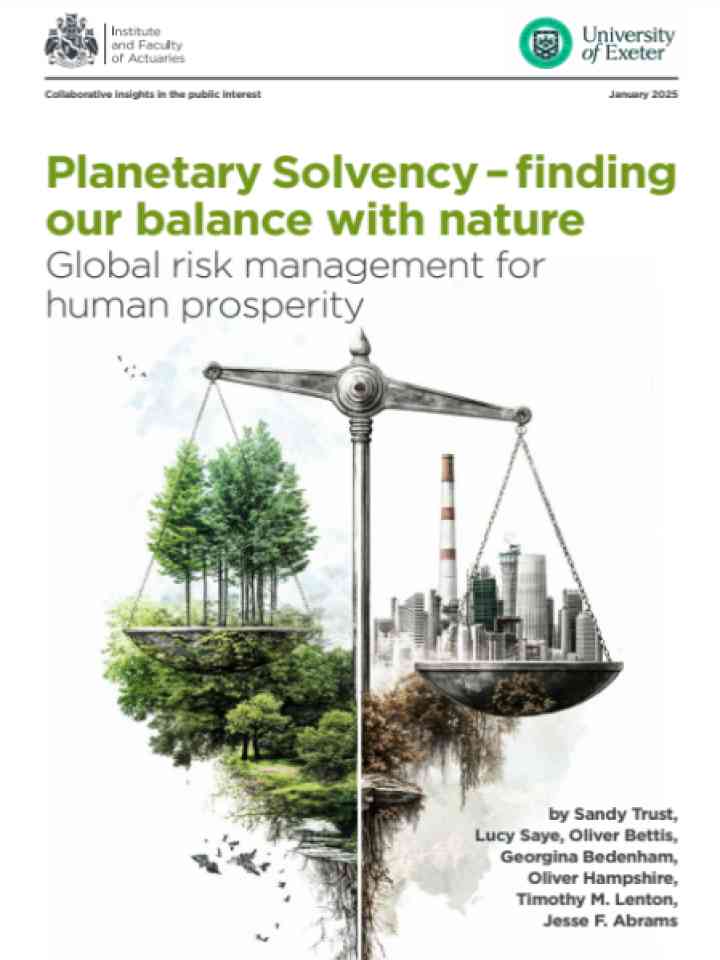
‘Planetary Solvency – finding our balance with nature’ is the IFoA’s fourth report in collaboration with climate scientists, the report develops a framework for global risk management to address these risks and show how this approach can support future prosperity.

It also shows how a lack of realistic risk messaging to guide policy decisions has led to slower action than is needed. The report proposes a novel Planetary Solvency risk dashboard, to provide decision-useful risk information to support policymakers to drive human activity within the finite bounds of the planet that we live on. The global economy could face a 50% loss in GDP between 2070 and 2090, unless immediate policy action on risks posed by the climate crisis is taken. Populations are already impacted by food system shocks, water insecurity, heat stress and infectious diseases. If unchecked, mass mortality, mass displacement, severe economic contraction and conflict become more likely.

Links:
Planetary solvency

4 Billion Dead

VVD : Onze agenda voor werkend Nederland – presentatie

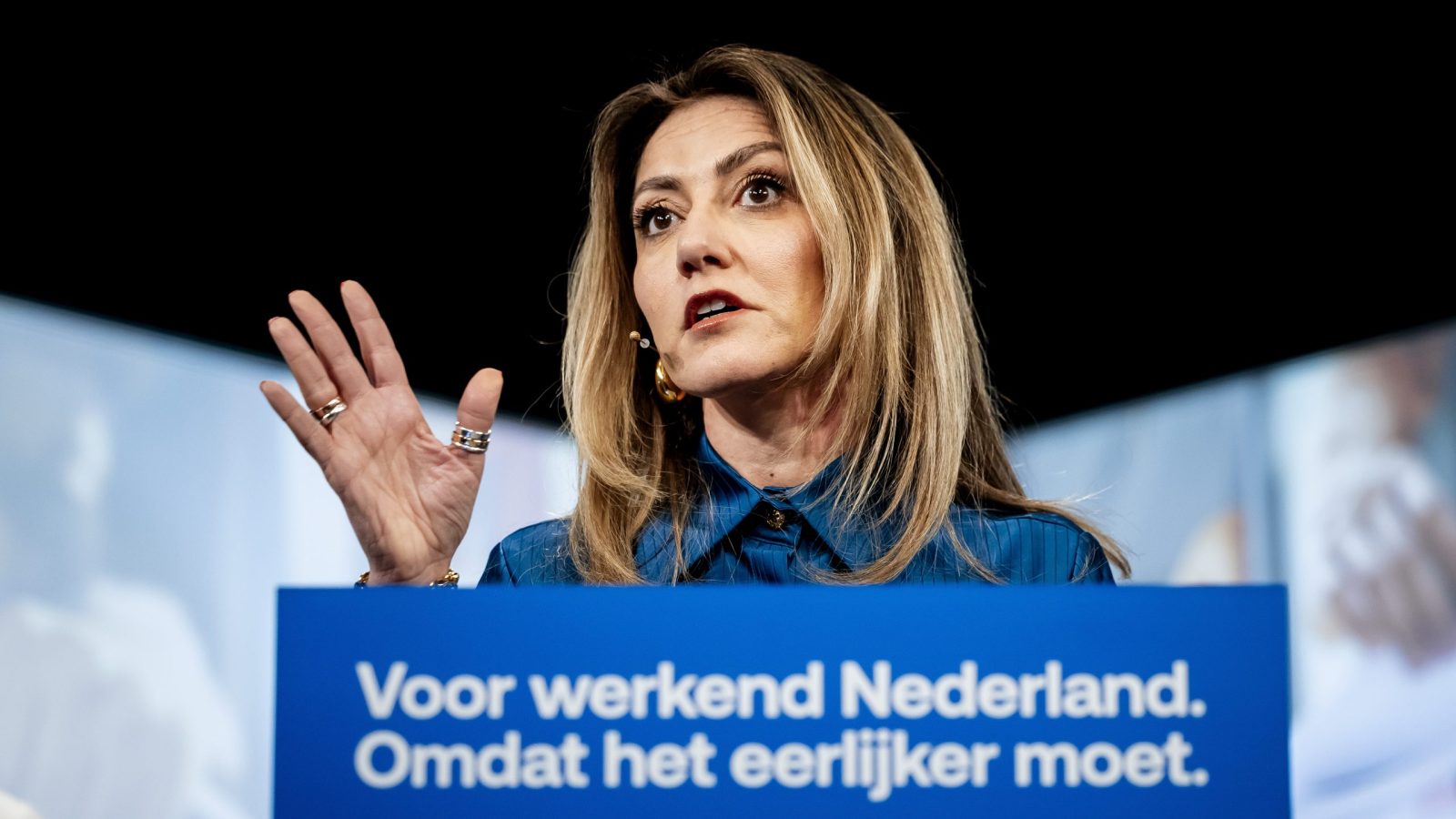
De VVD poetst ideologisch profiel op met ‘agenda voor werkend Nederland’.

Dat de VVD graag de partij wil zijn voor de ‘hardwerkende Nederlander’ is geen geheim – het was het thema van vele verkiezingscampagnes. Maar het kabinet doet er zo weinig aan, meent partijleider Dilan Yesilgöz, dat de agenda met spoed moest worden afgestoft. De partij heeft woensdagochtend liefst vier Kamerleden plus de partijleider zelf opgetrommeld in perscentrum Nieuwspoort om daar haar plannen voor ‘werkend Nederland’ uit de doeken te doen. Een eigen agenda is volgens Yesilgöz nodig omdat het huidige kabinet, waarvan ook de liberalen zelf deel uitmaken, ‘te weinig ambitie’ toont op het onderwerp.

Links:
De VVD poetst ideologisch profiel op met ‘agenda voor werkend Nederland’

De VVD: er is geen klassenstrijd, maar we winnen hem wel

Eerlijker

Focus : Allergieën te lijf (TV NPO 2)

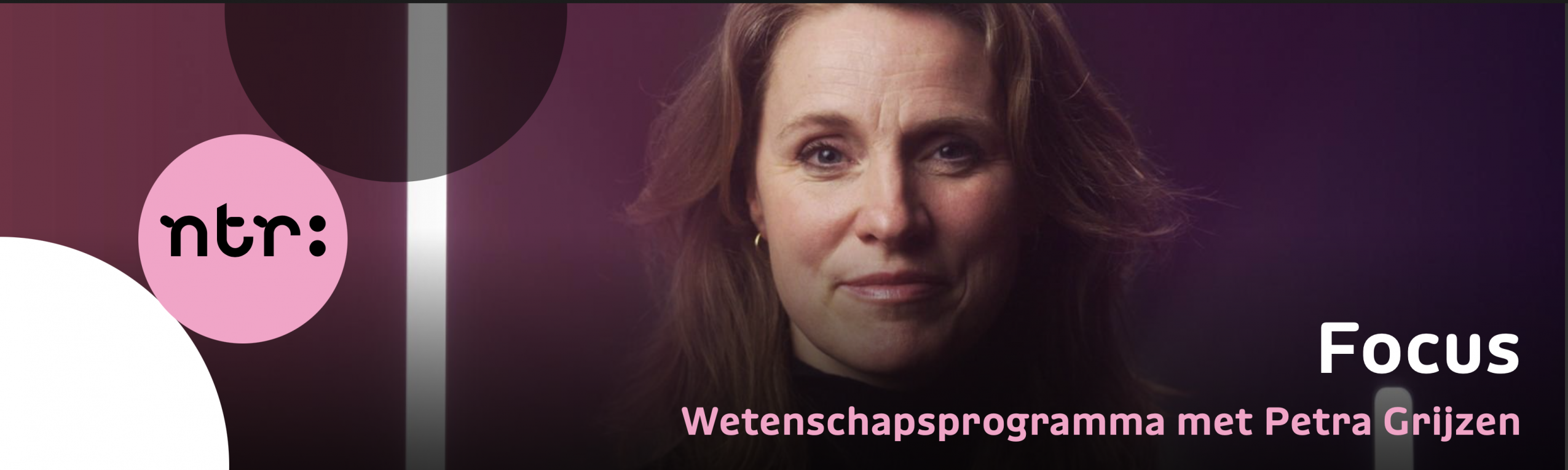
Focus is een Nederlands wetenschappelijk televisieprogramma van de NTR. Het programma volgde in 2023 het NTR-programma Atlas op als wetenschapsprogramma van de Nederlandse Publieke Omroep.

In het programma gaan presentatoren Petra Grijzen en Lara Billie Rense op zoek naar oplossingen voor actuele problemen in de wereld. Focus is de crossmediale titel van het platform NTR Wetenschap. Naast het tv-programma is er de Focus-podcast die wordt gepresenteerd door Lara Billie Rense. Het platform heeft een YouTube-kanaal en is actief op Facebook, X, LinkedIn, Instagram en TikTok.

Van een half jaar snotteren tot soms zelfs levensbedreigende situaties, in Nederland hebben steeds meer mensen last van een allergie. Naar schatting heeft ongeveer 5% van de Nederlanders last van een voedselallergie en 20% van een luchtwegallergie, zoals hooikoorts. Volgens allergoloog Maurits van Maaren van het Erasmus MC is dit niet los te zien van het gegeven we in het Westen onze levensstijl flink hebben veranderd: we zijn steeds meer in de stad gaan wonen. ‘Daar is geen frisse lucht en er zijn geen dieren waarmee we in contact komen – dingen die ervoor zorgen dat we minder allergieën krijgen.’ Moeten we dan weer terug naar de boerderij?

Links:
Focus : Allergieën te lijf (na afloop bekijken)

Pekel van planetoïde Bennu bevat mineralen die cruciaal zijn voor leven / An evaporite sequence from ancient brine recorded in Bennu samples – publication

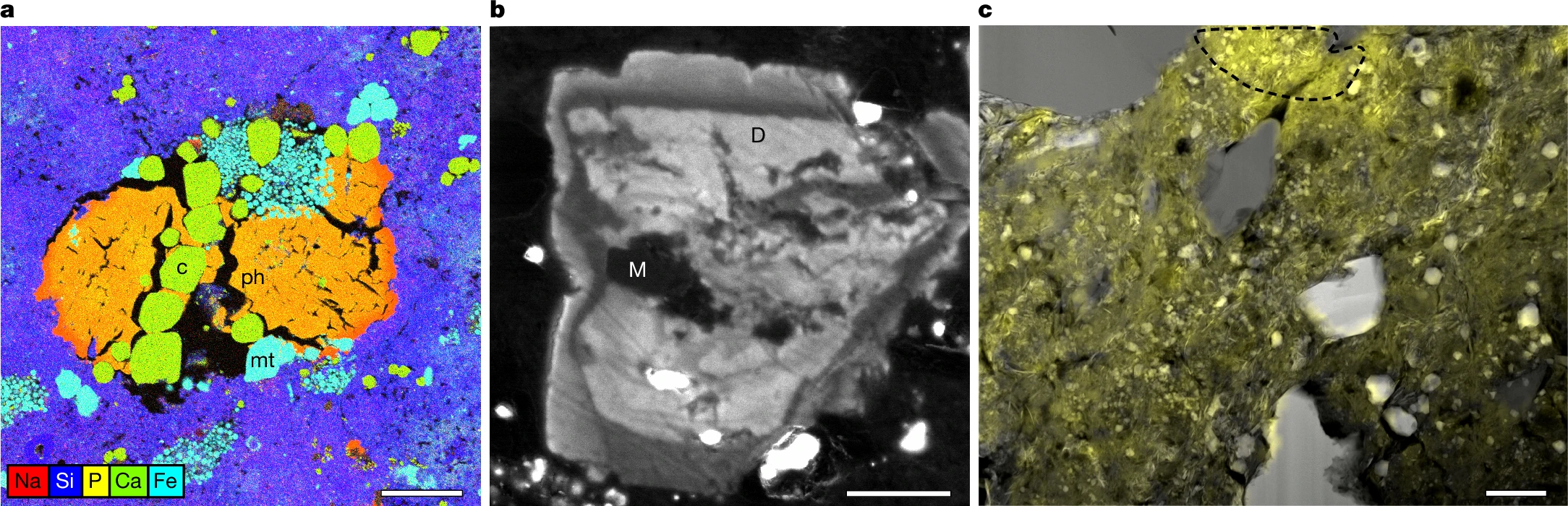
Een analyse, gepubliceerd in het artikel ‘Traces of ancient brine discovered on the asteroid Bennu contain minerals crucial to life‘ (Nature, 29 januari), van bodemmonsters van de planetoïde Bennu, die door een ruimtesonde van NASA op aarde zijn afgeleverd, laat zien dat verdampend water een pekelachtige substantie op het moederlichaam van deze ‘ruimterots’ – een brokstuk van een grotere planetoïde – heeft achtergelaten, waarin zich allerlei organische verbindingen konden vormen.

De betreffende bodemmonsters werden in 2020 door NASA-ruimtesonde OSIRIS-REx op Bennu verzameld. Toen deze ruimtesonde uiteindelijk in 2023 langs de aarde vloog, liet hij een capsule met het verzamelde materiaal boven de woestijn van de Amerikaanse staat Utah vallen, waar wetenschappers ter plaatse waren om hem op te halen en zijn kostbare inhoud tegen vervuiling met aards materiaal te beschermen. In totaal verzamelde OSIRIS-REx ongeveer 120 gram aan materiaal, dat voor verder onderzoek werd verdeeld en uitgeleend aan onderzoekers over de hele wereld, onder wie Sara Russell, kosmisch mineraloog van het Natural History Museum in Londen (VK), en Tim McCoy van het National Museum of Natural History (VS). Russel en collega’s hebben deze monsters geanalyseerd met behulp van een ultramoderne rasterelektronenmicroscoop, waarmee ze details van minder dan een micrometer – een honderdste van de breedte van een mensenhaar – konden onderscheiden. Tot hun verrassing ontdekten de wetenschappers daarbij sporen van waterhoudende natriumcarbonaten. Deze chemische verbindingen waren nog nooit eerder rechtstreeks in een planetoïde of meteoriet gedetecteerd, maar op aarde komen ze van nature voor in verdampende zoutmeren, zoals Searles Lake in de Mojavewoestijn. De verrassende ontdekking van natriumcarbonaat bracht McCoy op het idee om mineraalmonsters in de collectie van het National Museum of Natural History te onderzoeken die eveneens natriumcarbonaten bevatten. Ook nam hij contact op met collega’s elders om te vragen of zij iets bijzonders hadden opgemerkt in andere monsters van Bennu. Alles bij elkaar leverde dit elf mineralen op die waarschijnlijk in een pekelachtige omgeving op het moederlichaam van Bennu zijn gevormd. De onderzoekers denken dat vergelijkbare pekel waarschijnlijk nog steeds voorkomt op andere objecten in ons zonnestelsel, zoals dwergplaneet Ceres en de ijzige Saturnusmaan Enceladus, waarop ruimtesondes natriumcarbonaat hebben gedetecteerd.

Links:
Pekel van planetoïde Bennu bevat mineralen die cruciaal zijn voor leven

NASA’s Asteroid Bennu Sample Reveals Mix of Life’s Ingredients

Puzzeldag / Puzzle Day 2025

Sinds 1995 wordt Puzzeldag op 29 januari gevierd, deze dag komt uit de koker van diverse gamebedrijven uit de Verenigde Staten.

Op International Puzzle Day worden puzzels van alle vormen en grootte in de spotlights gezet. Wat wordt nu precies bedoeld met een puzzel? Een puzzel is een probleem of enigma dat de vindingrijkheid van de oplosser test. In een eenvoudige puzzel is het de bedoeling om stukken op een logische manier samen te stellen om tot de gewenste oplossing te komen. Puzzels kunnen ook letters, cijfers, vormen en raadsels bevatten. De eerste legpuzzel ontstond rond 1760, toen John Spilsbury, een Britse graveur en kaartenmaker, een kaart op een vel hout legde die hij vervolgens rond elk afzonderlijk land verzaagde. Spilsbury gebruikte het product om aardrijkskunde te onderwijzen. Tegen het begin van de 20e eeuw ontdekten tijdschriften en kranten dat door puzzelwedstrijden te publiceren ze hun dagelijkse oplagen konden verhogen.

Links:
Puzzle Day

The #People1st campaign – open letter / petition

The People1st campaign unites 81 Ukrainian, Russian, and other European organisations around a simple call: human beings must not be treated as bargaining chips.

A central demand of the campaign is that any negotiations related to the war prioritize the release and protection of all individuals unlawfully deprived of their liberty as a direct result of the invasion, The People1st campaign emphasizes that existing peace efforts fail to address the humanitarian dimension and risk to prolong and exacerbate intolerable human suffering.

Links:
The People1st campaign

Sign the petition on Change.org

Read the open letter

Read the appeal

“People first! ”campaign calls to free the captives of Russia’s invasion

PAX x PdZ : Peace negotiations between Russia and Ukraine

Dries van Agt-lezing 2025 [UITVERKOCHT]

Ter ere van de in 2024 overleden oprichter van The Rights Forum, Dries van Agt, organiseren zij ieder jaar een lezing in zijn naam.

Francesca Albanese – de speciale Verenigde Naties (VN) rapporteur voor de bezette Palestijnse gebieden – zal de eerste editie verzorgen. Albanese staat bekend om haar scherpe analyses waarbij ze de vernietigende impact van de Israëlische bezetting op de Palestijnse bevolking bekritiseert. Ze confronteert politici en media die de Israëlische genocide in Gaza bagatelliseren, ontkennen of goedpraten. Met haar moedige, standvastige en altijd op feiten gebaseerde benadering is ze uitgegroeid tot een van de meest invloedrijke stemmen in de strijd voor rechtvaardigheid en tegen de illegale bezetting van Palestina. Albanese (1977) is een Italiaanse juriste en academica met een indrukwekkende carrière in mensenrechten. Ze werkte meer dan tien jaar voor de VN, onder andere bij het Bureau van de Hoge Commissaris voor de Mensenrechten en de VN-organisatie voor Palestijnse vluchtelingen (UNRWA). In haar huidige rol als VN-Speciaal Rapporteur voor de bezette Palestijnse gebieden heeft ze verschillende invloedrijke rapporten uitgebracht, zoals Arbitrary Deprivation of Liberty in the Occupied Palestinian Territory (2023) en Genocide as Colonial Erasure (2024), waarin ze de Israëlische bezetting, apartheid en genocide scherp bekritiseert en oproept tot internationale actie. Albanese werkt momenteel aan haar volgende rapport dat zal gaan over ‘Third State Responsability and the Private Sector’. In 2023 werd ze onderscheiden met de International Stefano Chiarini Award voor haar werk. De lezing zal niet live worden gestreamd, wel is een opname gepubliceerd:

Links:
Dries van Agt-lezing 2025

Francesca Albanese vertelt Nederland de waarheid over Palestina

Politie in linie en twee aanhoudingen bij demonstratie tegen VN-gezant bij Dominicuskerk

Francesca Albanese: ‘Ik ben teleurgesteld dat Kamerleden ontkennen wat er in Palestina gebeurt en Israël geen verantwoording laten afleggen’

Afgelopen week trok Francesca Albanese een spoor van rechtvaardigheid door Nederland