BRICS Summit 2025

BRICS is an intergovernmental organization comprising ten countries BrazilRussiaIndiaChinaSouth AfricaEgyptEthiopiaIndonesiaIran and the United Arab Emirates.

The idea of a BRICS-like group can be traced back to Russian foreign minister Yevgeny Primakov and to the two forums RIC (Russia, India, China) and IBSA (India, Brazil, South Africa). BRIC was originally a term coined by British economist Jim O’Neill and later championed by his employer Goldman Sachs in 2001 to designate the group of emerging markets. The first summit in 2009 featured the founding countries of Brazil, Russia, India, and China, where they adopted the acronym BRIC and formed an informal diplomatic club where their governments could meet annually at formal summits and coordinate multilateral policies. In April 2010, South Africa attended the 2nd BRIC summit as a guest. In September 2010 they joined the organization which was then renamed BRICS, and attended the 3rd BRICS summit in 2011 as a full member. Iran, Egypt, Ethiopia, and the United Arab Emirates attended their first summit as member states in 2024 in Russia. Indonesia officially joined as a member state in early 2025, becoming the first Southeast Asian member. The acronym BRICS+ (in its expanded form BRICS Plus) has been informally used to reflect new membership since 2024. Some in the West consider BRICS institutions an alternative to institutions such as those led by nations of the G7 bloc, which are among the world’s leading economies. Others describe the grouping as an incoherent joining of countries around increasing anti-Western and anti-American objectives. Together BRICS has implemented competing initiatives such as the New Development Bank, the BRICS Contingent Reserve ArrangementBRICS PAY, the BRICS Joint Statistical Publication and the BRICS basket reserve currency. In its first 15 years BRICS has established almost 60 intra-group institutions, and think tanks to dialogues, covering agenda in 34 subjects. The original five members and Indonesia are also part of the G20. BRICS has received both praise and criticism from numerous commentators and world leaders.

Links:
BRICS Summit 2025

Brazilië en China trekken spoorlijn van 3000 kilometer door het Amazonewoud
2025-05-26, Lief dagboek

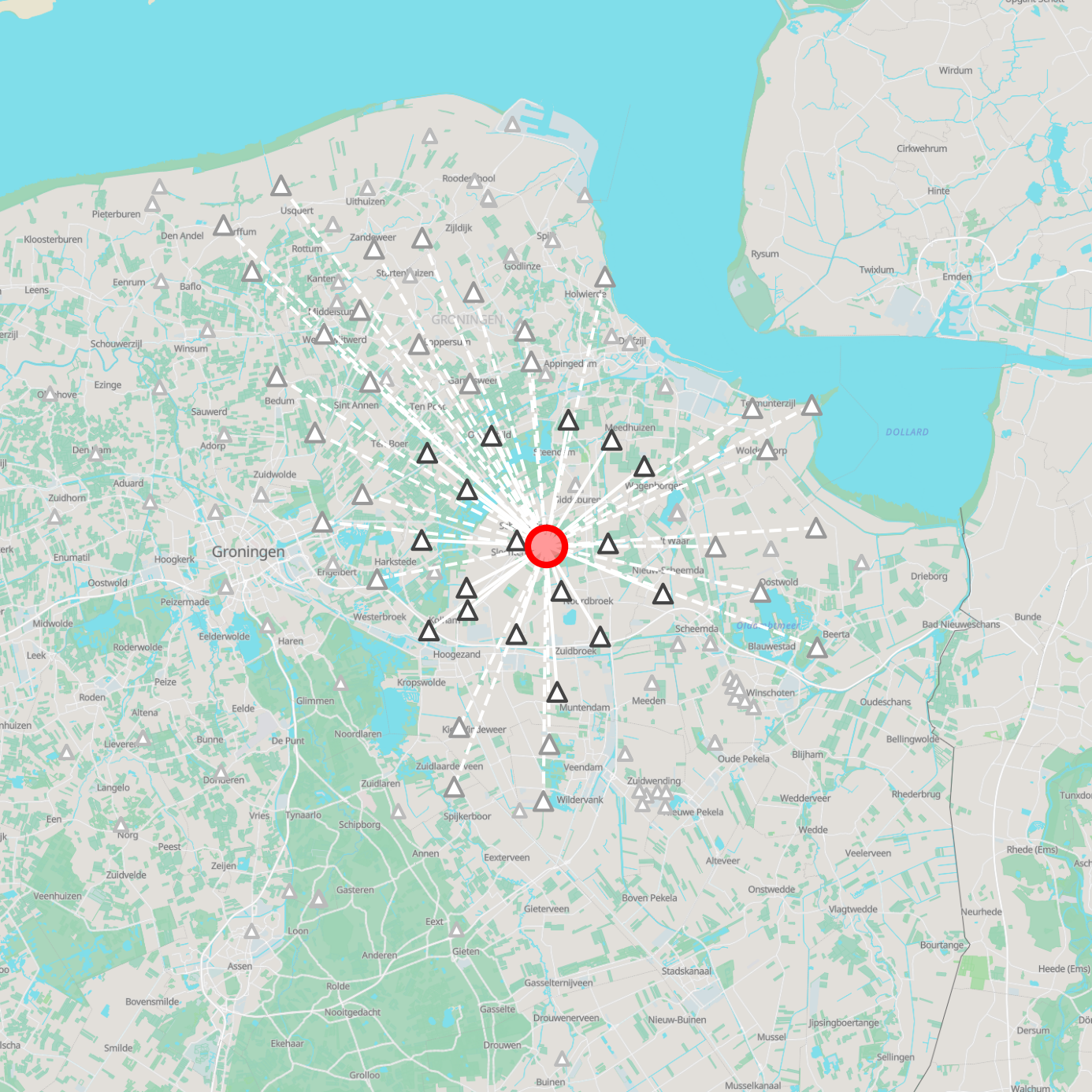
Maandag; Wat eten we vandaag?; Sjoemelsoja; Should We Be Eating Three Meals a Day?; schermgebruik en sociale media kinderen; re:publica; Aardbeving Gaswinning Groningen.

Deze afbeelding heeft een leeg alt-attribuut; de bestandsnaam is dagboek.png

Wat eten we vandaag?:

Klik op afbeelding voor origineel

Knipselkrant:


Agenda:

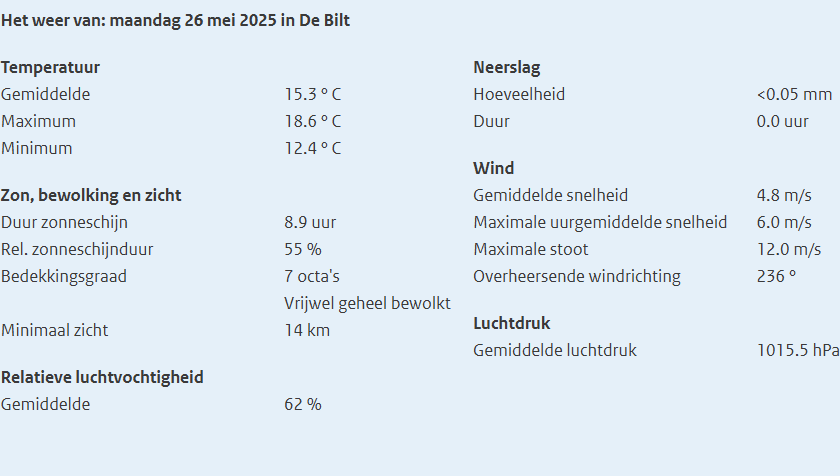
Weer:

Links:
In de geschiedenis

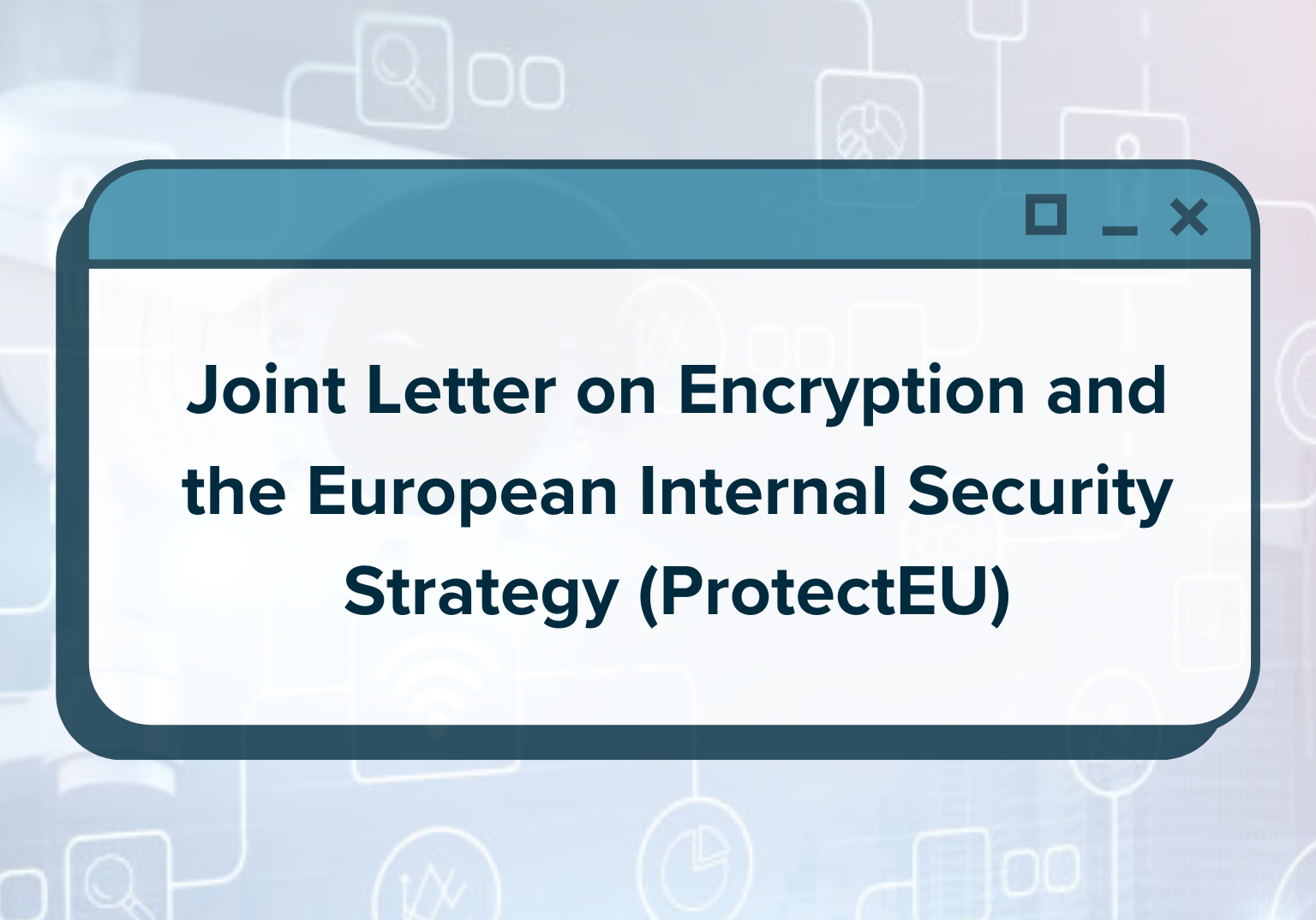
Joint Letter on the European Internal Security Strategy (ProtectEU) – publication

On 26 May 2025, 89 civil society organizations, companies, and cybersecurity experts, including Global Encryption Coalition members, published a joint letter to the European Commission, calling on them to address concerns around the impact that the European Internal Security Strategy (Protect EU) would have on end-to-end encryption.

The Internal Security Strategy’s focus on encryption will harm the use of end-to-end encryption in Europe, leaving all Europeans less safe.

Links:
Joint Letter on the European Internal Security Strategy (ProtectEU)

The EU’s “Encryption Roadmap” Makes Everyone Less Safe

Brandbrief : Een oproep om de negatieve impact van schermgebruik en sociale media op kinderen en adolescenten daadkrachtig aan te pakken – publicatie

Een groep van ruim 2000 artsen, wetenschappers en praktijkdeskundigen uit diverse disciplines, steunen de oproep van de ouders van meer dan 30.000 kinderen in Nederland om de negatieve impact van schermgebruik en sociale media op kinderen en adolescenten daadkrachtig aan te pakken.

Ze roepen de Nederlandse Overheid, in het bijzonder de ministers en staatssecretarissen van Volksgezondheid, Welzijn en Sport, Onderwijs, Cultuur en Wetenschap, Justitie en Veiligheid (met name Jeugdbeleid en Media), Jeugd, Preventie en Sport, en Digitalisering en Koninkrijksrelaties op tot dringende actie tegen de groeiende gezondheids- en welzijnscrisis als gevolg van overmatig en leeftijdsongeschikt scherm- en sociale media gebruik bij kinderen en jongeren.

Links:
Artsen adviseren politiek: onder de 14 jaar geen smartphone meer

#rp25 re:publica Berlin 2025

re:publica

Die re:publica ist eine Konferenz zur digitalen Gesellschaft, speziell NetzkulturNetzpolitikWeblogs und weiteren sozialen Medien.

Die Konferenz wird seit 2007 jährlich in Berlin veranstaltet. An drei Tagen werden in Vorträgen und Workshops verschiedene Themenfelder behandelt, von Medien und Kultur über Politik und Technik bis zu Entertainment. Einige Vorträge und Diskussionsrunden werden als Audio- oder Videostream live ins Netz übertragen. Der Name leitet sich vom Wort Republik und dem lateinischen Begriff res publica (wörtlich übersetzt: „öffentliche Sache“) ab. Der Doppelpunkt ist eine Anspielung auf das englischsprachige Antwortkürzel „re:“ in der Betreffzeile einer E-Mail. Veranstalter sind die Betreiber der deutschen Blogs Spreeblick und Netzpolitik.org, die für die Veranstaltung 2011 die republica GmbH gegründet haben. Die Veranstaltungsreihe wird unter anderem durch das Medienboard Berlin-Brandenburg und die Bundeszentrale für politische Bildung gefördert.  Das Festival für die digitale Gesellschaft steht dieses Jahr unter dem Motto „Generation XYZ“.

Links:
re:publica

2025-05-25, Lief dagboek

Zondag; Wat eten we vandaag?; NOS, Wees Eerlijk!; Sterven; Lutkemeerpolder; Week of Solidarity with the Peoples of Non-Self-Governing Territories; Dag van de Vermiste Kinderen; Nerd Pride Day / Geek Pride Day / Towel Day; Vroege Vogels.

Deze afbeelding heeft een leeg alt-attribuut; de bestandsnaam is dagboek.png

Wat eten we vandaag?:

Klik op afbeelding voor origineel

Knipselkrant:


Agenda:

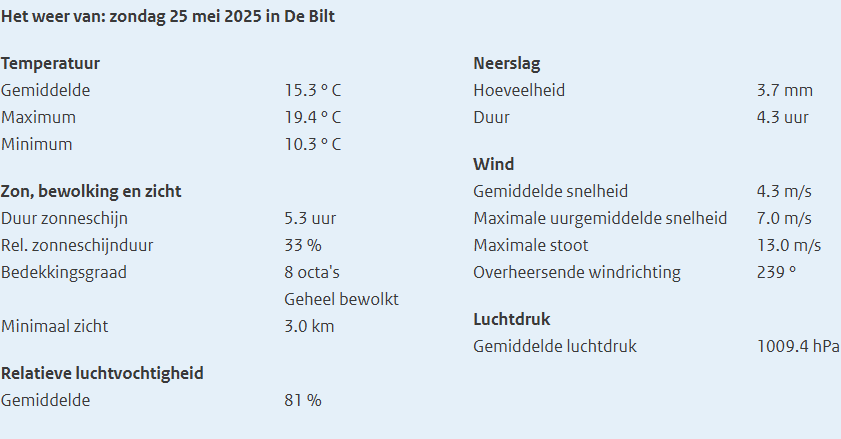
Weer:

Links:
In de geschiedenis

Africa Day 2025

Africa Day (formerly African Freedom Day and African Liberation Day) is the annual commemoration of the foundation of the Organization of African Unity on 25 May 1963, it is celebrated in various countries on the African continent as well as around the world. The organization was replaced by the African Union on 9 July 2002, but the holiday continues to be celebrated on 25 May.

On 25 May 1963, representatives of thirty African nations met in Addis Ababa, Ethiopia, hosted by Emperor Haile Selassie. By then more than two-thirds of the continent had achieved independence, mostly from imperial European states. At this meeting, the Organization of African Unity was founded, with the initial aim to encourage the decolonization of AngolaMozambiqueSouth Africa and Southern Rhodesia. The organization pledged to support the work conducted by freedom fighters, and remove military access to colonial nations. A charter was set out which sought to improve the living standards across member states. Selassie exclaimed, “May this convention of union last 1,000 years.” The charter was signed by all attendees on 26 May, with the exception of Morocco. At that meeting, Africa Freedom Day was renamed Africa Liberation Day. In 2002, the OAU was replaced by the African Union. However, the renamed celebration of Africa Day continues to be celebrated on 25 May in respect to the formation of the OAU. Africa Day continues to be celebrated both in Africa and around the world, mostly on 25 May (although in some cases these periods of celebrations can be stretched out over a period of days or weeks). Themes are set for each year’s Africa Day.

Links:
Africa Day 2025: Powerful Reminder of the Continent’s Resilience, Diversity and Potential

De nieuwe wedloop om Afrika