Vroege Vogels TV | 29 juni 2025 | Oranjezon (TV NPO 2)

Vroege Vogels is een live-radioprogramma, tv-programma en online community van BNNVARA over natuur en milieu.

In het radioprogramma wordt het gesproken woord omlijst door licht klassieke muziek en salonmuziek. Het radioprogramma werd in 1978 voor het eerst uitgezonden door de VARA en is een van de langst lopende en best beluisterde radioprogramma’s van de publieke omroep. Het wordt elke zondagmorgen uitgezonden tussen 07:00 en 10:00 op NPO Radio 1. De beginmuziek is een bewerking van Vivaldi’s “Piccolo Concerto in C major” (RV 443). De tv editie wordt uitgezonden via NPO 2 op zondag, vaak rond een thema.

Misschien wel de zeldzaamste waarneming van het Vroege Vogels-team tot nu toe: de groene bijeneter. Deze dwaalgast vloog in het Zeeuwse duingebied Oranjezon tussen de net zo flamboyante Europese bijeneters, die hier broeden. Koniks grazen hier in de duinvallei om het gebied dynamisch te houden. En dood doet leven op het Groene Strand, waar gestorven zeehonden barsten van het leven, van de kleinste kever tot de raaf. Iets verderop zijn de bontbekplevieren te vinden, die met een beetje geluk een succesvol broedjaar zullen hebben.

Links:
Vroege Vogels (na afloop terugkijken)

Vroege Vogels Radio | 29 juni 2025 (Radio 1 NPO)

Vroege Vogels is een live-radioprogramma, tv-programma en online community van BNNVARA over natuur en milieu.

In het radioprogramma wordt het gesproken woord omlijst door licht klassieke muziek en salonmuziek. Het radioprogramma werd in 1978 voor het eerst uitgezonden door de VARA en is een van de langst lopende en best beluisterde radioprogramma’s van de publieke omroep. Het wordt elke zondagmorgen uitgezonden tussen 07:00 en 10:00 op NPO Radio 1. De beginmuziek is een bewerking van Vivaldi’s “Piccolo Concerto in C major” (RV 443).

Onder het regenwoud van Congo ligt een gigantisch veenmoeras. Hierin ligt evenveel koolstof opgeslagen als de wereldeconomie in drie jaar tijd de atmosfeer inpompt. Vlinderfilmer Annette van Berkel laat ons de dans van het groot dikkopje zien. En verder: Frisse blik op De Biesbosch, Expeditie 10 in Amsterdam, spookbomen door spinselmotten, torenvalken en natuuramnesie. De column is deze week van Bibi Dumon Tak.

Links:
Vroege Vogels (na afloop terugluisteren)

#AsteroidDay / Dag van de Planetoïde 2025 – 10th anniversary

Asteroid Day (also known as International Asteroid Day) is an annual global event which is held on the anniversary of the Siberian Tunguska event that took place on June 30, 1908, the most harmful known asteroidrelated event on Earth in recent history.

The United Nations has proclaimed it be observed globally on June 30 every year in its resolution. Asteroid Day aims to raise awareness about asteroids and what can be done to protect the Earth, its families, communities, and future generations from a catastrophic event. Asteroid Foundation celebrates 10th anniversary of Asteroid Day on 26, 27 and 28 June 2025 in Luxembourg. This special programme will focus on blending art and science through exciting performances, creative experiences, and inspiring encounters. The events are open to the public, hosted at Cercle Cité, in Luxembourg and live-streamed on Asteroid Day’s digital platforms. Join the Astronomer For A Night Event, Asteroid Day Space Lecture, Asteroid Day Festival, and Art & Science Performance.

https://www.tumblr.com/nasa/787787203611852800/space-rocks-but-also-space-rocks


Links:
Asteroid Day

Torino scale

Agenda 30-06-2023 – #AsteroidDay

Asteroid Day TV

Special asteroid edition of NASA Science Live

Optimization and decision-making framework for multi-staged asteroid deflection campaigns under epistemic uncertainties

Learn – What is an Asteroid?

What Really Happened on The Day Dinosaurs Died – New Findings

Skyfall – Tracking the asteroids that menace Earth

Asteroid Day Space Lecture

Day of Deafblindness 2025

The UN General Assembly adopted resolution A/RES/79/294, proclaiming 27 June of each year the International Day of Deafblindness.

This day commemorates the birth of renowned author Helen Keller (1880 – 1968), one of the most iconic figures in the deafblindness community. Deafblindness is a combined vision and hearing impairment of such severity that it is hard for the impaired senses to compensate for each other, and is thus a distinct disability with its own specific challenges, barriers and requirements for support and inclusion, different from those provided to individuals, who are solely deaf or blind. Deafblind persons face barriers owing to deafblindness not being treated and/or recognized as a distinct disability, further leading to invisibility in statistics, policies and programmes, and therefore impeding access to services. Professional deafblind interpreters and interpreter-guides are critical in ensuring access to information, communication, services and fundamental rights, as well as enabling individuals with deafblindness to live independently and be included in the community.

Links:
Day of Deafblindness

2025-06-26, Lief dagboek

Donderdag; Wat eten we vandaag?; Kernenergie; Dag van het Handvest van de Verenigde Naties; Ratcatcher’s Day; Werelddag voor steun aan slachtoffers van foltering; Asielnoodmaatregelenwet.

Deze afbeelding heeft een leeg alt-attribuut; de bestandsnaam is dagboek.png

Wat eten we vandaag?:

Knipselkrant:


Agenda:

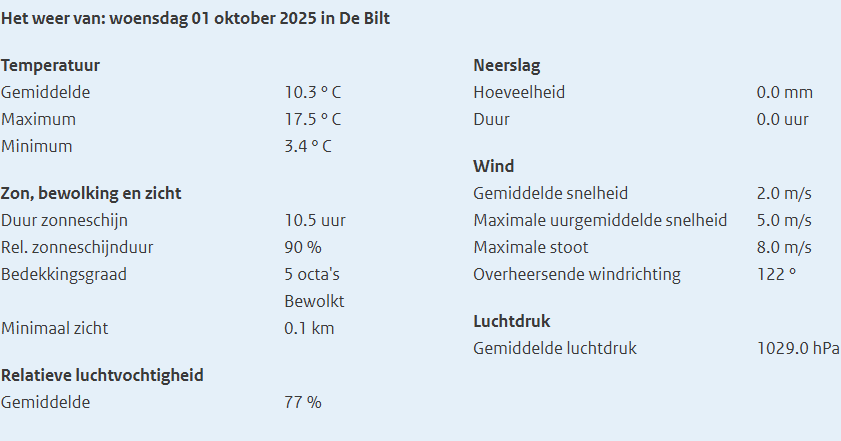
Weer:

Links:
In de geschiedenis

World Day in Support of Victims of Torture / Werelddag voor steun aan slachtoffers van foltering 2025

Torture seeks to annihilate the victim’s personality and denies the inherent dignity of the human being.

Despite the absolute prohibition of torture under international law, torture persist in all regions of the world. Concerns about protecting national security and borders are increasingly used to allow torture and other forms of cruel, degrading and inhuman treatment. Its pervasive consequences often go beyond the isolated act on an individual; and can be transmitted through generations and lead to cycles of violence. The United Nations has condemned torture from the outset as one of the vilest acts perpetrated by human beings on their fellow human beings. Torture is a crime under international law. According to all relevant instruments, it is absolutely prohibited and cannot be justified under any circumstances. This prohibition forms part of customary international law, which means that it is binding on every member of the international community, regardless of whether a State has ratified international treaties in which torture is expressly prohibited. The systematic or widespread practice of torture constitutes a crime against humanity. On 12 December 1997, by resolution 52/149, the UN General Assembly proclaimed 26 June the United Nations International Day in Support of Victims of Torture, with a view to the total eradication of torture and the effective functioning of the Convention against Torture and Other Cruel, Inhuman or Degrading Treatment or Punishment. 26 June is an opportunity to call on all stakeholders including UN Member States, civil society and individuals everywhere to unite in support of the hundreds of thousands of people around the world who have been victims of torture and those who are still tortured today.

Links:
Day in Support of Victims of Torture – 26 June

International Day in Support of Victims of Torture, 26 June

26 June Virtual Brochure

Ratcatcher’s Day 2025

Ratcatcher’s Day, Rat-catcher’s Day, Rat Catcher’s Day is celebrated on 26 June or 22 July, commemorating the myth of the Pied Piper of Hamelin.

The town of Hamelin in Germany uses the June date and the term “Pied Piper Day”. The confusion of dates is because the Brothers Grimm cite 26 June 1284 as the date the Pied Piper led the children out of the town, while the poem by Robert Browning gives it as 22 July 1376. It is a holiday remembering rat-catchers, similar to Secretary’s Day and Presidents Day.

Links:
Pied Piper Day – the 26th of June

Dag van het Handvest van de Verenigde Naties 2025

Het Handvest van de Verenigde Naties (Charter of the United Nations) is het oprichtingsverdrag van de Verenigde Naties en werd op 26 juni 1945 in San Francisco ondertekend door 50 van de 51 oorspronkelijke lidstaten van de VN (Polen, het andere oorspronkelijke lid, was niet vertegenwoordigd op de conferentie, maar tekende twee maanden later).

Het Handvest werd van kracht op 24 oktober 1945, toen de vijf permanente leden van de Veiligheidsraad – China, de Sovjet-Unie, Frankrijk, het Verenigd Koninkrijk en de Verenigde Staten van Amerika – en een meerderheid van de overige 46 lidstaten het verdrag hadden geratificeerd. Op basis van artikel 103 VN-Handvest gaan de bepalingen uit het Handvest boven de verplichtingen die lidstaten hebben op basis van andere verdragen. Sinds de toetreding van Zuid-Soedan in 2011 zijn 193 staten partij bij het Handvest (198 ondertekenende landen, waarvan er enkele niet meer bestaan). 
Het handvest bestaat uit een preambule en negentien hoofdstukken, die elk zijn opgedeeld in artikelen.
  •     Hoofdstuk I definieert de doelstellingen van de Verenigde Naties, inclusief het bewaren van de internationale vrede;
  •     Hoofdstuk II stelt vast aan welke criteria een land moet voldoen om lid te worden van de Verenigde Naties;
  •     De Hoofdstukken III – XV betreffen de verschillende organen en programma’s van de organisatie. De hoofdstukken V, VI en VII betreffen de bevoegdheden van de VN-Veiligheidsraad;
  •     Hoofdstuk XVI en XVII beschrijven de integratie van de Verenigde Naties met al bestaande internationaal recht;
  •     Hoofdstuk XVIII en XIX bepalen hoe het handvest gewijzigd en geratificeerd kan worden.

De belangrijkste artikelen bevinden zich in de hoofdstukken V tot en met XV, waarin onder andere de bevoegdheden van de Veiligheidsraad, het bestaan van het Internationaal Gerechtshof en de mogelijkheid tot militair ingrijpen worden geregeld.

Links:
Handvest

#UNday / Dag van de Verenigde Naties