Open Letter to College and University Presidents on Student Protests – publication

Academic freedom and free speech are essential, universities must protect them.

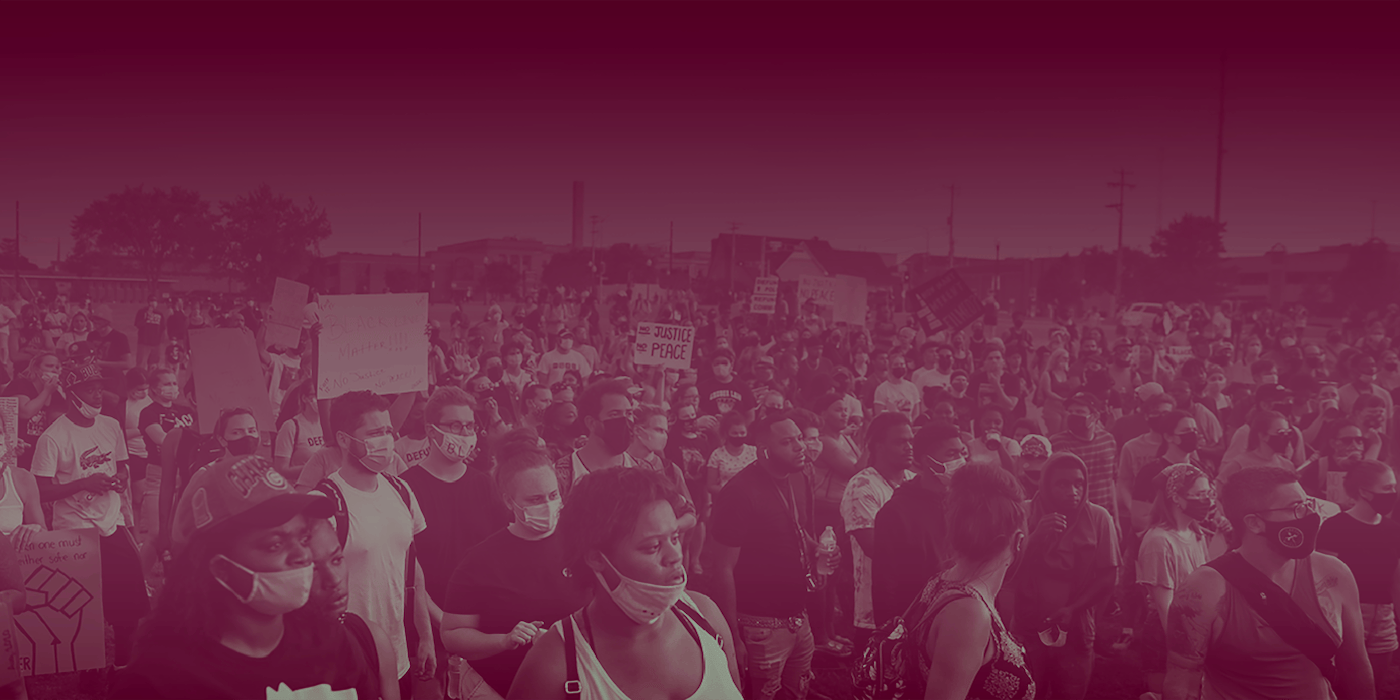
In response to the anti-war protests happening at colleges across the country, and the disturbing arrests that have followed, the American Civil Liberties Union (ACLU) sent a letter to leaders at both public and private universities.

Links:
ACLU Urges College and University Leaders to Protect Free Speech and Academic Freedom

Students: If you’re protesting this weekend, know your rights

Wereld Wensmaand / Make A Wish Month 2024

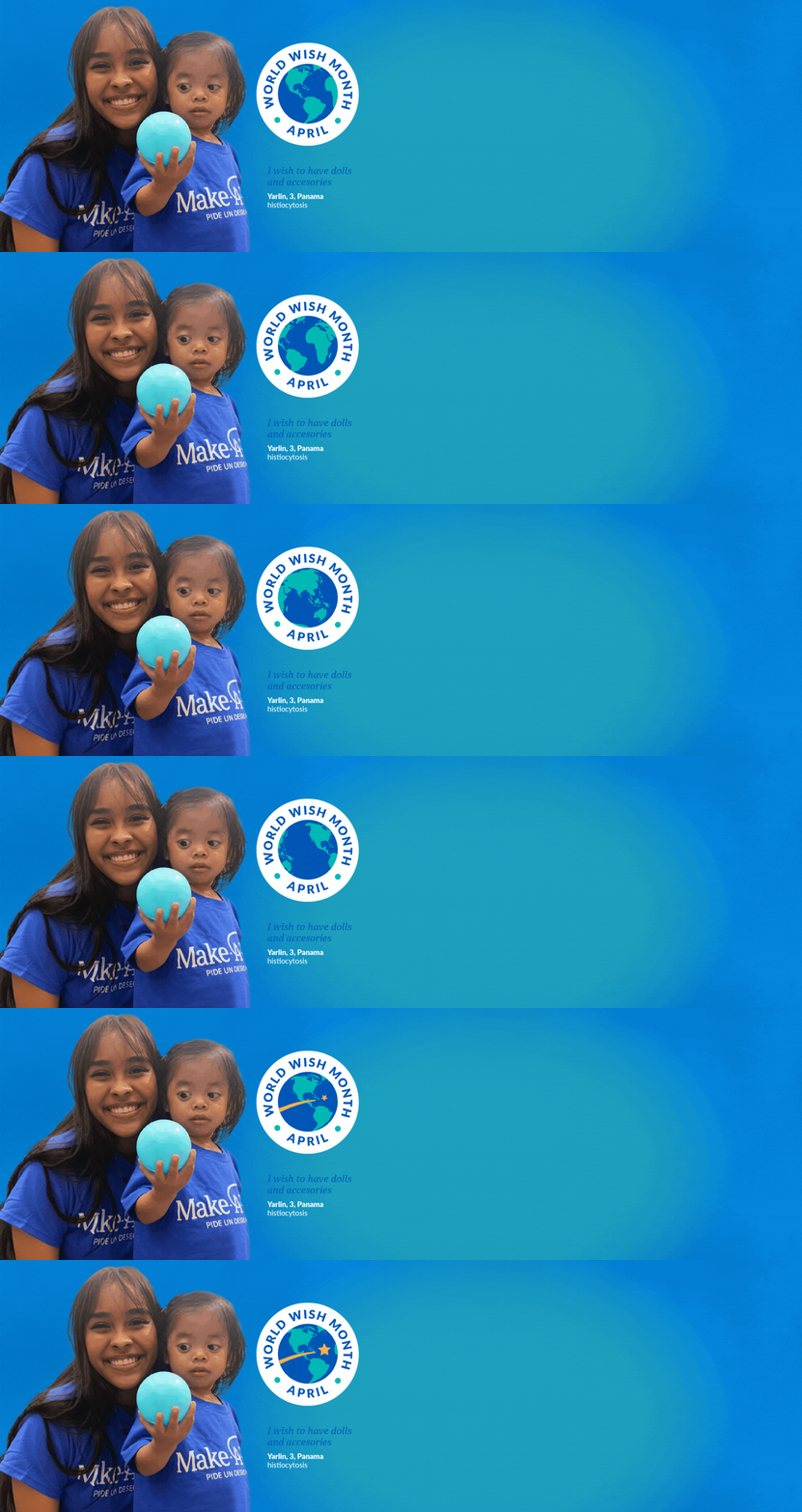
Each April, in honor of the founding wish, Make-A-Wish is recruiting the next generation of WishMakers.

Because wishes don’t come true by luck or chance. They come true because of WishMakers who donate, fundraise or lend their voice to the cause. It started with a single wish on April 29, 1980: 7-year-old Chris, struggling with leukemia, wanted to be a police officer for a day. Six people answered the call, rallied the entire community, and granted a wish that lifted Chris up during his darkest days. These original WishMakers were inspired by the impact the wish had on Chris and vowed to do more. A global movement was born. Today, Make-A-Wish has been granting life-changing wishes for children with critical illnesses for 44 years, in 50 countries across 6 continents all over the world. More than 585,000 wishes have been granted since then. But the work is far from done. Thousands of eligible children are waiting for their wishes to be granted. And there are many more we aren’t reaching. As long as children face the devastating reality of a critical illness diagnosis, they’ll need WishMakers to help restore their childhood. Critical illness steals childhood from a child, but a wish-come-true has the power to restore that feeling of childhood. Thanks to the positive emotions, strength and long-lasting impact a wish brings, a child and their family have the chance to experience life beyond illness once again.

Links:
Make A Wish Month

OPCW dag 2024

De Organisatie voor het Verbod op Chemische Wapens (Engels: Organisation for the Prohibition of Chemical Weapons en afgekort tot OPCW) is een autonome internationale, multilaterale organisatie die haar zetel heeft in Den Haag en trad in werking op 29 april 1997.

De organisatie werkt samen met de Verenigde Naties. De Organisatie voor het Verbod op Chemische Wapens werd op 11 oktober 2013 de Nobelprijs voor de Vrede toegekend “voor haar grote inspanningen om chemische wapens te elimineren”. De OPCW is opgericht om chemische wapens te (doen) vernietigen en te voorkomen dat ze ooit nog gebruikt zullen worden. De OPCW is het uitvoerend orgaan van het Verdrag chemische wapens (Chemical Weapons Convention, afkorting CWC) dat in 1997 van kracht werd. In dit verdrag staat dat lidstaten al hun chemische wapens (op een milieuvriendelijke manier) moeten vernietigen, net als de installaties waar de wapens werden geproduceerd. Ook dienen de landen fabrieken waar met bepaalde chemische stoffen wordt gewerkt op te geven aan de OPCW en hun chemische industrieën te onderwerpen aan regelmatige inspecties.

Links:
OPCW

Cruiseschepen op LNG ‘schoon’? Stop deze greenwashing / LNG [G]een goed idee – Hoe aanbieders van cruisereizen LNG ten onrechte aanprijzen als een klimaatoplossing – publicatie

Cruisen behoort tot de meest vervuilende vormen van reizen: het is tot wel twee keer vervuilender dan vliegen.

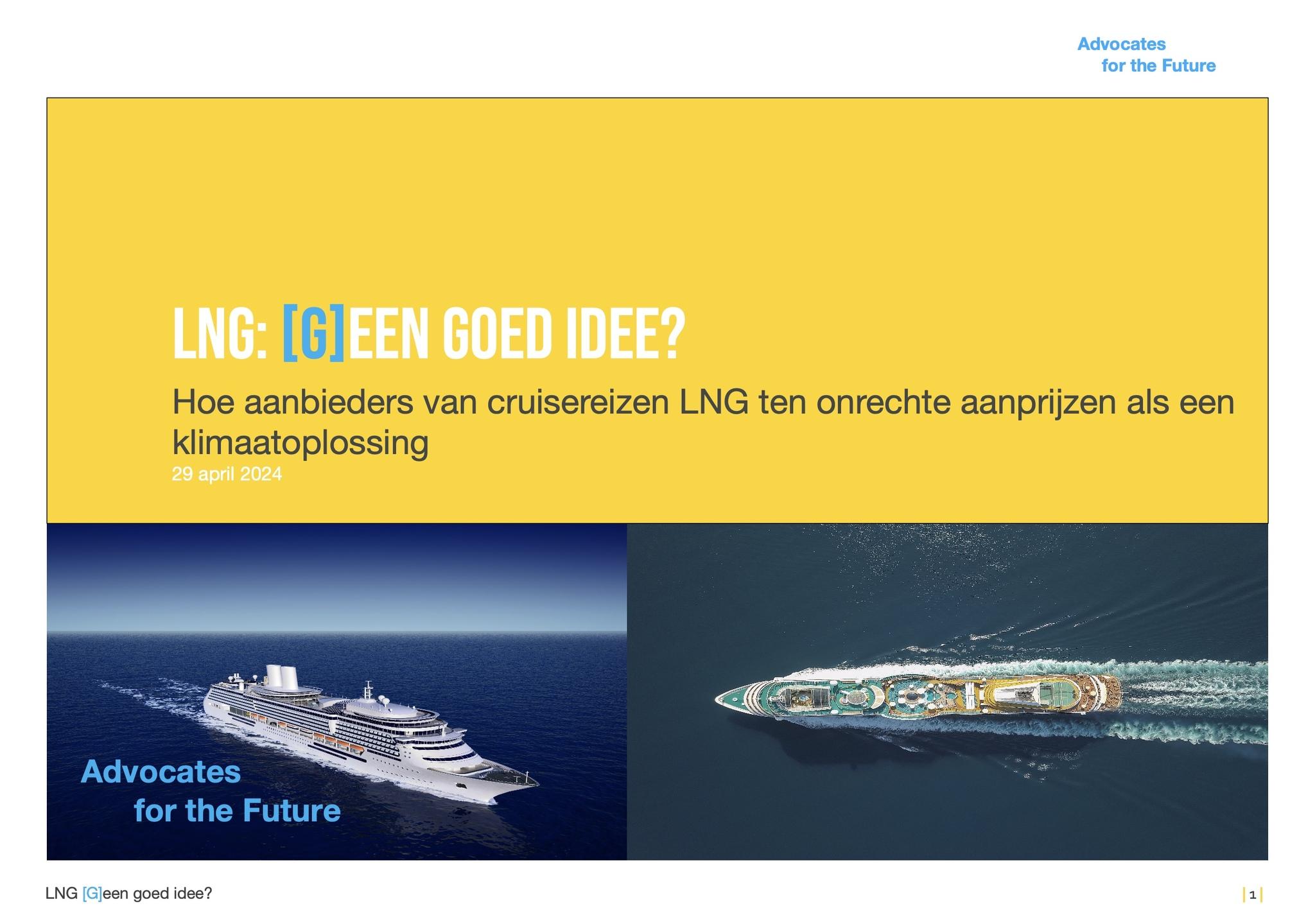
Dat is best wel een probleem voor de cruise-industrie, die wil blijven groeien. De sector weet dat het een duurzamer imago keihard nodig heeft, want de consument vindt, gelukkig, duurzaamheid steeds belangrijker. Cruise-gigant MSC heeft daar wat op gevonden. Hun nieuwste schepen varen namelijk op LNG, vloeibaar gemaakt fossiel gas, dat bij verbranding minder schadelijk is voor de gezondheid is dan normale scheepsbrandstoffen zoals stookolie. Er komt minder fijnstof, stikstof en zwavel de lucht in. MSC Cruises gaat echter veel verder en creëert allerlei “groene mist” rondom LNG, waarmee ze consumenten op een dwaalspoor zet. Wie dacht dat Fossielvrij Nederland klaar was na de overwinning op KLM in de greenwashing-zaak, heeft het mis. Ook in de cruisesector wordt er misleid over duurzaamheid. Fossielvrij Nederland dient een klacht in tegen cruise-gigant MSC bij de reclamewaakhond Reclame Code Commissie (RCC). Verder publiceert Advocates for the Future het het rapport ‘LNG [G]een goed idee – Hoe aanbieders van cruisereizen LNG ten onrechte aanprijzen als een klimaatoplossing‘.

Links:
Cruiseschepen op LNG ‘schoon’? Stop deze greenwashing

Fossielvrij Nederland dient klacht in tegen cruiserederij MSC vanwege ‘onterechte’ duurzaamheidsclaim

Reclame Code Commissie : MSC Cruises misleidde consumenten en moet stoppen met ‘groene’ reclames

Radar: Het medicijntekort (TV NPO 2)

Radar duikt in de wereld van het medicijntekort in Nederland.

Wat of welke partijen veroorzaken dit tekort en misschien nog wel belangrijker: zijn er oplossingen? En hoe pakken andere Europese landen dit tekort aan? De hele wereld heeft er last van, het medicijntekort. Maar in Europa is Nederland koploper als het gaat om de tekorten. Meer dan tweeduizend geneesmiddelen zijn hier al lange tijd niet op voorraad, en het einde van het tekort lijkt nog niet in zicht. Radar spreekt met verschillende partijen over de oorzaken en de mogelijke oplossingen. Hoe komt het dat er zulke tekorten zijn in Nederland? We nemen een kijkje bij andere Europese landen. Hoe pakken zij het aan? En kunnen we wat van die landen leren om zo het tij in Nederland te keren.

Links:
Radar: Het medicijntekort

Nationaal ZorgFonds

Aantal geneesmiddelentekorten stijgt in 2023 naar recordhoogte

NPO 2 live stream

Liberties’ Media Freedom Report 2024: Freedom of the Press Reaching Breaking Point – publication

Media freedom and pluralism is flailing across Europe, and in some countries, are on its last legs.

The European Media Freedom Act will bring some improvements, but on its own is not enough to rescue a struggling media landscape. Liberties Media Freedom Report 2024 reveals that media freedom and media pluralism are close to breaking point in many EU countries, while in others, a near-total overhaul is required to address chronic, systemic issues with only a limited number of exceptions. The continued erosion of media freedom is evidenced by widespread harassment of journalists and governments restricting access to information. Meanwhile, heavy media ownership concentration and threats to the independence and finances of public service media contribute to a shrinking media plurality. A diverse and free media environment is crucial for democracy because we rely on independent news outlets to hold our politicians accountable and keep us informed. The pattern of declining media freedom – which shows the overarching trends documented in last year’s report remain unaddressed – goes hand-in-hand with Europe’s democratic backsliding. Based on findings from over two dozen civil liberties organisations from 19 countries across the EU, the report covers media freedom and pluralism, safety and protection of journalists, and freedom of expression and access to information in 2023, a year when the media landscape was shaped not only by new legislation (Anti-SLAPP Directive, Digital Services Act, European Media Freedom Act), but also elections (Poland, the Netherlands, Slovakia) and regional conflicts (Russia-Ukraine, Middle East). Additionally, this year’s report features a new chapter dedicated to the European Media Freedom Act (EMFA) – a landmark piece of legislation that has myriad implications for media freedom and pluralism in the EU.

Links:
Liberties’ Media Freedom Report 2024: Freedom of the Press Reaching Breaking Point

Our High-Energy Universe: 15 Years with the Fermi Gamma-ray Space Telescope – publication


To commemorate a milestone anniversary for NASA’s Fermi spacecraft, the mission team has published an e-book called “Our High-Energy Universe: 15 Years with the Fermi Gamma-ray Space Telescope”, readers can download the e-book in PDF and EPUB formats. The e-book is aimed at general audiences with an interest in space.

Launched on June 11, 2008, Fermi detects gamma rays, the highest-energy form of light, from Earth’s atmosphere to far-flung galaxies and cosmic phenomena in between, its research has uncovered details on topics ranging from solar flares to star formation and the mysteries at the center of our Milky Way. Through images, fun facts, and launch-day memories, the e-book tells Fermi’s story from conceptualization to launch and recounts some of the mission’s groundbreaking discoveries. By delving into high-energy astrophysics topics like gamma-ray bursts and blazars, readers can explore Fermi’s universe and what questions remain open for investigation in its next chapter. Fermi was originally called the Gamma-ray Large Area Space Telescope but was renamed after Italian physicist Enrico Fermi in August 2008. “Enrico Fermi’s science has been important for understanding the sources that the Fermi telescope sees,” said Elizabeth Hays, the mission’s project scientist at NASA’s Goddard Space Flight Center in Greenbelt, Maryland. “The gamma-ray sky is powered by particle acceleration mechanisms he theorized about.” The satellite has two gamma-ray detectors: the Large Area Telescope (LAT) and the Gamma-ray Burst Monitor (GBM). The LAT observes a fifth of the gamma-ray sky at any time, detecting high-energy light with energies ranging from 20 million to over 300 billion electron volts (The energy of visible light is 2 to 3 electron volts).

The GBM views about 70% of the sky at a time at lower energies, searching for brief flashes of gamma-ray light. The result of this carefully crafted duo is the most sensitive gamma-ray observatory in orbit, equipped to study the universe’s highest-energy phenomena near and far. By peering through Fermi’s gamma-ray eyes, we can better understand our solar system. Within its first eight years of operation, Fermi detected gamma-ray emissions from 40 solar flares — bursts of energy from the Sun. Some even originated on the Sun’s far side, allowing scientists to analyze how charged particles fired by solar flares can arc from one side of the Sun to produce gamma rays on the other. In studying our Milky Way, Fermi found two lobes of high-energy gamma rays — called the Fermi Bubbles — extending above and below the galaxy’s center. Each bubble stands 25,000 light-years tall. Astronomers think the bubbles formed following an ancient burst of activity from the Milky Way’s central supermassive black hole. Fermi helps scientists understand black holes in other galaxies, too. “As a black hole forms, either from the death of a massive star or the collision of two neutron stars, it creates a brief flash of light called a gamma-ray burst,” said Judith Racusin, Fermi’s deputy project scientist at Goddard.

“Fermi detects about one burst a day and has helped revolutionize our understanding of these phenomena.” Even after 15 years of accomplishments, however, many mysteries remain for Fermi to tackle. One of the telescope’s ongoing objectives is to study the composition of dark matter — the mysterious substance that makes up about 25% of the universe. Because dark matter doesn’t reflect, absorb, or emit light, scientists remain unsure of its composition. One popular theory suggests, though, that dark matter particles create gamma rays when they interact. If Fermi can spot this high-energy signature, it might help scientists learn more about dark matter’s makeup. If there’s one thing Fermi has taught us, it’s to expect the unexpected. Gamma-ray research has yielded unprecedented breakthroughs in our understanding of the Milky Way’s central black hole, our flaring Sun, and merging neutron stars. As much as we anticipate the next gamma-ray revelation, only time will tell what exactly Fermi has in store. Fermi is an astrophysics and particle physics partnership managed by Goddard. Fermi was developed in collaboration with the U.S. Department of Energy, with important contributions from academic institutions and partners in France, Germany, Italy, Japan, Sweden, and the United States.


2024-04-28, Lief dagboek

Zondag; Wat eten we vandaag?: Gaza−Israël oorlog van 2023; Gedenkdag voor Arbeidsslachtoffers / Dag voor Veiligheid en Gezondheid op het Werk 2024.

Deze afbeelding heeft een leeg alt-attribuut; de bestandsnaam is dagboek.png

Wat eten we vandaag?:

Bloemkool, klik op afbeelding voor origineel

Knipselkrant:

Agenda:

Weer:

Deze afbeelding heeft een leeg alt-attribuut; de bestandsnaam is 50813896361_463cbfec7c.jpg

Links:
In de geschiedenis