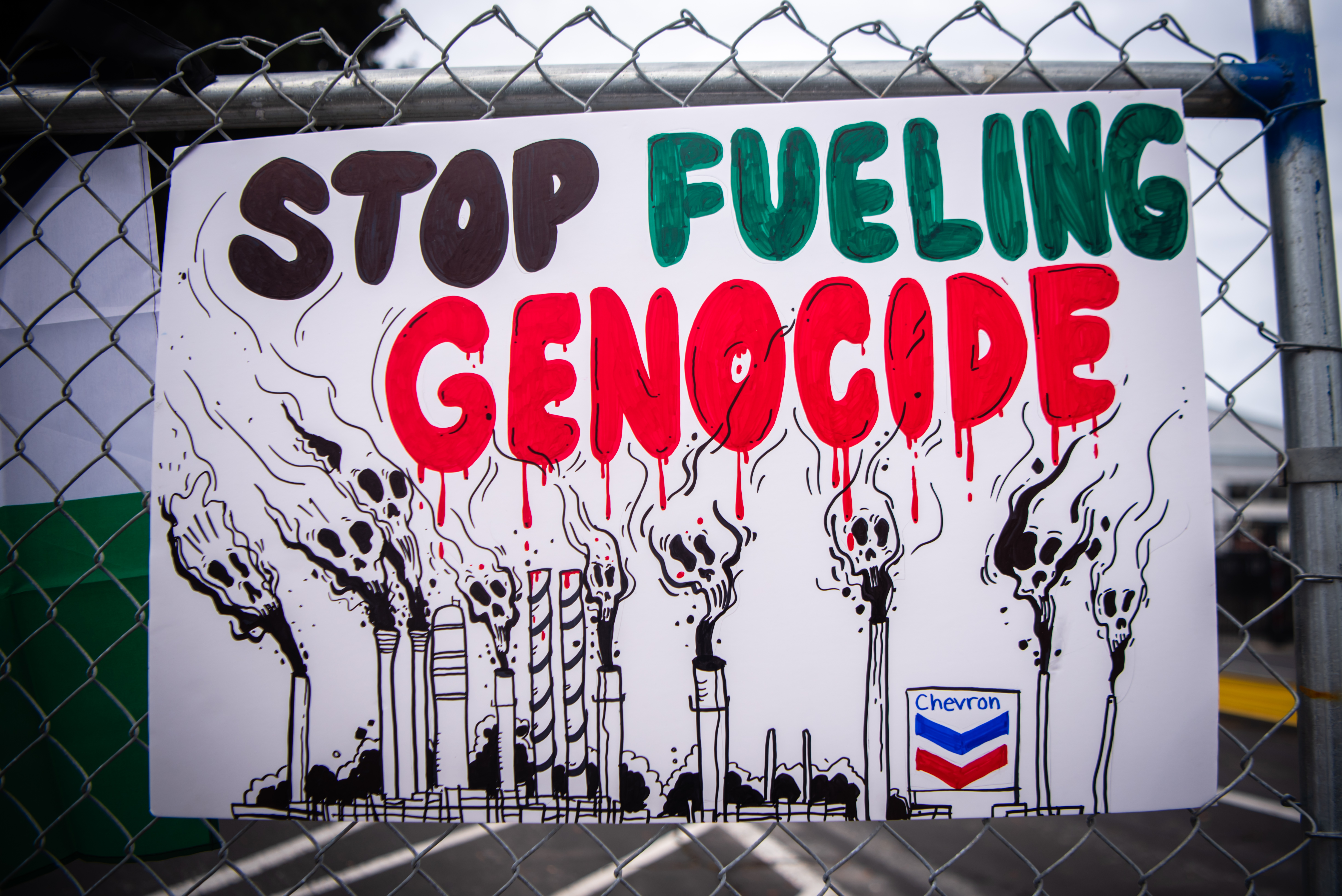
Boycott Chevron

B­o­y­c­o­t­t C­h­e­v­r­o­n­!

Chevron runs natural gas extraction and pipelines off the shore of Palestine/Israel, making it a major partner in Israeli energy apartheid, the military blockade on Gaza, and the illegal exploitation of Palestinian land and resources.

Join Palestinian civil society and a growing international coalition calling on Chevron to end its support of genocide and apartheid in Palestine. Chevron is the largest producer of natural gas for Israel and the largest multinational corporation with a significant stake in Israel’s energy sector. It operates and partially owns the largest active Israeli gas fields, Tamar and Leviathan, and the smaller and undeveloped Dalit field, all of which are located in the Eastern Mediterranean Sea, west of Haifa. The gas from Tamar is processed in a rig that is located farther south, off the coast of Isdud/Ashdod. In 2023, Chevron made an estimated $1.5 billion in revenue from Tamar and Leviathan gas sales alone, mostly from exports to Egypt and Jordan. Chevron partially owns the Mari B gas field off the coast of the Gaza Strip, but it has been depleted and inactive since 2013. Chevron also operates and partially owns the East Mediterranean Gas (EMG) pipeline, which runs from Israel to Egypt off the coast of the Gaza Strip. As the operator of these gas fields and the pipeline, Chevron is in charge of all operations of these projects, including planning, construction, production, and supply. The Caspian Pipeline Consortium in Russia, which supplies crude oil to Israel, and the main Kazakh companies that supply this oil, are also partially owned by Chevron. Between 2021 and December 2024, Chevron spent nearly $28.5 million on lobbying the U.S. government, including on energy issues related to Israel. Chevron entered the Israeli fossil gas market in 2020 with the acquisition of Noble Energy; it can choose to sell off this investment at any time.

Links:
Boycott Chevron
Join Boycott Chevron Actions For CERA Week and No Kings

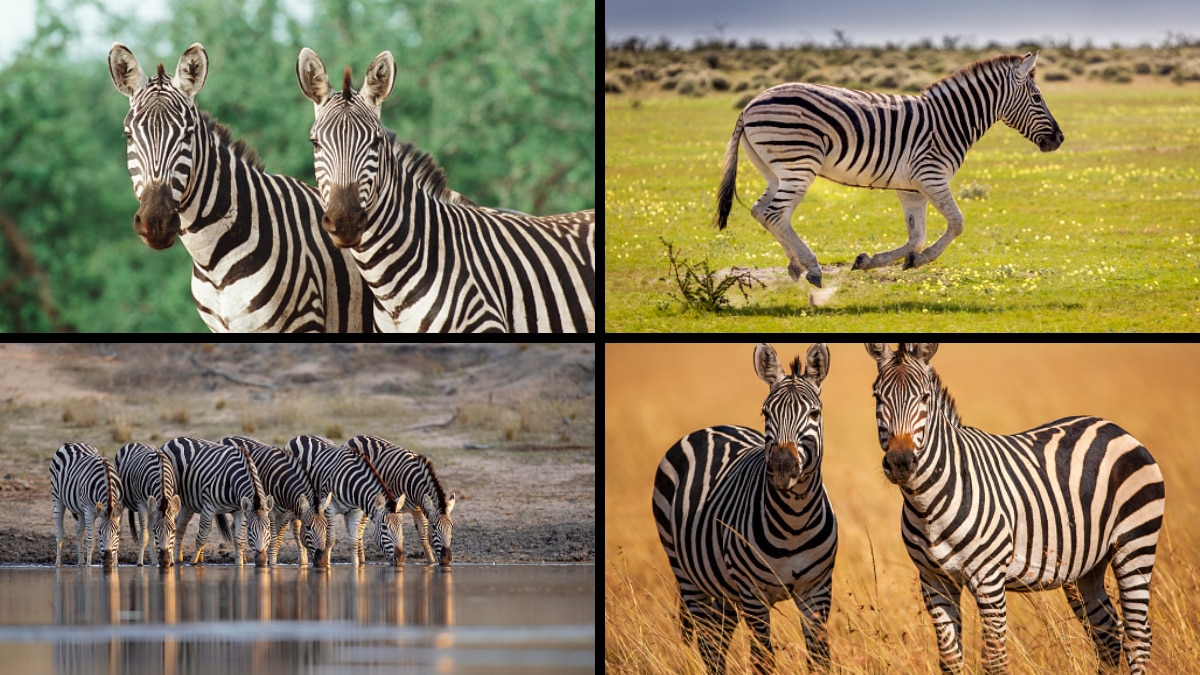
#InternationalZebraDay Zebra Dag / Zebra Day 2025

Een zebra is een paardachtige (familie: Equidae) afkomstig uit het midden en zuiden van Afrika, de dieren staan vooral bekend om hun zwart-witte strepenpatroon.

Algemeen gezien zijn het erg sociale dieren. Zebra’s leven met verschillende harems bijeen in een grotere kudde. De zebra is een herbivoor. Er bestaan drie soorten zebra’s: de steppezebra, de grévyzebra en de bergzebra. De mens is er nooit echt in geslaagd ze te domesticeren, in tegenstelling tot paarden en ezels, hun naaste verwanten. Hun paniekinstinct bij onraad bleek moeilijk af te leren.

Links:
Zebra Day 2024: What Threatens the Survival of These Majestic Creatures?

International Zebra Day 2025: Date, Significance, And Why It Is Celebrated?

Street Children’s Day / Dag voor Straatkinderen / Tag der Straßenkinder 2025

2009 marked the 75th anniversary of the canonisation of John Bosco, the “Father and Teacher of Youth”, to mark the anniversary, Jugend Eine Welt launched Street Children’s Day the same year.

The “Street Children’s Day” is commemorated every year on the January 31st and should highlight the situation of these children and young people and raise funds for projects run by the Salesians of Don Bosco and the Salesian Sisters of Don Bosco in favour of street children worldwide. A „Street Children‘s Day“ information package is sent to parishes, interested teachers and youth groups at the beginning of January. The package included material for a service for children, general background information on the subject of street children and suggestions for campaigns. This material is also available online (in German). Since the first Street Children’s Day in 2009 it gained more and more attention in Austrian media, especially in 2011 when the auxiliary bishop of Vienna Franz Scharl cleaned shoes on the streets to commemorate the day.

Links:
Street Children’s Day

Vroege Vogels Radio | 2 februari 2025 (Radio 1 NPO)

Vroege Vogels is een live-radioprogramma, tv-programma en online community van BNNVARA over natuur en milieu.

In het radioprogramma wordt het gesproken woord omlijst door licht klassieke muziek en salonmuziek. Het radioprogramma werd in 1978 voor het eerst uitgezonden door de VARA en is een van de langst lopende en best beluisterde radioprogramma’s van de publieke omroep. Het wordt elke zondagmorgen uitgezonden tussen 07:00 en 10:00 op NPO Radio 1. De beginmuziek is een bewerking van Vivaldi’s “Piccolo Concerto in C major” (RV 443).

Een team vrijwilligers plant zo’n 3000 bomen op een bedrijventerrein onder de rook van Schiphol. En verder: Een vrij leven, de stormvloed van 1825, groene industrie, het jaar van de torenvalk en korstmossen. De column is deze week van Dolf Jansen.

Links:
Vroege Vogels (na afloop terugluisteren)

NPO Radio 1 live stream

2025-01-30, Lief dagboek

Donderdag; Wat eten we vandaag?; Vuurwerk; Asteroide 2024 YR4; Werelddag Verwaarloosde Tropische Ziekten; Day of Non-violence and Peace / Mahatma Gandhi; Poëzieweek / Gedichtendag; International Film Festival Rotterdam; De staat van ons klimaat.

Deze afbeelding heeft een leeg alt-attribuut; de bestandsnaam is dagboek.png

Wat eten we vandaag?:

Klik op afbeelding voor origineel

Knipselkrant:


Agenda:

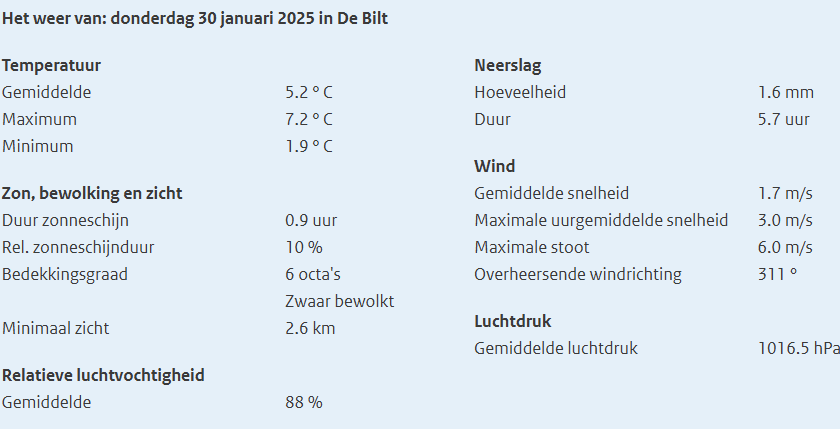
Weer:

Links:
In de geschiedenis

(School) Day of Non-violence and Peace / Mahatma Gandhi – sterfdag 2025

The School Day of Non-violence and Peace (or DENIP, acronym from Catalan–Balearic: Dia Escolar de la No-violència i la Pau), is an observance founded by the Spanish poet Llorenç Vidal Vidal in Majorca in 1964 as a starting point and support for a pacifying and non-violent education of a permanent character.

Different as the first proposed by the UNESCO “Armistice Day” in 1948, the “School Day of Non-violence and Peace” (DENIP) is observed on January 30 or thereabouts every year, on the anniversary of the death of Mahatma Gandhi, in schools all over the world. In countries with a Southern Hemisphere school calendar, it can be observed on 30 March. Its basic and permanent message is: “Universal love, non-violence and peace. Universal love is better than egoism, non-violence is better than violence, and peace is better than war”.

Links:
School Day of Non-violence and Peace

#BeatNTDs #WorldNTDDay Werelddag Verwaarloosde Tropische Ziekten / World Neglected Tropical diseases Day 2025

On 31 May 2021, the World Health Assembly (WHA) recognized 30 January as World Neglected Tropical Diseases (NTDs) Day through decision WHA74(18), an awareness day for addressing neglected tropical diseases.

January 30 is the anniversary of the landmark 2012 London Declaration on NTDs, which unified partners across sectors, countries and disease communities to push for greater investment and action on NTDs. 2020 was a special year for the global health response to NTDs, with WHO announcing new goals during the year to guide progress against NTDs until 2030. 30 January 2024 is the fourth annual World NTD Day. The theme serves as a rallying call-for-action and builds on a call to action from President Embaló of Guinea-Bissau in July 2023 in a piece published in Health Policy Watch. World NTD Day wants to end neglected tropical diseases (NTDs). To achieve this, we need sustainable financing for NTDs. Investing in NTDs is a global health and development success story. So far, 50 countries have eliminated an NTD, showing progress is possible. In 2020, 600 million fewer people required interventions against NTDs than in 2010. Yet, for some time, a lack of resources has been seen as a significant barrier to the control, elimination, and eradication of NTDs. This challenge has only been intensified by COVID-19 which has caused severe delays and disruption to NTD programmes, as well as a massive repurposing and diversion of resources.

On World Neglected Tropical Disease Day 2024, WHO is calling on everybody, including leaders and communities, to unite and act to address the inequalities that drive neglected tropical diseases (NTDs) and to make bold, sustainable investments to free the estimated 1.62 billion people, in the world’s most vulnerable communities, from a vicious cycle of disease and poverty. The purpose of World Neglected Tropical Diseases Day is to raise the profile of neglected tropical diseases, the suffering they cause and to garner support towards their control, elimination and eradication, in line with the programmatic targets set out in the NTD road map 2021−2030 and the commitments of the 2022 Kigali declaration on neglected tropical diseases. On 31 May 2021, the Seventy-fourth World Health Assembly recognized 30 January as World Neglected Tropical Diseases Day through the unanimous approval of decision WHA74(18)  by WHO Member States. This Day is now one of the 11 Global Health Days and 2 Global Health Weeks recognized by WHO.

Links:
World Neglected Tropical diseases Day

World NTD Day

De staat van ons klimaat 2024 – publicatie

De staat van ons klimaat 2024: Weer een recordwarm jaar.

Klimaatverandering laat zich steeds sterker zien, zowel in Nederland als wereldwijd. Er zijn in Nederland meer dagen met zware neerslag en steeds minder ijsdagen. 2024 was samen met 2023 het warmste jaar in Nederland sinds het begin van de metingen in 1901. In De staat van ons klimaat beschrijft het KNMI het weer van 2024 en plaatst dit in de context van de wereldwijde klimaatverandering.

Links:
De staat van ons klimaat 2024: Weer een recordwarm jaar

Agenda – Copernicus: 2024 is the first year to exceed 1.5°C above pre-industrial level / Global Climate Highlights – publication