
In de geschiedenis
Links:
Wikipedia

Links:
Wikipedia
Zaterdag; Wat eten we vandaag?; Koningsdag; Werelddag voor Intellectueel Eigendom.

Wat eten we vandaag?:


Koningsdag:

In verband met familieomstandigheden was A3 in Groningen. Om even de zorgen te vergeten werd meegedaan met de festiviteiten van koningsdag en reisden broer en A3 naar de stad Groningen.
Knipselkrant:
Agenda:
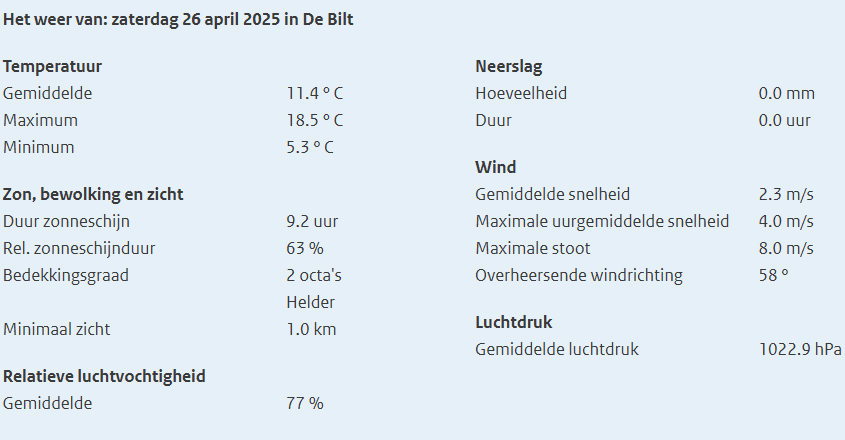
Weer:
Links:
In de geschiedenis

World Intellectual Property Day is observed
The event was established by the World Intellectual Property Organization (W
Vrijdag; Wat eten we vandaag?; Wereld Pinguïn Dag; Wereld Malaria Dag.
Wat eten we vandaag?:

Agenda:
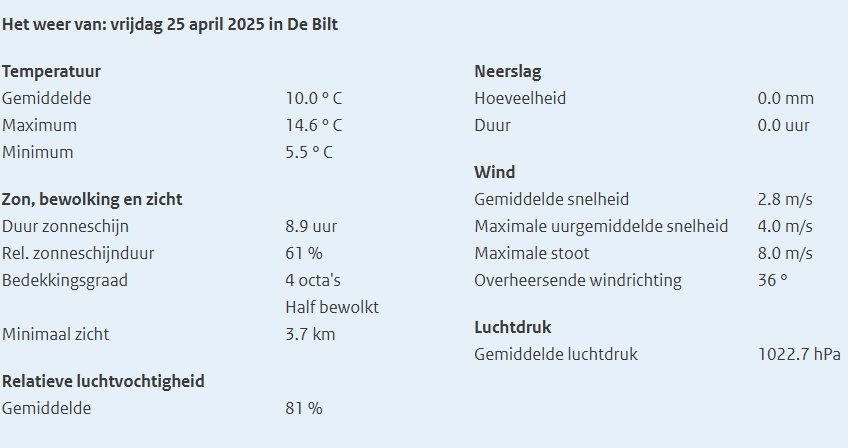
Weer:
Links:
In de geschiedenis

WHO and partners will mark World Malaria Day by celebrating the achievements of countries that are approaching – and achieving – malaria elimination.
They provide inspiration for all nations that are working to stamp out this deadly disease and improve the health and livelihoods of their populations. On World Malaria Day 2025, WHO joins the RBM Partnership to End Malaria and other partners in promoting “Malaria Ends With Us: Reinvest, Reimagine, Reignite”, a grassroots campaign that aims to re-energize efforts at all levels, from global policy to community action, to accelerate progress towards malaria elimination.
Links:
World Malaria Day
Driving a protective allele of the mosquito FREP1 gene to combat malaria – publication
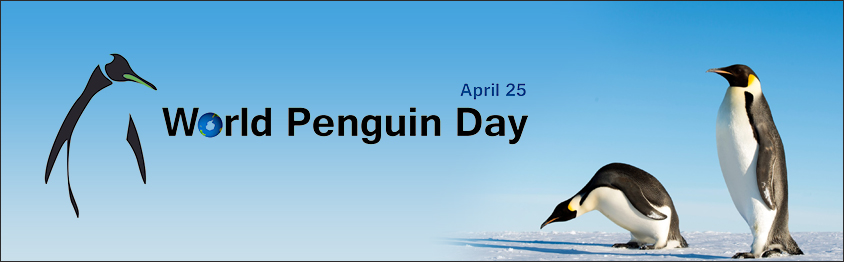
April 25th is World Penguin Day. This celebratory day coincides with the annual northern migration of Adelie penguins.
This intrinsic migration pattern is conserved across generations. Native to Antarctica are six breeding species, Emperor, King, Chinstrap, Adelie, Gentoo and Macaroni penguins. Most penguins are monogamous and have distinct calls, enabling them to locate their mates in large groups. Penguin species lay up to two eggs per mating season with the Emperor and King penguins laying only one egg. Alarmingly, of the 17 recognized living species, 11 have been listed as Vulnerable or Endangered.
Lin
World Penguin Day
Links:
Wikipedia
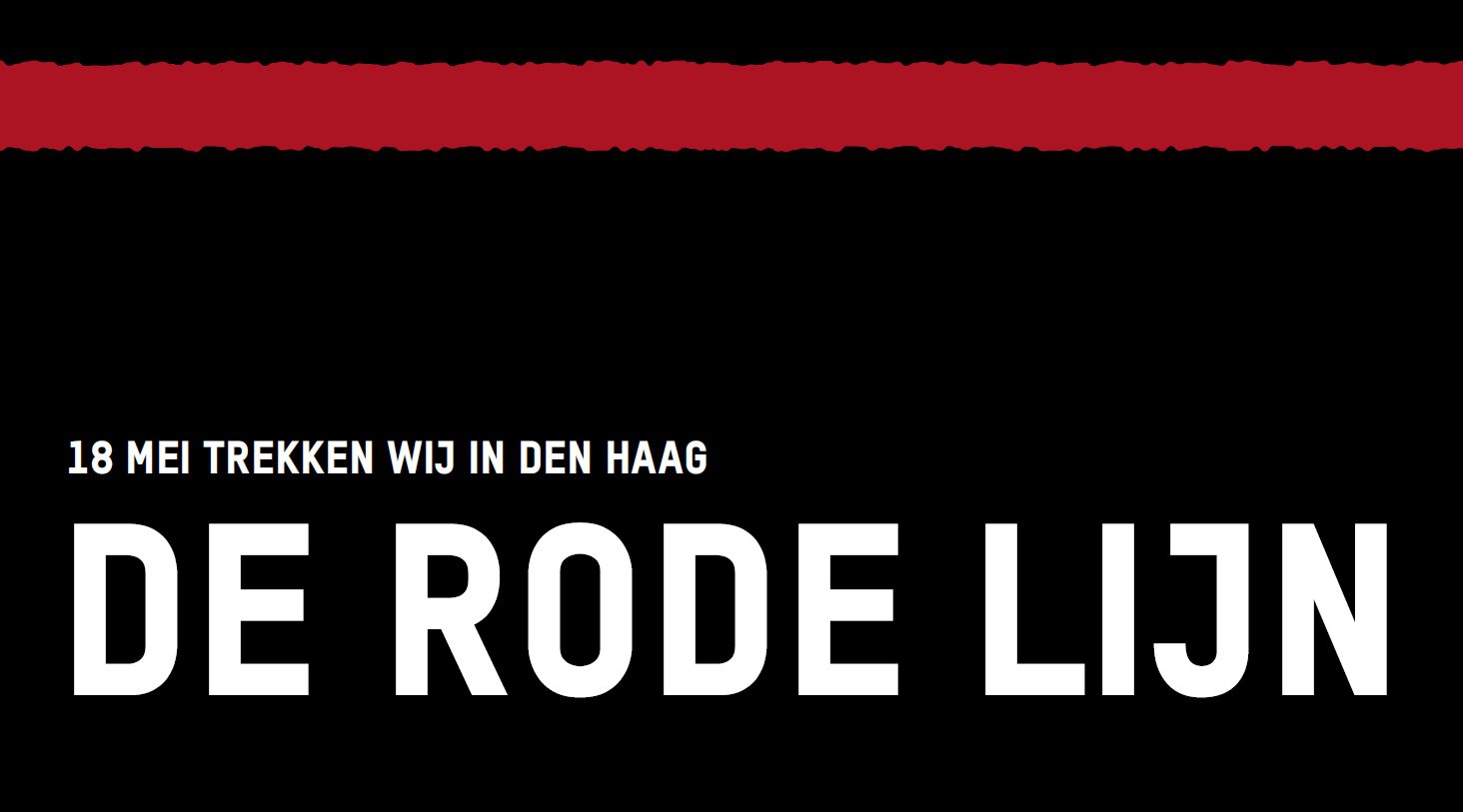
Kom 18 mei 2025 naar Den Haag, trek de rode lijn en eis met Amnesty, Artsen zonder Grenzen, BDS, Oxfam Novib, Palestijnse Gemeenschap Nederland, PAX, Plant een Olijfboom, Save the Children en The Rights Forum een einde aan Nederlandse medeplichtigheid aan Israëls oorlogsmisdaden.
Het kabinet-Schoof zakt ver door een morele én juridische ondergrens. Ondanks Israëls voortdurende schendingen van het oorlogsrecht, trekt onze regering geen rode lijn en weigert deze actie te ondernemen om straffeloosheid en medeplichtigheid te stoppen. Daarmee negeert de regering ook de oproep van een grote meerderheid van Nederlanders. Dat kan niet worden geaccepteerd. Er wordt een menselijke ketting gevormd in Den Haag met deelnemers in rode kleding om de rode lijn zichtbaar en krachtig te maken. Aanmelden gewenst.
Links:
Premier Schoof: als u geen rode lijn trekt, dan doen wij het
Wij trekken een rode lijn! Samen voor internationale solidariteit
Trek zondag met ons een Rode Lijn door Den Haag, of trek die vanuit huis
Donderdag; World Dark Sky Week; Wereldproefdierendag.
Knipselkrant:
Agenda:
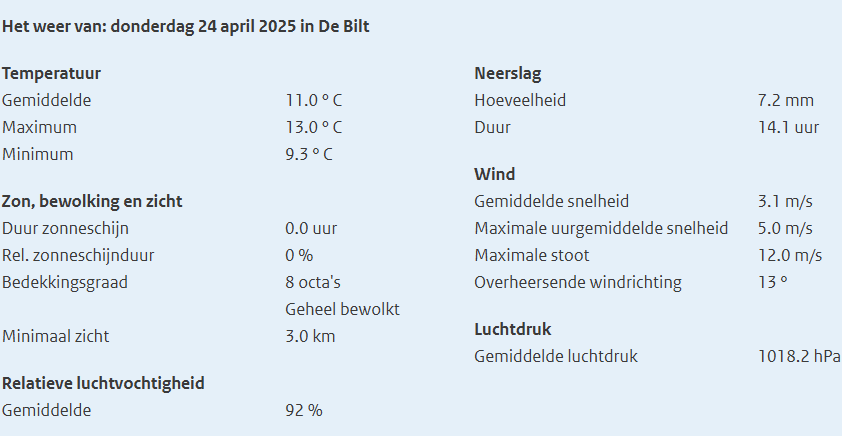
Weer:
Links:
In de geschiedenis

The United Nations Permanent Forum on Indigenous Issues (UNPFII or PFII) is the UN’s central coordinating body for matters relating to the concerns and rights of the world’s indigenous peoples.
There are more than 370 million indigenous people (also known as native, original, aboriginal and first peoples) in some 70 countries worldwide. The forum was created on 28 July 2000 by resolution 2000/22, as an outcome of the UN’s International Year for the World’s Indigenous People in 1993, within the first International Decade of the World’s Indigenous People (1995–2004). It is an advisory body within the framework of the United Nations System that reports to the UN‘s Economic and Social Council (ECOSOC). More specifically, the Permanent Forum:
The first meeting of the Permanent Forum was held in May 2002, with yearly sessions thereafter. The Forum usually meets for 10 days each year, at the UN Headquarters in New York. According to the ECOSOC resolution E/2000/22, the Forum may also meet at the UN Office in Geneva or at such other place that it decides. In addition to the six mandated areas (economic and social development, culture, the environment, education, health and human rights), each session is thematically focused on a specific issue. The Permanent Forum is one of three UN bodies that is mandated to deal specifically with Indigenous Peoples’ issues. The others are the Expert Mechanism on the Rights of Indigenous Peoples and the Special Rapporteur on the rights of Indigenous Peoples. The Permanent Forum’s engagement and role in promoting Indigenous Peoples’ rights are made possible through the Trust Fund on Indigenous Issues, which overall facilitates follow-up to the Forum’s recommendations, awareness raising and outreach on Indigenous issues as well as representation and participation of Permanent Forum members at international meetings of significance for its mandate. In addition, the Trust Fund provides support for the implementation of the United Nations Declaration on the Rights of Indigenous Peoples. DESA is charged with the overall management of the Trust Fund, which is placed under the Indigenous Peoples and Development Branch-Secretariat of the Permanent Forum on Indigenous Issues.
2025 Theme: “Implementing the United Nations Declaration on the Rights of Indigenous Peoples within United Nations Member States and the United Nations system, including identifying good practices and addressing challenges”
Links:
UNPFII Twenty-fourth Session: 21 April – 2 May 2025
United Nations Permanent Forum on Indigenous Issues (UNPFII)