Vroege Vogels TV | 27 april 2025 | Slikken van Voorne (TV NPO 2)

Vroege Vogels is een live-radioprogramma, tv-programma en online community van BNNVARA over natuur en milieu.

In het radioprogramma wordt het gesproken woord omlijst door licht klassieke muziek en salonmuziek. Het radioprogramma werd in 1978 voor het eerst uitgezonden door de VARA en is een van de langst lopende en best beluisterde radioprogramma’s van de publieke omroep. Het wordt elke zondagmorgen uitgezonden tussen 07:00 en 10:00 op NPO Radio 1. De beginmuziek is een bewerking van Vivaldi’s “Piccolo Concerto in C major” (RV 443). De tv editie wordt uitgezonden via NPO 2 op zondag, vaak rond een thema.

Waar ooit de Maas de zee instroomde, vormt zich nu een klein waddengebied vol leven: de Slikken van Voorne. De badgasten die per tram vanuit Rotterdam kwamen, zijn ingeruild voor moerasvogels op het Groene Strand. We zien veel bijzondere kevers, pluizen uilenballen om verborgen muizen te ontdekken en volgen meeuwen die vlak langs de windmolens van de Maasvlakte scheren. In het Oostvoornse Meer zien we brilduikers, middelste zaagbekken en een hele groep dodaars. Menno Bentveld gaat in het pikkedonker nog op zoek naar konijnen. En dat allemaal onder de rook van de Rotterdamse haven.
Links:
Vroege Vogels (na afloop terugkijken)

Vroege Vogels Radio | 27 april 2025 (Radio 1 NPO)

Vroege Vogels is een live-radioprogramma, tv-programma en online community van BNNVARA over natuur en milieu.

In het radioprogramma wordt het gesproken woord omlijst door licht klassieke muziek en salonmuziek. Het radioprogramma werd in 1978 voor het eerst uitgezonden door de VARA en is een van de langst lopende en best beluisterde radioprogramma’s van de publieke omroep. Het wordt elke zondagmorgen uitgezonden tussen 07:00 en 10:00 op NPO Radio 1. De beginmuziek is een bewerking van Vivaldi’s “Piccolo Concerto in C major” (RV 443).

Welke vogels doen mee aan het Nationaal Vogelconcert in het Utrechtse Griftpark? Primeur op website van Beleef de Lente: de eerste zoogdier-livestream van een woelmuis. Er is een nieuwe techniek om plastic uit het water te halen. En verder: koekoekgeluiden, kleine valeriaan, Kids Repair Cafe, Je hond eet je niet op, stikstof en hoogleraar Haasnoot over klimaatadaptatie. De column is deze week van Bibi Dumon Tak.

Links:
Vroege Vogels (na afloop terugluisteren)

World Tapir Day / Wereld Tapir Dag 2025

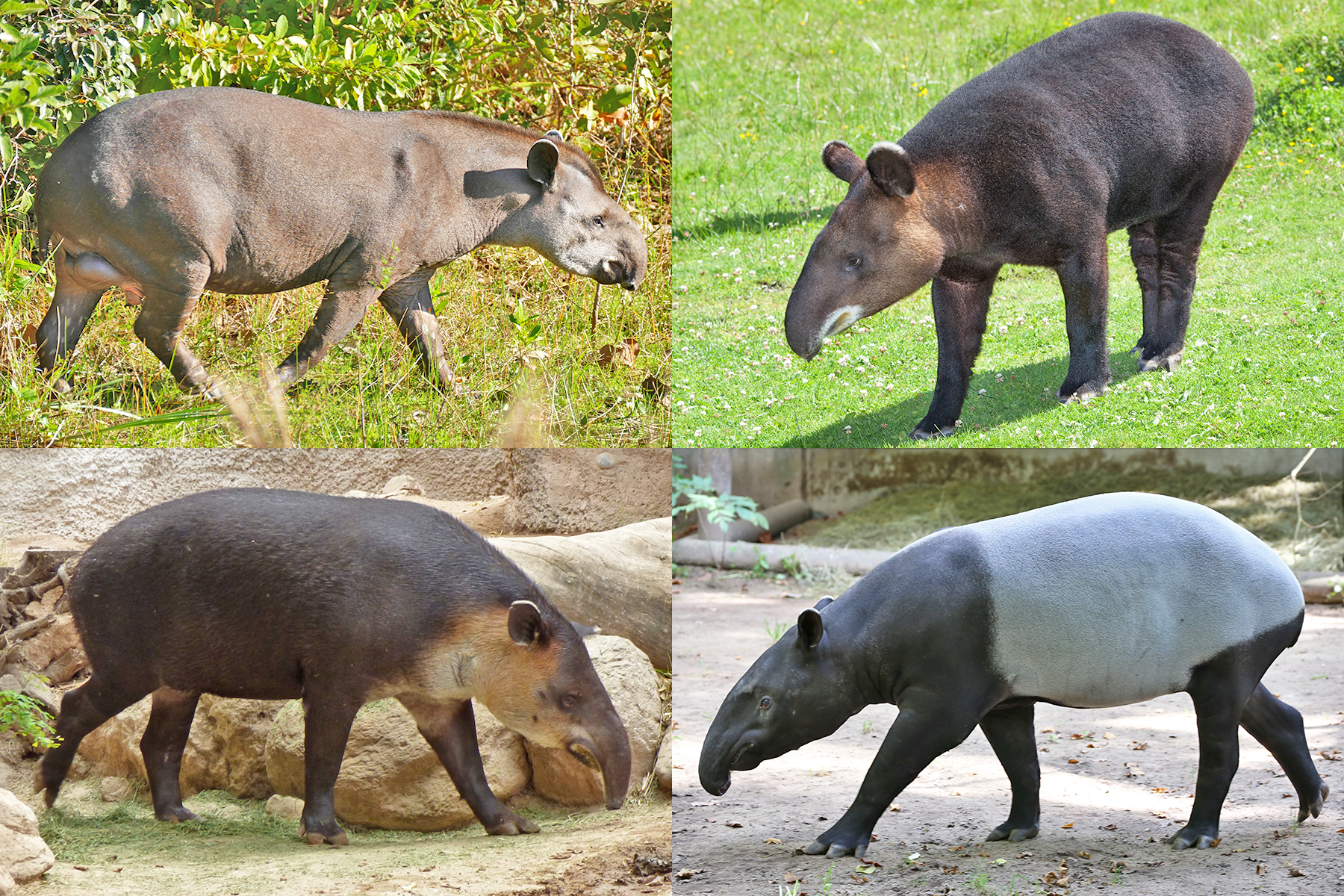
By 蕭漫 – Own work based onBernard DUPONT from FRANCEDavid SifryGreg Goebel from Loveland CO, USARufus46, CC BY-SA 4.0

World Tapir Day is celebrated on 27 April each year and exists to raise awareness about the species of tapir that inhabit Central and South America and Southeast Asia and to raise funds to purchase land to protect it from human encroachment.

Tapirs are large herbivorous mammals that inhabit jungle and forest regions of South America, Central America, and Southeast Asia. As large herbivores, tapirs are invariably the first species affected by human encroachment into their territory, and amongst the last to return to regrowth forest. They require substantial tracts of undisturbed land to maintain a genetically-diverse population. Tapirs inhabit jungles, grasslands, swamps and cloud forests, yet each is threatened by human activity – be that mining, palm oil plantations, roads or settlements. They form an important part of the ecosystem as seed dispersers, and form one of the oldest surviving genera in the animal kingdom. Despite their size, history and ecological importance, tapirs remain one of the least recognised species of animals. In comparison with other animals, tapirs feature little in the collective consciousness and are frequently misidentified by zoo visitors.

Even in their home ranges, tapirs receive little attention, with exotic species featuring more prominently in zoos, children’s books and the media. The plight of tapirs is symbolic for the wider threat to their habitats specifically, and the world’s ecology in general. The decline of tapir populations is indicative of the general health of their ranges; their disappearance from their home ranges often marks a point of ‘no return’ for the natural environment. The destruction of forests into small, isolated enclaves and the encroachment of human activity into pristine forests affects all native species. However, as the largest – yet perhaps the quietest – of animals in their ranges, tapirs disappear without trace with countless other species. All tapirs are endangered species. Saving tapirs helps to save the rainforest. Saving rainforests helps to save the planet and prevent climate change.

Links:
World Tapir Day: Discovering earth’s prehistoric wanderers

2025-04-26, Lief dagboek

Zaterdag; Wat eten we vandaag?; Koningsdag; Werelddag voor Intellectueel Eigendom.

Deze afbeelding heeft een leeg alt-attribuut; de bestandsnaam is dagboek.png

Wat eten we vandaag?:

Klik op afbeelding voor origineel

Koningsdag:

IMG20250426140731

In verband met familieomstandigheden was A3 in Groningen. Om even de zorgen te vergeten werd meegedaan met de festiviteiten van koningsdag en reisden broer en A3 naar de stad Groningen.

Knipselkrant:


Agenda:

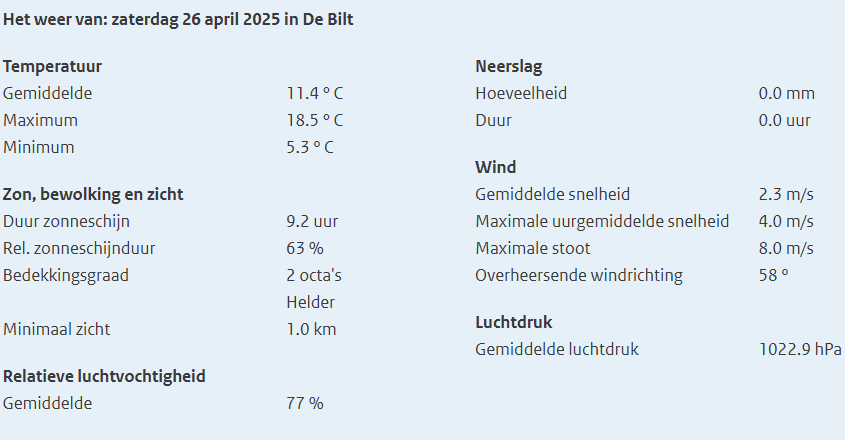
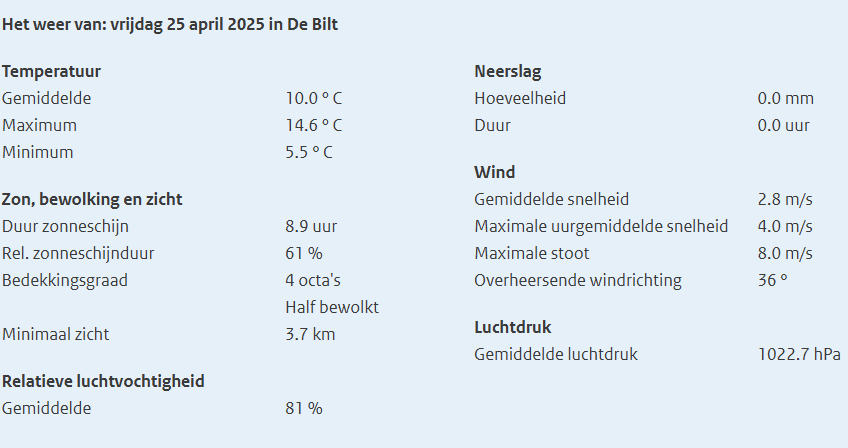
Weer:

Links:
In de geschiedenis

#WorldIPDay World Intellectual Property Day / Werelddag voor Intellectueel Eigendom 2025

World Intellectual Property Day is observed annually on 26 April.

The event was established by the World Intellectual Property Organization (WIPO) in 2000 to “raise awareness of how patentscopyrighttrademarks and designs impact on daily life” and “to celebrate creativity, and the contribution made by creators and innovators to the development of societies across the globe”. 26 April was chosen as the date for World Intellectual Property Day because it coincides with the date on which the Convention Establishing the World Intellectual Property Organization entered into force in 1970. This event has been criticized by a number of activists and scholars as one-sided propaganda in favor of traditional copyright, ignoring alternatives related to copyleft and the free culture movement.

Links:
World Intellectual Property Day

What is copyleft? / Copyleft: Pragmatic Idealism

World Malaria Day / Wereld Malaria Dag / World Malaria Report 2025

WHO and partners will mark World Malaria Day by celebrating the achievements of countries that are approaching – and achieving – malaria elimination.

They provide inspiration for all nations that are working to stamp out this deadly disease and improve the health and livelihoods of their populations. On World Malaria Day 2025, WHO joins the RBM Partnership to End Malaria and other partners in promoting “Malaria Ends With Us: Reinvest, Reimagine, Reignite”, a grassroots campaign that aims to re-energize efforts at all levels, from global policy to community action, to accelerate progress towards malaria elimination.

Links:
World Malaria Day

Zero malaria starts with me

World malaria report 2024

Can dogs sniff out malaria?

Driving a protective allele of the mosquito FREP1 gene to combat malaria – publication

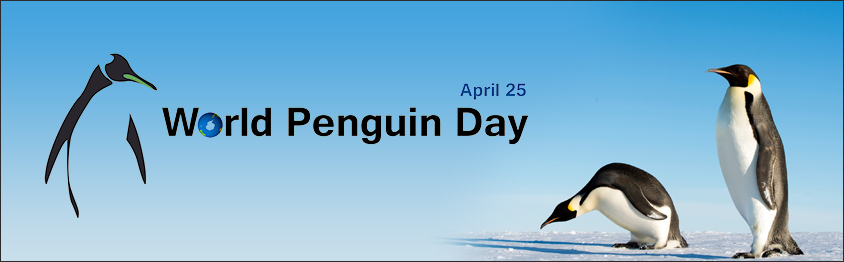
World Penguin Day / Wereld Pinguïn Dag 2025

April 25th is World Penguin Day. This celebratory day coincides with the annual northern migration of Adelie penguins.

This intrinsic migration pattern is conserved across generations. Native to Antarctica are six breeding species, Emperor, King, Chinstrap, Adelie, Gentoo and Macaroni penguins. Most penguins are monogamous and have distinct calls, enabling them to locate their mates in large groups. Penguin species lay up to two eggs per mating season with the Emperor and King penguins laying only one egg. Alarmingly, of the 17 recognized living species, 11 have been listed as Vulnerable or Endangered.

Links:
World Penguin Day