In de geschiedenis
Links:
Wikipedia
Links:
Wikipedia

Tijdens het Groene Filmfestival, initiatief van De Groene Stelling, reizen we langs diverse locaties in en rondom Amsterdam – van boerderijen en buurthuizen tot bioscopen – en vertonen inspirerende documentaires over natuur, landbouw, en voedselproductie, gevolgd door verdiepende gesprekken met het publiek.
Wat betekent voedsel voor jou? Hoe ziet een toekomstbestendig landschap eruit? En welke rol kunnen wij daarin spelen – als burger, boer of beleidsmaker? Samen staan we stil bij het veranderende landschap dat ons voedt en verbindt. We onderzoeken hoe voedselproductie, natuur en leefomgeving met elkaar verweven zijn – en hoe we samen kunnen bouwen aan een toekomst waarin mens en omgeving in balans zijn. Door de lens van film en in open dialoog creëren we bewustwording over duurzaamheid en maken we ruimte voor nieuwe perspectieven. Kom kijken, luisteren en meepraten over een toekomst waarin voedsel en landschap ons verbindt. Amsterdam heeft de ambitie om 25% van het geconsumeerde voedsel uit de regio te betrekken. Maar kennen we de mensen die ons eten verbouwen eigenlijk wel? Tijdens het Groene Filmfestival brengen we de werelden van stad en platteland dichter bij elkaar. Voedselproducenten en consumenten ontmoeten elkaar en gaan in gesprek. Zo bouwen we aan wederzijds begrip, samenwerking en een veerkrachtiger voedselsysteem.
Links:
Groene Filmfestival

Tegenlicht is een informatief televisieprogramma van de VPRO maandelijks op de eerste zondag op NPO 2.
Dit is helaas de allerlaatste aflevering van VPRO Tegenlicht op lineaire televisie.
Door de VPRO wordt het programma bestempeld als documentaire op het vlak van politiek, economie, sociologie en wetenschap. Het programma stelt zich ten doel inzicht in de werking van de samenleving te verschaffen.
VPRO Tegenlicht gaat op zoek naar de langetermijneffecten van het massaal inhuren van consultants. Wat gebeurt er als een ministerie zelf niet meer genoeg kennis in huis heeft? Hoe komt het dat de consultancy-industrie zo hard groeit? Kun je het consultants kwalijk nemen dat zij de overheid aan een oneindig consultancy-infuus hebben gelegd? En kunnen we de overheid ook versterken, zodat ze in staat is zelf de regie te nemen bij de grote opgaven van deze tijd?
Links:
VPRO Tegenlicht (info – online bekijken)
Praat na afloop mee tijdens de digitale Tegenlicht Meet-up
VPRO stopt met Tegenlicht: ‘Je gooit iets weg wat niet zomaar terug te krijgen is’
Zaterdag; Wat eten we vandaag?; Gaza; Cosmos 482; Een digitale tweeling van onze aarde; het woord ‘antisemitisme’; TrumpGas; Wereld Lupus Dag; Day of the Argania tree; Monty Python dag.

Wat eten we vandaag?:
Knipselkrant:
Agenda:
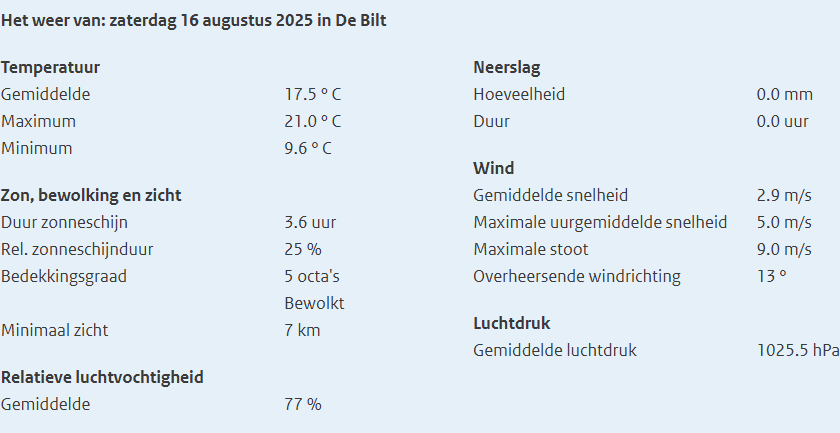
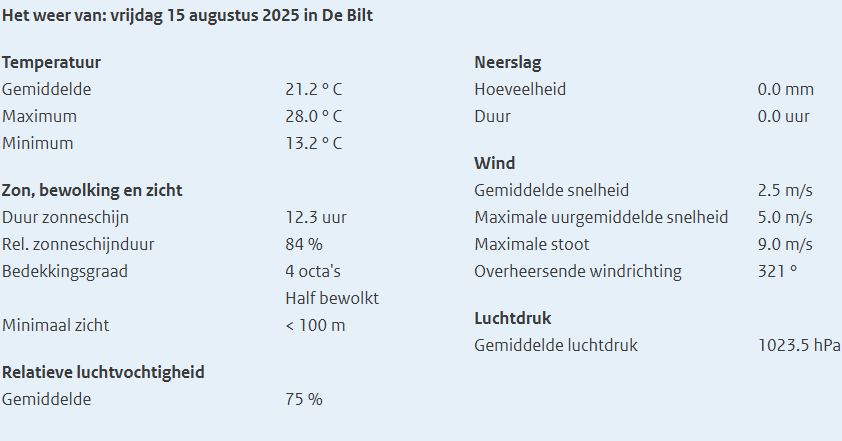
Weer:

Links:
In de geschiedenis

The argan tree (Argania spinosa) is a native species of the sub-Saharan region of Morocco, in the southwest of the country, which grows in arid and semiarid areas.
It’s the defining species of a woodland ecosystem, also known as Arganeraie, which is rich in endemic flora. It is resilient to a harsh environment under water scarcity, risk of erosion and poor soils. This ecosystem of extraordinary beauty is not only important in terms of conservation, but also for research and socio-economic development, due to its forestry, agricultural and livestock use. The argan tree woodlands provide forest products, fruits and fodder. The leaves and the fruits are edible and highly appreciated, as is the undergrowth, and constitute a vital fodder reserve for all herds, even in periods of drought. The trees are also used as fuelwood for cooking and heating. The world-renowned argan oil is extracted from the seeds and has multiple applications, especially in traditional and complementary medicine and in the culinary and cosmetic industries. The United Nations Educational Scientific and Cultural Organization (UNESCO) designated in 1988 the endemic production area as the Arganeraie Biosphere Reserve. Also, all know-how concerning the argan tree was inscribed in 2014 on the UNESCO Representative List of the Intangible Cultural Heritage of Humanity. Moreover, in December 2018, FAO recognized the Argan-based agro-sylvo-pastoral system within the area of Ait Souab – Ait Mansour in Morocco as a Globally Important Agricultural Heritage System. And lastly, in 2021, the United Nations General Assembly proclaimed 10 May the International Day of Argania. The resolution, submitted by Morocco, was co-sponsored by 113 member states of the United Nations and adopted by consensus.
Links:
Day of the Argania tree

World Lupus Day wordt georganiseerd door de World Lupus Federation en heeft als doel de levenskwaliteit te verbeteren voor lijders aan de mogelijk fatale auto-immuunziek
Maar wil ook zorgen dat onderwijs, de gezondheidszorg en andere instanties toegankelijk zijn en blijven. En maakt zich hard voor meer onderzoek naar de oorzaken van lupus, eerdere diagnose en behandeling en wereldwijd betere epidemiologisch
*(bron: worldlupusday.o
Links:
World Lupus Day

International Monty Python Status Day is an annual event intended to raise awareness of how delightfully silly Monty Python is!
Invite your friends to spread the good cheer and delightful humour. Particip
Broadca
Links:
In
Quantifying the benefits of inefficient walking: Monty Python inspired laboratory based experimental study – publication / O
Links:
Wikipedia
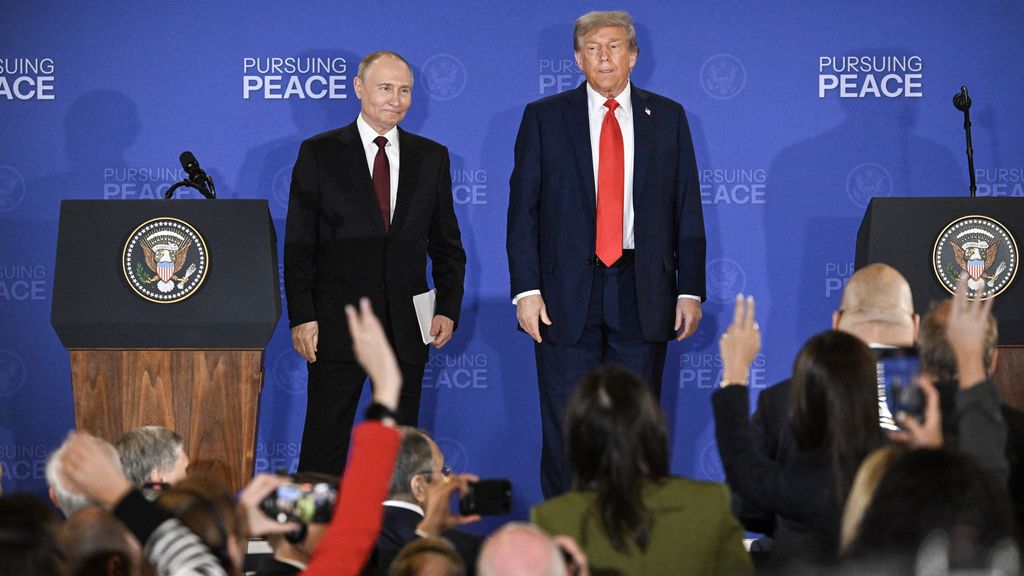
The REPowerEU Roadmap, presented today by the European Commission, paves the way to ensure the EU’s full energy independence from Russia.
The EU will end its dependency on Russian energy by stopping the import of Russian gas and oil and phasing out Russian nuclear energy, while ensuring stable energy supplies and prices across the Union. Despite the significant progress achieved under the REPowerEU Plan and via sanctions since Russia’s invasion of Ukraine, in 2024 the EU saw a rebound in Russian gas imports. More coordinated actions are therefore needed, as the EU’s overdependency on Russian energy imports is a security threat. The roadmap sets out a gradual removal of Russian oil, gas and nuclear energy from the EU markets which will take place in a coordinated and secure manner as we advance our energy transition. The measures have been designed to preserve the security of the EU’s energy supply while limiting any impact on prices and markets. As of 2025, the global LNG supplies are foreseen to grow rapidly, while gas demand will decrease. With the full implementation of the energy transition framework and the Action Plan for Affordable Energy, the EU is expected to replace up to 100 billion cubic meters of natural gas by 2030, which means a decrease in demand by 40-50 bcm by 2027. At the same time, LNG capacities are expected to increase by around 200 bcm by 2028, which is five times more than current EU imports of Russian gas. This roadmap will be followed by legislative proposals by the Commission in June, 2025.
Links:
Roadmap towards ending Russian energy imports
EU sets 2027 as deadline to phase out all Russian energy, including LNG
Join the EU-funded SPRINT project as we share our much-anticipated final results and key messages surrounding the impacts of pesticides on environmental and human health.
This event will bring together key stakeholders from European institutions, agriculture, advisory services, NGOs, and research to discuss pressing challenges and innovative solutions. Experts will present insights on environmental and health impacts of pesticides, followed by discussions on transition strategies and successful initiatives. Participants will have opportunities for exchange, whether through a dedicated poster session, interactive discussions, or informal networking. A strong focus will be placed on policy recommendations, encouraging active engagement and diverse perspectives. The conference will conclude with a collective reflection, summarizing key takeaways and outlining future directions.