Bob Marley geboortedag (1945) 2026

Bob Marley

Robert Nesta (Bob) Marley (Nine Miles6 februari 1945 – Miami11 mei 1981) was een Jamaicaans reggae-artiest. Hij draagt de bijnaam The King of Reggae. Hij was een van de belangrijkste verantwoordelijken voor de doorbraak van reggae buiten Jamaica en gold tevens als belangrijk voorvechter van het rastageloof.

Marley had tijdens de jaren 70 over de hele wereld reggaehits, als No Woman, No Cry en I Shot the Sheriff. Hij bracht reggaealbums uit als Exodus en Uprising. Samen met zijn vrouw Rita Marley is hij een symbool voor de rastafari-beweging.

Links:
Bobmarley.com

Bob Marley YouTube

Bob Marley & The Wailers afspeellijst Spotify

Bob Marley LEGACY Series

Bob Marley’s funeral, 21 May 1981: a day of Jamaican history
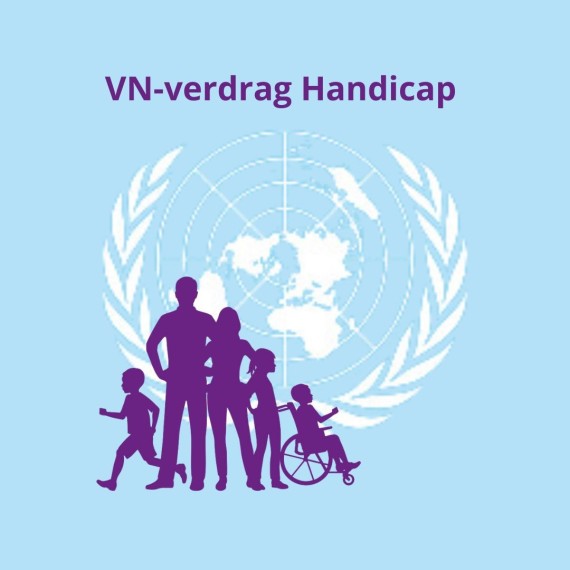
Ondertekening door Nederlandse overheid van het Facultatief Protocol bij het VN-verdrag Handicap

VN-verdrag Handicap

Staatssecretaris Pouw-Verweij (VWS) heeft op dinsdag 27 januari 2026 bij de Verenigde Naties in New York namens het kabinet het Facultatief Protocol ondertekend dat hoort bij het VN-verdrag Handicap.

Dit protocol geeft mensen de mogelijkheid om een klacht in te dienen bij het toezichthoudende VN-comité wanneer er volgens hen niet aan het VN-verdrag Handicap wordt voldaan.

Links:
Belangrijke stap naar sterkere rechtspositie voor mensen met een beperking

Kabinet besluit eindelijk tot ratificatie VN-protocol

Verdrag inzake de rechten van personen met een handicap, New York, 13-12-2006

#COSP 18th Session Of The Conference Of States Parties To The CRPD

VN-conventie inzake rechten van personen met een handicap – ratificatie door Nederland

2026-01-27, Lief dagboek

Dinsdag; Wat eten we vandaag?; gemeenteraadsverkiezingen; Olympische Winterspelen & ICE; Iran; Holocaust Herdenking; datalekken bij gemeenten; VN-verdrag Handicap.

Deze afbeelding heeft een leeg alt-attribuut; de bestandsnaam is dagboek.png

Wat eten we vandaag?:

Klik op afbeelding voor origineel

Knipselkrant:


Agenda:

Weer:

Links:
In de geschiedenis

#HolocaustRemembranceDay Holocaust Herdenking 2026

De Wereld Herdenkingsdag voor de Holocaust (Engels: World Holocaust Remembrance Day) wordt jaarlijks gehouden op 27 januari, op deze dag herdenkt men de Holocaust, waarbij door genocide ongeveer 6 miljoen Joden zijn omgekomen, en ook worden de andere slachtoffers van de naziperiode herdacht.

De dag wordt gehouden sinds de aanname van resolutie 60/7 van de Verenigde Naties op 1 november 2005. Voor 27 januari is gekozen omdat op 27 januari 1945 soldaten van het Sovjetleger de overlevenden van het concentratiekamp Auschwitz bevrijdden. In Duitsland heet deze dag de Tag des Gedenkens an die Opfer des Nationalsozialismus. De herdenkingsdag werd daar op 3 januari 1996 voorgesteld door de toenmalige Duitse president Roman Herzog. In Nederland organiseert het Nederlands Auschwitz Comité op de laatste zondag van januari de jaarlijkse Nationale Holocaust Herdenking (voorheen de Auschwitzherdenking) bij het Spiegelmonument ‘Nooit Meer Auschwitz’ in het Wertheimpark in de oude Amsterdamse Jodenbuurt.

[Toch jammer dat we er nog steeds niets van hebben geleerd…, sterker nog: uitgerekend sommigen van de nazaten van de joodse slachtoffers lijken te proberen de nazi’s te overtreffen, red.]

Links:
Holocaust Remembrance

AP: datalekken door misbruik persoonsgegevens bij gemeenten blijven vaak onder de radar – publicatie

autoriteit persoonsgegevens

Gemeenten vinden het lastig om misbruik van persoonsgegevens door eigen ambtenaren te signaleren.

Het gaat dan bijvoorbeeld om ambtenaren die onder druk informatie verstrekken aan criminelen. Dit soort datalekken komt meestal pas aan het licht als de Rijksrecherche of een inwoner de gemeente erop wijst. Gemeenten die het misbruik wel ontdekken, melden zo’n datalek regelmatig niet aan de Autoriteit Persoonsgegevens (AP), terwijl dat wel zou moeten. Dat staat in een verkennend onderzoek van de AP. De AP roept gemeenten op datalekken door integriteitsschendingen te voorkomen, op te sporen en aan te pakken, en geeft daarvoor diverse adviezen. Jaarlijks ontvangt de AP van ongeveer 10 tot 20 gemeenten een datalekmelding waarbij een ambtenaar onrechtmatig persoonsgegevens bekeek. Het gaat dan bijvoorbeeld om een ambtenaar die:

  • onder druk of tegen betaling gegevens deelt met een criminele organisatie;
  • vanwege een familieconflict informatie opzoekt over familie in gemeentesystemen;
  • uit nieuwsgierigheid de gegevens van een BN’er bekijkt.

Links:
AP: datalekken door misbruik persoonsgegevens bij gemeenten blijven vaak onder de radar

AP: datalekken bij gemeenten vaak niet gemeld als het om corrupte ambtenaar gaat

2026-01-26, Lief dagboek

Maandag; Wat eten we vandaag?; Significant Winter Storm USA; Shootings by US immigration agents; Natuurtafel; Vogelgriep; Day of Clean Energy; North Sea Summit; Australia Day / Invasion Day / Day of Mourning; Data Privacy Week; EFF Copyright Week.

Deze afbeelding heeft een leeg alt-attribuut; de bestandsnaam is dagboek.png

Wat eten we vandaag?:

Klik op afbeelding voor origineel

Knipselkrant:


Agenda:

Weer:

Links:
In de geschiedenis

EFF Copyright Week 2026

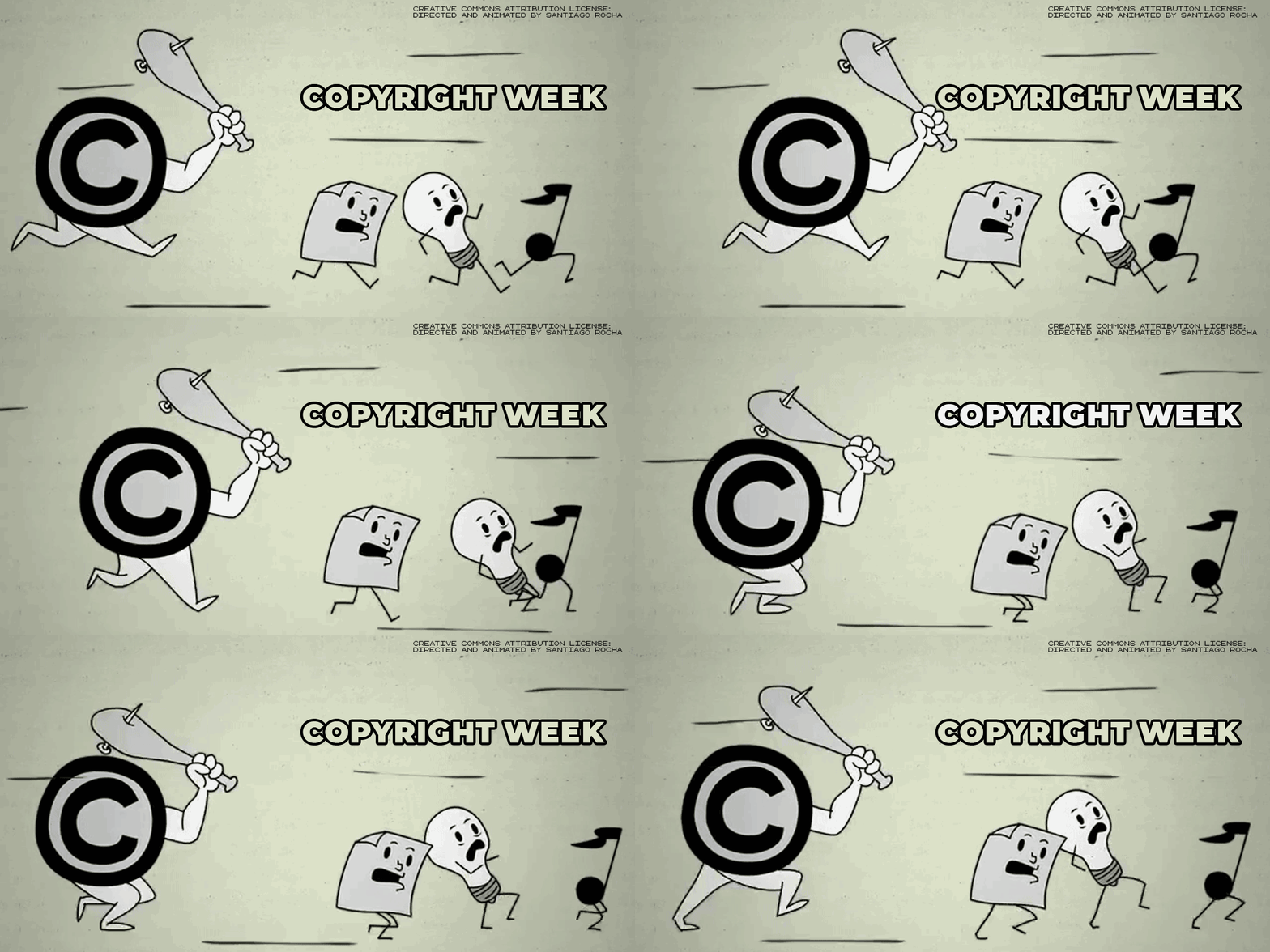
EFF Copyright Week

Copyright Week, a series of actions and discussions supporting key principles that should guide copyright policy.

Every day this week, various groups are taking on different elements of copyright law and policy, and addressing what’s at stake, and what we need to do to make sure that copyright promotes creativity and innovation. There’s a crisis of creativity in mainstream American culture. We have fewer and fewer studios and record labels and fewer and fewer platforms online that serve independent artists and creators. At its core, copyright is a monopoly right on creative output and expression. It’s intended to allow people who make things to make a living through those things, to incentivize creativity. To square the circle that is “exclusive control over expression” and “free speech,” we have fair use. However, we aren’t just seeing artists having a time-limited ability to make money off of their creations. We are also seeing large corporations turn into megacorporations and consolidating huge stores of copyrights under one umbrella. When the monopoly right granted by copyright is compounded by the speed and scale of media company mergers, we end up with a crisis in creativity. People have been complaining about the lack of originality in Hollywood for a long time. What is interesting is that the response from the major studios has rarely, especially recently, to invest in original programming. Instead, they have increased their copyright holdings through mergers and acquisitions. In today’s consolidated media world, copyright is doing the opposite of its intended purpose: instead of encouraging creativity, it’s discouraging it. The drive to snap up media franchises (or “intellectual properties”) that can generate sequels, reboots, spinoffs, and series for years to come has crowded out truly original and fresh creativity in many sectors. And since copyright terms last so long, there isn’t even a ticking clock to force these corporations to seek out new original creations. In theory, the internet should provide a counterweight to this problem by lowering barriers to entry for independent creators. But as online platforms for creativity likewise shrink in number and grow in scale, they have closed ranks with the major studios. It’s a betrayal of the promise of the internet: that it should be a level playing field where you get to decide what you want to do, watch, listen to, read. And our government should be ashamed for letting it happen.  

Links:
EFF Copyright Week 2026

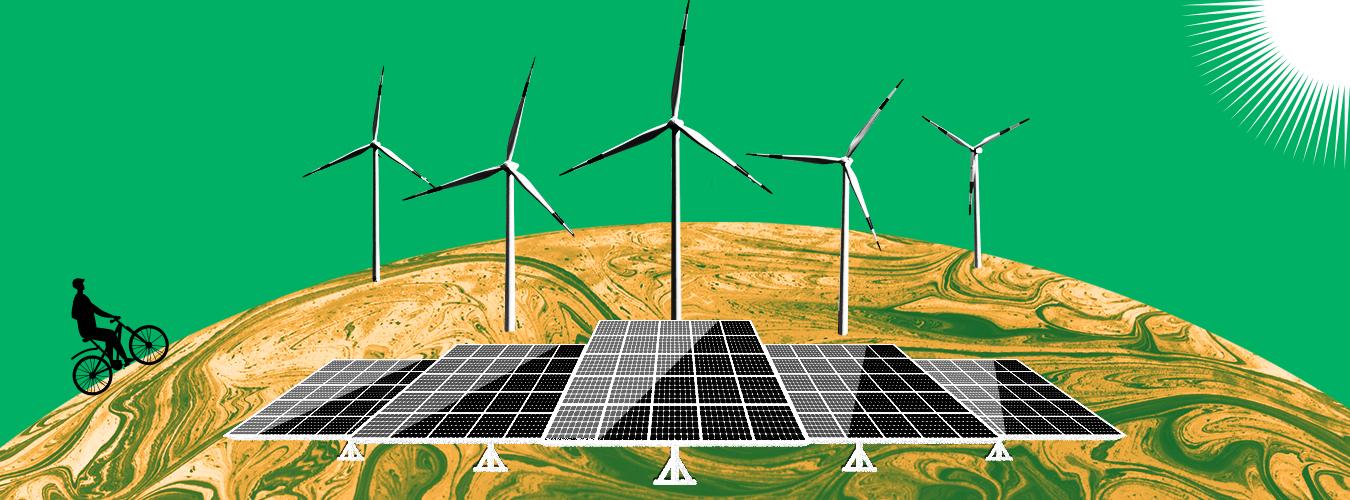
Day of Clean Energy 2026

The International Day of Clean Energy on 26 January was declared by the General Assembly (resolution A/77/327) as a call to raise awareness and mobilize action for a just and inclusive transition to clean energy for the benefit of people and the planet.

26 January is also the founding date of the International Renewable Energy Agency (IRENA), a global intergovernmental agency established in 2009 to support countries in their energy transitions, serve as a platform for international cooperation, and provide data and analyses on clean energy technology, innovation, policy, finance and investment. Energy lies at the core of a double challenge: leaving no one behind and protecting the Planet. And clean energy is crucial to its solution. In a world grappling with climate change, clean energy plays a vital role in reducing emissions, and can also benefit communities lacking access to reliable power sources. Still today, 666 million people live in the dark – more than 85 per cent of them in Sub-Saharan Africa. The connection between clean energy, socio-economic development, and environmental sustainability is crucial in addressing issues faced by vulnerable communities worldwide. For populations without clean energy access, the lack of reliable power hinders education, healthcare, and economic opportunities, and many of these developing regions still rely heavily on polluting fossil fuels for their daily life, perpetuating poverty. An estimated 1.5 billion people in rural areas still use unsafe, unhealthy and inefficient cooking systems, such as burning wood or dung, and the number of people without clean cooking in Sub-Saharan Africa continues to rise at a rate of 14 million people yearly because of population growth.

Although this situation has been gradually improving, the world is not on track to achieve Sustainable Development Goal 7 (SDG7), which aims to ensure access to affordable, reliable, sustainable and modern energy for all by 2030. On a positive note, notable progress is being made on the transition to clean energy: installed renewables capacity per capita has continued to grow each year, reaching a new high of 341 watts per capita in developing countries, up from 155 watts in 2015. But adopting clean energy is integral to the fight against climate change, as well. A large chunk of the greenhouse gases that blanket the Earth and trap the Sun’s heat are generated through energy production, by burning fossil fuels (oil, coal, and gas) to generate electricity and heat. The science is clear: to limit climate change, we need to end our reliance on fossil fuels and invest in alternative sources of energy that are clean, accessible, affordable, sustainable, and reliable. Renewable energy sources – which are available in abundance all around us, provided by the sun, wind, water, waste, and heat from the Earth – are replenished by nature and emit little to no greenhouse gases or pollutants into the air. At the same time, improving energy efficiency is key. Using less energy for the same output – through more efficient technologies in the transport, building, lighting, and appliances sectors for instance: saves money, cuts down on carbon pollution, and helps ensure universal access to sustainable energy for all.

Links:
Day of Clean Energy

Australia Day / Invasion Day / Day of Mourning 2026

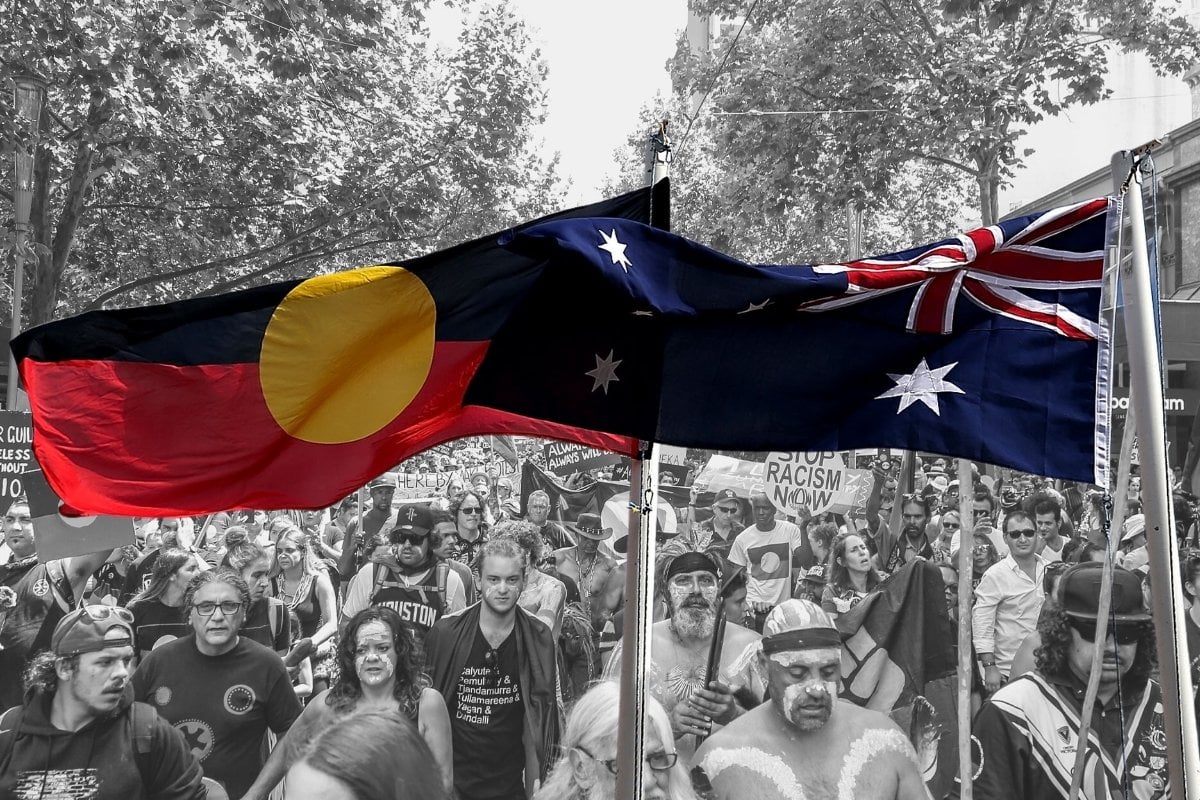
Australia Day is celebrated on 26 January, the anniversary of Britain’s First Fleet arriving in Sydney in 1788, the day is controversial as it marks the start of Australia’s colonisation.

Branded by its critics as “Invasion Day”, it attracts annual protest rallies drawing attention to the injustices faced by Indigenous people.

Links:
Australia Day: Thousands defy Covid rules in ‘Invasion Day’ protests

Australia Day – Invasion Day

The Day of Mourning