
Sit-ins op stations in heel Nederland

Wekelijkse Sit-ins op Stations op donderdag voor Gaza door heel Nederland: neem een pan en lepel mee om luid te zijn, bordjes met je boodschap of beelden, en oordoppen om je gehoor te beschermen.

Wekelijkse Sit-ins op Stations op donderdag voor Gaza door heel Nederland: neem een pan en lepel mee om luid te zijn, bordjes met je boodschap of beelden, en oordoppen om je gehoor te beschermen.
Sit-in door een groep Nederlandse ambtenaren die zich ernstige zorgen maakt over het aanhoudende Israëlische offensief in Gaza – dat volgens het Internationaal Gerechtshof bestempeld werd als plausibele genocide- en het Nederlandse beleid in reactie hierop.
Je kent ze misschien van de sit-ins die elke donderdag om 12:00 plaatsvinden voor het Ministerie van Buitenlandse Zaken. Als ambtenaren zijn zij doordrongen van het belang van internationaal recht. Ze legden een eed af op de Grondwet, inclusief artikel 90 waarin staat dat de regering de internationale rechtsorde bevordert. Het is aan de politiek om het beleid uiteen te zetten, dat klopt. Maar ook de politiek heeft zich te houden aan onze Grondwet en aan internationaal verdragsrechtelijke verplichtingen. Het is aan ambtenaren om de politiek erop te wijzen wanneer beleid het internationaal recht (mogelijk) schaadt. En die taak – die plicht – nemen zij zeer serieus. Zij verwachten van onze regering dat zij zich onvermoeibaar in gaat zetten voor consistente naleving van het internationaal recht. Concreet stellen zij vier eisen aan de Nederlandse regering en verwachten wij van de regering dat alle diplomatieke middelen worden aangewend om onderstaande te bewerkstelligen:
1. Maximale inzet op een onmiddellijk en permanent staakt-het-vuren en volledige humanitaire toegang tot Gaza.
2. Een eind aan alle vormen van steun voor én rechtvaardiging van Israëls huidige militaire optreden in Gaza en erkenning van het internationale humanitaire en oorlogsrecht;
3. De onmiddellijke naleving van recente uitspraken van het Internationaal Gerechtshof (ICJ).
4. Een strategie voor duurzame vrede, met garanties voor de mensenrechten en veiligheid van zowel Palestijnen als Israëliërs.
Links:
Ambtenaren en de Grondwet

Purple Day is a global grassroots event formed with the intention to increase worldwide awareness of epilepsy, and to dispel common myths an
Furthe
Links:
Purple Day
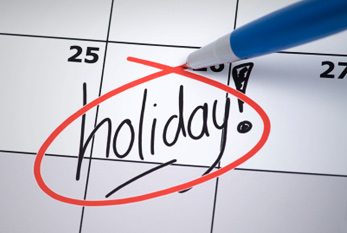
Make Up Your Own Holiday Day takes place every March 26, now it’s your turn: Make Your Own Holiday Day allows you to make today a special holiday for anything you want.
Holidays are designated as having special significance for which individuals, a government, or a religious group have deemed that observance is warranted. Unofficial holidays are holidays that are not traditionally marked on calendars. These holidays are celebrated by various groups and individuals. Some promote a cause, others recognize historical events not officially recognized, and others are “funny” holidays celebrated with humorous intent. Make Up Your Own Holiday Day isn’t quite like other holidays. It’s not about celebrating something specific; it’s more about you celebrating yourself and your family by creating a tradition specific to your tastes and interests. Or, at least, that was the intended purpose for the holiday according to its originators, Thomas and Ruth Roy, owners of Well Cat Holidays. Creators of over 80 copyrighted holidays, The Roys thought a day where people could decide what they wanted to celebrate would be the perfect addition to their extensive catalog of traditions. On Make Up Your Own Holiday Day, you can celebrate whatever you’d like, whether your made-up day is as simple as “Read a Book By the Fire” Day or something silly, like “Hold a Conversation with your Pets” day. Since Make Up Your Own Holiday Day is about celebrating things that are important to you, the first thing to do is list what those things are. From there, you commemorate your eccentricities in your own special manner, which could mean taking a day for yourself or gathering family and friends for time to bond.
Links:
Wikipedia
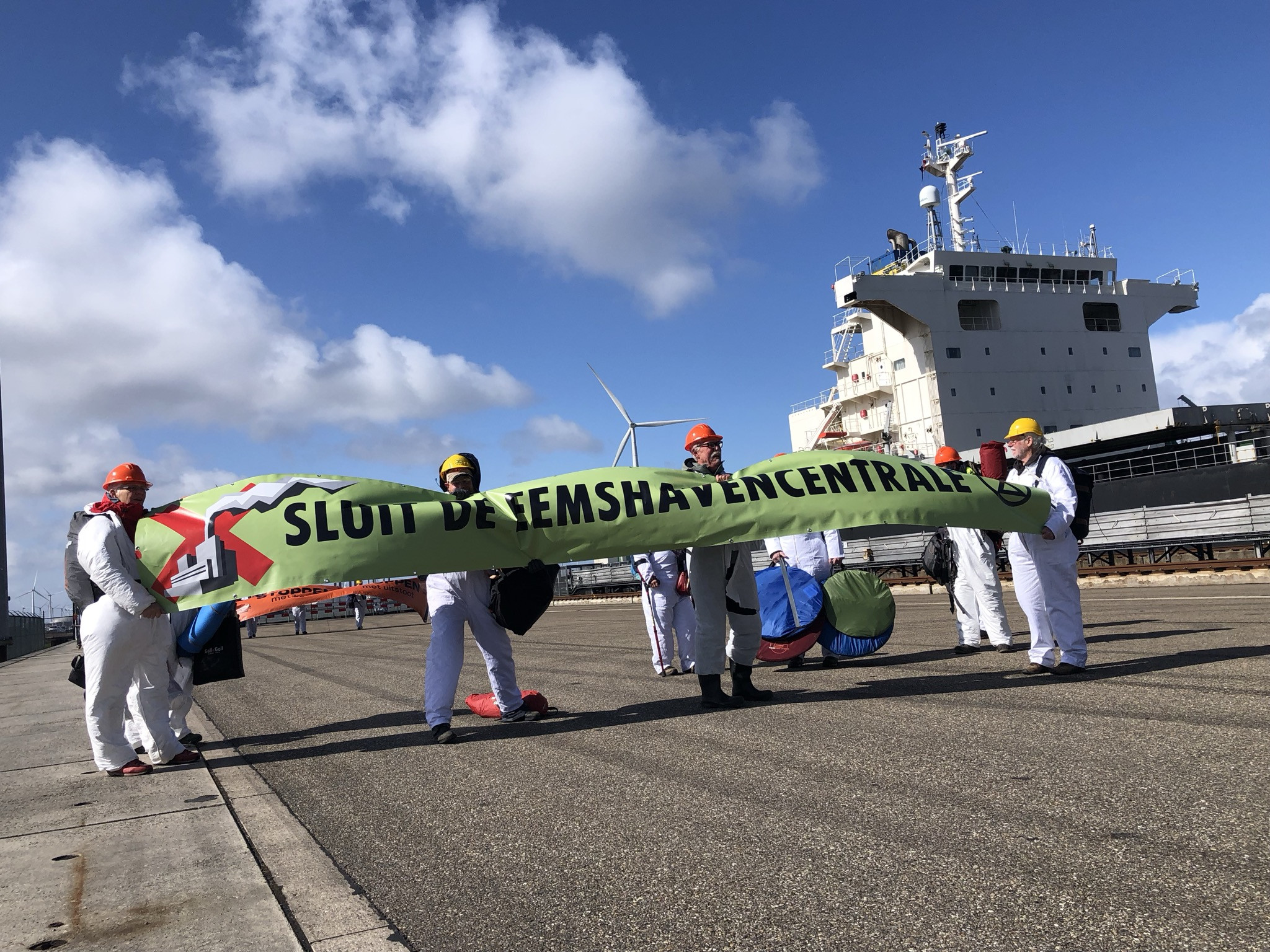 Sluit de Eemshavencentrale!
Op donderdag 26 maart 2026 bezetten 30 rebellen van Extinction Rebellion (XR) de kolen- en biomassacentrale van RWE. Ze hebben tenten opgezet op de kade om te kunnen overnachten en verhinderen hiermee dat de schepen met steenkool en biomassa hun dodelijke lading kunnen lossen. De eis is: sluit per direct de Eemshavencentrale!
Woensdag; Wat eten we vandaag?; Pesticide Action Week; Vroege Vogels; Belast oorlogswinst van oliebedrijven; Dag van Solidariteit voor Ontvoerde en Vermiste VN-medewerkers; Herdenkingsdag van de Slachtoffers van Slavernij en de trans-Atlantische Slavenhandel; Benzene and other hazardous air pollutants in consumer-grade natural gas in Europe; EU, stem de fossiele deal met Trump weg.

Wat eten we vandaag?:

Knipselkrant:
Agenda:
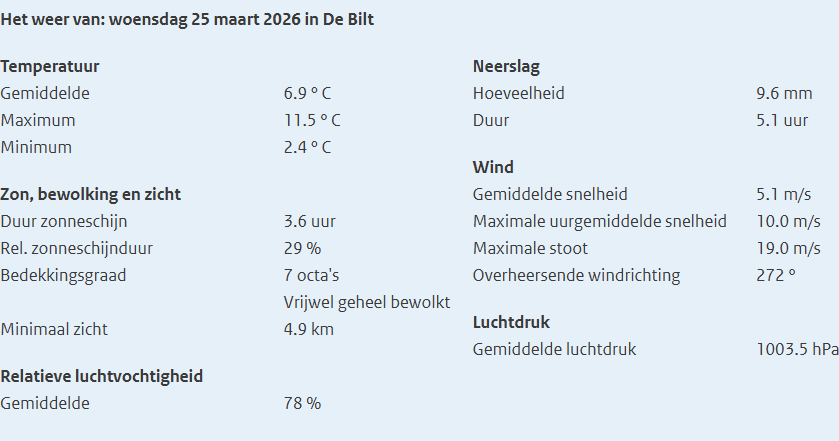
Weer:
Links:
In de geschiedenis
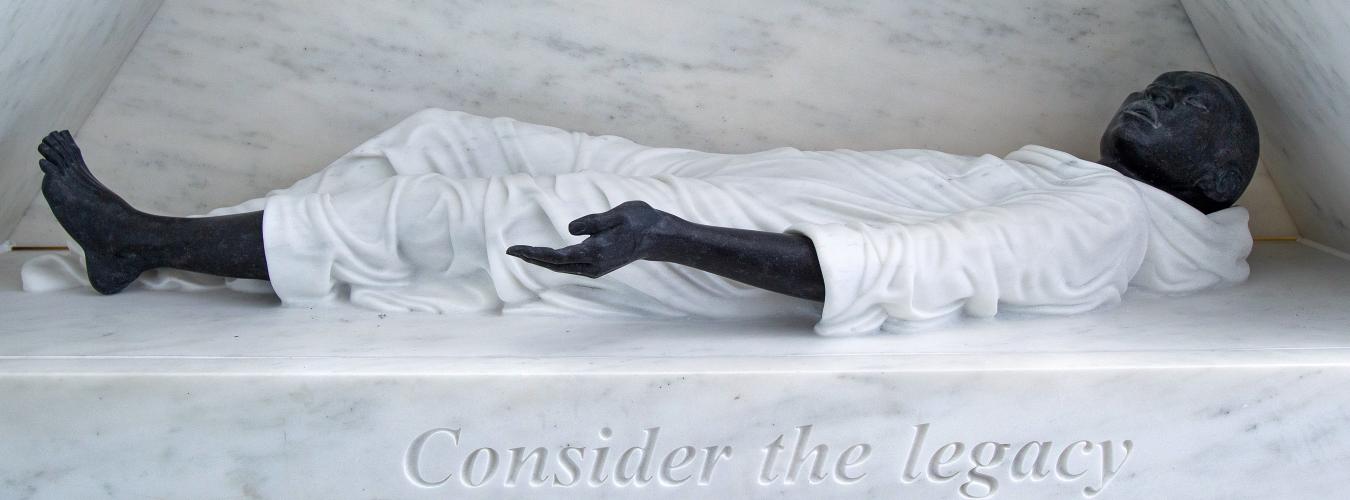
The International Day of Remembrance of the Victims of Slavery and the Transatlantic Slave Trade is a time for reflection, but it is also a time for education.
Despite myths to the contrary, enslaved Africans enriched the Americas not just through their labour but also through a transfer of vital skills and knowledge. In addition, rather than accepting their fate, they engaged in powerful acts of resistance. The United Nations works to highlight such stories through its Outreach Programme on the Transatlantic Slave Trade and Slavery, which is managed by the Department of Global Communications, and the Routes of Enslaved Peoples Project, which is run by the United Nations Educational, Scientific and Cultural Organization (UNESCO). In 2006, the United Nations General Assembly, through resolution 61/19, recognized that “the slave trade and slavery are among the worst violations of human rights in the history of humanity, bearing in mind particularly their scale and duration” and designated 25 March 2007 as the International Day for the Commemoration of the Two-hundredth Anniversary of the Abolition of the Transatlantic Slave Trade.
The following year, through resolution 62/122, it designated 25 March as an annual International Day of Remembrance of the Victims of Slavery and the Transatlantic Slave Trade, beginning in 2008. The Abolition of the Slave Trade Act was passed in the United Kingdom on 25 March 1807. From that day on, “all manner of dealing and reading in the purchase, sale, barter, or transfer of slaves or of persons intending to be sold, transferred, used, or dealt with as slaves, practiced or carried in, at, or from any part of the coast or countries of Africa shall be abolished, prohibited and declared to be unlawful”. However, while the act abolished the transatlantic trade in enslaved Africans, it did not abolish slavery, which still continued for decades. The abolition followed powerful and sustained acts of resistance by enslaved Africans, including the Haitian revolution, which led to the establishment in 1804 of the Republic of Haiti – the first nation to become independent as a result of the struggle of enslaved women and men.
UN resolution urges reparations for slavery’s ‘historical wrongs’
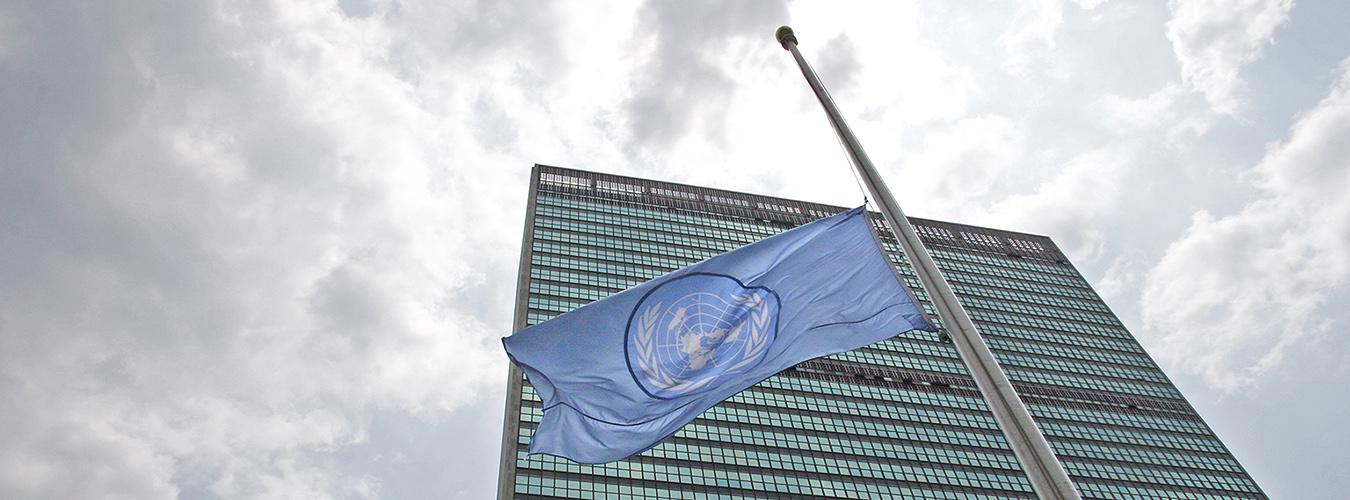
The Day of Solidarity with Detained and Missing Staff Members is marked each year on the anniversary of the abduction of Alec Collett, a former journalist who was working for the United Nations Relief and Works Agency for Palestine Refugees in the Near East (UNRWA) when he was abducted by armed gunman in 1985; his body was finally found in Lebanon’s Bekaa Valley in 2009.
The Day of Solidarity with Detained and Missing Staff Members has taken on even greater importance in recent years, as attacks against the United Nations intensify. This is a day to mobilize action, demand justice and strengthen their resolve to protect UN staff and peacekeepers, as well as their colleagues in the non-governmenta
Links:
Internati
Links:
Wikipedia
