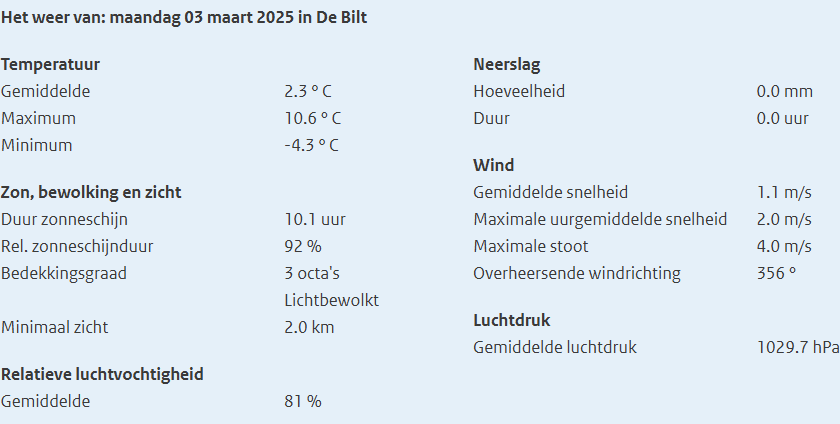
Maandag; Wat eten we vandaag?; Maand van de Geschiedenis; Supermarkten belazeren klanten; European summit on Ukraine; “Vallende” Russen; United Nations World Wildlife Day; Dag van het Gehoor; Bellingcat Challenge; Mensen eerst; Visdeurbel; Oscars; Luchtalarm.
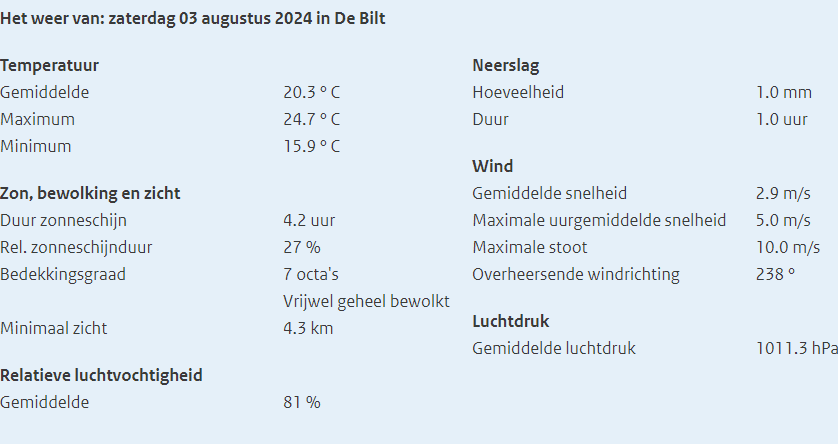
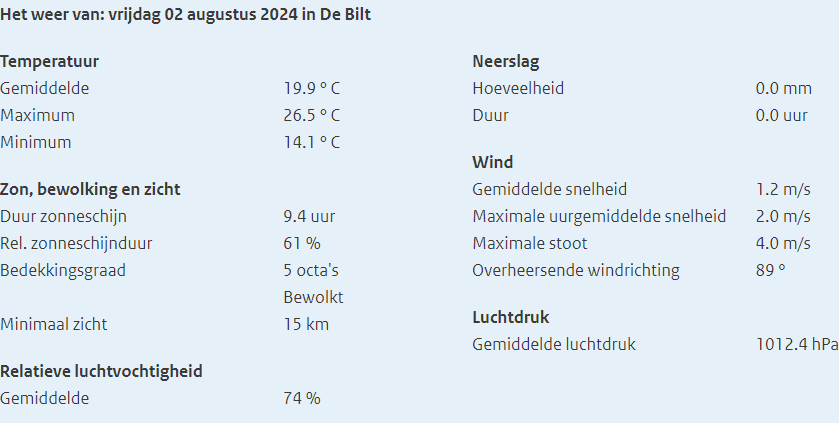
Vrijdag; Wat eten we vandaag?; Medicijnchantage; Vakantie & verbouwing; Tuinvlindertelling; Russisch-Oekraïense oorlog; Artists Against the Kremlin; In Amsterdam geboren Mikael (11) wordt uitgezet; Kristallen bol van Annie MG Schmidt; Ede Staal.
Wat eten we vandaag?:
Klik op afbeelding voor origineel
Vakantie & verbouwing:
Klik op afbeelding voor origineel
Het was de laatste werkdag voor het zomerverlof van A3. Omdat het interieur van zijn woning wordt vernieuwd, komt het dit keer extra goed uit dat A3 op familiebezoek in Groningen gaat, een jaarlijkse traditie. Alle spullen zijn in kannen en kruiken (lees: opbergbakken).
Artists Against the Kremlin is a major exhibition organized by The Moscow Times, All Rights Reversed and De Balie, featuring more than 100 works of Russian-speaking contemporary artists who share universal human values and a clear anti-war stance such as Linor Goralik, Philippenzo, Nadya Tolokonnikova(Pussy Riot), Andrei Bilzho, Victor Melamed, Mikhail Ray, Danila Tkachenko, olo.olooloolo, Slava Ptrk, Kungfuct, Artem Loskutov, Serafima Bresler, Vladlena Sandu, Pomidor, The Party of the Dead, Igor Ost, artisterror, BFMTH, K. Hell, Alexey Kovalchuk, Kuril Chto, AXYXY and others.
Artists Against the Kremlin will unite creators not only from Russia, but from Belarus and Ukraine. Many of them were forced to leave their mother countries, live in exile and are now based in 25 different countries. In their works the address themes such as social polarization, the experiences of living in exile versus under authoritarian regimes, and explore how art can be used as a political weapon against the Kremlin. The exhibition will encompass various artistic mediums including paintings, graphics, mixed media, multimedia, installations, and sculptures.
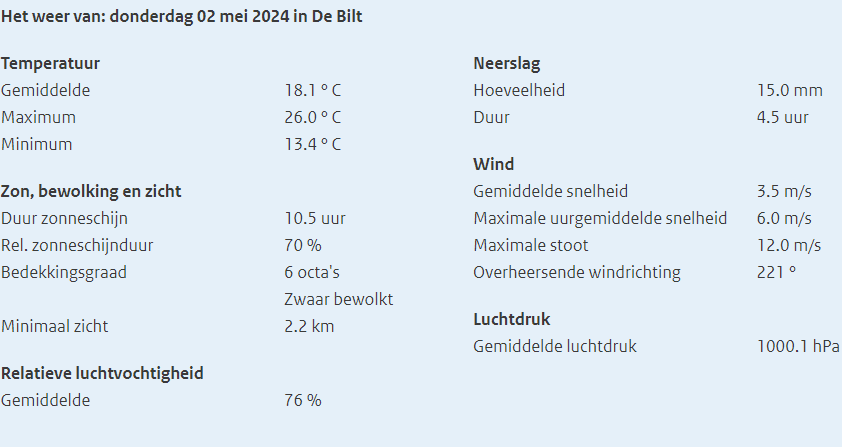
Donderdag; Wat eten we vandaag?: Europese Parlementsverkiezingen; Solar cycle 25; EU migratiedeal; Metrodrukte; Gaza−Israël oorlog van 2023; Russisch-Oekraïense oorlog; Dag Van De Arbeid; Wereld Tonijn Dag; Wereld Wachtwoordendag; Stop agressie tegen zorgprofessionals; junkfoodmarketing kinderen.
Wat eten we vandaag?:
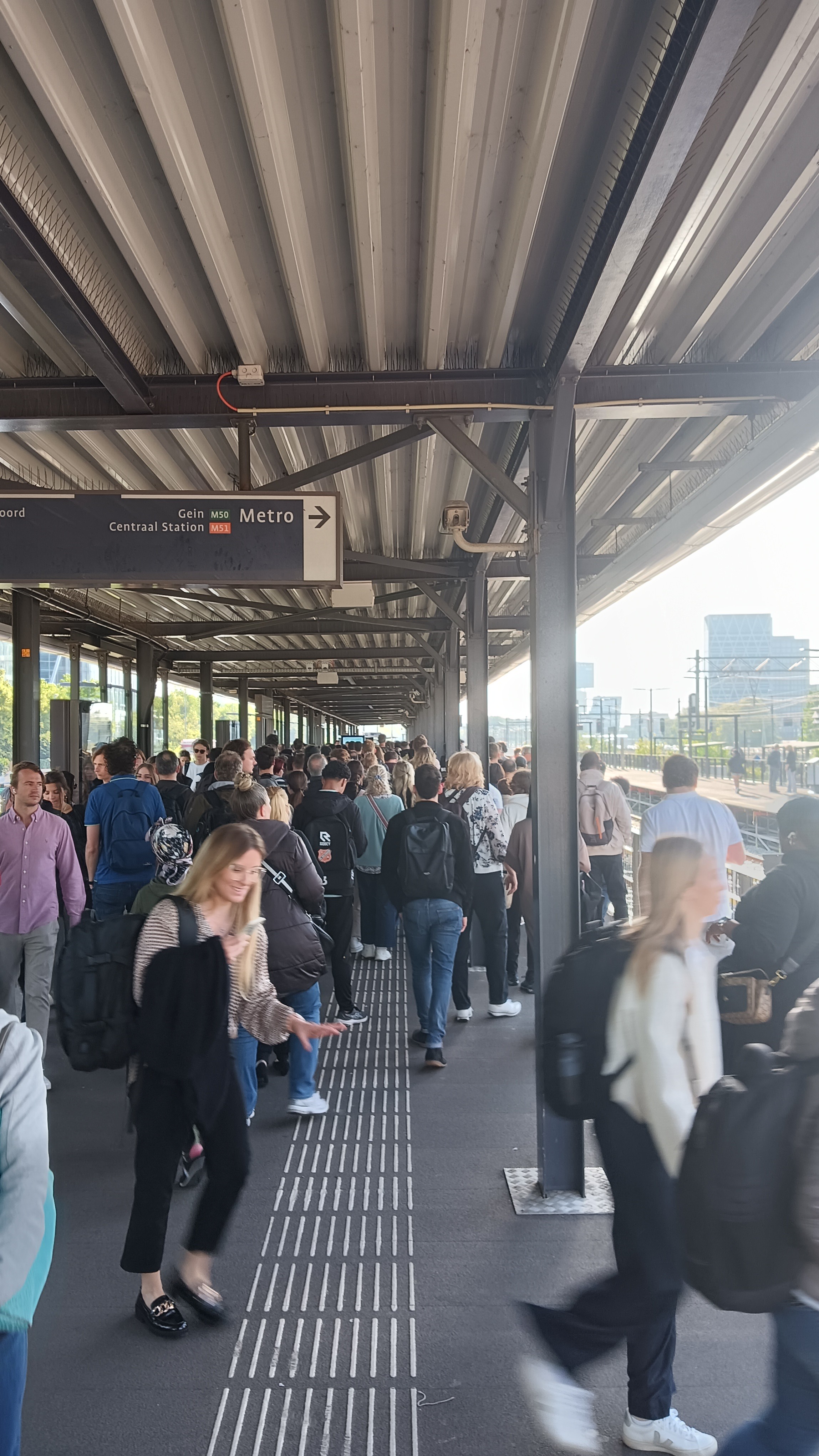
Metrodrukte:
Lange rij, klik op afbeelding voor origineel
Van woensdag 1 tot en met zaterdag 4 mei 2024 vinden er in Amsterdam werkzaamheden plaats aan de metrobruggen over de Weespertrekvaart. Hierdoor kunnen er tussen Amstelstation en Spaklerweg geen metro’s rijden. Reizigers van en naar Centraal Station kunnen ook met metro 52 via Station Zuid omreizen. Dat is te merken: op de normaal rustige donderdag lange rijen op perrons en overvolle metrotreinen bij lijn 52 (Noord/Zuidlijn).
On 22 March 2024, the Russian band Picnic was scheduled to play a sold-out show at Crocus City Hall. Before the band began their performance, four masked gunmen in combat fatigues opened fire using AK-style assault rifles and carried out a mass shooting on the people gathered at the venue and used incendiary devices to set the venue ablaze. Investigators said the attack had killed at least 137 people, and more than 182 concertgoers were injured due to gunshot wounds and “poisoning” related to the fire., making it the deadliest terrorist attack in Russia since the Beslan school siege in 2004 and the deadliest terrorist attack in Moscow’s history. Russia’s Foreign Ministry called the incident a terrorist attack. The Islamic State – Khorasan Province (IS-KP or ISIS-K), a South–Central Asia-based regional affiliate of the Islamic State, claimed responsibility in a statement released through the Telegram channel of Amaq News Agency shortly after the attack. Russian state media and officials, including President Vladimir Putin, have alleged Ukrainian involvement in the attack, but have not provided any evidence, and Ukraine has denied any involvement. Russian President Vladimir Putin in his first public statement calls attack to be a “barbaric terrorist act” and informed that all four gunmen have been arrested. Further, he declared Sunday 24 March a day of national mourning. IS–KP claimed responsibility for the attack shortly after in a statement released by Amaq News Agency via Telegram, stating that the attackers “retreated to their bases safely”. The group is a regional branch of the Islamic State, an international terrorist group active in South-Central Asia, primarily Afghanistan. U.S. officials stated they had intelligence indicating that IS–KP had been planning an attack on the city. Colin Clarke from the independent Soufan Center think tank explained that Russia has been a focus of the group for some time, saying: “[IS–KP] has been fixated on Russia for the past two years, frequently criticizing Putin in its propaganda.” On 23 March, IS–KP released a photo of the attackers. Investigators detained 11 people in relation to the attack, including four suspects, who were charged with terrorism on 24 March.
Mocht geen enkele kandidaat meer dan de helft van de stemmen hebben gekregen, dan zou drie weken later een tweede ronde plaatsvinden, op 7 april 2024. De winnaar zal naar verwachting op 7 mei 2024 worden ingehuldigd. 15 personen (zes zelfbenoemde kandidaten (onafhankelijken) en negen partijvertegenwoordigers) dienden documenten in bij de Centrale Verkiezingscommissie om zich als kandidaten te registreren. In november 2023 werd voormalig lid van de DoemaBoris Nadezjdin de eerste persoon, gesteund door een geregistreerde politieke partij, die zijn kandidatuur aankondigde. Hij werd in december 2023 gevolgd door de zittende en onafhankelijke kandidaat Vladimir Poetin, die in aanmerking komt voor herverkiezing als gevolg van de grondwetswijzigingen van 2020. Later diezelfde maand maakten Leonid Slutsky van de LDPR, Nikolay Kharitonov van de Communistische Partij, Vladislav Davankov van Nieuwe Mensen en nog anderen hun kandidaturen bekend. Tot zijn overlijden in gevangenschap op 16 februari 2024 was Alexej Navalny, net als bij de presidentsverkiezingen van 2018, het meest prominente lid van de Russische oppositie. Hij was uitgesloten van de verkiezingen door een eerdere strafrechtelijke veroordeling. De strafzaken tegen Navalny werden beschouwd als politiek gemotiveerd.
Als gevolg hiervan verwachtten veel waarnemers, vooral in de westerse landen, dat de verkiezingen niet vrij of eerlijk zullen zijn. Ze verwachtten dat het verkiezingsproces zou worden gedomineerd door Poetin, die wordt beschuldigd van toenemende politieke repressie sinds hij in 2022 de invasie van Oekraïne begon. Veel Russische kiezers kwamen op 17 maart 2024 uit protest tegen president Poetin om 12:00 naar de stembureaus, de oppositie had daartoe opgeroepen. Sommige Russen hebben een ongeldige stem uitgebracht, uit protest tegen de onvrije verkiezingen. Op de biljetten staat soms “Geen oorlog” geschreven. Enkelen hebben hun stemformulier neergelegd bij het graf van oppositieleider Navalny. Na de driedaagse verkiezingen werd op 17 maart 2024 duidelijk dat zittend president Vladimir Poetin de winnaar was met zo’n 87 procent van de stemmen, waardoor hij aan zijn vijfde ambstermijn van zes jaar kon beginnen. De drie andere kandidaten hadden elk 3 à 4 procent van de stemmen. Zij werden gezien in de westerse wereld als marionetten van Poetin in de door hem geregisseerde onvrije presidentsverkiezingen. Echte opposanten zoals Boris Nadezjdin werden van het stembiljet geweerd.
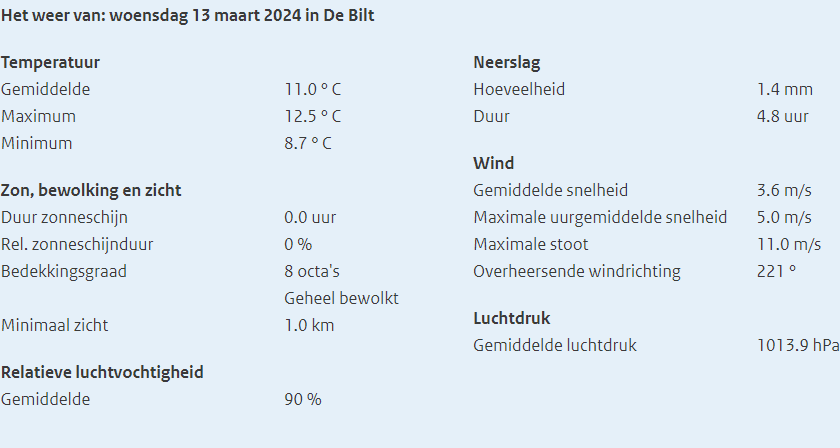
Woensdag; Ter Apel teveel mensen; CERN Open Access; Gezocht: Bouterse; Maak het OV publiek, gratis en toegankelijk; Villa Rus gekraakt; Europese emissiehandelssysteem; Red ons groen; STAAL – start serie; Media Freedom Act; Artificial Intelligence Act.
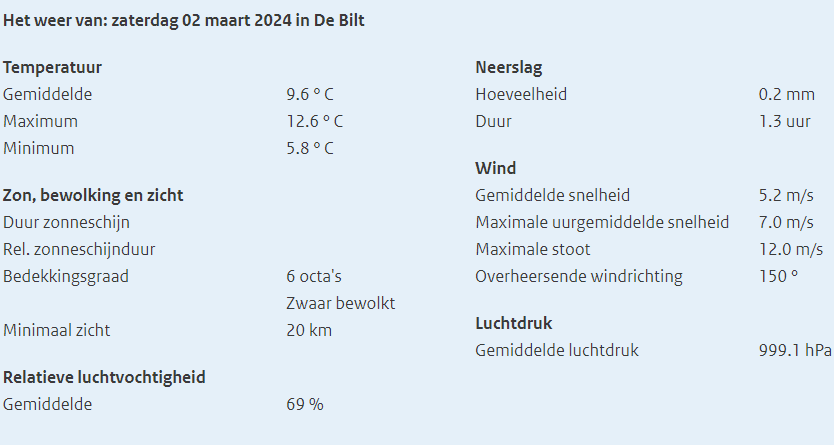
Zaterdag; Wat eten we vandaag?: Parijse bedwantspaniek; youp : Afleidingsroddelszaterdag; De wereld van de Chinezen; Wereld Tiener Mentale Gezondheidsdag.
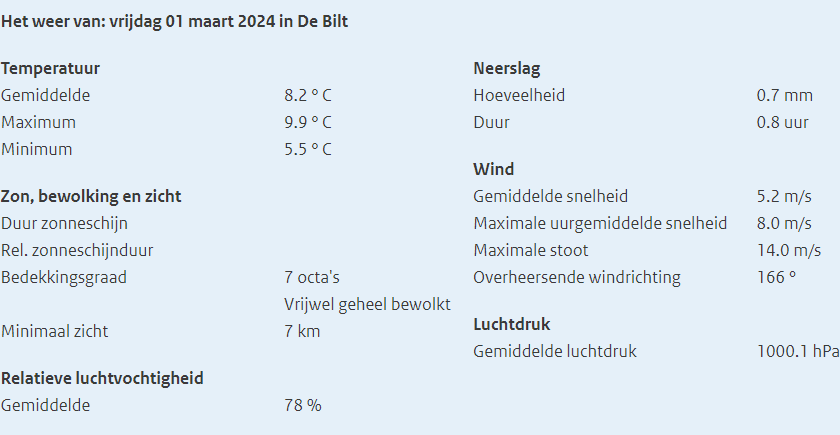
Vrijdag; Wat eten we vandaag?: Luchtalarm; Nareizigers; EU Green Deal / Natuurherstelwet; uitvaart Navalny; Zero Discrimination Day; Wheelchair Day; nep-posters van de Belastingdienst; Meteorologische lente; World Seagrass Day; cloud sovereignty; Freedom in the World.
Wat eten we vandaag?:
Tomatenmaaltijdsoep, klik op afbeelding voor origineel
…bij A3veen.nl, sinds 29-04-2003 de webplek van Aaldrik Adrie (A3) van der Veen, met een weBLOG vol weetjes die het delen waard zijn, onder het motto: “Zie de wereld door de ogen van A3…”