Head and neck cancer awareness week / Hoofd- en Nekkankerweek 2023

Head and neck cancer is a group of cancers that starts in the mouth, nose, throat, larynx, sinuses, or salivary glands.

Symptoms for head and neck cancer may include a lump or sore that does not heal, a sore throat that does not go away, trouble swallowing, or a change in the voice; there may also be unusual bleeding, facial swelling, or trouble breathing. About 75% of head and neck cancer is caused by the use of alcohol or tobacco. Other risk factors include betel quid, certain types of human papillomavirus, radiation exposure, certain workplace exposures, and Epstein-Barr virus. Head and neck cancers are most commonly of the squamous cell carcinoma type. The diagnosis is confirmed by tissue biopsy. The degree of spread may be determined by medical imaging and blood tests. Not using tobacco or alcohol can reduce the risk for head and neck cancer. While screening in the general population does not appear to be useful, screening high risk groups by examination of the throat might be useful.

Head and neck cancer often is curable if it is diagnosed early; however, outcomes are typically poor if it is diagnosed late. Treatment may include a combination of surgery, radiation therapy, chemotherapy, and targeted therapy. Following treatment of one head and neck cancer, people are at higher risk of having a second cancer. In 2015, head and neck cancers globally affected more than 5.5 million people (2.4 million mouth, 1.7 million throat, and 1.4 million larynx cancer), and it has caused over 379,000 deaths (146,000 mouth, 127,400 throat, 105,900 larynx cancer). Together, they are the seventh most-frequent cancer and the ninth most-frequent cause of death from cancer. In the United States, about 1% of people are affected at some point in their life, and males are affected twice as often as females. The usual age at diagnosis is between 55 and 65 years old. The average 5-year survival following diagnosis in the developed world is 42-64%.

Links:
Head and neck cancer

Europese Mobiliteitsweek / European #MobilityWeek 2023

Elk jaar vindt van 16-22 september de Europese Mobiliteitsweek plaats.

Deze week is uitgegroeid tot hét moment waarop gemeenten en andere organisaties in heel Europa (en ver daarbuiten) duurzame mobiliteit op de kaart zetten. Het ministerie van Infrastructuur en Waterstaat nodigt Nederlandse gemeenten en organisaties zich aan te melden voor deelname aan de Europese Mobiliteitsweek. Dat kan op verschillende manieren: hoe lees je hieronder.

Links:
Europese Mobiliteitsweek

The 33rd First Annual Ig Nobel Prizes ceremony – part 1 (TV webcast)

The Ig Nobel Prize (/ˌɪɡnoʊˈbɛl/ IG-noh-BEL) is a satiric prize awarded annually since 1991 to celebrate ten unusual or trivial achievements in scientific research.

Its aim is to “honor achievements that first make people laugh, and then make them think.” The name of the award is a pun on the Nobel Prize, which it parodies, and on the word ignoble. Organized by the scientific humor magazine Annals of Improbable Research (AIR), the Ig Nobel Prizes are presented by Nobel laureates in a ceremony at the Sanders Theater at Harvard University, and are followed by the winners’ public lectures at the Massachusetts Institute of Technology.

The 33rd First Annual Ig Nobel Prize ceremony happened on Thursday, September 14, 2023. The 2023 ceremony happened entirely as a webcast, not in a theatre. A New, Additional Event One Month After the Ceremony: there will be a new, companion event called Ig Nobel Face-to-Face. The new Ig Nobel Prize winners and other researchers will ask each other questions about their work. (There will also be music and paper airplanes and other good stuff.) This new event will happen in the new MIT Museum in Cambridge, Massachusetts, USA, on Saturday evening, November 11, 2023.

Links:
The 2023 Ig Nobel Prize Winners

Reducing the Risk of Climate Overshoot – publication

Donderdag 14 september 2023 publiceerde een commissie onder leiding van oud-politicus en voormalig directeur van de wereldhandelsorganisatie (WTO) Pascal Lamy het rapport ‘Reducing the Risk of Climate Overshoot‘, over de mogelijkheden en de risico’s van technische ingrepen in het weersysteem.

Links:
Wolkenfabriekjes en ruimtespiegels als laatste redmiddel voor het klimaat

#EarthDay Dag van de Aarde / Mother Earth Day 2024

De Dag van de Aarde (Engels: Earth Day) is een jaarlijks terugkerend evenement op 22 april dat plaatsvindt in alle landen.

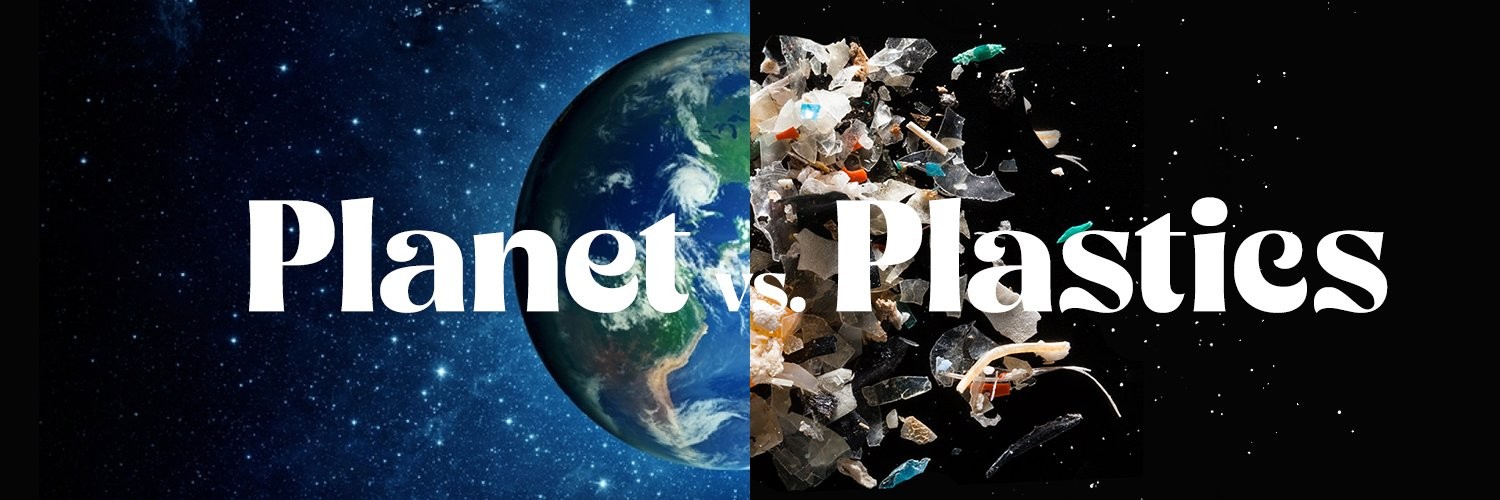
De dag heeft als doelstelling mensen te laten nadenken over hun consumentengedrag en de invloed hiervan op de aarde. De Dag van de Aarde is sinds 1970 vooral in de Verenigde Staten en sommige Spaanstalige landen een populair fenomeen. Vrijwel alle tv-stations daar besteden er aandacht aan. Ieder jaar wordt de periode vanaf 22 april tot eind mei uitgeroepen tot Maand van de Aarde met als hoogtepunt de Dag van de Aarde op 22 april. De activiteiten worden wereldwijd gecoördineerd door de Earth Day Network. In 2024 is het thema ‘Planet vs. Plastics‘.

Links:
Earth Day Network

De Krant van de Aarde

Mother Earth Day

Earth Month

Jurist Laura Burgers: geef planten, dieren en zeeën eigen rechten

Agenda – Hoe circulair zijn Nederlandse consumenten – publicatie

Annual March for Science : Sc1.5°nCeNOTSilence

5 TED-Ed Lessons to watch on Earth Day

10 Take-Action Ways to Help the Planet

Global Plastics Treaty

The Ocean Touches Everything: Celebrate Earth Day with NASA

#CoastalCleanupDay World Cleanup Day 2023

During the third Saturday in September, World Cleanup Day / Coastal CleanUp Day encourages people to rid beaches of the garbage plaguing beaches, awareness is also spread about preserving and protecting the world’s oceans and waterways.

Links:
2023 International Coastal Cleanup

Surfrider Gears Up to Celebrate International Coastal Cleanup 2023

International Coastal Cleanup Day on September 16

World Cleanup Day

World Cleanup Day Nederland

Vroege Vogels TV | 16 september 2023 | West-Kempen (TV NPO 2)

Vroege Vogels TV is een wekelijks televisieprogramma met actualiteiten en informatie uit natuur en milieu.

Op de landgoederen en pimpelpaarse heide van de West-Kempen zoekt Menno Bentveld in de schemering naar groot wild en de verborgen nachtzwaluw. In de kronkelende beken leeft de mysterieuze beekprik en de grootste populatie drijvende waterweegbree van Europa. Op de landgoederen wordt het bos aangepakt om de natuurwaarde te versterken, en tegelijkertijd de cultuurhistorie te behouden.

Links:
Vroege Vogels (na afloop opnieuw bekijken)