Digital Services Act : Aangenomen door Europees Parlement
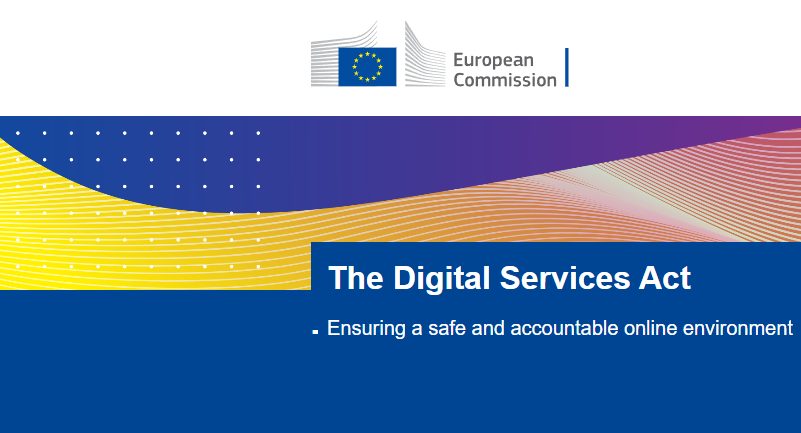
De Verordening Digitale Markten (Engels: Digital Markets Act, DMA) is een Europese verordening, uitgewerkt door de Europese Commissie (EC), om een hogere mate van concurrentie op de Europese digitale markten te garanderen, te voorkomen dat grote bedrijven misbruik maken van hun marktmacht en de weg vrij te maken voor nieuwe spelers op de markt.

De EC keurde de ontwerpverordening goed op 15 december 2020. Na bespreking keurde het Europees Parlement (EP) op 15 december 2021 een reeks amendementen goed. Vertegenwoordigers van de lidstaten en het EP bereikten op 24 maart 2022 een akkoord over de inhoud van de DMA. Op 5 juli 2022 keurde het Parlement de Verordening digitale markten goed, met 599 tegen 11 stemmen. Na het akkoord over de Digital Markets Act in maart heeft het EP ook ingestemd met de Digital Services Act (DSA). De DSA gaat veel impact hebben: van transparantere algoritmes tot de aanpak van desinformatie. De DSA gaat techbedrijven dwingen om transparanter te zijn over wat er op hun platformen verschijnt. Daaronder vallen onder andere meer openheid over hoe hun algoritmes precies werken en een strengere opdracht om desinformatie en illegale inhoud tegen te gaan. In geval van niet-naleving zijn sancties voorzien, met boetes die kunnen oplopen tot 10% van de wereldwijde omzet. Er wordt een lijst opgesteld met verplichtingen voor aangewezen “poortwachters”. Hiermee worden de Internetgiganten bedoeld, die in de praktijk een groot deel van de toegang tot het internet controleren. Op 6 september 2023 wees de Commissie zes poortwachters aan: Alphabet, Amazon, Apple, ByteDance, Meta Platforms en Microsoft, met in totaal 22 kernplatformdiensten.

Links:
Digital Services Act: Commission welcomes political agreement on rules ensuring a safe and accountable online environment

Schadelijke of illegale online-inhoud aanpakken: Ideeën van het Parlement

Ook Digital Services Act goedgekeurd

DSA komt dichterbij

‘Waarborg grondrechten in de digitale ruimte’

Hoe sterk is de wet die big tech in Europa moet temmen?

Meta and X are going rogue. Here is what Europe should do now.

Europe’s Elon Musk Problem

The Big Tech Lobby Playbook – publication

The European Commission is accusing Tiktok of breaching the Digital Services Act with its ‘addictive design’

#LovePulses World Pulses Day / Wereldpeulvruchtendag 2024

In 2019, the General Assembly proclaimed 10 February as the World Pulses Day (resolution A/RES/73/251).

Recognizing their value, on 20 December 2013, the UN General Assembly adopted a resolution (A/RES/68/231) proclaiming 2016 as the International Year of Pulses (IYP). The celebration of the year, led by the Food and Agriculture Organization of the United Nations (FAO), increased the public awareness of the nutritional and environmental benefits of pulses as part of sustainable food production. Building on the success of the International Year of Pulses and recognizing their potential to further achieve the 2030 Agenda for Sustainable Development, with particular relevance to Sustainable Development Goals 1, 2, 3, 5, 8, 12, 13 and 15, Burkina Faso proposed the observance of World Pulses Day. Pulses, also known as legumes, are the edible seeds of leguminous plants cultivated for food. Dried beans, lentils and peas are the most commonly known and consumed types of pulses. Staples dishes and cuisines from across the world feature pulses, from hummus in the Mediterranean (chick peas), to a traditional full English breakfast (baked navy beans) to Indian dal (peas or lentils). Pulses do not include crops that are harvested green (e.g. green peas, green beans)—these are classified as vegetable crops. Also excluded are those crops used mainly for oil extraction (e.g. soybean and groundnuts) and leguminous crops that are used exclusively for sowing purposes (e.g. seeds of clover and alfalfa).

Links:
World Pulses Day

Voor Yvette van Boven is het iedere dag (Wereld) Peulvruchtendag!

Day of the Arabian Leopard 2024

To raise awareness about the Arabian leopard (Panthera pardus nimr), the United Nations General Assembly has proclaimed February 10 as the Day of the Arabian Leopard in resolution 77/295.

Classified as Critically Endangered on the IUCN Red List, the rapid disappearance of the Arabian leopard represents a major setback for biodiversity conservation in its native region, underscoring the urgency of addressing the nature crisis that threatens ecosystems worldwide. By celebrating this Day, the UN ultimately seeks to restore the Arabian leopard as a flagship species for conservation and sustainability in its native region while emphasizing the critical role of biodiversity in maintaining the health and resilience of our planet’s ecosystems. The UN resolution recognizes the vital importance of the Arabian leopard to the Arabian ecosystem and welcomes cooperative regional initiatives to protect it and other threatened species. The resolution calls for enhanced conservation efforts by Arabian range states, relevant stakeholders like NGOs and communities, and UN agencies. Observing this International Day will promote much-needed attention for the Arabian leopard and galvanize public engagement in conservation initiatives aimed at restoring leopard populations and other endangered species for the benefit of ecosystems.

The Arabian leopard is a critically endangered leopard subspecies that inhabits the Arabian Peninsula, it is one of the smallest leopard subspecies, with an average weight of 30-40 kg for males and 25-35 kg for females. Its fur is pale and buff-colored with rosettes that are small and closely spaced. The Arabian leopard has a very limited distribution, being found only in a few isolated pockets of habitat in Saudi Arabia, Oman, Yemen, and the United Arab Emirates. Estimates suggest there may be fewer than 200 Arabian leopards left in the wild. Threats to the species include urbanization, farming, overgrazing by livestock, poaching, and the illegal wildlife trade. Conservation efforts focus on habitat protection, restoration of natural prey populations, and public education programs to reduce human-leopard conflict. The Arabian leopard is legally protected across its range, but greater enforcement of laws and active management of surviving populations are needed to ensure the species’ survival.

Links:
Day of the Arabian Leopard

Vroege Vogels Radio | 11 februari 2024 (Radio 1 NPO)

Vroege Vogels is een live-radioprogramma, tv-programma en online community van BNNVARA over natuur en milieu.

In het radioprogramma wordt het gesproken woord omlijst door licht klassieke muziek en salonmuziek. Het radioprogramma werd in 1978 voor het eerst uitgezonden door de VARA en is een van de langst lopende en best beluisterde radioprogramma’s van de publieke omroep. Het wordt elke zondagmorgen uitgezonden tussen 07:00 en 10:00 op NPO Radio 1. De beginmuziek is een bewerking van Vivaldi’s “Piccolo Concerto in C major” (RV 443).

Onder andere in de uitzending: huisjes voor egels, wintereend de eider, demonstraties van boeren, wezel versus rat en het effect van de warme winter op de natuur . De column is deze week van Bibi Dumon Tak.

Links:
Vroege Vogels (na afloop terugluisteren)

NPO Radio 1 live stream

#OAweek Open Access Week 2024

Open Access Week is organized by SPARC in partnership with the Open Access Week Advisory Committee and is an opportunity for the academic and research community to continue to learn about the potential benefits of Open Access, to share what they’ve learned with colleagues, and to help inspire wider participation in helping to make Open Access a new norm in scholarship and research.

Open Access Week was founded in 2008 by SPARC and partners in the student community. Open Access to information – the free, immediate, online access to the results of scholarly research, and the right to use and re-use those results as you need – has the power to transform the way research and scientific inquiry are conducted. It has direct and widespread implications for academia, medicine, science, industry, and for society as a whole. Open Access Week is an invaluable chance to connect the global momentum toward the open sharing of knowledge with the advancement of policy changes and the importance of social issues affecting people around the world. The event is celebrated by individuals, institutions and organizations around the world. The theme of International Open Access Week for 2024 will continue with last year’s focus on “Community over Commercialization” and prioritize approaches to open scholarship that serve the best interests of the public and the academic community.

Links:
Open Access Week

Insight Series Keynote: International Open Access Week virtual event

World Toothache Day 2024

World Toothache Day was established to raise awareness about dental health issues and promote preventive measures to combat toothaches, the day also serves as a platform to educate people about the connection between oral health and overall well-being.

The initiative was launched by dental professionals and organizations worldwide, who recognized the need for a dedicated day to address the prevalence of dental problems and encourage proactive dental care.

Links:
World Toothache Day 2024

#KappenMetKolen – elke vrijdag actie tegen het gebruik van kolen in Nederland

Vanaf 2 februari 2024 voeren Kappen met Kolen en Extinction Rebellion elke vrijdag actie tegen het gebruik van kolen in Nederland.

Omdat kolen de klimaatopwarming versnellen en we juist zouden moeten stoppen met kolen. Desondanks kiest de overheid ervoor kolencentrales langer open te houden. Extinction Rebellion eist van de Nederlandse overheid dat zo snel mogelijk wordt gestopt met het winnen, transporteren en  verstoken van steenkool, de meest schadelijke fossiele brandstof voor het klimaat, het milieu en de gezondheid. De dag begint ’s ochtends om 08:00 een Zoom-meeting om te kijken wat men die dag gaan doen en waar ze naar toe gaan. ‘Kappen met kolen’ is een campagne die zich richt op het beëindigen van het gebruik van steenkool, de meest schadelijke fossiele brandstof voor milieu (bij de winning), klimaat (CO2-uitstoot) en gezondheid (bij verbranding komen PAK’s en fijnstof vrij). Hoewel Nederland nog maar vier kolencentrales heeft, spelen we een grote rol in de doorvoer van steenkool richting Duitsland en Midden-Europa: zo worden via de havens van Rotterdam en Amsterdam megatonnen steenkool – deels bloedkolen afkomstig uit o.a. Colombia – overgeslagen. Regelmatig blokkeert Kappen met kolen daarom kolentreinen richting Duitsland. Daarnaast richten ze zich op Tata Steel IJmuiden, een grootverbruiker van steenkool – waarmee ijzer uit ijzererts wordt gewonnen – en de grootste vervuiler en uitstoter van Nederland. Er wordt samen opgetrokken met activisten en actiegroepen uit onder meer Colombia en Duitsland. Kolen hebben in Nederland het kleinste aandeel in de fossiele energiemix maar veroorzaken de grootste schade. We moeten ergens beginnen, en #kappenmetkolen is een no-brainer!

Links:
Kappen met Kolen – iedere vrijdag

Kappen met kolen

2024-02-09, Lief dagboek

Vrijdag; Ter Apel; Grondrechten internet; Wereldpeulvruchtendag; Europese Unie migratiedeal Mauritanië; Het demonstratierecht in Nederland; Parlementaire enquête aanpak coronapandemie; Kappen met Kolen; World Toothache Day.

Deze afbeelding heeft een leeg alt-attribuut; de bestandsnaam is dagboek.png

Knipselkrant:


Agenda:

Weer:

Deze afbeelding heeft een leeg alt-attribuut; de bestandsnaam is 50813896361_463cbfec7c.jpg

Links:
In de geschiedenis