Mikael en Gohar blijven hier! – petitie

Mikael is en voelt zich 100% Nederlander en is een spontane lieve en intelligente jongen vol ambitie en levenslust en is een Amsterdammer die 11 jaar geleden in Nederland geboren is, hij zit in groep acht en is voor volgend jaar toegelaten tot een gymnasium.

Maar helaas woont hij nog steeds met zijn Armeense moeder Gohar in een asielzoekerscentrum (hun 5de adres tot nu toe) en hebben zij nog steeds geen verblijfsvergunning. Meer dan vijf jaar geleden deed hij met zijn moeder een aanvraag op grond van de Afsluiting Definitieve Regeling langdurig verblijvende kinderen (ook wel bekend als het Kinderpardon). In 2021 oordeelde de rechter dat de IND de aanvraag van Mikael en zijn moeder niet had mogen afwijzen, omdat er ten onrechte niet op dezelfde manier was beoordeeld als in vergelijkbare zaken van een paar jaar geleden. Maar de IND blijft zich tot op heden verzetten tegen een verblijfsvergunning voor Mikael, net als tegen een verblijfsvergunning voor een klein aantal lotgenoten. In plaats daarvan is de IND tegen de uitspraak in hoger beroep gegaan bij de Raad van State waar de zaak nu al meer dan tweeënhalf jaar (!) ligt. Deze ene procedure en zijn onzekerheid hierover duren nu al meer dan vijf jaar. Voor Mikael voelt dit als een eeuwigheid. Het mag niet gebeuren dat Mikael straks met zijn moeder naar Armenië wordt uitgezet, een land waar hij nota bene nog nooit is geweest. DeGoedeZaak wil dat:

  • De overheid werk maakt van een humaan asielbeleid, waarbij gekeken wordt naar mensen en niet alleen naar de regels;
  • Mikael en alle andere kinderen in een soortgelijke situatie een verblijfsvergunning krijgen;
  • Mikael en zijn moeder Gohar na 11 jaar strijd en onzekerheid eindelijk rust krijgen.
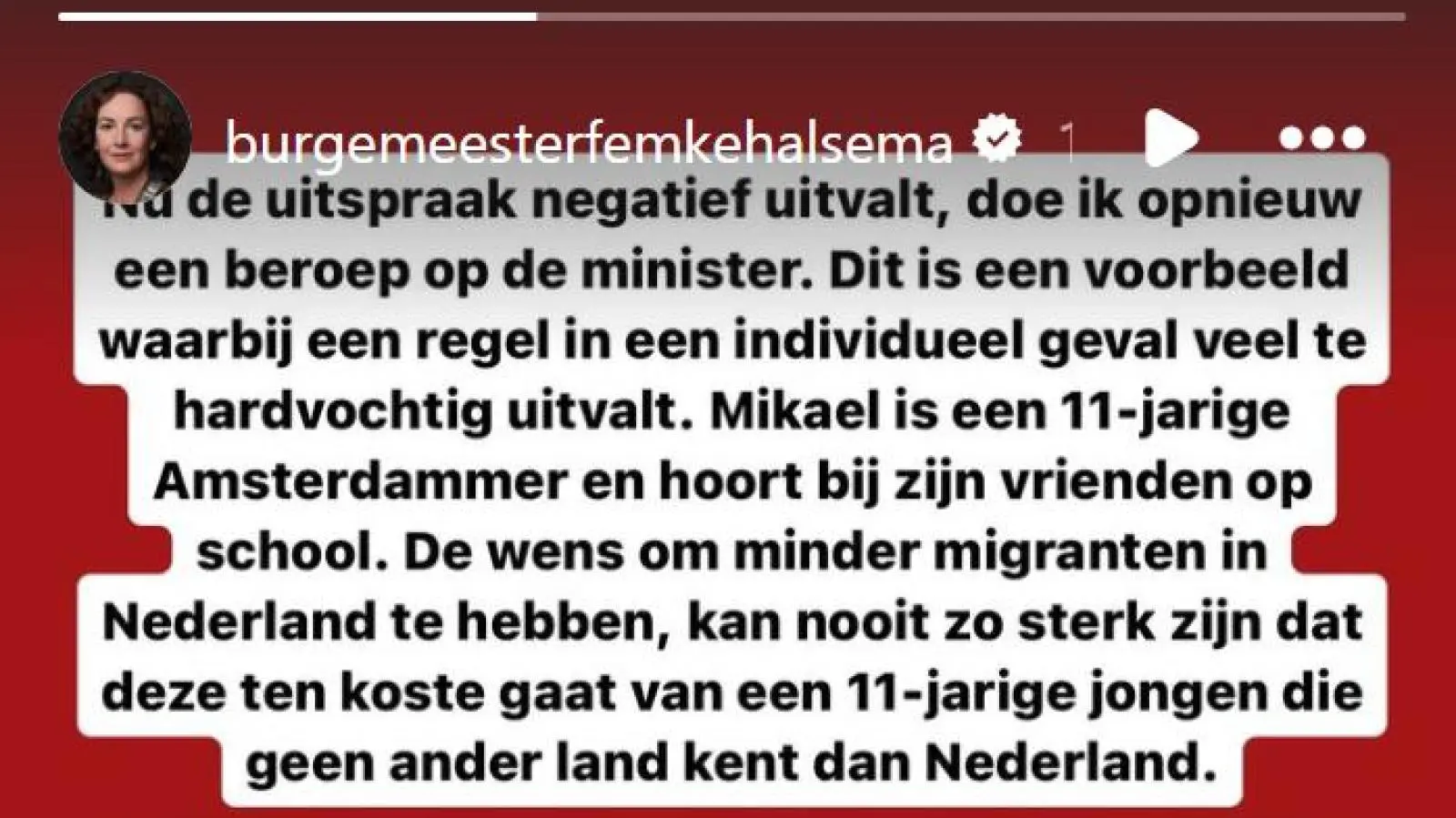
De Afdeling bestuursrechtspraak van de Raad van State oordeelt in een uitspraak van 31 juli 2024 dat de minister van Asiel en Migratie de elfjarige Mikael en zijn moeder geen verblijfsvergunning hoefde te verlenen. Mikael en zijn moeder zijn een te lange periode uit beeld geweest bij de vreemdelingrechtelijke instanties en zijn niet beschikbaar geweest voor vertrek naar Armenië na beëindiging van de verblijfsprocedure in Nederland. De moeder van Mikael is in 2010 vanuit Armenië naar Nederland gekomen. De asielaanvraag van de moeder is destijds afgewezen. Zij is daarna in Nederland gebleven en is niet teruggekeerd naar Armenië. Mikael is in Nederland geboren. Net als zijn moeder heeft Mikael de Armeense nationaliteit. Omdat Mikael in Nederland is geboren en zijn hele leven in Nederland heeft gewoond, wil hij in Nederland blijven. Daarom heeft hij een aanvraag bij de minister ingediend om hem en zijn moeder een verblijfsvergunning te verlenen.

Op 17 november 2025 werd bekend dat de Armeense Mikael (13) en moeder toch in Nederland mogen blijven.

Links:
Mikael en Gohar blijven hier!

Actie voor verblijfsvergunning Mikael (11): “Ik ben een burger van geen land”

Uitspraak 202107947/1/V1 : Mikael en zijn moeder mogen niet in Nederland blijven

Agenda – NSC, bescherm de rechtsstaat en laat Mikael blijven! – e-mail actie

IND besluit opnieuw dat hier geboren Mikael (12) niet in Nederland mag blijven

Halsema noemt uitzetting Mikael ‘hardvochtig’: “Geen wil bij minister om iets te doen”
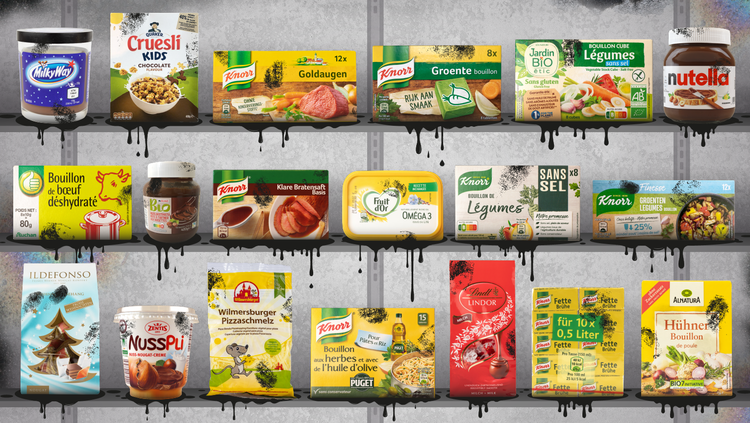
E-mailactie Geen minerale olie in ons voedsel!

Bij laboratoriumproeven van foodwatch zijn voor de derde keer levensmiddelen aangetroffen die verontreinigd zijn met schadelijke minerale oliën.

Foodwatch heeft producten getest die te koop zijn in Frankrijk, Nederland en Duitsland, en voor het eerst ook producten uit Oostenrijk en België. Negentien producten zijn aangetroffen die de bijzonder gevaarlijke aromatische minerale oliën (MOAH) bevatten. Volgens de Europese Autoriteit voor voedselveiligheid wordt MOAH ervan verdacht carcinogeen en genotoxisch te zijn. Deze gevaarlijke stoffen horen niet thuis in ons voedsel! Foodwatch roept de Commissaris voor Gezondheid en Voedselveiligheid, Stella Kyriakides, en de beleidsmakers van de Europese lidstaten op om alle consumenten te beschermen tegen deze onzichtbare verontreinigingen in voedselproducten. Dit kan door onmiddellijk alle positief geteste producten terug te roepen en geen MOAH verontreiniging te tolereren voor álle soorten voedsel in de EU. Steun deze oproep door de e-mailactie te ondertekenen.

Links:
Giftige minerale oliën aangetroffen in voedingsproducten in verschillende Europese landen

Met 200.000 handtekeningen tegen minerale olie naar Brussel

Recall PepsiCo/Lay’s in Nederland

RASFF melding minerale olie in chipsproducten

Recall aardappelkroketjes Frankrijk

Testresultaten van Ökotest in Duitsland

Aanvraag openbaarmaking publieke informatie

Leaked EU proposal on mineral oil contaminants: foodwatch calls for stricter consumer protection

Onze petitie: Geen minerale olie in ons voedsel!

Europese Commissie ScoPAFF statement van april 2022 over minerale olie in voedingsmiddelen

Europese Commissie ScoPAFF Statement van oktober 2024 over minerale olie in voedingsmiddelen

🛢️ Uit recente tests blijkt dat de chips Bugels & Wokkels van Lays en sommige plantaardige oliën verontreinigd zijn met giftige minerale oliën

2024-06-11, Lief dagboek

Dinsdag; Wat eten we vandaag?; Kabinetsformatie NL; Olifantentaal; Ter Apel; Gaza−Israël oorlog 2023 – …; Jemen; Aardoliewinning; Day of Play; Fietsstad Amsterdam.

Deze afbeelding heeft een leeg alt-attribuut; de bestandsnaam is dagboek.png

Wat eten we vandaag?:

Bloemkool opgewarmd, klik op afbeelding voor origineel

Knipselkrant:


Agenda:

Weer:

Deze afbeelding heeft een leeg alt-attribuut; de bestandsnaam is 50813896361_463cbfec7c.jpg

Links:
In de geschiedenis

Day of Play 2024

The first-ever Day of Play, to be observed on 11 June 2024, marks a significant milestone in efforts to preserve, promote, and prioritize playing so that all people, especially children, can reap the rewards and thrive to their full potential.

Beyond mere recreation, it is a universal language spoken by people of all ages, transcending national, cultural, and socio-economic boundaries. This shared passion fosters a sense of community and national pride. It also fosters resilience, creativity, and innovation in individuals. For children in particular, play helps build relationships and improves control, overcome trauma, and problem-solving. It helps children develop the cognitive, physical, creative, social, and emotional skills they need to thrive in a rapidly changing world. Restricting opportunities for play directly impedes a child’s well-being and development. In educational settings, play-based learning has been recognized as an effective approach to engage students actively in the learning process. It helps make learning more enjoyable and relevant, thereby enhancing motivation and retention of information. Moreover, play is considered to have a positive impact on promoting tolerance, resilience, and facilitating social inclusion, conflict prevention, and peacebuilding. In recognition of this, the United Nations Convention on the Rights of the Child has enshrined play as a fundamental right of every child under Article 31. The international day creates a unifying moment at global, national, and local levels to elevate the importance of play. It signals a call for policies, training, and funding to get play integrated into education and community settings worldwide.

Children learn best through play. Play creates powerful learning opportunities across all areas of development – intellectual, social, emotional and physical. Through play, children learn to forge connections with others, build a wide range of leadership skills, develop resilience, navigate relationships and social challenges as well as conquer their fears. When children play, they feel safe. Children play to make sense of the world around them. More generally, play provides a platform for children to express and develop imagination and creativity, which are key skills critical for the technology-driven and innovative world we live in. Playful interactions contribute to the well-being and positive mental health of parents, caregivers and children. When humanitarian crises turn a child’s world upside down, it is in play that children can both find safety and respite from adverse experience while also being able to explore and process their experiences with the world. When children are driven from their homes by war, conflict, and displacement, access to nurturing relationships with parents/caregivers and peers are critical buffers from the effects of violence, distress and other adverse experiences. Play comforts and soothes children. To encourage playful interactions between parents/caregivers and children, governments and other stakeholders need to create an enabling environment.

Links:
International Day of Play 11 June

Planetary Health Diet Index and risk of total and cause-specific mortality in three prospective cohorts – publication

Study published online in The American Journal of Clinical Nutrition: Planetary Health Diet associated with lower risk of premature death, lower environmental impact.

People who eat a healthy, sustainable diet may substantially lower their risk of premature death in addition to their environmental impact, according to a new study led by Harvard T.H. Chan School of Public Health. It is the first large study to directly evaluate the impacts of adherence to recommendations in the landmark 2019 EAT-Lancet report. The researchers have named the dietary pattern outlined in the report—which emphasizes a variety of minimally processed plant foods but allows for modest consumption of meat and dairy foods—the Planetary Health Diet (PHD).

Links:
Planetary Health Diet associated with lower risk of premature death, lower environmental impact

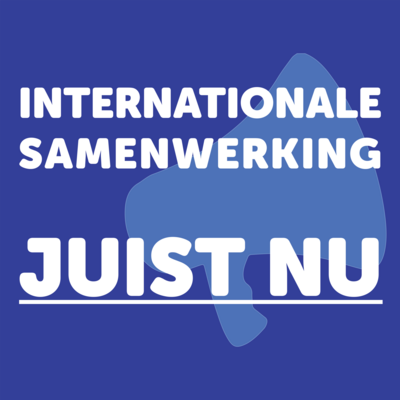
Petitie: Internationale samenwerking, juist nu!

De nieuwe coalitie bestaande uit PVV, VVD, BBB en NSC bezuinigt aankomende jaren honderden miljoenen op ontwikkelingssamenwerking.

Vanaf 2027 worden dit miljarden, namelijk 2,4 miljard per jaar. Van het toch al beperkte budget voor internationale samenwerking blijft na 2027 weinig over. Daarom komen wij nu in actie. Laat de wereld niet in de steek, teken de petitie om de bezuinigingen op internationale samenwerking te stoppen. Dit zijn namelijk bezuinigingen op mensen die juist onze steun kunnen gebruiken.  Juist nu neemt het aantal crises alleen maar toe. Droogte, overstromingen, geweld, conflicten en armoede komen steeds vaker voor. Dit vraagt om méér internationale samenwerking, niet om minder. Een betere wereld is ook voor Nederland van groot belang en juist in tijden van crisis moeten we blijven investeren in stabiliteit, vrede en veiligheid. Het essentiële werk van onze diplomaten, maatschappelijke organisaties en bedrijven gericht op armoedebestrijding, gezondheidszorg, onderwijs en het aanpakken van klimaatrisico’s dreigt in één klap te worden vernietigd. De geplande bezuinigingen zijn een risico voor programma’s voor duurzame ontwikkeling wereldwijd waardoor de kwetsbaarheid voor iedereen toeneemt. Het is nog niet te laat om het tij te keren. Het hoofdlijnenakkoord wordt door een nieuwe minister uitgewerkt tot regeerakkoord. De begroting is nog geen uitgemaakte zaak. Samen met jou willen we bijdragen aan een betere wereld. Wij roepen op om de bezuinigingen op internationale samenwerking te stoppen. Teken de petitie en spreek je uit!

Links:
Petitie: Internationale samenwerking, juist nu!

African elephants address one another with individually specific name-like calls – publication

Elephants have names for each other like people do, the study (preprint) “African elephants address one another with individually specific name-like calls” shows.

Wild African elephants address each other with name-like calls, a rare ability among nonhuman animals. Researchers used machine learning to confirm that elephant calls contained a name-like component identifying the intended recipient, a behavior they suspected based on observation. The study suggests elephants do not imitate the receiver’s call to address one another but instead use arbitrary vocal labels like humans.

Links:
Elephants have names for each other like people do, new study shows

African elephants use name-like calls to address each other

Olifantentaal onderzocht met AI: onderzoeker zag ze reageren op ‘naam’

African elephants address one another with individually specific name-like calls (paywall)

Multimodal communication and audience directedness in the greeting behaviour of semi-captive African savannah elephants

2024-06-10, Lief dagboek

Maandag; Wat eten we vandaag?; Dankbare collega’s; Gaza−Israël oorlog 2023 – …; Soccer Aid for UNICEF; Alpe d’HuZes; Europese Parlementsverkiezingen; The Sky at Night; Week van de Natuur; gegevensverwerking door samenwerkingsverbanden.

Deze afbeelding heeft een leeg alt-attribuut; de bestandsnaam is dagboek.png

Wat eten we vandaag?:

Bloemkool

Dankbare collega’s:
A3 werd compleet onverwacht bedankt voor zijn inzet voor de collega’s middels een eetbaar boeket.

Eetbaar boeket, klik op afbeelding voor origineel

A3, op zich toch al niet erg spraakzaam, werd hier wel helemaal stil van… en trots!

Eetbaar boeket, klik op afbeelding voor origineel

Knipselkrant:


Agenda:

Weer:

Deze afbeelding heeft een leeg alt-attribuut; de bestandsnaam is 50813896361_463cbfec7c.jpg

Links:
In de geschiedenis

The Sky at Night – Cosmic Ghosts (TV BBC Four)

The Sky at Night is a monthly documentary television programme on astronomy produced by the BBC.

The show had the same permanent presenter, Patrick Moore, from its first broadcast on 24 April 1957 until 7 January 2013. The latter date was a posthumous broadcast, which followed Moore’s death on 9 December 2012. This made it the longest-running programme with the same presenter in television history. Many early episodes are missing, either because the tapes were wiped, thrown out, or because the episode was broadcast live and never recorded in the first place.

Beginning with the 3 February 2013 edition, the show was co-presented by Lucie Green and Chris Lintott. Since December 2013 Maggie Aderin-Pocock has been a presenter. The programme’s opening and closing theme music is “At the Castle Gate”, from the incidental music to Pelléas et Mélisande, written in 1905 by Jean Sibelius, performed by the Royal Philharmonic Orchestra and conducted by Sir Thomas Beecham.

This episode:
This month, The Sky at Night has a spooky twist. Across the universe, there are hidden objects that we can’t see, but astronomers and scientists still believe they’re out there. To find out how we know that these mysterious objects exist, the team are going ghost-hunting. Cosmic ghost-hunting.

Prof Chris Lintott and Dr Maggie Aderin-Pocock are at Provan Hall, one of the oldest buildings in Glasgow and the site of several supposed ghost sightings across its 550-year history. But they aren’t looking for anything supernatural. Instead, they’re meeting the scientists and astronomers trying to solve some of the universe’s greatest mysteries by finding new ways to sense what surrounds us in the cosmos.

In the medieval rooms of Provan Hall, Chris meets Dr Olivia Jones from the UK Astronomy Centre and discovers how a tool often employed by ghost hunters is actually great for finding objects hidden in the dust of the cosmos. He also meets Prof Tessa Baker from the University of Portsmouth, who shows him how ripples in space-time are helping scientists to detect new, unseen cosmic events. And while scanning the house for spooky sounds, Maggie hears a voice from the past, which leads her to uncover the wonderful work of Vera Rubin – a trailblazing astronomer who helped to prove the existence of dark matter.

Across the country, and over a kilometre further below the Earth’s surface, guest presenter Prof Chamkaur Ghag is at the Boulby Underground Laboratory. While there, he discovers how the incredible research site has changed since Patrick Moore and The Sky at Night team visited 20 years ago and meets some of the Boulby team who are working on the hunt for ghostly dark matter particles.

Meanwhile, Pete Lawrence is at the Bedford School Observatory to show us how to find and photograph inky, ghost-like objects in the sky known as dark nebulae, and to tell us what to look out for in the night sky over the next month.

Links:
The Sky at Night