Vroege Vogels Radio | 16 juni 2024 (Radio 1 NPO)

Vroege Vogels is een live-radioprogramma, tv-programma en online community van BNNVARA over natuur en milieu.

In het radioprogramma wordt het gesproken woord omlijst door licht klassieke muziek en salonmuziek. Het radioprogramma werd in 1978 voor het eerst uitgezonden door de VARA en is een van de langst lopende en best beluisterde radioprogramma’s van de publieke omroep. Het wordt elke zondagmorgen uitgezonden tussen 07:00 en 10:00 op NPO Radio 1. De beginmuziek is een bewerking van Vivaldi’s “Piccolo Concerto in C major” (RV 443).

Twee vrouwelijke steenuilen zitten op één nest en aten hun eigen jong op. Waarom ze dat deden, bestuderen onderzoekers met een nestcamera. We gaan met insectenonderzoekers en ambassadeur Maurice Lede op zoek naar de veldkrekel en we horen waarom honderden mensen volgend weekend aan de kustlijn staan. En verder: hoe de wolharige neushoorn uitstierf, onderzoek naar de roodborsttapuit en de column van Jelle Reumer.

Links:
Vroege Vogels (na afloop terugluisteren)

NPO Radio 1 live stream

Menselijke ketting langs kust spoort politiek aan tot klimaatactie

Vroege Vogels TV | 16 juni 2024 | Wormer- en Jisperveld (TV NPO 2)

Vroege Vogels is een live-radioprogramma, tv-programma en online community van BNNVARA over natuur en milieu.

In het radioprogramma wordt het gesproken woord omlijst door licht klassieke muziek en salonmuziek. Het radioprogramma werd in 1978 voor het eerst uitgezonden door de VARA en is een van de langst lopende en best beluisterde radioprogramma’s van de publieke omroep. Het wordt elke zondagmorgen uitgezonden tussen 07:00 en 10:00 op NPO Radio 1. De beginmuziek is een bewerking van Vivaldi’s “Piccolo Concerto in C major” (RV 443). De tv editie wordt uitgezonden op NPO 2, vaak rond een thema.

Wanneer je het Wormer- en Jisperveld nadert, hoor je het geluid van de weidevogels al opkomen. Een prachtig geluid, dat helaas steeds minder te horen is in Nederland. Maar hier in het veenweidegebied vlakbij Amsterdam is het een paradijs voor vogels als de tureluur, kievit en de grutto. Oude weidemolentjes zorgen voor een goede waterpeil, en koeien gaan de boot op, om vervoerd te worden naar hun graasgebied. Daarnaast vind je in dit oude cultuurlandschap met al zijn eilandjes volop rietland, waar moerasvogels als sprinkhaanzangers, rietgorsen en kleine karekieten zich laten horen en zien.

Links:
Vroege Vogels (na afloop terugkijken)

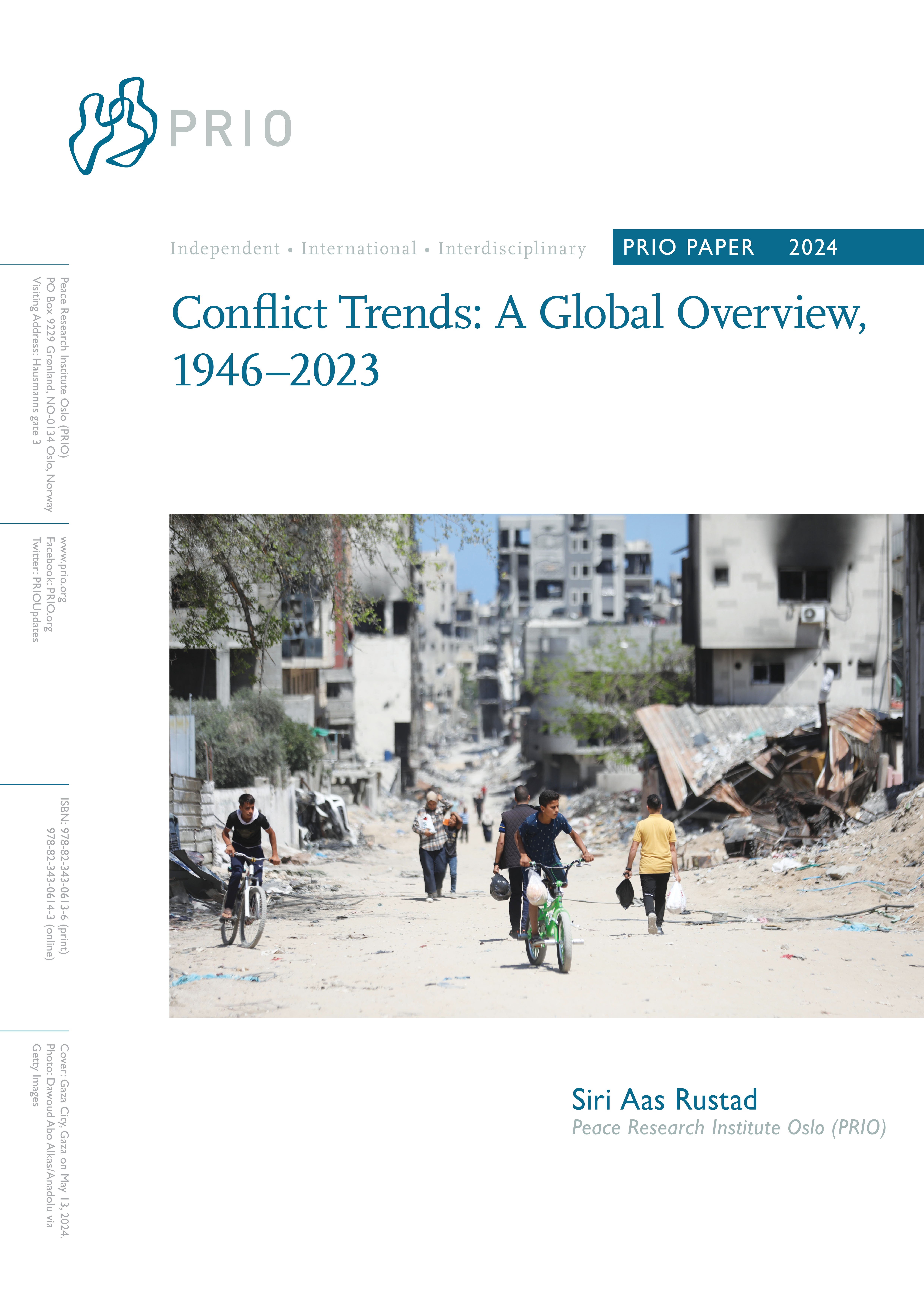
Data shows record number of armed conflicts / Conflict Trends: A Global Overview, 1946–2023 – publication

2023 saw the highest number of state-based conflicts since 1946.

In addition, the past three years were the most violent in the last three decades, according to conflict trend analysis. 2023 turned out to be one of the most violent years since the end of the Cold War. A record number of 59 conflicts were recorded. However, it was not all bad news as the number of countries that experienced conflict dropped from 39 to 34. The report “PRIO’s Conflict Trends: A Global Overview” provides an analysis of the global trends in conflict covering the period 1946 to 2023, to help policymakers and practitioners better understand the contexts they are working in. The paper uses data collected annually by the Uppsala Conflict Data Program at Uppsala University. The data also shows that while the number of battle deaths fell last year, overall the past three years saw more conflict-related deaths than any time in the last three decades. The dramatic increase in battle deaths was driven by three conflicts: civil war in Ethiopia’s Tigray region, the Russian invasion of Ukraine and the bombing of Gaza. 2023 saw an overall 122,000 battle deaths, with over 71,000 people killed in Ukraine and some 23,000 killed in Gaza in less than three months of 2023. Africa remained the region with the most state-based conflicts per year (28), followed by Asia (17), the Middle East (10), Europe (3) and the Americas (1). The number of conflicts in Africa nearly doubled compared with ten years ago, from 15 in 2013. In the past three years, Africa has seen more than 330,000 battle-related deaths. The continued fall in the number of conflicts in the Middle East reversed, with an increase from eight to ten from 2022 to 2023. In 2022, slightly more than 5,000 battle-related deaths were recorded in the Middle East, the lowest since 2011. However, in 2023 the number was back up at almost 26,000. It is worth noting that almost 23,000 of these were registered in Israel and Palestine. This shows that while violence in the Middle East continues, it is now driven by a different conflict than previously.

Links:
New data shows record number of armed conflicts

2024-06-13, Lief dagboek

Donderdag; Basisinkomen; record number of armed conflicts; Gaza−Israël oorlog 2023 – …; The Erased; Internationale samenwerking; Zien, luisteren en helpen; Politiegeweld Groningen; Festival Classique; Albinisme Dag; Preventie van online seksueel misbruik van kinderen; G7 Summit; Outdoor Office Day; DelfSail; Voettocht voor armoede.

Deze afbeelding heeft een leeg alt-attribuut; de bestandsnaam is dagboek.png

Knipselkrant:


Agenda:

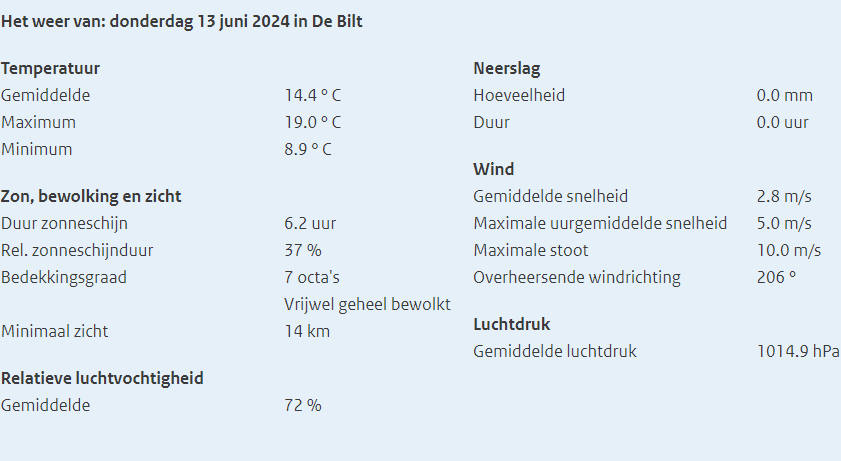
Weer:

Deze afbeelding heeft een leeg alt-attribuut; de bestandsnaam is 50813896361_463cbfec7c.jpg

Links:
In de geschiedenis

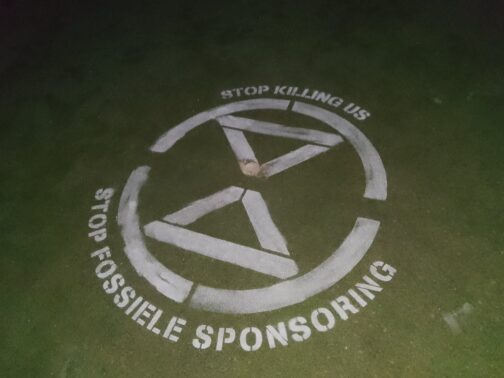
Nachtelijke actie Extinction Rebellion tegen KLM Open Golftoernooi

Extinction Rebellion (XR) eist verbod op fossiele reclame en sponsoring.

In de vroege ochtend van 13 juni 2024 hebben rebellen van XR op Golfclub The International Badhoevedorp actie gevoerd tegen de fossiele sponsoring van het KLM Open Golftoernooi door bij de VIP-lounge op het gras de teksten “STOP KILLING US” en “STOP FOSSIELE SPONSORING” te spuiten. Zij hebben ook bij- en vlindervriendelijke plantjes geplant om aandacht te vragen voor de schadelijke gevolgen van golfbanen. Golfbanen verbruiken veel water, landbouwgiffen, insecticides en fossiele brandstoffen. Ze maken ons ziek en zijn een gevaar voor de biodiversiteit. XR eist een ander gebruik van de golfbanen: gezonde, groene natuur, toegankelijk voor iedereen. Het KLM Open, het zelfbenoemde “meest duurzame sportevenement van Nederland”, wordt gesponsord door KLM, Tata, Schiphol en Audi. Dat zijn fossiele bedrijven die wereldwijd slachtoffers maken. KLM en Tata stoten samen evenveel CO2 uit als een kwart van de Nederlandse huishoudens. In 2023 stootte de Nederlandse luchtvaart ruim 9 procent meer CO2 uit dan in 2022. Audi verkocht vorig jaar bijna twee miljoen fossiele auto’s, die nog steeds evenveel CO2 uitstoten als twaalf jaar geleden. Zonder gif geen golf: golfbanen gebruiken chemische bestrijdingsmiddelen, insecticiden en stikstofhoudende meststoffen die een gevaar opleveren voor onze gezondheid en de natuur. XR eist een verbod op fossiele reclame en sponsoring. De komende drie decennia zullen meer dan 300 miljoen mensen vluchten als gevolg van ondraaglijke hitte, extreem weer, overstromingen, voedsel- en watertekorten, veroorzaakt door de fossiele industrie. De afgelopen decennia hebben westerse regeringen de financiële belangen van de fossiele industrie boven het welzijn van hun eigen bevolking en van het mondiale zuiden geplaatst. Er is niet veel tijd meer. Alleen door nu radicaal te kiezen voor mens, dier en planeet, maken we nog kans om de ernstigste gevolgen van de klimaat- en ecologische ramp te voorkomen.

Links:
Nachtelijke actie Extinction Rebellion tegen KLM Open Golftoernooi

#AlbinismDay #10IAAD Albinism Awareness Day / Albinisme Dag 2024

Albinism is a rare, non-contagious, genetically inherited difference present at birth, congenital absence of melanin in an animal or plant resulting in white hair, feathers, scales and skin and reddish pink or blue eyes.

In almost all types of albinism, both parents must carry the gene for it to be passed on, even if they do not have albinism themselves. The condition is found in both sexes regardless of ethnicity and in all countries of the world. Albinism results in a lack of pigmentation (melanin) in the hair, skin and eyes, causing vulnerability to the sun and bright light. As a result, almost all people with albinism are visually impaired and are prone to developing skin cancer. There is no cure for the absence of melanin that is central to albinism. While numbers vary, it is estimated that in North America and Europe 1 in every 17,000 to 20,000 people have some form of albinism. The condition is much more prevalent in sub-Saharan Africa, with estimates of 1 in 1,400 people being affected in Tanzania  and prevalence as high as 1 in 1,000 reported for select populations in Zimbabwe and for other specific ethnic groups in Southern Africa.

The lack of melanin means persons with albinism are highly vulnerable to developing skin cancer. In some countries, a majority of persons with albinism die from skin cancer between 30 and 40 years of age. Skin cancer is highly preventable when persons with albinism enjoy their right to health. This includes access to regular health checks, sunscreen, sunglasses and sun-protective clothing. In a significant number of countries, these life-saving means are unavailable or inaccessible to them. Consequently, in the realm of development measures, persons with albinism have been and are among those “left furthest behind.” Therefore, they ought to be targeted for human rights interventions in the manner envisioned by the Sustainable Development Goals.

Due to a lack of melanin in the skin and eyes, persons with albinism often have permanent visual impairment. They also face discrimination due to their skin colour; as such, they are often subject to multiple and intersecting discrimination on the grounds of both disability and colour. People with albinism face multiple forms of discrimination worldwide. Albinism is still profoundly misunderstood, socially and medically. The physical appearance of persons with albinism is often the object of erroneous beliefs and myths influenced by superstition, which foster their marginalization and social exclusion. This leads to various forms of stigma and discrimination.

In some communities, erroneous beliefs and myths, heavily influenced by superstition, put the security and lives of persons with albinism at constant risk. These beliefs and myths are centuries old and are present in cultural attitudes and practices around the world. While it has been reported that persons with albinism globally face discrimination and stigma, information on cases of physical attacks against persons with albinism is mainly available from countries in Africa.

Persons with albinism face more severe forms of discrimination and violence in those regions, where the majority of the general population are relatively dark-skinned. In other words, a greater degree of contrast in pigmentation often gives rise to a greater degree of discrimination. That appears to be the case in some sub-Saharan African countries where albinism is shrouded in myth and dangerous and erroneous beliefs. The figures on violations against persons with albinism are telling. There have been hundreds of cases of attacks and killings of persons with albinism reported in 28 countries in Sub-Saharan Africa in the past decade. The attacks have several root causes including ignorance, longstanding stigma, poverty and most abhorrently, harmful practices emanating from manifestation of beliefs in witchcraft. The alarming reality is that these horrendous practices continue today.

The manner in which discrimination faced by persons with albinism manifests itself, and its severity, vary from region to region. In the western world, including North America, Europe and Australia, discrimination often consists of name-calling, persistent teasing and bullying of children with albinism. Little information is available from other regions such as Asia, South America and the Pacific etc. However, some reports indicate that in China and other Asian countries, children with albinism face abandonment and rejection by their families.

2024 marks a decade since the launch of International Albinism Awareness Day. To mark this occasion, this year’s theme is: “10 years of IAAD: A decade of collective progress.” This theme invites us to:

  • Celebrate the strides made within the movement, with renewed commitment for the future;
  • Highlight the tireless efforts of albinism groups from around the world;
  • Reflect on the continued legal, policy and practical changes still required to ensure the full and equal enjoyment of rights by persons with albinism.

Links:
Albinism Awareness Day

Attacks against people with albinism are hate crimes

Not ghosts but human beings

Te voet dwars door België in de strijd tegen armoede

Leo Vercauteren (70) wandelt vanuit Tienen 4.600 kilometer door 581 steden en gemeenten van België om aandacht te vragen voor mensen in armoede.

De start van zijn sportieve uitdaging vond op 13 juni 2024 plaats, plaats van vertrek was de armoedevereniging Erm ’n Erm in Tienen. Leo gaat heel wat kilometers afleggen, maar tijdens de winter last hij even een welverdiende rustpauze in. Na de winterstop zet Leo zijn tocht voort vanaf Diest om in het voorjaar van 2025 te eindigen in Oostende, aan de andere kant van het land. Met zijn tocht wil hij mensen oproepen om organisaties te steunen die pleiten voor structurele oplossingen om armoede aan te pakken. Voor Vlaanderen en Brussel zijn dat het Netwerk tegen Armoede en de 61 lokale verenigingen waar mensen in armoede het woord nemen. Voor Wallonië is dat Réseau Wallon de Lutte contre la Pauvreté.

Links:
Leo (70) stapt 4.600 kilometer dwars door België in strijd tegen armoede

Leo (70) wandelt vanuit Tienen 4.600 (!) kilometer door alle gemeenten van België

Leo stapt Te voet dwars door België in strijd tegen armoede

Dag voor de uitroeiing van armoede / Wereldarmoededag / International Day for the Eradication of Poverty 2024

Zien, luisteren en helpen – publicatie

Wat gemeenten kunnen doen voor een beter bereik in het sociaal domein.

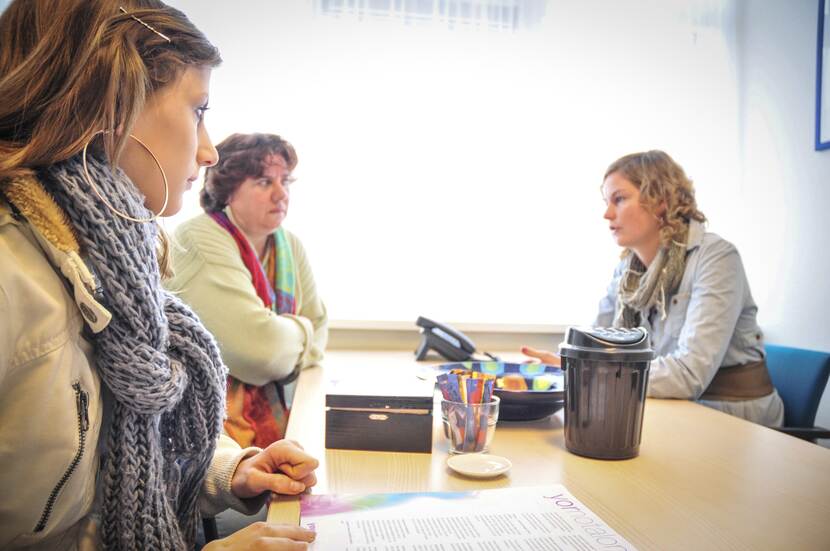
Nog altijd wordt in Nederland een behoorlijke groep mensen die hulp of ondersteuning nodig hebben, niet bereikt. Hierdoor dreigt hun situatie problematischer te worden en worden bestaande ongelijkheden tussen groepen verder vergroot. Het zorgt ook voor toenemend wantrouwen in de overheid als geheel. Daarom onderzocht het Sociaal en Cultureel Planbureau (SCP) waarom gemeenten en dienstverleners niet alle inwoners bereiken die in aanmerking komen voor ondersteuning in het sociaal domein, en wat gemeenten kunnen doen om mensen beter te bereiken. Dit kwalitatieve onderzoek werd uitgevoerd in drie (anoniem gebleven) gemeenten. Het onderzoek is het vervolg op het onderzoeksrapport Gezien, gehoord en geholpen willen worden dat in augustus 2023 is gepubliceerd. Het doel van deze twee deelonderzoeken samen is om beleidsmakers en dienstverleners meer inzicht te bieden in de doorwerking van beleid, het effect van handelen in de uitvoering op de mensen die zij willen bereiken, en hoe mensen dat beleven. Dat biedt hun aanknopingspunten om hun beleid en dienstverlening te verbeteren, zodat zij inwoners beter kunnen bereiken.

Links:
Zien, luisteren en helpen

Gemeenten te passief in steun aan kwetsbaren: ‘Door onrealistisch mensbeeld’

DelfSail 2024

DelfSail is een Nederlands maritiem evenement, dat – in principe – om de vijf jaar wordt georganiseerd in Delfzijl.

De zevende editie van DelfSail zou gehouden worden in juni 2021, maar is in verband met de coronapandemie uitgesteld tot 2024. Vier dagen lang is de haven van Delfzijl één groot festivalterrein met Tall Ships, artiesten, maritieme markten, straattheater, shantykoren en meer. Alle schepen en optredens zijn gratis te bewonderen. In 2024 worden de schijnwerpers gericht op de toekomst met het ‘duurzaamheidsplein‘, een initiatief dat laat zien hoe samengewerkt kan worden aan een schonere, duurzamere wereld.

Links:
DelfSail