In de geschiedenis
Links:
Wikipedia

Links:
Wikipedia

Equal Pay Day, celebrated on 18 September, represents the longstanding efforts towards the achievement of equal pay for work of equal value.
It further builds on the United Nations’ commitment to human rights and against all forms of discrimination, including discrimination against women and girls. Across all regions, women are paid less than men, with the gender pay gap estimated at around 20 per cent globally. Gender equality and the empowerment of women and girls continue to be held back owing to the persistence of historical and structural unequal power relations between women and men, poverty and inequalities and disadvantages in access to resources and opportunities that limit women’s and girls’ capabilities. Progress on narrowing that gap has been slow. While equal pay for men and women has been widely endorsed, applying it in practice has been difficult. In order to ensure that no one is left behind, the Sustainable Development Goals (SDGs) address the need to achieve gender equality and the empowerment of all women and girls.
Furthermore, the SDGs promote decent work and economic growth by seeking full and productive employment and decent work for all women and men, including for young people and persons with disabilities, and equal pay for work of equal value. Mainstreaming of a gender perspective is crucial in the implementation of the 2030 Agenda for Sustainable Development. Achieving equal pay is an important milestone for human rights and gender equality. It takes the effort of the entire world community and more work remains to be done. The United Nations, including UN Women and the International Labour Organization (ILO) invites Members states and civil society, women’s and community-based organizations and feminist groups, as well as businesses and workers’ and employers’ organizations, to promote equal pay for work of equal value and the economic empowerment of women and girls. Ingrained inequalities cause the gender pay gap. Women, especially migrant women, are overrepresented in the informal sector, leading to low-paying, unsafe working conditions without social benefits.
Women also perform three more hours of daily care work than men, including household tasks and caring for children and the elderly. The motherhood penalty exacerbates pay inequity, with working mothers facing lower wages, particularly as the number of children they have increased. Gender stereotypes, discriminatory hiring practices, and promotion decisions also contribute to pay inequalities. The fight for equal pay and pay equity is urgent as income inequality harms women the most. In the United States, Black women earn only 63.7 cents, Native women 59 cents, and Latinas 57 cents for every dollar that white men earn. It is important to address underpaid and undervalued jobs in the care sector, where women make up 67% of workers. The Equal Pay International Coalition (EPIC) is led by the ILO, UN Women, and OECD. The Coalition’s goal is to achieve equal pay for women and men everywhere. By bringing together a diverse set of actors with different areas of focus and expertise, EPIC supports governments, employers, workers, and their organizations to make concrete and coordinated progress towards this goal. EPIC is currently the only multi-stakeholder partnership working to reduce the gender pay gap at the global, regional and national levels.
De loonkloof dichten – Waarom de Wet Gelijke Beloning nog niet werkt
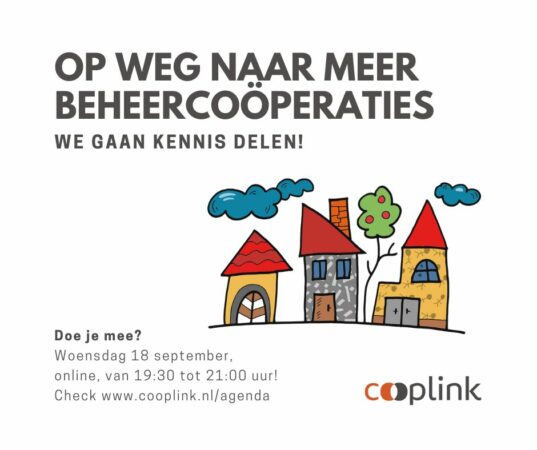
In de sessie ‘Op weg naar meer beheercoöperaties’ gaat het over de visie en de rol van de corporatie.
Er is een beweging op gang gekomen naar meer gemeenschapszin in de corporatiesector. Aedes, vereniging van woningcorporaties, heeft een langetermijnvisie gepresenteerd met als titel Samen Wonen en Samen Leven. Uit die visie: ‘van stenen naar mensen‘ en ‘naar het bevorderen van sterke gemeenschappen‘. Aedes spreekt van ‘Faciliteren van bewonersinitiatieven‘ en ‘ook blijft de behoefte aan innovatieve en collectieve woonvormen groeien‘. Deze visie is beheercoöperaties op het lijf geschreven natuurlijk. Dus wat mogen bewoners verwachten van de woningcorporaties in de komende tijd? Is de weg nu vrij om initiatieven te starten? Komen er locaties beschikbaar voor woongemeenschappen? En werken gemeenten hier ook aan mee? In deze kennisdeelsessie wordt de visie en de rol van de corporatie besproken. En gaat het over de praktijk aan de hand van een project in wording: hoe gaat het ontstaan van een beheercoöperatie in zijn werk? De sessie is online via Zoom. De inlogcodes ontvang je na aanmelding per e-mail. Voor leden is de sessie gratis, niet-leden krijgen een open betaalverzoek. Je bepaalt dus zelf wat je betaalt.
%20(1)_edited.png)
World Bamboo Day, celebrated on September 18 all over the world, is an initiative created in 2009 by the World Bamboo Organization (WBO) to raise awareness about the incredible benefits of bamboo; this day emphasizes bamboo’s role as a sustainable resource with significant environmental, economic, and social impact.
2024 marks the 15th anniversary of recognizing bamboo’s significance and the vast potential it holds for our planet. World Bamboo Day is more than just a celebration; it’s a call to action. Bamboo, often considered a humble plant, has proven to be a powerful resource with incredible benefits for the environment, economy, and society. In many regions where bamboo grows naturally, it has been a daily essential for centuries. However, overexploitation has sometimes led to unsustainable practices. WBO is dedicated to changing that narrative by promoting the sustainable use of bamboo and encouraging its cultivation for innovative industries worldwide. Bamboo is not only a renewable resource but also a solution for combating climate change, restoring degraded lands, and creating economic opportunities in communities across the globe. This World Bamboo Day, you can join in raising awareness about the importance of bamboo. Whether through local events, educational programs, or creative initiatives, your participation can make a difference. Together, we can showcase bamboo’s potential, protect natural resources, and pave the way for a greener, more sustainable future. Celebrate World Bamboo Day, and be part of this global movement!
Künstliche Intelligenz, die unsere geheimsten Wünsche erkennt, die uns beschützt – und bewacht.
Welche neuen Möglichkeiten tun sich auf? Und welche Gefahren? Harald Lesch und Jasmina Neudecker diskutieren mit den Informatiker:innen Björn Ommer, Debora Weber-Wulff und Björn Schuller.
Dinsdag; Einstein-Telescoop; Ter Apel; Yagi; Coronaprik; CERN 70; Prinsjesdag; Klimaatwake; Linux; Werelddag voor Patiëntveiligheid; energiearmoedekloof.

Coronaprik:

In het kader van de najaarsronde coronaprik 2024 was A3 opgeroepen om op een vaccinatie-locatie aan de Lemelerbergweg in de Bijlmer een spuit te halen.

Deze was letterlijk “in the middle of nowhere”, eerst door een soort brandganghek, langs een parkeerplaats en dan de verkeerde hal bijna in, want de prik-locatie had geen eigen adres.

Aan de achterkant van het gebouw bleek de GGD zich te hebben verstopt.
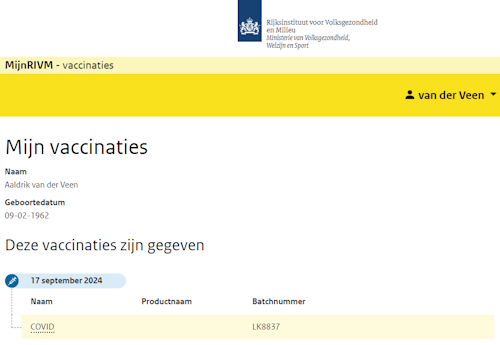
Er wordt geen registratiekaart meer afgegeven, enkel een vermelding op de webpagina van het RIVM.
Knipselkrant:
Agenda:
Weer:
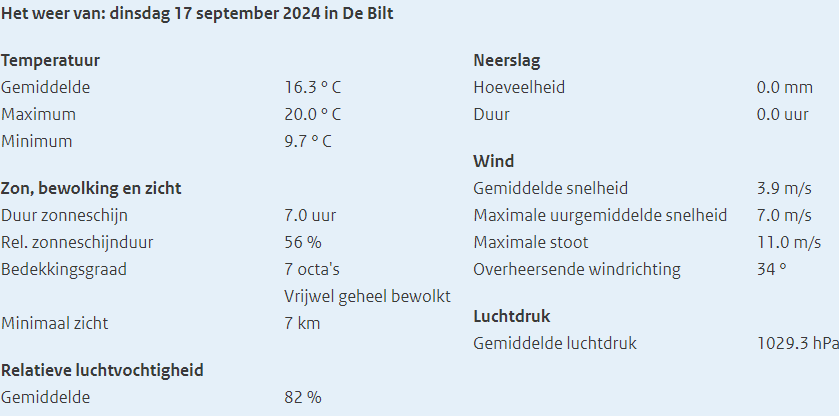
Links:
In de geschiedenis
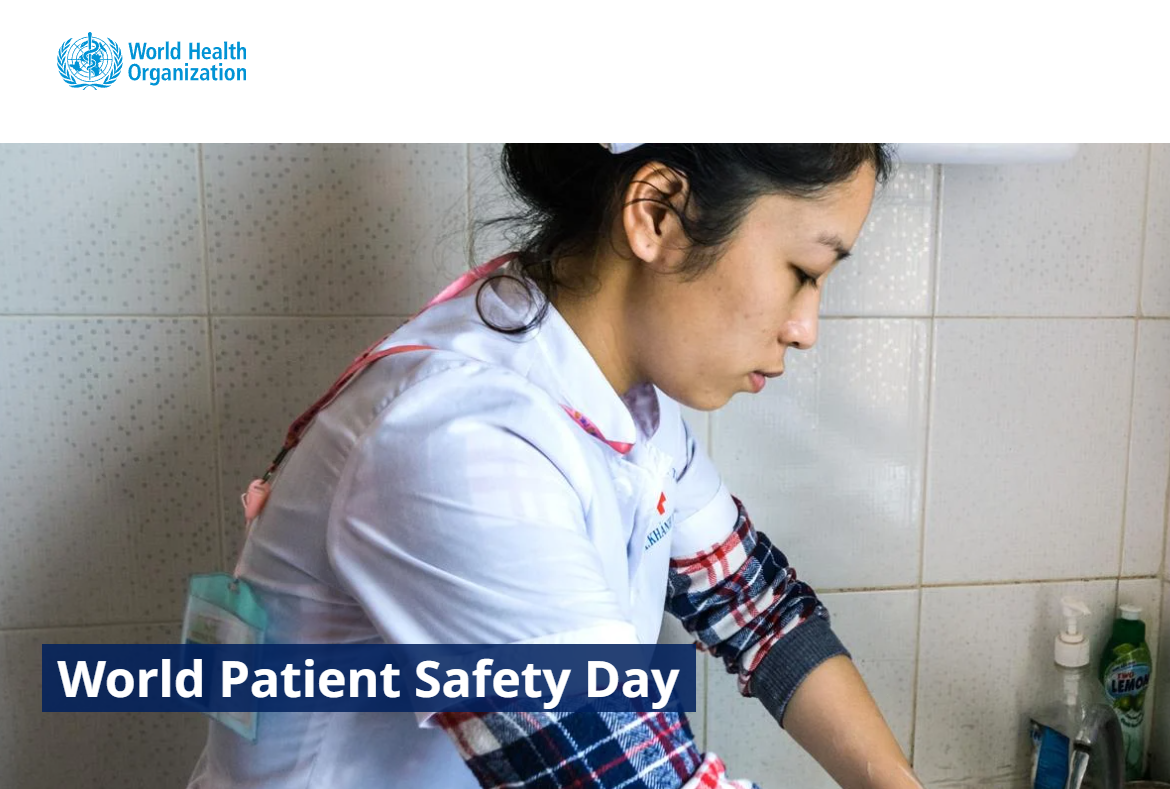
Patient safety is a discipline that emphasizes safe
The frequency and magnitude of avoidable adverse events experienced by patients was not well known until the 1990s, when multiple countries reported staggering numbers of patients harmed and killed by medical errors. Recogniz
No one should be harmed in health care. Yet thousands of patients across the world suffer avoidable harm, or are put at risk of injury, while receiving health care every single day. The 72nd World Health Assembly adopted resolution WHA 72.6 ‘Global action on patient safety’ on 25 May 2019. The resolution recognizes patient safety as a global health priority and endorses the establishment of World Patient Safety Day to be observed annually on 17 September.
World Patient Safety Day calls for global solidarity and concerted action by all countries and international partners to improve patient safety. Furthermore, the Day brings together patients, families, caregivers, communities, health workers, health care leaders and policy-makers to show their commitment to patient safety. The theme of the very first World Patient Safety Day in 2019 was aimed at establishing the legacy of the day and highlighting the importance of prioritizing and addressing patient safety globally by all stakeholders. F
Links:
Wor

Linux (/ˈlinʊks
Linux is typically packa
Linux was originally developed for personal computers based on the Intel x86 architectur
Li
Links:
Wikipedia

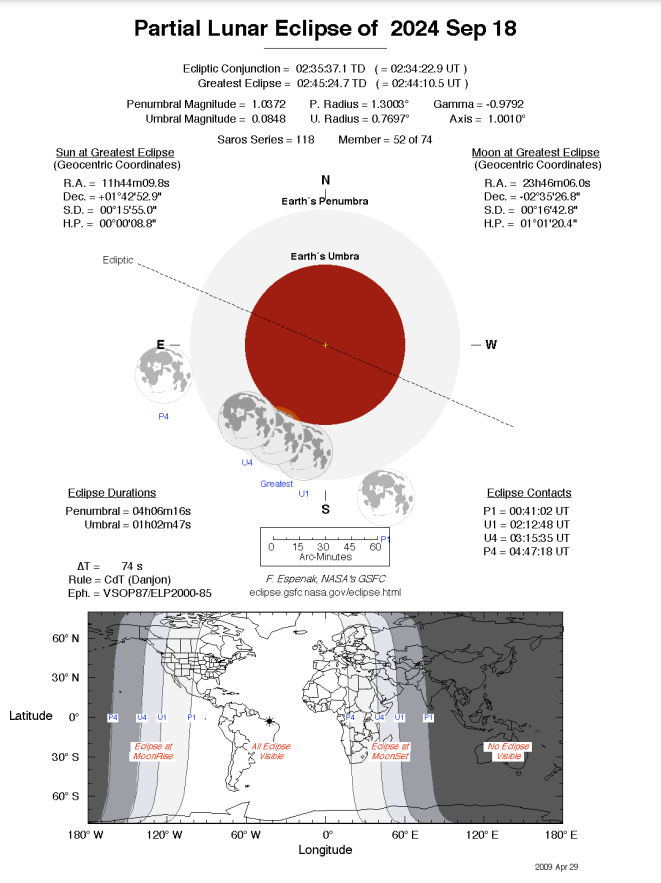
The September 2024 partial lunar eclipse occured on Wednesday, 17–18 September 2024, the second of two lunar eclipses in 2024 and the final partial lunar eclipse of Lunar Saros 118.
This eclipse took place 9 hours before perigee meaning the moon was a supermoon with a distance of 357486 km and diameter of 33.4′. The eclipse was visible over western parts of Africa and Europe, South and eastern North America, all of South America, and parts of Antarctica, and was seen rising over the rest of North America and setting over the rest of Africa, parts of Asia, Europe and the Middle East.
Links:
Harvest Moon Supermoon lunar eclipse delights skywatchers worldwide (photos)