Translation Day / Dag van het Vertalen 2024
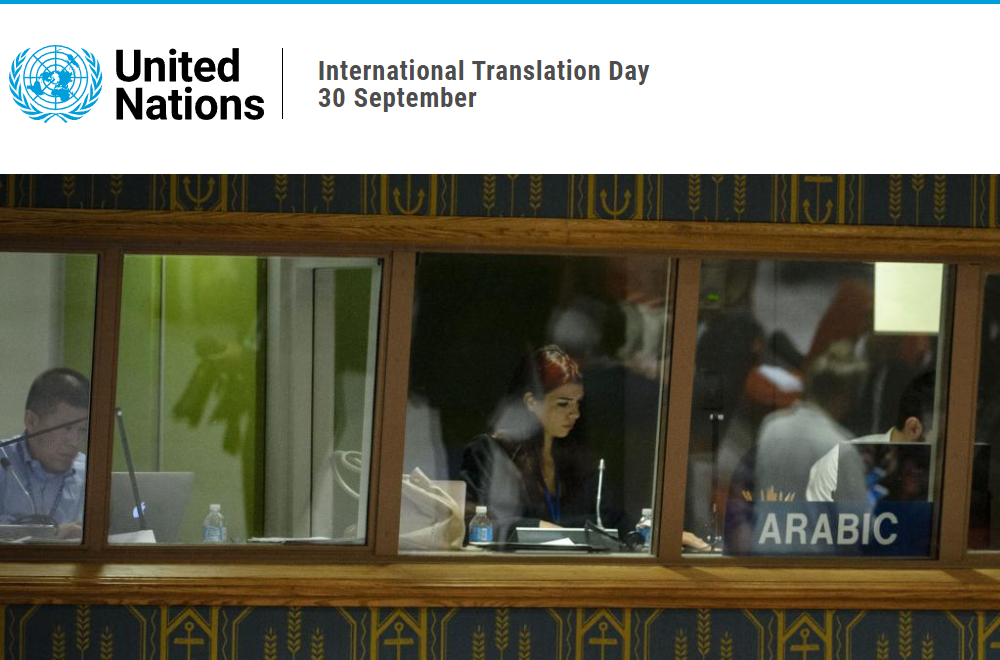
Translation Day is meant as an opportunity to pay tribute to the work of language professionals, which plays an important role in bringing nations together, facilitating dialogue, understanding and cooperation, contributing to development and strengthening world peace and security.

Transposition of a literary or scientific work, including technical work, from one language into another language, professional translation, including translation proper, interpretation and terminology, is indispensable to preserving clarity, a positive climate and productiveness in international public discourse and interpersonal communication. Thus, on 24 May 2017, the General Assembly adopted resolution 71/288 on the role of language professionals in connecting nations and fostering peace, understanding and development, and declared 30 September as International Translation Day. Languages, with their complex implications for identity, communication, social integration, education and development, are of strategic importance for people and the planet.

There is growing awareness that languages play a vital role in development, in ensuring cultural diversity and intercultural dialogue, but also in attaining quality education for all and strengthening cooperation, in building inclusive knowledge societies and preserving cultural heritage, and in mobilizing political will for applying the benefits of science and technology to sustainable development. An essential factor in harmonious communication among peoples, multilingualism is also regarded by the United Nations General Assembly as a core value of the Organization. By promoting tolerance, multilingualism ensures effective and increased participation of all in the Organization’s work, as well as greater effectiveness, better performance and improved transparency.

Links:
Translation Day

Blasphemy Rights Day / Dag van Recht op Blasfemie / Dag van de Godslastering 2024

Blasphemy Day, held each year on September 30, also known as International Blasphemy Day or International Blasphemy Rights Day, educates individuals and groups about blasphemy laws and defends freedom of expression, especially the open criticism of religion which is criminalized in many countries.

Blasphemy Day was introduced as a worldwide celebration by the Center for Inquiry in 2009. Events worldwide on the first annual Blasphemy Day in 2009 included an art exhibit in Washington, D.C., and a free speech festival in Los Angeles. Blasphemy Rights Day is a day to show solidarity with those who challenge oppressive laws and social prohibitions against free expression, to support the right to challenge prevailing religious beliefs without fear of violence, arrest, or persecution. Blasphemy Rights Day is observed every September 30 to commemorate the publishing of the Jyllands-Posten Muhammad cartoons, which angered religious believers around the world, many of whom expressed their disapproval with violent protests, riots, and in some cases, murder. While many perceive “blasphemy” as offensive, this event is not intended to ridicule and insult others. Rather, it was created as a reaction against those who would seek to take away the right to satirize and criticize a particular set of beliefs given a privileged status over other beliefs. Observing International Blasphemy Rights Day is a way of showing opposition to any resolutions or laws, binding or otherwise, which discourage or inhibit freedom of speech of any kind. Freedom of expression, including the right to criticize any belief, religious, political, or otherwise, is the only way in which any nation with any modicum of freedom can exist. Without this essential liberty, dissent can be suppressed and silenced by labeling it as “defamation” or “blasphemy.” Even rhetoric that uses the guise of sensitivity, such as “hurting religious feelings” can be twisted to stifle opposition by turning popular sentiment against it.

Links:
Blasphemy Rights Day

We Keep Failing the Blasphemy Test

E-bike en fatbike zorgen voor relatief veel hersenletsel – Landelijke meetweek fietsongevallen

Om meer inzicht te krijgen wordt in de week van 30 september tot en met 6 oktober 2024 op alle 82 Nederlandse Spoedeisende Hulp-afdelingen (SEH) in Nederland het aantal fatbike, overige e-bike en overige fietsongevallen bijgehouden en informatie verzameld over leeftijd, helmdracht en de ernst van het letsel.

Dit is een samenwerking van de Nederlandse Vereniging van Spoedeisende Hulp Artsen (NVSHA), de Nederlandse Vereniging voor Traumachirurgie (NvT), de Artsen voor Veilig Fietsen (AvVF) en VeiligheidNL. In het Letsel Informatie Systeem (LIS) van VeiligheidNL staan o.a. verkeersslachtoffers geregistreerd die zijn behandeld op een SEH-afdeling van een selectie van ziekenhuizen in Nederland. Deze ziekenhuizen vormen een representatieve steekproef van ziekenhuizen in Nederland met een continu bezette SEH-afdeling.

Links:
E-bike en fatbike zorgen voor relatief veel hersenletsel

Ziekenhuizen turven week lang aantal ongelukken in de stad met fatbikes

Oproep aan de Tweede Kamer: Leg opgevoerde fatbikes aan banden!

Bijna honderd fatbikers op spoedeisende hulp in één week tijd – publicatie

Oproep aan de Tweede Kamer: Leg opgevoerde fatbikes aan banden!

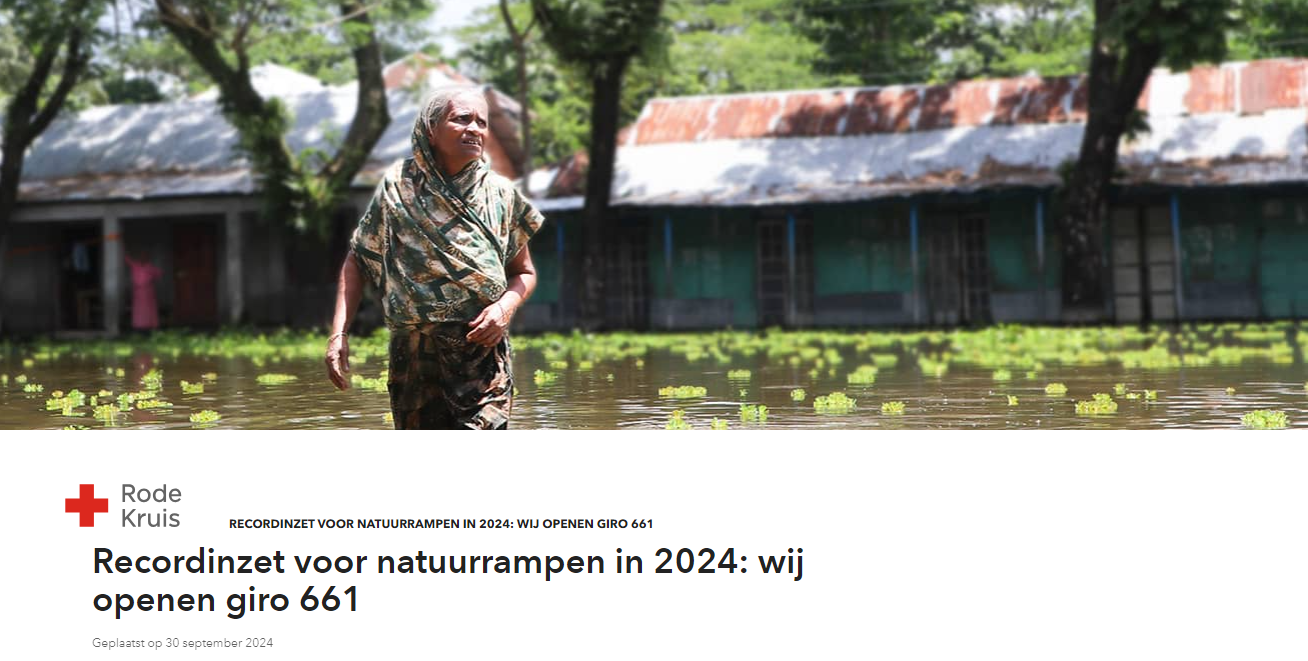
Recordinzet voor natuurrampen in 2024: Rode Kruis NL opent giro 661

Hulporganisatie het Rode Kruis opent giro 661 voor getroffenen overstromingen, cyclonen en droogte.

2024 is nu al een recordjaar natuurrampen voor het Rode Kruis. Niet eerder kwam de hulporganisatie op grote schaal in actie bij zoveel overstromingen, tropische stormen en periodes van hitte of droogte. Van Soedan tot Bangladesh, van Brazilië tot in Centraal-Europa: ieder continent heeft te maken met extreem weer. Het Rode Kruis opent daarom giro 661, om de mensen in de meest kwetsbare situaties te helpen met voedsel, water en medische zorg.  Er is gigantisch veel hulp nodig van het Rode Kruis nodig na overstromingen, stormen, hittegolven en periodes van droogte. De hulporganisatie verleende dit jaar al op grote schaal hulp bij 79 natuurrampen wereldwijd. Sommige landen, zoals Bangladesh, Tsjaad en Mozambique, werden zelfs meerdere keren flink getroffen. In 2023 ging het om 58 natuurrampen in dezelfde periode, in 2022 waren het er 43. Natuurrampen komen steeds vaker voor en zijn intenser. Door hevige overstromingen verkeren miljoenen mensen in Nigeria, Niger, Tsjaad en Soedan in nood. In Bangladesh regende het zoveel, dat vijf miljoen mensen zijn getroffen door overstromingen. Supertyfoon Yagi was één van de heftigste stormen ooit in Zuidoost-Azië, met meer dan 200 doden in Myanmar. Honderdduizenden mensen die al in vluchtelingenkampen wonen, moeten opnieuw op zoek naar een veilige plek. En door de lange periode van droogte in zuidelijk Afrika, zoals Zambia en Zimbabwe, beschadigen oogsten keer op keer. Daardoor zijn veel meer mensen afhankelijk van humanitaire hulp. Het Rode Kruis helpt de getroffenen van extreem weer, juist nu meer mensen onze hulp nodig hebben. Doneren kan via de website van het Rode Kruis of via Giro NL56INGB0000000661.

Links:
Recordinzet voor natuurrampen in 2024

Rode Kruis opent gironummer om jaar met recordaantal natuurrampen

De Boom van het Jaar 2024 – bekendmaking

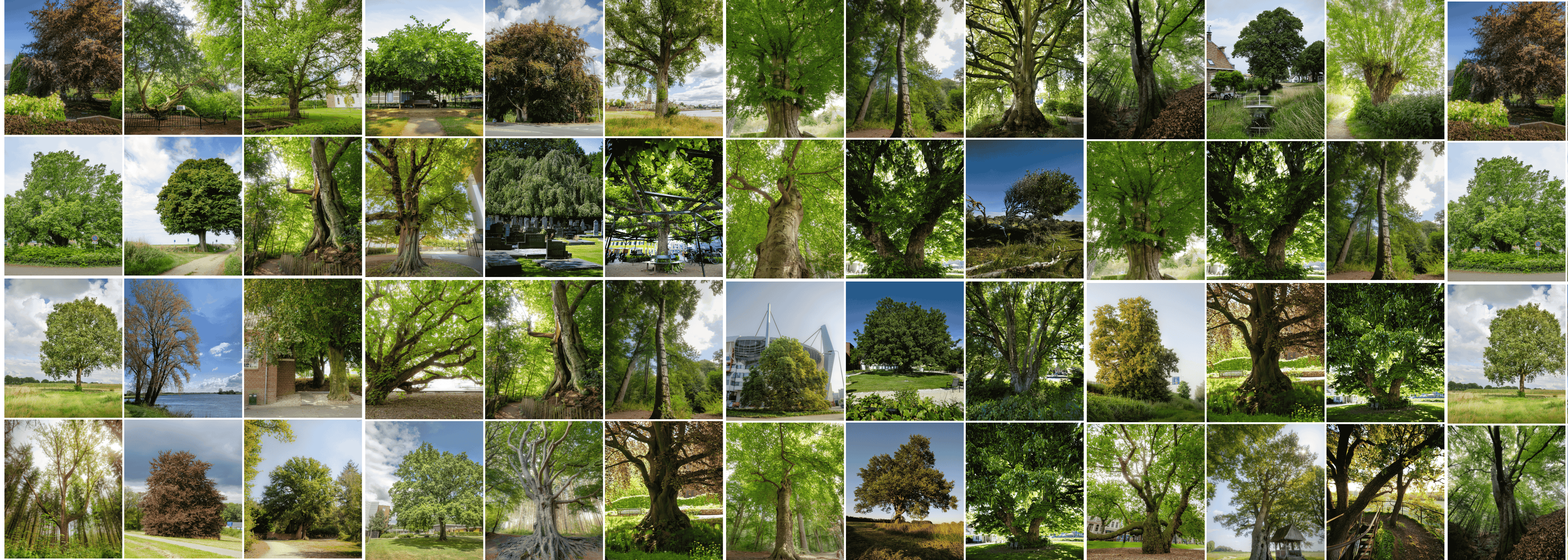
Bomen zijn belangrijk, want bomen zijn zuurstof-fabriekjes, een huis en supermarkt voor dieren, levende airco’s op warme dagen en ze zijn verhalenvertellers…

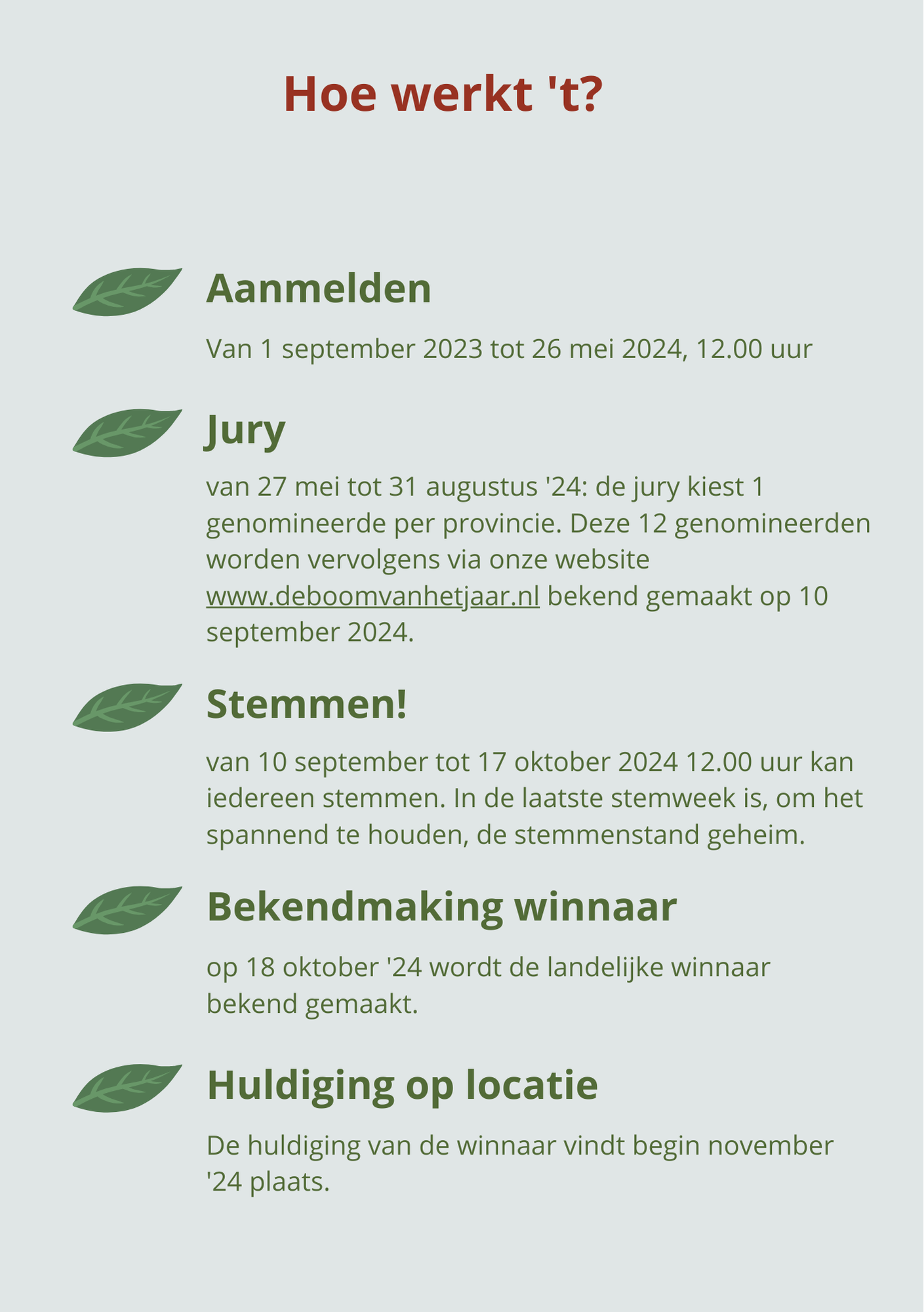
Of je nu dorpsbewoner, stadsgenoot of minister president bent, kleine of grote gemeente, bewonerscomité, trotse provincie of vrijwillige snoeiploeg: iedereen en elke organisatie kan een boom aanmelden voor de Boom van het Jaar verkiezing. Belangrijk is dat jouw boom een bijzonder verhaal, zoals een legende of een historisch verhaal heeft of op een bepaalde manier belangrijk is voor jouw gemeenschap. Uit alle provinciale en overzeese inzendingen kiest onze deskundige Bomenjury 13 (provinciale) winnaars. Dat is al reden voor een regionaal feest! In de nationale stemronde, waarin heel Nederland zijn stem kan uitbrengen, strijden deze 12 provinciale bomen om de landelijke titel “De Boom van het Jaar”. De verkiezing van de Boom van het Jaar, georganiseerd door SBNL Natuurfonds, richt zich op bomen met een bijzondere geschiedenis of maatschappelijk waarde binnen hun gemeenschap.

Klik op afbeelding om te lezen

Uitslag:
De prachtige Ginkgo biloba of Japanse notenboom in de universiteitstuin van Leiden is verkozen tot de Boom van het Jaar 2024. Met 5216 stemmen liet dit ‘levend fossiel in de moderne tijd’ de 1.000-jarige Wayaká-boom op Bonaire achter zich. In totaal werden er dit jaar 14765 stemmen uitgebracht. De Ginkgo biloba, met zijn kenmerkende waaiervormige bladeren en eeuwenoude geschiedenis, is nu de Nederlandse inzending voor de Europese Tree of the Year 2025, die in februari zal plaatsvinden. De Ginkgo biloba werd in 1785 geplant en heeft sindsdien een prominente plek in de Leidse Hortus. Ondanks bombardementen tijdens de Tweede Wereldoorlog heeft deze boom het overleefd en staat hij symbool voor veerkracht en continuïteit. Wat de Ginkgo biloba nog specialer maakt, is dat het de laatste overlevende soort is van het Ginkgoaceae-geslacht, dat in de tijd van de dinosauriërs wereldwijd voorkwam. De boom in Leiden is de op een na oudste van Europa.

Links:
De Boom van het Jaar

Stemmen op de Boom van het Jaar

Uitslag verkiezing Boom van het Jaar 2024 – De winnaar van 2024 is de Ginkgo Biloba in de Leidse Hortus

2024-09-29, Lief dagboek

Zondag; Wat eten we vandaag?; Day of Awareness of Food Loss and Waste; Wereld Hart Dag; Maand van de Geschiedenis; NL Space Week; Glyfosaat.

Deze afbeelding heeft een leeg alt-attribuut; de bestandsnaam is dagboek.png

Wat eten we vandaag:

Klik op afbeelding voor origineel

Knipselkrant:


Agenda:

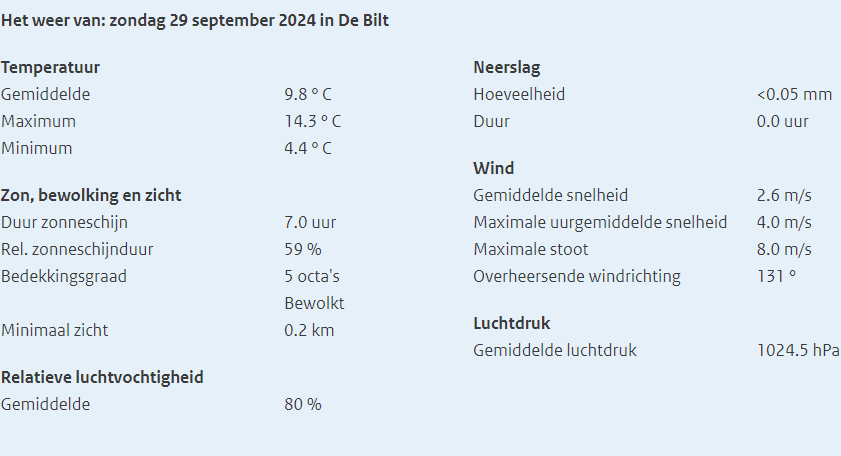
Weer:

Deze afbeelding heeft een leeg alt-attribuut; de bestandsnaam is 50813896361_463cbfec7c.jpg

Links:
In de geschiedenis

#WorldHeartDay / Wereld Hart Dag 2024 / Petition

In 2000, World Heart Day was founded to inform people around the globe that Cardiovascular disease (CVD) is the world’s leading cause of death and is the biggest global awareness-raising platform for CVD, celebrated every year on 29 September.

In May 2012, world leaders committed to reducing global mortality from non-communicable diseases (NCDs) by 25% by 2025. CVD is accountable for nearly half of all NCD deaths making it the world’s number one killer. World Heart Day is, therefore, the perfect platform for the CVD community to unite in the fight against CVD and reduce the global disease burden. Created by the World Heart Federation, World Heart Day informs people around the globe that CVD, including heart disease and stroke, is the world’s leading cause of death claiming 17.5 million lives each year, and highlights the actions that individuals can take to prevent and control CVD. It aims to drive action to educate people that by controlling risk factors such as tobacco use, unhealthy diet and physical inactivity, at least 80% of premature deaths from heart disease and stroke could be avoided. World Heart Day is a global campaign during which individuals, families, communities, and governments around the world participate in activities to take charge of their heart health and that of others. Through this campaign, the World Heart Federation unites people from all countries and backgrounds in the fight against the CVD burden and inspires and drives international action to encourage heart-healthy living across the world.

Petition: ‘I call on all governments and decision makers to put an action plan in place to defeat the world’s biggest killer’. This petition is for all who care about better health, and having access to diagnosis, care, and prevention of disease. CVD is killer number one claiming more than 20 million lives every year. Sign nowand urge leaders to take action on CVD with a bold national plan. Let’s make a productive, global community of healthier hearts that can count on smart investment and responsible policies. Sign the petition, add your voice to the millions saying YES to a healthier future for everyone.

Links:
World Heart Day

Hartstichting

A rockslide-generated tsunami in a Greenland fjord rang Earth for 9 days

On 16 September 2023, a significant landslide, consisting primarily of ice and rock, occurred in Dickson Fjord, triggering a 200-meter-high tsunami.

However, the tsunami was not immediately observed due to a seiche formation. A seiche is a standing wave oscillating back and forth within a confined body of water, such as a fjord. In this case, the seiche phenomenon caused the tsunami wave to be trapped and amplified within the fjord for approximately nine days, resulting in unusual seismic readings worldwide.

Links:
Bizarre, nine-day seismic signal caused by epic landslide in Greenland

Greenland mega-tsunami led to week-long oscillating fjord wave