2024-11-28, Lief dagboek

Donderdag; Wat eten we vandaag?; klimaatrechtvaardigheid & Palestina; Day of Mourning in the U.S. / Unthanksgiving Day; begrotingsstaten van het Ministerie van Onderwijs, Cultuur en Wetenschap.

Deze afbeelding heeft een leeg alt-attribuut; de bestandsnaam is dagboek.png

Wat eten we vandaag?:

Klik op afbeelding voor origineel

Knipselkrant:


Agenda:

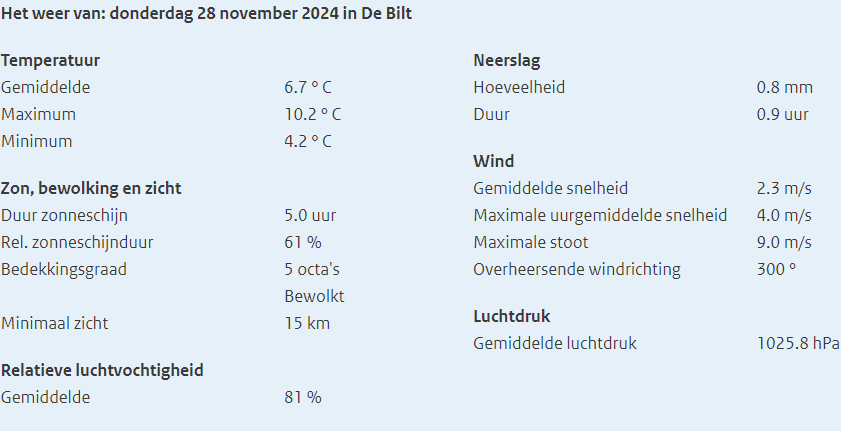
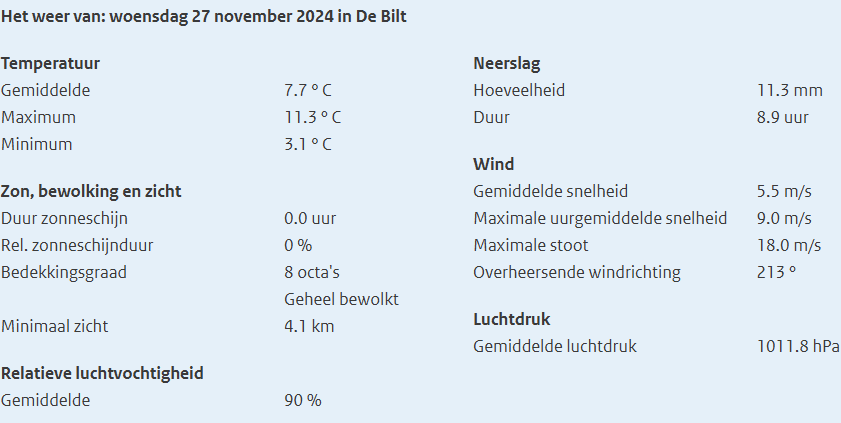
Weer:

Links:
In de geschiedenis

Press freedom RSF Awards 2024

Reporters Without Borders (RSF) annual awards ceremony to honor notable journalists and media outlets from around the world.

RSF will present awards to journalists and media outlets in the following categories: Courage, Impact, Independence, Lucas Dolega – SAIF Photo Award, and Mohamed Maïga – African Investigative Journalism Award. RSF USA advisory board member Lulu Garcia-Navarro, an award-winning journalist, co-host of The Interview from the New York Times Magazine, and an on-air contributor to CNN, will host the ceremony. Michel Martin, an Emmy-winning journalist and host of NPR’s Morning Edition, will deliver a keynote address. Aïssa Maïga, a renowned French actress, will present the new award made in memory of her father and the courageous Malian journalist, Mohamed Maïga. Click here to view 2024 award nominees.

Links:
RSF reveals the 2024 shortlist for its Press Freedom Awards ahead of the ceremony in Washington DC this December

RSF Press Freedom Awards: the 2024 laureates

#RedPlanetDay 2024

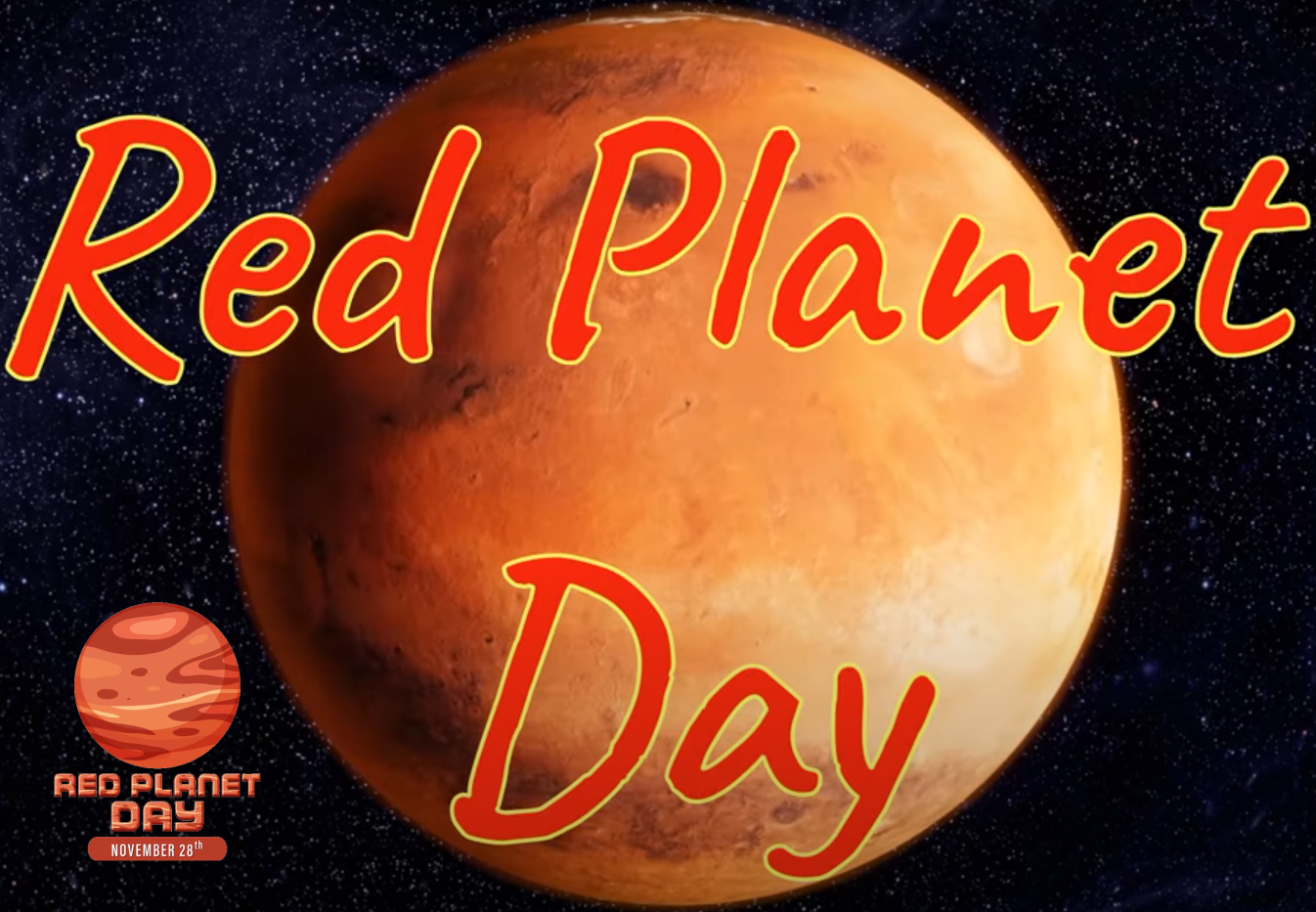
Red Planet Day commemorates the launch of the Mariner 4 spacecraft on November 28, 1964 which was the first craft to ever reach Mars.

Since the late 20th century, Mars has been explored by uncrewed spacecraft and rovers, with the first flyby by the Mariner 4 probe in 1965, the first Mars orbiter by the Mars 2 probe in 1971, and the first landing by Viking 1 in 1976. As of 2023, there are at least 11 active probes orbiting Mars or at the Martian surface. Mars is an attractive target for human missions. Mars is the fourth planet and the furthest terrestrial planet from the Sun. The reddish color of its surface is due to finely grained iron(III) oxide dust in the soil, giving it the nickname “the Red Planet”. Mars’s radius is second smallest among the planets in the Solar System at 3,389.5 km (2,106 mi). The Martian dichotomy is visible on the surface: on average, the terrain on Mars’s northern hemisphere is flatter and lower than its southern hemisphere. Mars has a thin atmosphere made primarily of carbon dioxide, and two irregularly shaped natural satellites, Phobos and Deimos. Geologically, Mars is fairly active, with dust devils sweeping across the landscape and marsquakes (Martian analog to earthquakes) trembling underneath the ground. The surface of Mars hosts a large shield volcano (Olympus Mons) and one of the largest canyons in the Solar System (Valles Marineris).

Mars’s significant orbital eccentricity and axial tilt cause large seasonal changes to the polar ice caps‘ coverage and temperature swings between 163K / −110 °C to 308K / 35 °C on the surface. A Martian solar day (sol) is equal to 24.5 hours and a Martian solar year is equal to 1.88 Earth years. Like the other planets in the Solar System, Mars was formed approximately 4.5 billion years ago. During the Noachian period from about 4.1 to 3.7 billion years ago, Mars’s surface was marked by meteor impacts, valley formation, erosion, and the possible presence of water oceans. The Hesperian period from 3.7 to 3.2–2 billion years ago was dominated by widespread volcanic activity and flooding that carved immense outflow channels. The Amazonian period, which continues to the present, was marked by the wind’s influence on geological processes. It is unknown whether life has ever existed on Mars. Mars is among the brightest objects in Earth’s sky, and thus has been known from ancient times. Its high-contrast albedo features make it a common subject for viewing with a telescope.

Links:
Red Planet Day: A Celebration of Mars and Its Mysteries

(Exo)Planeet : Mars

#GivingTuesday 2024

GivingTuesday, often stylized as #GivingTuesday for the purposes of hashtag activism, is the Tuesday after Thanksgiving in the United States.

It is touted as a “global generosity movement unleashing the power of people and organizations to transform their communities and the world”. The organization of the same name is an independent nonprofit that supports the global movement. GivingTuesday was initiated in 2012 by Henry Timms at the 92nd Street Y in New York. The co-founding organization was the United Nations Foundation, with support from BLK SHP (Black Sheep). The date range is November 27 to December 3, and is always five days after the Thanksgiving holiday. A similar concept was also floated in 2011 at the non-profit Mary-Arrchie Theater Company in Chicago by then-producing director Carlo Lorenzo Garcia, who urged shoppers via The Huffington Post to consider donating to charity after they had finished their Cyber Monday shopping. He suggested the name Cyber Giving Monday. For its first eight years, GivingTuesday was housed in the 92nd Street Y’s Belfer Center for Innovation & Social Impact. In June 2019, GivingTuesday split off from 92Y to become an independent organization, with Asha Curran serving as CEO. Among others, GivingTuesday has received support from The Bill & Melinda Gates Foundation, Craig Newmark Philanthropies, Emerson Collective, Fidelity Charitable, the Ford Foundation, the Ford Motor Company, PayPal, the William and Flora Hewlett Foundation and the David Lynch Foundation.

Links:
GivingTuesday

On Giving Tuesday, choose to localize your impact

Eindejaars #Plantenjacht 2024

We weten maar weinig van planten die midden in de winter bloeien, daarom brengt Tuintelling ze samen met jou in kaart tijdens de Eindejaars plantenjacht. Jaag je mee?

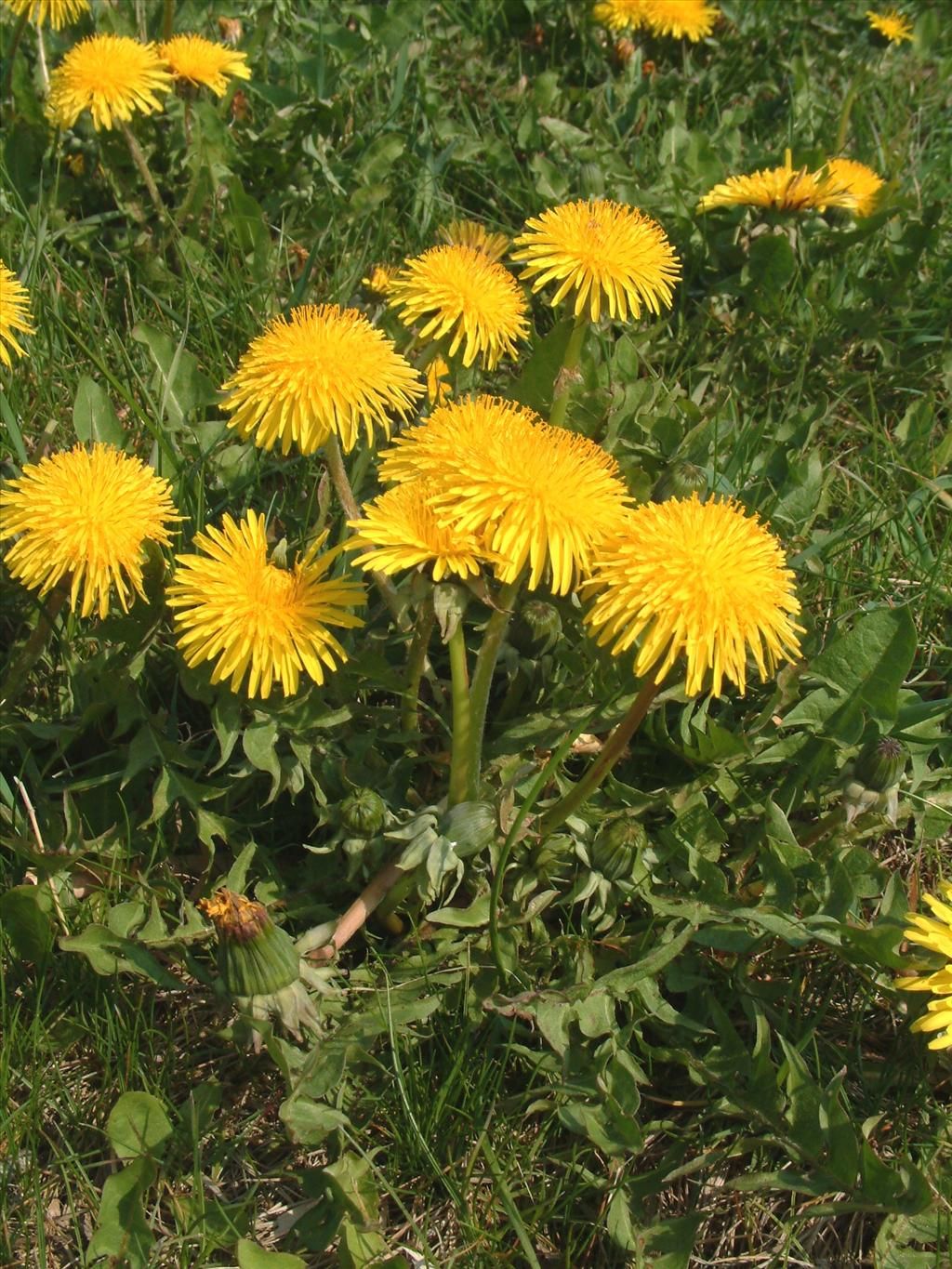
Midden in de winter zijn er verrassend veel bloeiende plantensoorten te vinden. Sommige kunnen het hele jaar door bloeien, andere weten hun najaarsbloei te rekken wanneer er geen serieuze nachtvorst is. En als het weer meezit dan komen de voorjaarsbloeiers al uit op zonnige en beschutte plekken. Kies een moment in de telperiode tijdens deze 11e editie. Noteer gedurende één uur alle wilde en verwilderde planten die in je tuin in bloei staan. (Tuinplanten tellen niet mee). De bloemen kunnen trouwens heel klein zijn, dus het is soms echt even zoeken. Mocht het in deze periode tijdelijk heel koud zijn, waardoor er geen planten bloeien, kijk dan nog een keer als het minder koud is. Planten kunnen soms heel snel weer in bloei staan. Geef alleen bloeiende planten door. Je hoeft geen aantallen te noteren. Deel je vondsten ook op Twitter met #plantenjacht, en op de Facebook-pagina van FLORON of van jezelf. Zo maak je andere natuurliefhebbers enthousiast om ook mee te doen. Welke planten zagen we het vaakst in bloei? Wat zijn de verschillen met vorige jaren? Welke trends zijn er te zien? De belangrijkste resultaten worden gepubliceerd na de telling op deze pagina. Heb je meegeteld? Dan ontvang je via e-mail een seintje als de resultaten klaar staan. De zoekkaart van FLORON helpt je om de 15 meest voorkomende winterbloeiers te herkennen.

Links:
Eindejaars Plantenjacht