
2024-10-28, Lief dagboek
Maandag; Wat eten we vandaag?; United Nations Biodiversity Conference; Amsterdam750; Koken op aardgas dodelijk.

Wat eten we vandaag:

Knipselkrant:
Agenda:
Weer:
Links:
In de geschiedenis

Maandag; Wat eten we vandaag?; United Nations Biodiversity Conference; Amsterdam750; Koken op aardgas dodelijk.
Wat eten we vandaag:
Knipselkrant:
Agenda:
Weer:
Links:
In de geschiedenis
Eén dag per jaar is er een landelijke Dag van de Stilte en wordt stilgestaan bij het belang van stilte.
In 2024 wordt niet alleen op de Dag van de Stilte zelf aandacht voor STILTE… gevraagd maar staat het hele jaar het thema ‘Beleef stilte in de natuur’ centraal.

The World Day for Audiovisual Heritage (WDAH) – 27 October – is key initiative for both UNESCO and the Coordinating Council of Audiovisual Archives Associations (CCAAA) to honor audiovisual preservation professionals and institutions that safeguard our heritage for future generations.
Audiovisual archives tell us stories about people’s lives and cultures from all over the world. They represent a priceless heritage which is an affirmation of our collective memory and a valuable source of knowledge since they reflect the cultural, social and linguistic diversity of our communities. They help us grow and comprehend the world we all share. Conserving this heritage and ensuring it remains accessible to the public and future generations is a vital goal for all memory institutions, as well as the public at large.
The WDAH provides an occasion to raise general awareness of the need to take urgent measures and to acknowledge the importance of audiovisual documents. It serves as an opportunity for Member States to evaluate their performance with respect to implementing the 2015 Recommendation Concerning the Preservation of, and Access to, Documentary Heritage, Including in Digital Form, and it promotes the free flow of ideas by word and image as a representation of our shared heritage and memory. In so doing, the Day highlights the role of heritage in building the defenses of peace in people’s minds.
Through initiatives such as the World Day for Audiovisual Heritage, the Memory of the World Programme, and UNESCO Archives project “Digitizing our shared UNESCO history“, the work of preservation professionals is encouraged, in order to manage the range of technical, political, social, financial and other factors that threaten the safeguarding of our audiovisual heritage.
Links:
Wikipedia

The Greenhouse Gas Bulletin has been published annually since 2004, this publication presents the latest analysis of observations from the WMO Global Atmosphere Watch (GAW) Programme on concentrations of long-lived greenhouse gases in the atmosphere for 2023.
The Bulletin reports globally averaged surface mole fractions of carbon dioxide (CO2), methane (CH4), and nitrous oxide (N2O). It compares these values to those of the previous year and pre-industrial levels. Additionally, it provides insights into changes in radiative forcing — the warming effect on the atmosphere by long-lived greenhouse gases and details the contribution of individual gases to this effect. The Greenhouse Gas Bulletin is released yearly to inform the United Nations Climate Change negotiations, the annual Conference of the Parties (COP). In the course of 2023, large vegetation fire CO2 emissions and a possible reduction in carbon absorption by forests combined with stubbornly high fossil fuel CO2 emissions from human and industrial activities to drive the increase, according to the WMO’s annual Greenhouse Gas Bulletin No. 20. The globally-averaged surface concentration of CO2 reached 420.0 parts per million (ppm), methane 1 934 parts per billion and nitrous oxide 336.9 parts per billion (ppb) in 2023.
These values are 151%, 265% and 125% of pre-industrial (before 1750) levels, it said. These are calculated on the basis of the long-term observations within the Global Atmosphere Watch network of monitoring stations. The 2023 increase of CO2 in the atmosphere was higher than that of 2022, although lower than that of the three years before that. The annual increase of 2.3 ppm marked the 12th consecutive year with an increase greater than 2 ppm. The WMO Greenhouse Gas Bulletin is one of WMO’s flagship publications released to inform the UN Climate Change conference, COP, and is now in its 20th issue. During that time the CO2 level has increased by 11.4 % (42.9 ppm) above the level of 377.1 ppm recorded in 2004 by WMO’s Global Atmosphere Watch network of monitoring stations. The Greenhouse Gas Bulletin reports on greenhouse gas concentrations, rather than on emission levels. Analysis of data shows that just under half of CO2 emissions remain in the atmosphere.
Just over one quarter are absorbed by the ocean and just under 30% by land ecosystems – although there is considerable year-to-year variability in this because of naturally occurring phenomena like El Niño and La Niña. The Greenhouse Gas Bulletin complements the UN Environment Programme’s Emissions Gap report. Both were published ahead of COP29 in Baku, Azerbaijan. During El Niño years, greenhouse gas levels tend to rise because drier vegetation and forest fires reduce the efficiency of land carbon sinks. “The Bulletin warns that we face a potential vicious cycle. Natural climate variability plays a big role in carbon cycle. But in the near future, climate change itself could cause ecosystems to become larger sources of greenhouse gases. Wildfires could release more carbon emissions into the atmosphere, whilst the warmer ocean might absorb less CO2. Consequently, more CO2 could stay in the atmosphere to accelerate global warming.
These climate feedbacks are critical concerns to human society,” said WMO Deputy Secretary-General Ko Barrett. From 1990 to 2023, radiative forcing – the warming effect on our climate – by long-lived greenhouse gases increased by 51.5%, with CO2 accounting for about 81% of this increase, according to the National Oceanic and Atmospheric Administration Annual Greenhouse Gas Index cited in the WMO Bulletin. As long as emissions continue, greenhouse gases will continue accumulating in the atmosphere leading to global temperature rise. Given the extremely long life of CO2 in the atmosphere, the temperature level already observed will persist for several decades even if emissions are rapidly reduced to net zero. The last time the Earth experienced a comparable concentration of CO2 was 3-5 million years ago, when the temperature was 2-3°C warmer and sea level was 10-20 meters higher than now.
Links:
Greenhouse gas concentrations surge again to new record in 2023

Vijftig van de rijkste miljardairs ter wereld stoten in anderhalf uur méér CO2 uit dan de gemiddelde persoon doet in een heel leven.
Anders gezegd: tijdens de duur van een voetbalwedstrijd vervuilt een miljardair méér dan jij in 80 jaar zou doen. Dat blijkt uit het Oxfam-rapport Carbon Inequality Kills. Helaas kunnen ze geen rode kaart trekken tegen deze absurde vervuiling. Maar ze kunnen er wél de aandacht op vestigen. De enorme CO2-uitstoot van miljardairs komt ten eerste door hun investeringen. Bijna 40% van de door Oxfam onderzochte investeringen van miljardairs is in megavervuilende industrieën, zoals olie en mijnbouw. Door hun beleggingen oefenen de miljardairs veel invloed uit op deze vervuilende bedrijven, die een hoofdrol spelen in de klimaatcrisis. De tweede reden voor de gigantische CO2-uitstoot van miljardairs is hun vervuilende levensstijl, met privéjets en superjachten.
Links:
Miljardairs stoten in 90 minuten méér CO2 uit dan de meeste mensen in hun leven
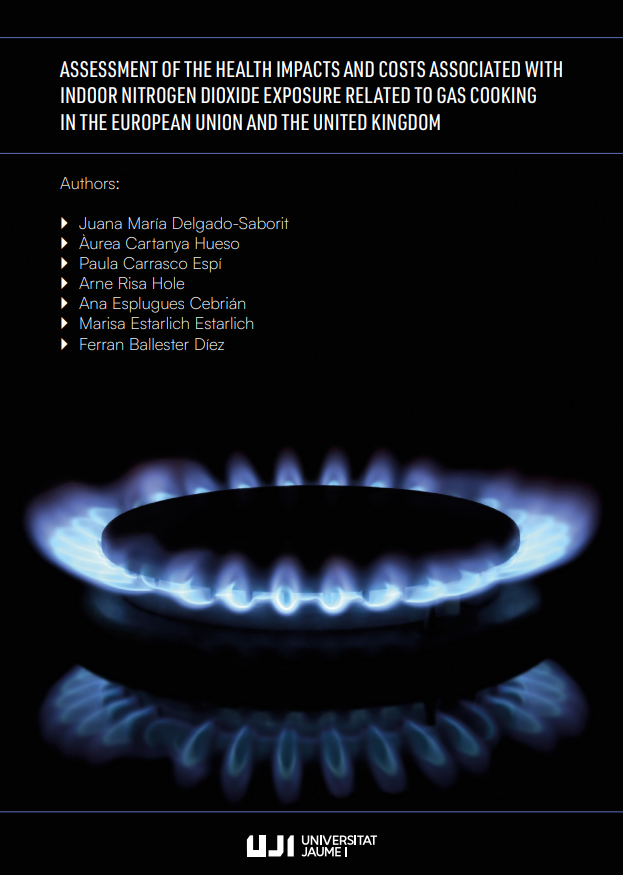
Ieder jaar overlijden er ongeveer 1300 mensen in Nederland vroegtijdig door de schadelijke stoffen die vrijkomen bij het koken op gas, blijkt uit een groot onderzoek van de Spaanse Jaume I-universiteit.
Het is langer bekend dat koken op gas slecht is voor de luchtkwaliteit, maar voor het eerst is duidelijk gemaakt dat mensen hierdoor daadwerkelijk korter leven. In heel Europa overlijden bijna 40.000 mensen door de schadelijke stoffen die in hun longen belanden bij het koken op gas. Volgens de onderzoekers leven mensen in Europa gemiddeld bijna twee jaar korter als ze een gasfornuis gebruiken. Nederland behoort samen met landen als Italië, Roemenië en Hongarije tot de landen waar nog veel met gas gekookt wordt. Zo’n 80.000 mensen in Nederland hebben astma opgelopen als gevolg van het koken op gas. Onderzoeksinstituut TNO concludeerde een jaar geleden al dat de luchtkwaliteit in keukens met gas een stuk slechter is dan waar elektrisch wordt gekookt. Uit dat onderzoek bleek dat een kwart van de Nederlandse huishoudens die op gas kookten de aanbevolen hoeveelheid stikstofdioxide overschreden die door de Wereldgezondheidsorganisatie wordt aangehouden. Een overmatige blootstelling aan stikstofdioxide wordt volgens onderzoekers in verband gebracht met een hogere kans op longkanker. Daarnaast komen er hele kleine deeltjes fijnstof vrij bij het koken op gas.
Links:
Onderzoek: 1300 Nederlanders overlijden eerder door koken op gas
Zondag; Wat eten we vandaag?; Verjaardagsfeest; Handvest voor Gezonde Voedseltransitie; Amsterdam750; Vrijdenkersfestival; Vroege Vogels; Werelddag voor Audiovisueel Erfgoed; Dag van de Stilte.
Wat eten we vandaag:


Verjaardagsfeest:

In verband met een verjaardag was A3 aanwezig bij een familielunch in een “all-you-can-eat”-restaurant te Almere-Poort. De trein er naartoe was bijna op tijd.
Knipselkrant:
Agenda:
Weer:

Links:
In de geschiedenis
Links:
Wikipedia
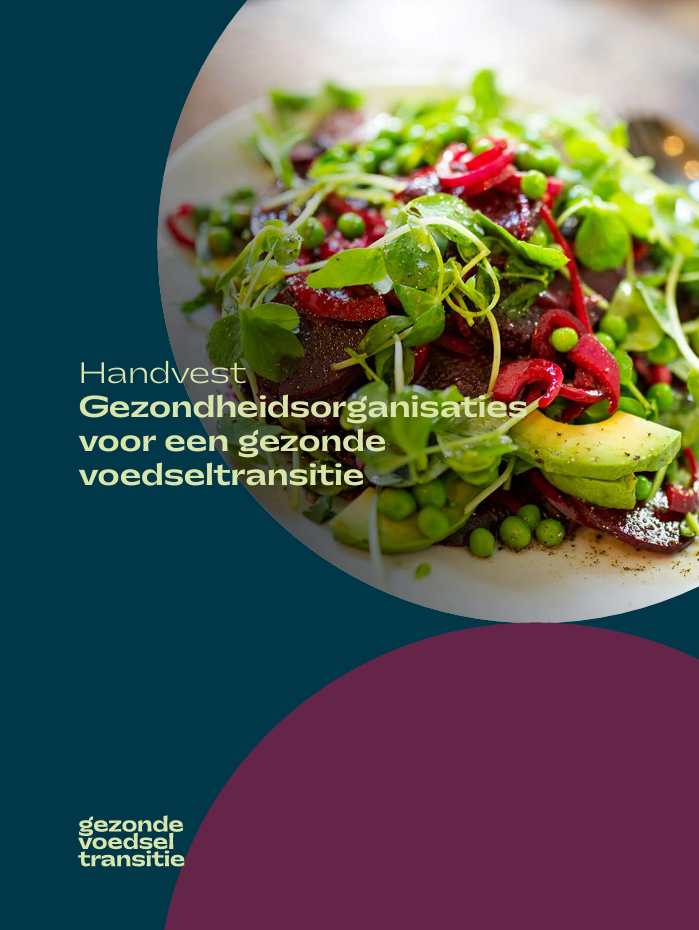
Op 12 oktober 2024 is tijdens de PAN International Med and Nutrition Conference het handvest “Gezondheidsorganisaties voor een gezonde voedseltransitie” gepresenteerd.
Dit handvest, een initiatief van de Transitiecoalitie Voedsel (TcV) in samenwerking met het Voedingscentrum, WWF-NL, Physicians’ Association for Nutrition Nederland (PAN-NL), de Nederlandse Vereniging van Diëtisten, en tevens ondersteund door het RIVM en Goede Zorg Proef je, benadrukt de noodzaak om te verschuiven naar een eetpatroon met minimaal 60% plantaardige en maximaal 40% dierlijke eiwitten.
Links:
Gezondheidsorganisaties voor een gezonde voedseltransitie