In de geschiedenis
Links:
Wikipedia

Links:
Wikipedia
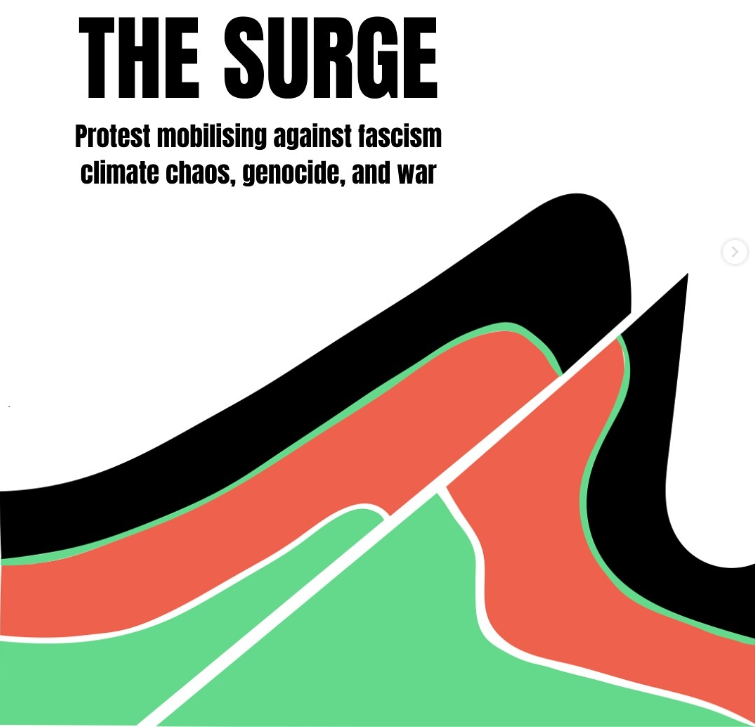
A large international mobilisation on January 18th and 19th, 2025, joining the anti-fascist struggle, the Palestinian liberation and the climate justice movements.
New and old injustices now surround us. There’s no use in closing our eyes. The plan they have is a nightmare difficult to imagine. It is violence and authoritarianism without restriction. It is the collapse of the systems that have sustained life on Earth for millennia.
Links:
The Surge
Internationale Mobilisatie 19 januari
Honderden lopen mars tegen oorlog, fascisme en klimaatcrisis

Jaarlijks wordt er op Wereldproefdier
En bij de vele proefdieren die werden gedood nog voordat ze aan proeven werden blootgesteld. Gewoon omdat ze overbodig waren. De dag wordt tevens gehouden als protest tegen het gebruik van proefdieren. De Verenigde Naties hebben 24 april erkend als dag om alle proefdieren te herdenken. Wereldproefdier
Lin
World Day for Laboratory Animals
States join global push to ban animal testing
#Dierend
Call for coordinated and concrete policies to advance non-animal science
Zaterdag; Wat eten we vandaag?; Gaza−Israël oorlog 2023 – …; Ruimtetelescoop Hubble; BigOil; Oliver Hardy; Dag van de sneeuwpop; The People’s March.

Wat eten we vandaag?:

Knipselkrant:
Agenda:
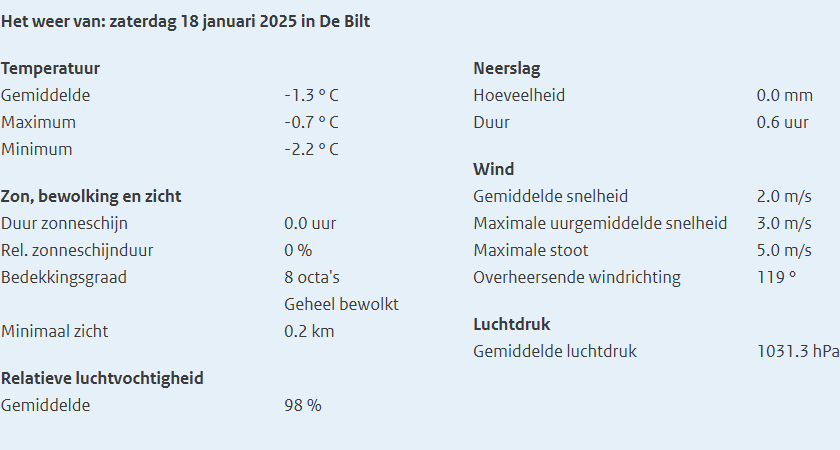
Weer:
Links:
In de geschiedenis
Links:
Wikipedia
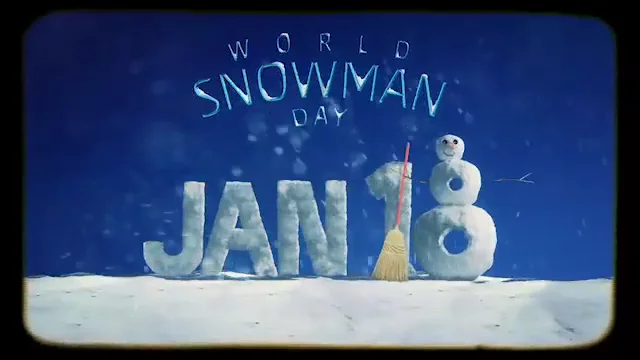
World Day of the Snowman is celebrated on January 18, the date goes back to the form of the Snowman: “8” symbolizes the snowman and the “1” stands for his stick or broom and January is usually cold enough to build snowmen and is therefore a perfect chance to celebrate the snowman.
World Day of the Snowman was first held in 2011. A snowman is an anthropomorphic snow sculpture. In some cases, participants in winter festivals will build large numbers of snowmen. In North America, typical snowmen consist of three large snowballs with some additional accoutrements for facial and other features. Common accessories include branches for arms and a rudimentary smiley face; a carrot can stand in for a nose; human clothing, such as a hat or scarf, may even be included.
Links:
World Day of the Snowman

We all march for different reasons, but we march for the same cause: to defend our rights and our future.
If you believe that decisions about your body should remain yours, that books belong in libraries, not on bonfires, that healthcare is a right, not a privilege for the wealthy; if you believe in the power of free speech and protest to sustain democracy; or if you want an economy that works for the people who power it—then this march is for you. The People’s March is about one thing: our power.
It’s a bold demonstration of the resilience of resistance:
-We march to unite the people who’ve been the backbone of resistance for generations—and to welcome even more -We march to remind civil servants they answer to us -We march to inspire, energize, and drive change long after the day is done.
This is our moment to remind Washington elites — and Americans everywhere — where the power truly lives: with the people. Let’s make it count.
Links:
The People’s March
Vrijdag; Wat eten we vandaag?; SIDN; Tanden trekken uit geldnood; Klimaatverandering; cyberaanval; Striptekenaar weigert onderscheiding wegens vluchtelingenbeleid; zet je locatiegegevens uit; Art’s Birthday.
Wat eten we vandaag?:

Knipselkrant:
Agenda:
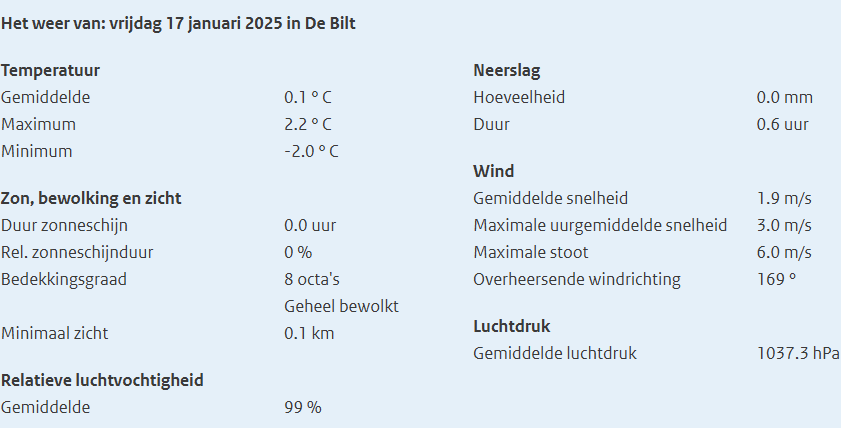
Weer:
Links:
In de geschiedenis

Kappen met Kolen en Extinction Rebellion voeren elke vrijdag actie tegen het gebruik van kolen in Nederland.
Omdat kolen de klimaatopwarming versnellen en we juist zouden moeten stoppen met kolen. Desondanks kiest de overheid ervoor kolencentrales langer open te houden. Extinction Rebellion eist van de Nederlandse overheid dat zo snel mogelijk wordt gestopt met het winnen, transporteren en verstoken van steenkool, de meest schadelijke fossiele brandstof voor het klimaat, het milieu en de gezondheid. De dag begint ’s ochtends om 08:00 een Zoom-meeting om te kijken wat men die dag gaan doen en waar ze naar toe gaan. ‘Kappen met kolen’ is een campagne die zich richt op het beëindigen van het gebruik van steenkool, de meest schadelijke fossiele brandstof voor milieu (bij de winning), klimaat (CO2-uitstoot) en gezondheid (bij verbranding komen PAK’s en fijnstof vrij). Hoewel Nederland nog maar vier kolencentrales heeft, spelen we een grote rol in de doorvoer van steenkool richting Duitsland en Midden-Europa: zo worden via de havens van Rotterdam en Amsterdam megatonnen steenkool – deels bloedkolen afkomstig uit o.a. Colombia – overgeslagen. Regelmatig blokkeert Kappen met kolen daarom kolentreinen richting Duitsland. Daarnaast richten ze zich op Tata Steel IJmuiden, een grootverbruiker van steenkool – waarmee ijzer uit ijzererts wordt gewonnen – en de grootste vervuiler en uitstoter van Nederland. Er wordt samen opgetrokken met activisten en actiegroepen uit onder meer Colombia en Duitsland. Kolen hebben in Nederland het kleinste aandeel in de fossiele energiemix maar veroorzaken de grootste schade. We moeten ergens beginnen, en #kappenmetkolen is een no-brainer!
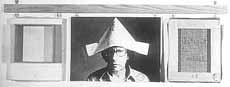
Art’s Birthday is an annual exchange-art event, first proposed in 1963 by French artist Robert Filliou, celebrated on January 17th by a loose collection of artists and artist organizations around the world.
He suggested that 1,000,000 years ago, there was no art. But one day, on the 17th of January to be precise, Art was born. According to Filliou, it happened when someone dropped a dry sponge into a bucket of water. Modest beginnings, but look at us now. Filliou proposed a public holiday to celebrate the presence of art in our lives. In recent years, the idea has been taken up by a loose network of artists and friends around the world. Each year the Eternal Network evolves to include new partners – working with the ideas of exchange and telecommunications-art. Artists have celebrated Art’s Birthday with lavish parties and gatherings, correspondence and mailart, and through Telematic networks using SloScan TV, Videophones, music composed for telephone lines, modem-to-modem MIDI connections, early bulletin board and chat systems, and (starting in the mid 1990’s) the Internet.
Links:
Ar