
In de geschiedenis
Links:
Wikipedia

Links:
Wikipedia

After more than two years of observing, The Westerbork Synthesis Radio Telescope (WSRT) at Westerbork, The Netherlands discovered 24 new Fast Radio Bursts (FRB), according to a study that appears 2025 Jan 23.
After zooming in on the signal of the distant bursts, the astronomers found a striking similarity to the radio flashes emitted by nearby, known neutron stars. The discovery is remarkable because these nearby neutron stars already produce more energy than anything achievable on Earth. The distant stars that emit the FRB’s must somehow generate an astounding one billion times more energy than the nearby ones.
Astronomen Westerbork ontrafelen lichtflits-mysterie in de ruimte
Focus is een Nederlands wetenschappelijk televisieprogramma van de NTR. Het programma volgde in 2023 het NTR-programma Atlas op als wetenschapsprogramma van de Nederlandse Publieke Omroep.
In het programma gaan presentatoren Petra Grijzen en Lara Billie Rense op zoek naar oplossingen voor actuele problemen in de wereld. Focus is de crossmediale titel van het platform NTR Wetenschap. Naast het tv-programma is er de Focus-podcast die wordt gepresenteerd door Lara Billie Rense. Het platform heeft een YouTube-kanaal en is actief op Facebook, X, LinkedIn, Instagram en TikTok.
Het is een bekende truc om snel af te vallen: je vermijdt koolhydraten, maar eet nog wel vette producten. Sommige van de mensen die zo’n ketogeen dieet volgen, merken onverwachts dat ze niet alleen kilo’s kwijtraken, maar dat ook hun mentale klachten verminderen. Het was al wetenschappelijk bewezen dat het ketogeen dieet vaak goed werkt om epileptische aanvallen te voorkomen. Nu is de vraag: kan dit moeilijk vol te houden dieet ook andere patiëntengroepen helpen, zoals mensen met ADHD, schizofrenie en depressie?
Woensdag; Wat eten we vandaag?; nog meer superrijken; Staatsrepressie en politiegeweld; Stikstofrechtzaak Greenpeace; Gaza−Israël oorlog 2023 – …; Food for Thought: hoe voeden we de wereld in de toekomst?.

Wat eten we vandaag?:
Knipselkrant:
Agenda:
Weer:
Links:
In de geschiedenis
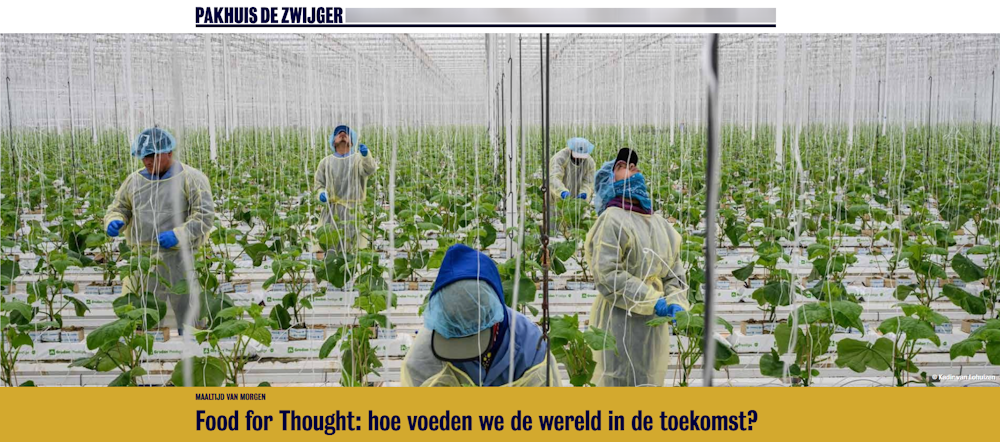
Een dialoog tussen Kadir van Lohuizen en Joris Lohman over de wereld van voedselproductie en consumptie.
Wat kunnen we leren van de reis die ons voedsel aflegt, van kalverslachterijen tot megaschepen en havens wereldwijd? Hoe beïnvloeden ecologische waarden en technologische innovaties ons voedselsysteem? En als belangrijkste vraag: hoe kunnen we 8 miljard mensen nu, en naar verwachting ruim 10 miljard in de toekomst, voeden zonder de aarde te vernietigen? Tijdens deze avond onderzoeken we de complexe reis van ons voedsel. Van de oorsprong van ingrediënten tot de mondiale logistieke ketens en uiteindelijk naar ons bord – waar staan we in dit verhaal, en waar kunnen we heen? Dit programma is enkel fysiek te bezoeken in de zaal. Het programma is wel later online terug te kijken of via het YouTube-kanaal van PdZ.
Links:
Food for Thought: hoe voeden we de wereld in de toekomst?
De voedselzekerheid in Nederland staat niet op het spel. Waarom gaat het er dan toch steeds over?
Links:
Wikipedia
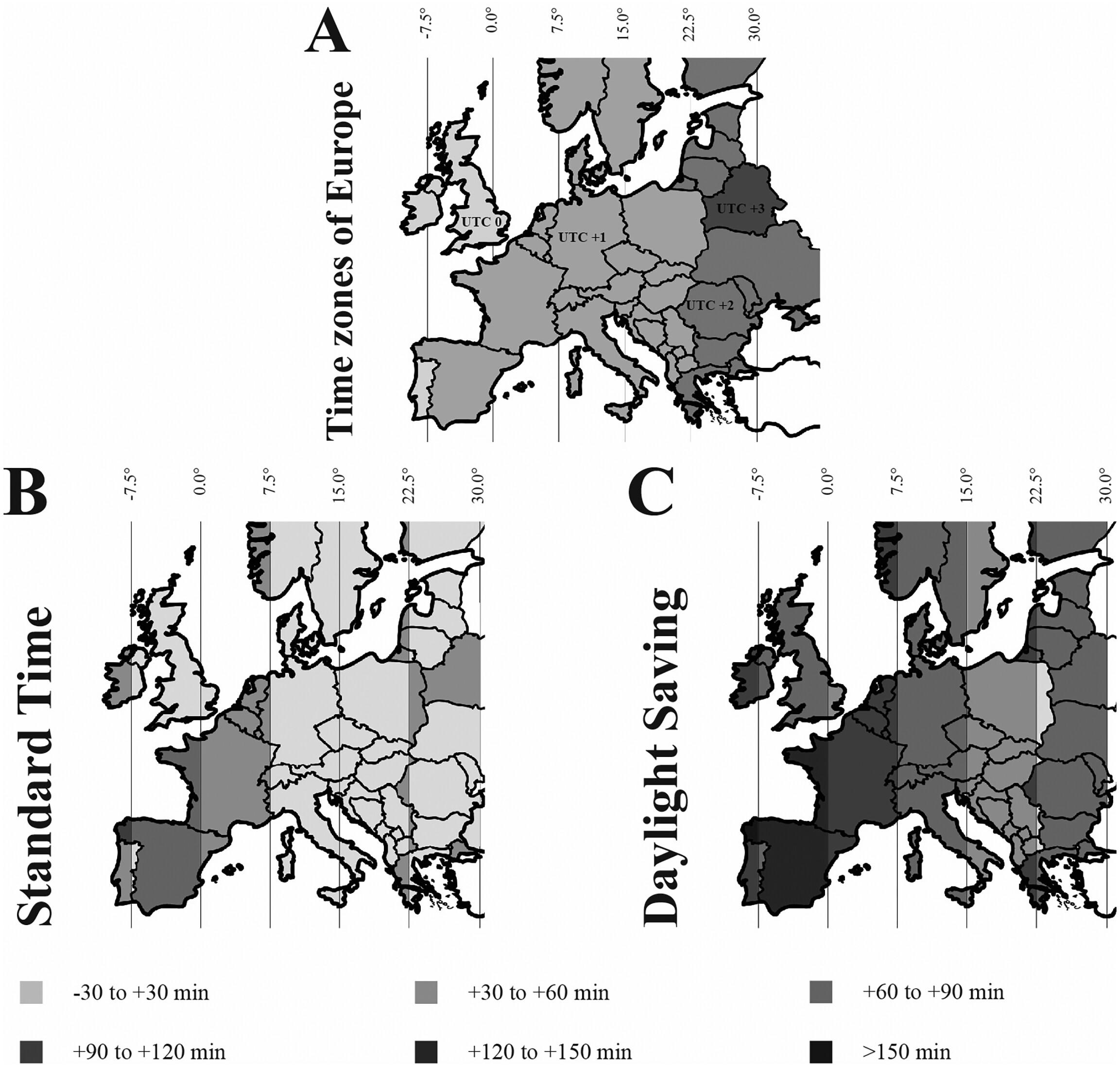
Daylight saving time (DST) affects millions of people in various everyday situations and is a common topic of debate in legislative parliaments around the world, the paper ‘What time will it be? A comprehensive literature review on daylight saving time‘ presents a literature review on the effects of the clock change and DST on electricity usage, health, crime rates, road safety, and economic aspects.
This addresses a gap in current literature reviews, as there is a lack of linked analyses considering these research fields. The paper shows that there are partial positive effects on crime rates and road safety generally that result from the delay in ambient light availability. This contrasts with the clearly negative effects on health and the economic aspects, which are mainly driven by the disturbed circadian rhythm and the resulting sleep problems. Furthermore, the initial idea of DST to save electricity will probably no longer apply and may even lead to increased usage. This literature review provides a basis for future research and promotes interdisciplinary research by summarizing current findings in a cross-disciplinary manner and identifying research gaps and opportunities. Furthermore, the findings may guide policy-making discussions and decisions.
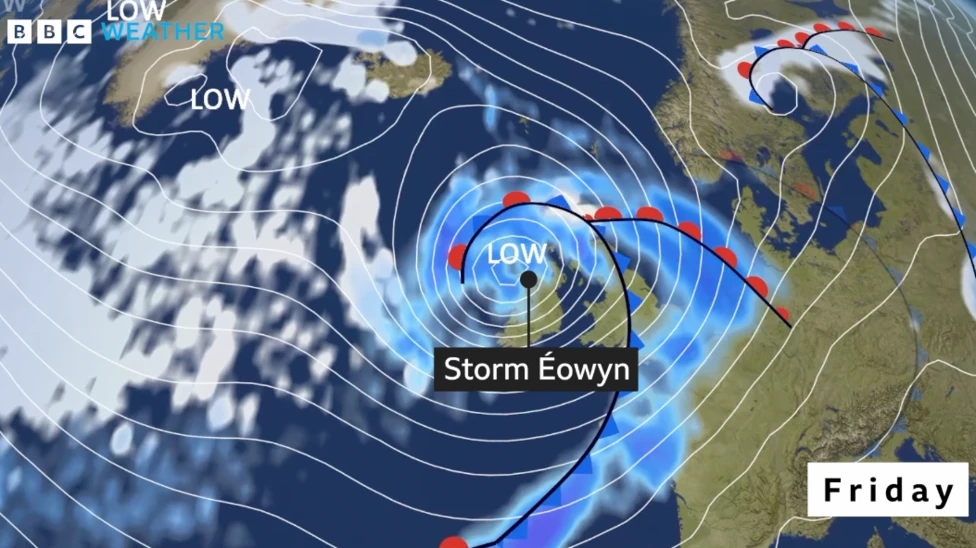
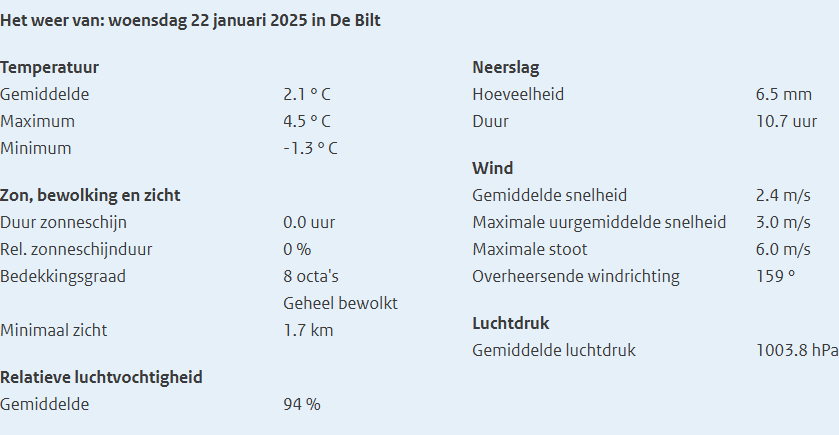
Storm Éowyn (known as Storm Gilles in Germany) is an extremely powerful extratropical cyclone which hit Ireland, the Isle of Man, and the United Kingdom on 24 January 2025, the storm was fueled by a strong jet stream and energy from the January 20–22, 2025 Gulf Coast blizzard, which brought significant snow to the Gulf Coast of the United States.
The fifth named (using the western group naming list) storm of the 2024–25 European windstorm season, Éowyn was named by the UK Met Office on 21 January 2025. On 22 January 2025, the Irish meteorological service Met Éireann issued an orange wind warning for 26 counties of Ireland for the period 02:00 to 17:00 UTC on 24 January 2025 and a red wind warning for counties Clare, Cork, Kerry and Limerick covering the period 03:00 to 10:00 UTC on 24 January 2025 in anticipation of the storm’s arrival. Met Éireann predicted 130 km/h gusts widely, with even higher gusts for a time. On 23 January 2025, Met Éireann and the UK Met Office issued updated red weather warnings for 24 January 2025 covering all counties of the island of Ireland. Impacts included fallen trees, damage to power lines and power outages, structural damage as well as disruption and cancellations to transport with wave overtopping for coastal areas, especially in the west. A red warning was issued for the Isle of Man, the first one issued by the Ronaldsway Met Office in seven years; the last one was issued for wind during Storm Eleanor. On 23 January 2025, a severe emergency alert was sent to mobile devices across Northern Ireland at 17:25 UTC and in parts of Scotland at 17:50 UTC. The alert was broadcast to around 4.5 million devices making it the largest scale use of the UK’s emergency alert system since its introduction in April 2023.

Links:
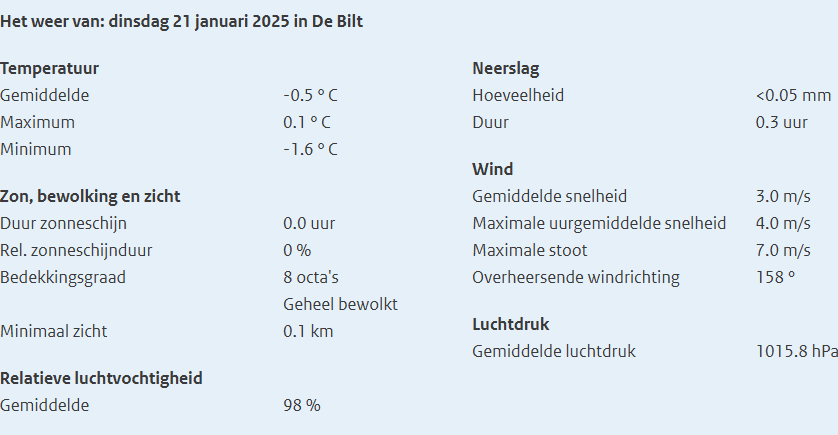
Onstuimige vrijdag op komst
Dinsdag; Wat eten we vandaag?; Trump; Erken Palestina; Amsterdam 750; voedselzekerheid; Eekhoorn Waarderingsdag; Workplace Democracy.
Wat eten we vandaag?:

Knipselkrant:
Agenda:
Weer:
Links:
In de geschiedenis
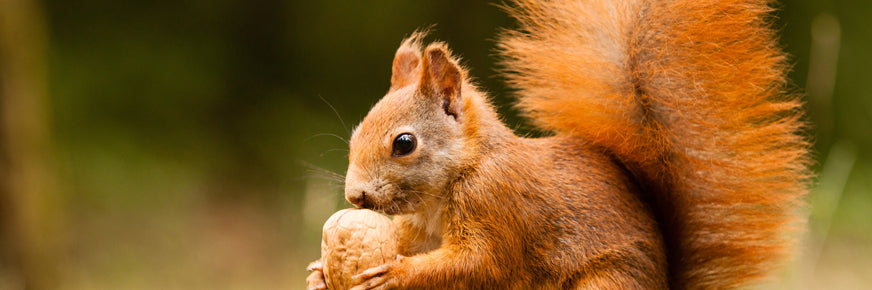
De Squirrel Appreciation Day (Eekhoorn Waarderingsdag) werd in 2001 voor de eerste keer gehouden, initiatiefnemer was Christy Hargrove werkzaam bij een wildopvangcentr
Het doel van deze dag is dat mensen zaden en noten in hun tuin leggen voor de eekhoorn. Want ook in de wintermaanden gaat dit diertje op zoek naar eten. Ze doen het wel rustig aan maar houden géén winterslaap. De rode eekhoorn is in Nederland beschermd. Dat betekent dat het verboden is eekhoorns te vangen, te doden, in gevangenschap te houden of dit te proberen. Ook mag niet worden gehandeld in eekhoorns of delen van eekhoorns. Het is bovendien verboden eekhoorns te verontrusten of het nest te beschadigen of te bemachtigen (of dit te proberen).
Links
Squirrel Appreciation Day