2025-09-18, Lief dagboek

Donderdag; Wat eten we vandaag?; AZC Ter Apel; VN-resolutie: Op 18 september 2025 moet Israël zich hebben teruggetrokken; Gemeente Amsterdam : Begroting 2026; World Bamboo Day; plastic treaty; Babelsberger Sternennächte; PFAS.

Deze afbeelding heeft een leeg alt-attribuut; de bestandsnaam is dagboek.png

Wat eten we vandaag?

Klik op afbeelding voor origineel

Knipselkrant:


Agenda:

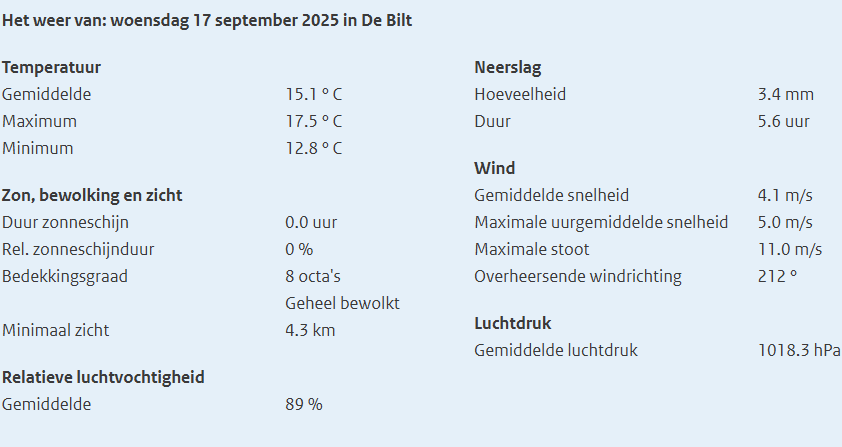
Weer:

Links:
In de geschiedenis

Babelsberger Sternennächte – Kommentarcheck: Teil 2: Satellitengalaxien, Dunkle Materie und MOND (TV webcast)

Die Babelsberger Sternennächte finden online statt, in der Regel gibt es immer am 3. Donnerstag im Monat einen neuen Vortrag einer Wissenschaftlerin oder eines Wissenschaftlers des AIP, der ab 20 Uhr auf dem YouTube-Kanal von Urknall, Weltall und das Leben ausgestrahlt wird (Playlist).

Warum fehlen der Milchstraße so viele Satellitengalaxien? Kosmologische Simulationen sagen hunderte bis tausende Zwerggalaxien voraus – beobachtet werden aber nur wenige Dutzend. Marcel Pawlowski erklärt, warum das kein Widerspruch sein muss: Viele Dunkle-Materie-Halos bleiben unsichtbar, weil sie keine Sterne enthalten. Außerdem geht er auf die Frage ein, wie man zwischen Galaxien und Sternhaufen unterscheidet, welche Rolle Dunkle Materie spielt und was Gravitationslinseneffekte über unsichtbare Strukturen verraten können.

Link:
Babelsberger Sternennächte

SDG Action Day 2025

In 2025 wordt tijdens de Sustainable Development Goals (SDG) Action Day de tiende verjaardag van de SDG gevierd.

Er wordt stil gestaan stil bij tien jaar impact, tien jaar verbindingen maken, tien jaar samenwerken aan de beste wereld voor mensen, dieren en de planeet. Maar SDG Action Day is niet alleen een moment waarop er wordt teruggekeken naar alles wat gedaan is, maar vooral ook vooruit. De Verenigde Naties (VN) geloven sterk dat de komende vijf jaar een periode van uitzonderlijke transities moet zijn – en dat kan het ook zijn – waarmee een solide basis wordt gelegd voor verdere duurzame ontwikkeling in de decennia die volgen. De keuzes die we allemaal iedere dag maken, vormen de toekomst.

Links:
SDG Action Day

Gemeente Amsterdam : Begroting 2026 – publicatie

Op 18 september 2025 presenteerde het college van burgemeester en wethouders (college van B en W) van de gemeente Amsterdam de Begroting 2026, de laatste begroting van dit college, hierin staan de geplande inkomsten en uitgaven van de gemeente voor volgend jaar en bedraagt 7,8 miljard euro.

Op 18 maart 2026 zijn er gemeenteraadsverkiezingen en krijgt Amsterdam dus een nieuw bestuur. Het college van B en W wil de stad en de financiën goed overdragen. Daarom maakt het college in de begroting voor 2026 forse bedragen vrij voor zaken die ook de komende jaren nodig zijn, zoals jeugdzorg, de aanpak van armoede en dakloosheid, opvang en een goede verbinding over het IJ. Er komen geen lastenverhogingen voor Amsterdammers. Dit en meer staat in de Begroting 2026.

Links:
Begroting 2026: geen lastenverhogingen voor Amsterdammers

Amsterdamse begroting: bezuinigingen op ambtenarij vanaf 2027, extra geld voor brug over het IJ

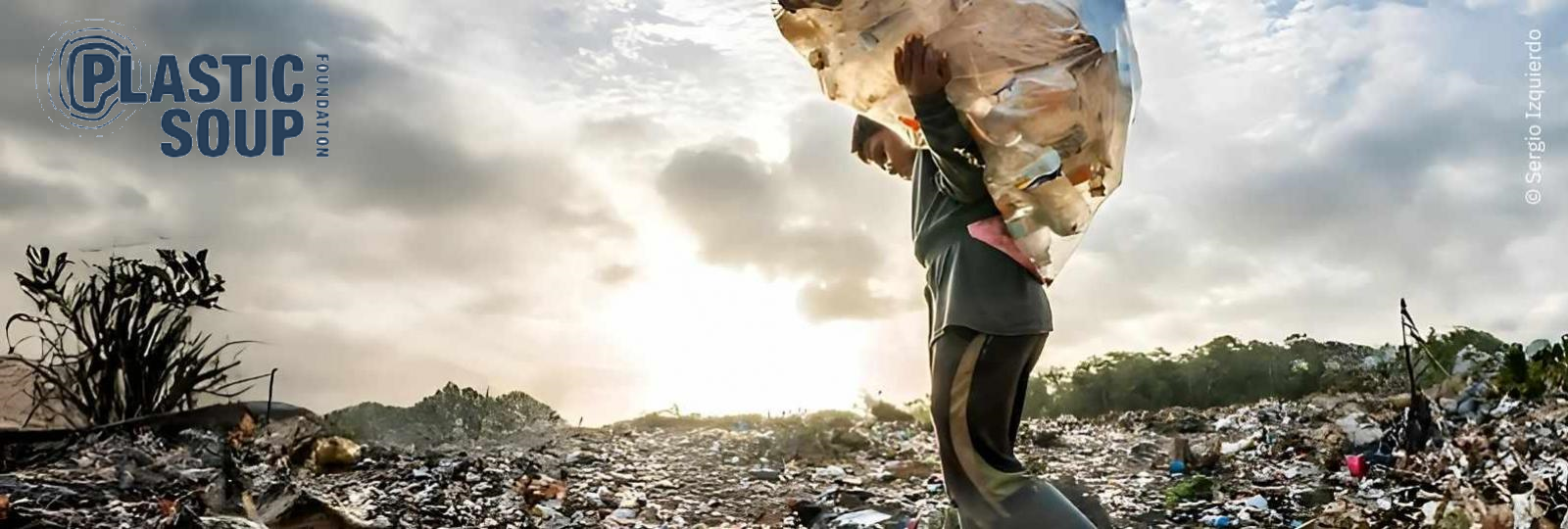
Sign up for a strong plastic treaty! – petition

Plastic is everywhere: in our food, our drinks and even in unborn babies. Without a strong treaty, this will not change. This must stop – now, for this generation and for the generations after us.

In August 2025, the decisive UN negotiations took place in Geneva. After 11 days of negotiations, no agreement was reached: the proposal was too weak for those who really want action, too strict for those who want to continue looking the other way. The result: another delay in the fight against plastic pollution. Together with scientists and organisations around the world, Plastic Soup Foundation have drafted a strong counterproposal. The more people who support our call, the stronger we stand. The Plastic Soup Foundation demands:

  • Less plastic, starting with single-use plastics and fast fashion
  • A global ban on toxic substances in plastic
  • Real solutions such as reuse and alternative materials instead of misleading “chemical recycling”

Sign now – for a clean and healthy future.

Links:
Sign up for a strong plastic treaty!

The Global Plastics Treaty

Toxic plastic chemicals have been found in children’s toys and everyday products

Global Plastics Treaty – EartDay

Laten we een einde maken aan het plastictijdperk – petitie

#Linux – first release (1991) 2025

Linux

Linux (/ˈlinʊks/ (listen) LEEN-uuks or /ˈlɪnʊks/ LIN-uuks) is a family of open-source Unix-like operating systems based on the Linux kernel, an operating system kernel first released on September 17, 1991, by Linus Torvalds.

Linux is typically packaged in a Linux distribution. Distributions include the Linux kernel and supporting system software and libraries, many of which are provided by the GNU Project. Many Linux distributions use the word “Linux” in their name, but the Free Software Foundation uses the name “GNU/Linux” to emphasize the importance of GNU software, causing some controversy. Popular Linux distributions include Debian, Fedora, and Ubuntu. Commercial distributions include Red Hat Enterprise Linux and SUSE Linux Enterprise Server. Desktop Linux distributions include a windowing system such as X11 or Wayland, and a desktop environment such as GNOME or KDE Plasma. Distributions intended for servers may omit graphics altogether, or include a solution stack such as LAMP. Because Linux is freely redistributable, anyone may create a distribution for any purpose.

Linux was originally developed for personal computers based on the Intel x86 architecture, but has since been ported to more platforms than any other operating system. Because of the dominance of the Linux-based Android on smartphones, Linux also has the largest installed base of all general-purpose operating systems. Although Linux is used by only around 2.3 percent of desktop computers, the Chromebook, which runs the Linux kernel-based Chrome OS, dominates the US K–12 education market and represents nearly 20 percent of sub-$300 notebook sales in the US. Linux is the leading operating system on servers (over 96.4% of the top 1 million web servers’ operating systems are Linux), leads other big iron systems such as mainframe computers, and is the only OS used on TOP500 supercomputers (since November 2017, having gradually eliminated all competitors).

Linux also runs on embedded systems, i.e. devices whose operating system is typically built into the firmware and is highly tailored to the system. This includes routers, automation controls, smart home technology, televisions (Samsung and LG Smart TVs use Tizen and WebOS, respectively), automobiles (for example, Tesla, Audi, Mercedes-Benz, Hyundai, and Toyota all rely on Linux), digital video recorders, video game consoles, and smartwatches. The Falcon 9’s and the Dragon 2‘s avionics use a customized version of Linux. Linux is one of the most prominent examples of free and open-source software collaboration. The source code may be used, modified and distributed commercially or non-commercially by anyone under the terms of its respective licenses, such as the GNU General Public License.

Links:
The Linux Documentation Project

DistroWatch