
In de geschiedenis
Links:
Wikipedia

Links:
Wikipedia
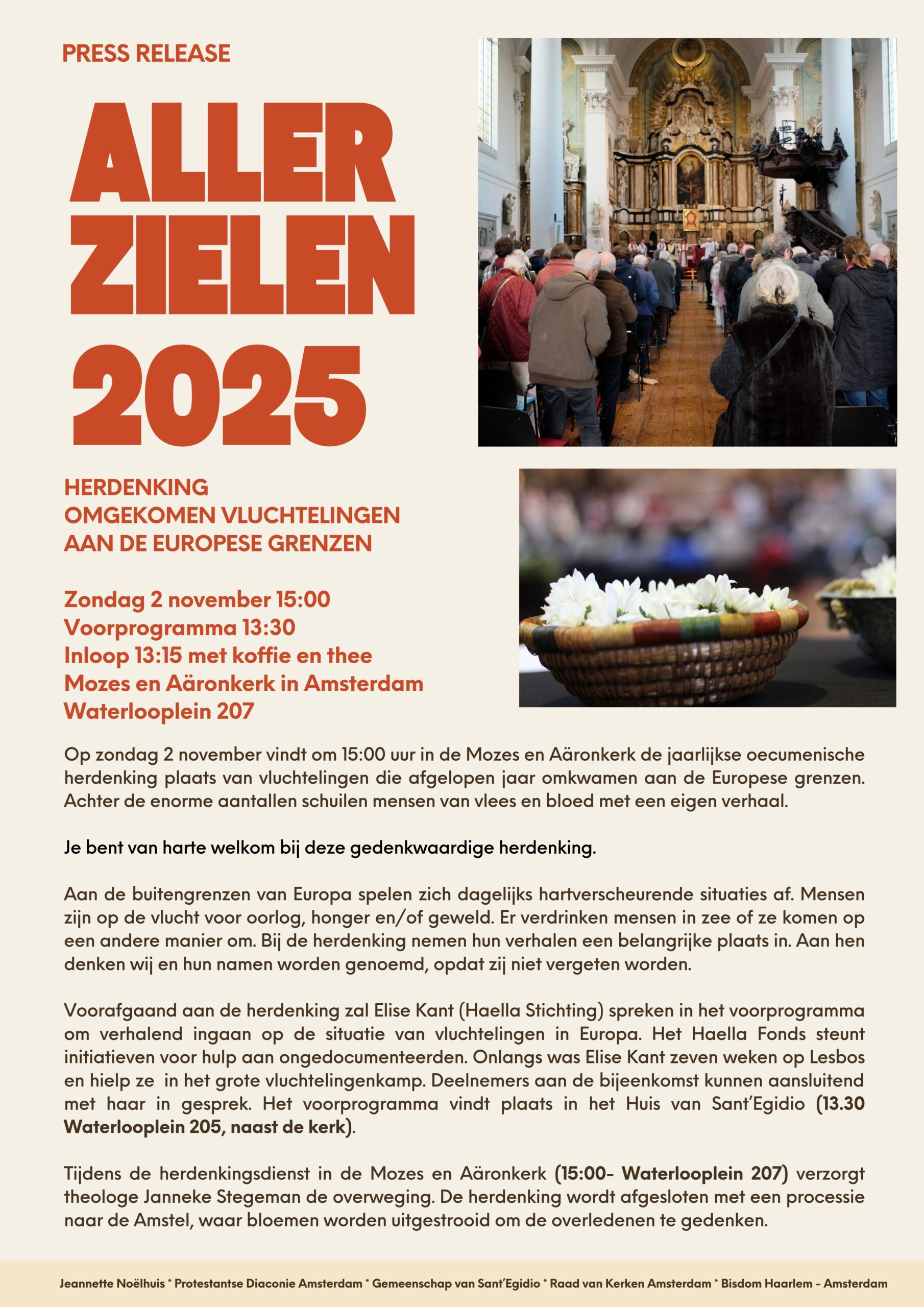
Op zondag 2 november 2025 vindt in de Mozes en Aäronkerk Amsterdam de jaarlijkse oecumenische herdenking plaats van de vluchtelingen die afgelopen jaar omkwamen aan de Europese grenzen.
Bij de herdenking, georganiseerd door de Werkgroep Vluchtelingen van de Raad van Kerken Nederland, nemen hun verhalen een belangrijke plaats in. Aan de buitengrenzen van Europa spelen zich dagelijks drama’s af. Mensen die op zoek zijn naar een beter en veiliger leven, verdrinken in zee of komen op andere manieren onderweg om. Aan hen denken en hun namen genoemd, opdat zij niet vergeten worden.
Links:
Herdenking omgekomen vluchtelingen aan Europese grenzen 2025
Zaterdag; Orkaan Melissa; Global Citizen Festival; 100 jaar BNNVARA; Movember; Wereld Alvleesklierkanker maand; Maagkanker bewustwordingsmaand.

Knipselkrant:
Agenda:
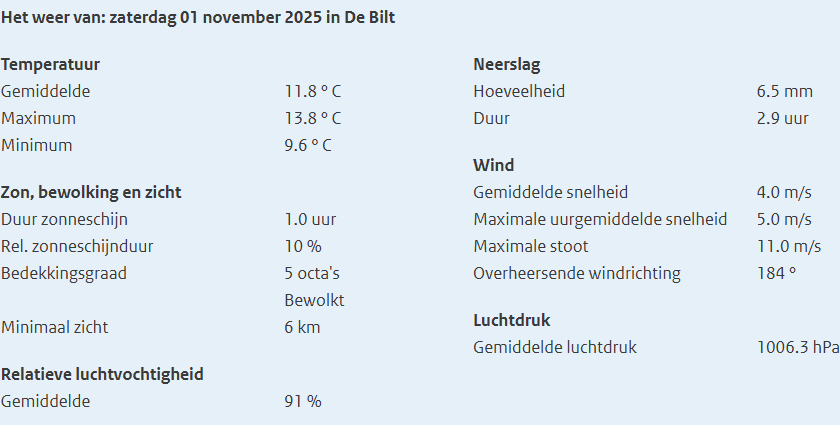
Weer:
Links:
In de geschiedenis
Links:
Wikipedia
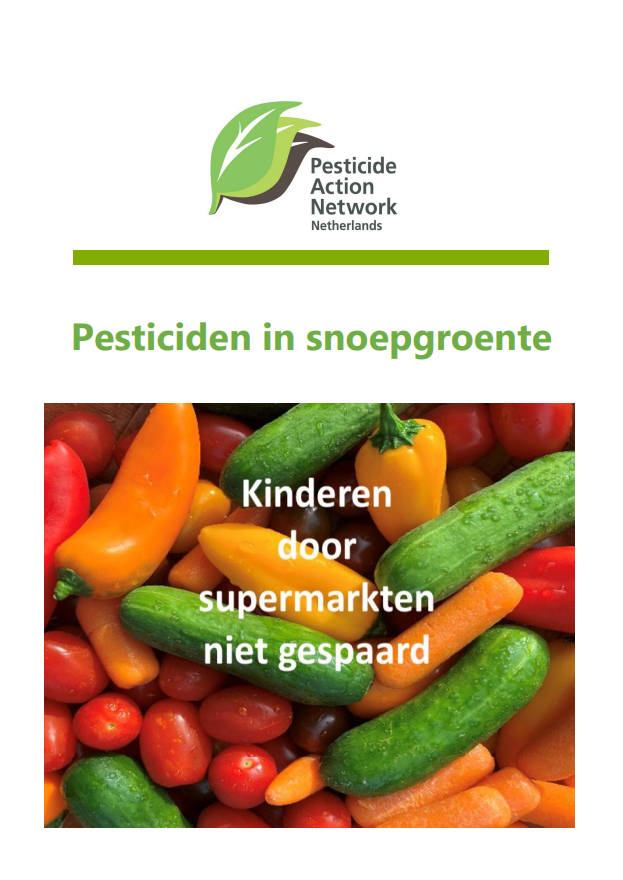 PFAS in snoepgroenten voor kinderen, maar ook opmerkelijk veel snoepgroenten pesticidenvrij.
In een steekproef met snoepgroenten van Pesticide Action Network Netherlands (PAN-NL), gepubliceerd in het rapport ‘Pesticiden in snoepgroente : Kinderen door supermarkten niet gespaard‘, zijn 8 pesticiden gevonden waaronder meerdere PFAS-pesticiden en pesticiden die hormoonverstorend zijn. Als de pesticidenresten in potjes peutervoeding zouden zijn gevonden dan hadden 4 van de 20 geteste snoepgroenten uit de handel genomen moeten worden. In 16 van de 20 snoepgroenten werden geen pesticidenresten gevonden. Dat is wel beter dan verwacht.
Nature connectedness is increasingly recognised as a causal issue in environmental crises and a powerful strategy for transformative change.
However, little is known about how it varies across countries and the macro-level factors that influence the human–nature relationship at a societal level. Using a large dataset from a diverse set of 61 countries, the study ‘Macro-level determinants of nature connectedness: An exploratory analysis of 61 countries‘ explored how both objective country-level indicators of the socio-ecological context and subjective country-level indicators of socio-political values were related to nature connectedness. Using linear, factor, and network analysis, several objective (urbanicity and business environment) and subjective country indicators (scientific and religious values) were significantly associated with nature connectedness. These and other factors are combined into a proposed conceptual model of key macro-factors in the human–nature relationship that can inform future research and policy initiatives.
Links:
Britain one of least ‘nature-connected’ nations in world – with Nepal the most

Gastric Cancer Awareness Month wants to raise awareness, promote healthier choices, and advocate for earlier detection that can save lives.
Gastric cancer – also called stomach cancer – is a disease in which cancer cells form in the lining of the stomach. Oesophageal cancer is cancer of the oesophagus (gullet, or food pipe) – the long tube that carries food from the throat to the stomach. Oesophageal cancer is cancer of the oesophagus (gullet, or food pipe) – the long tube that carries food from the throat to the stomach. It is the eighth most common cancer in the world. In Europe, around 53 000 people are diagnosed with oesophageal cancer each year (2020 Data from ECIS). Gastric cancer is the fourth most common cancer in the world. In Europe, around 136 000 people per year are diagnosed with gastric cancer (2020 Data from ECIS). Oesophageal cancer is the thirteenth, while gastric cancer is the sixth most common cause of cancer-related death in Europe.
Gastric Cancer Awareness Month 2025 has a powerful message: gastric cancer can affect anyone. Our campaign highlights influential figures in history who faced this disease, reminding us that no one is immune, regardless of age, fame, legacy, or location. Looking back on the past, we aim to inspire change in the present by raising awareness and encouraging earlier detection and prevention through everyday lifestyle choices.

Het doel van Wereld Alvleesklierkan
De symptomen van alvleesklierkan
Lin
World Pancreatic Cancer Day

World Vegan Day is an annual event celebrated by vegans around the world every 1 November.
The benefits of veganism for humans and the natural environment are celebrated through activities such as setting up stalls, hosting potlucks, and planting memorial trees. The event was established in 1994 by Louise Wallis, then Chair of The Vegan Society in the United Kingdom, to commemorate the 50th anniversary of the founding of the organisation and the coining of the terms “vegan” and “veganism”. Speaking in 2011, Louise Wallis said: “We knew the Society had been founded in November 1944 but didn’t know the exact date, so I decided to go for 1 November, partly because I liked the idea of this date coinciding with Samhain/Halloween and the Day of the Dead – traditional times for feasting and celebration, both apt and auspicious.
Links:
World Vegan Day
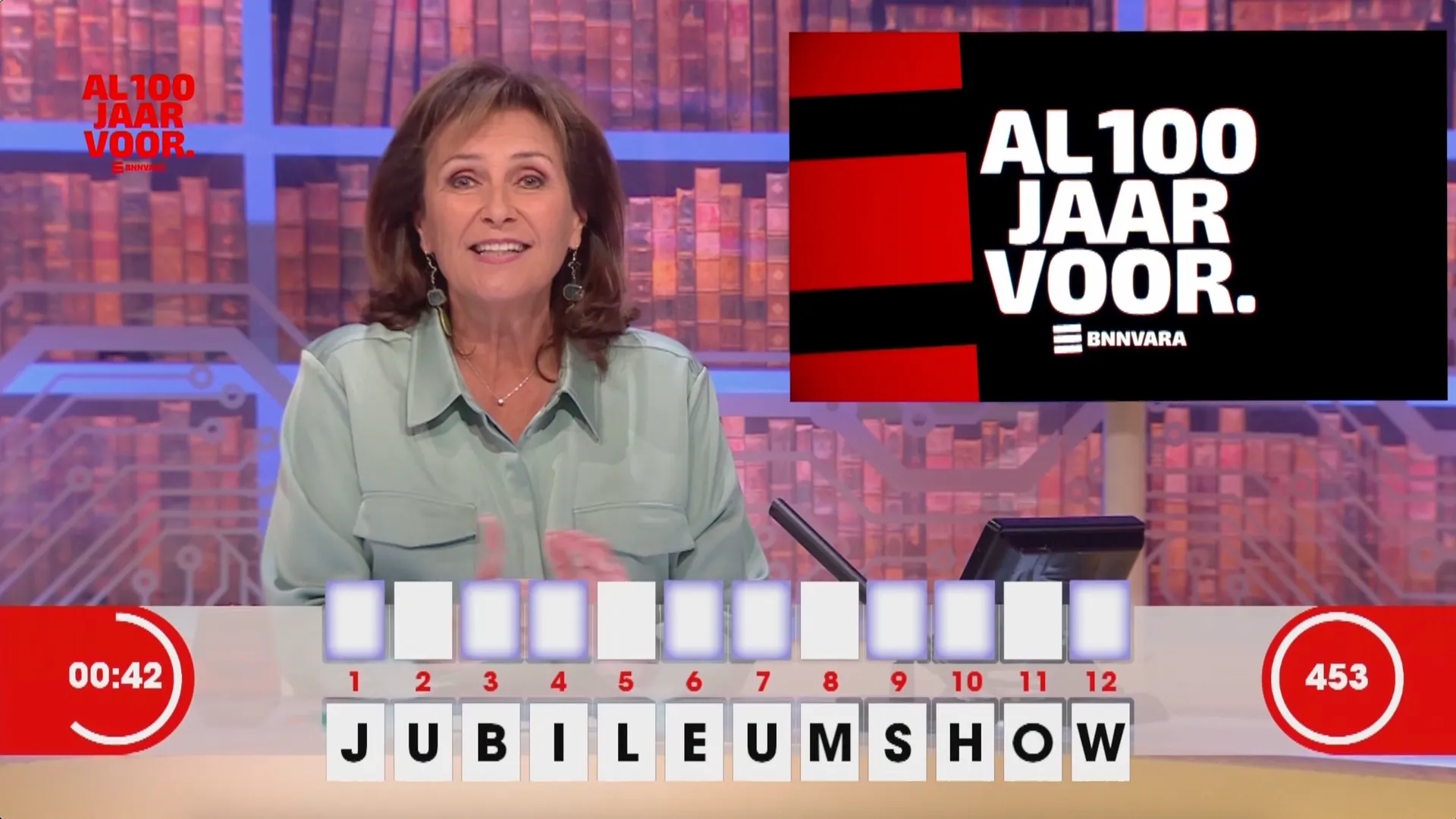
Op 1 november 2025 bestaat BNNVARA 100 jaar, dat wordt gevierd met een bijzondere tv-avond: De nacht van 100 jaar BNNVARA op NPO 1.
Hoe vat je honderd jaar omroepgeschiedenis samen in één nacht? Eindredacteur Wim van Klaveren oogt, kort voor De nacht van 100 jaar BNNVARA op tv te zien is, bepaald niet verzopen in het gigantisch aanbod. Eerder ietwat bezorgd. Want een belangrijk deel van de Vereeniging van Arbeiders Radio Amateurs (V.A.R.A. dus) zit in dat vierde woord: ‘radio’. Daarmee begon de omroep, in 1925. Van Klaveren: ‘Alles was toen live. Er zijn wel een paar speeches opgenomen uit de begintijd, maar weinig is bewaard gebleven.’ Tot aan de eerste tv-uitzending in 1951 was radio waar de omroep voor stond. Maar: hoe laat je radio zien op tv? Van Klaveren kan terugvallen op momenten waarop camera’s bij radio-uitzendingen waren, zoals die keren dat Joop den Uyl te gast was bij het roemruchte In de Rooie Haan. ‘En er is een film gemaakt in de jaren 30, waarin de oprichting van de VARA wordt nagespeeld door mensen die er in 1925 bij waren. Beetje knullig, wel leuk. Hebben we ook gebruikt in de docu-serie De strijd.’ Idee achter De nacht van 100 jaar BNNVARA is om met makers zowel uit het rijke verleden van de omroep, als van nu, te kijken naar fragmenten en dan de vraag te stellen: zouden we dit nu anders doen, of nog steeds zo? ‘Dan kun je denken aan Pisa, met Henk Spaan en Harry Vermeegen, die een hype waren met het onderdeel ‘Kopje koffie glazenwasser’. Een sketch waarin Harry Vermeegen als glazenwasser wekelijks langsging bij een vrouw die dan een kledingstuk uittrok. Zouden we nu niet meer zo maken.’
