Tag: trump

No Kings Day 2026 : In America, we have No Kings

No Kings

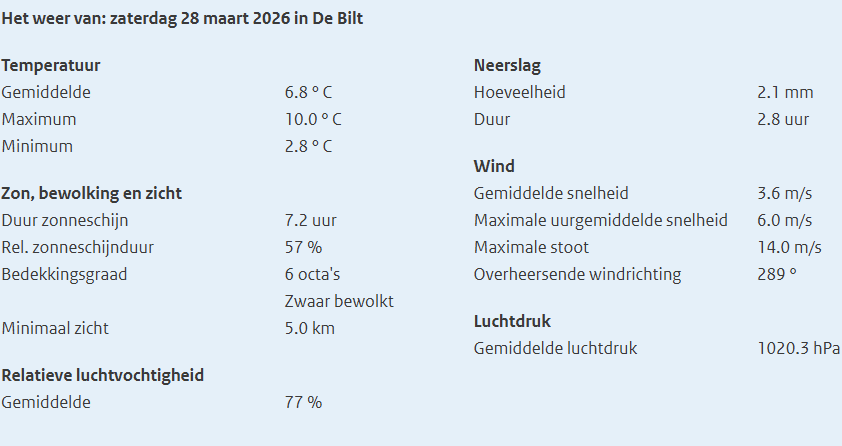
On March 28, 2026 millions of us are rising again to show the world: the power belongs to the people.

We don’t do kings in America. The nonviolent movement is only growing. When families are under attack and costs are pushing people to the brink, silence is not an option. We will defend ourselves and our communities against this administration’s unjust and cruel acts of violence. America does not belong to strongmen, greedy billionaires, or those who rule through fear. It belongs to us, the people.

Links:
In America, we have No Kings

NO KINGS Holland

No Tyrants 3

2026-03-12, Lief dagboek

Donderdag; Wat eten we vandaag?; Kernramp van Fukushima; Wonen; Trump; Omnibuspakket; Wereld Nieren Dag; Wereld Dag tegen Internetcensuur; Spoedplan voor minder aardgas; Sit-in van Rijksambtenaren; Sit-ins op stations; Bellingcat Open Source Challenges; VERS Film Festival.

Deze afbeelding heeft een leeg alt-attribuut; de bestandsnaam is dagboek.png

Wat eten we vandaag?:

Klik op afbeelding voor origineel

Knipselkrant:


Agenda:

Weer:

Links:
In de geschiedenis

2026-03-02, Lief dagboek

Maandag; Wat eten we vandaag?; Iran; EU dataprivacy; Wereld Tiener Mentale Gezondheidsdag; Trump vs. Verduurzaming; Noordzee warmt op; Mobile World Congress Barcelona; Visdeurbel; Wissel ‘ns Wat!; Luchtalarm.

Deze afbeelding heeft een leeg alt-attribuut; de bestandsnaam is dagboek.png

Wat eten we vandaag?:

Knipselkrant:


Agenda:

Weer:

Links:
In de geschiedenis

2026 Israeli–United States strikes on Iran : Operation Epic Fury / Israël en de Verenigde Staten lanceren een gezamenlijke aanval op Iran

2026 Israeli–United States strikes on Iran

On 28 February 2026, Israel and the United States launched a coordinated joint attack on various sites in Iran, codenamed Operation Roaring Lion by Israel and Epic Fury by the US Department of Defense, targeting military and government sites, assassinating Supreme Leader Ali Khamenei and other Iranian officials, and inflicting civilian casualties.

The surprise attacks were launched during negotiations between Iran and the US. Iran responded with missile and drone strikes against Israel, US bases, and US allies in the Middle East, and the closure of the Strait of Hormuz, disrupting global trade. After the Middle Eastern crisis began in 2023, Iran and Israel exchanged missile strikes in 2024, and again during the Twelve-Day War in June 2025, which resulted in a US airstrike on Iranian nuclear sites. In January 2026, Iranian security forces massacred thousands of civilians in their crackdown on the largest Iranian protests since 1979. US president Donald Trump responded by threatening military action and starting the largest US military buildup in the region since the 2003 invasion of IraqIsraeli–US airstrikes damaged military bases, government buildings, schools, hospitals, and heritage sites. In retaliation, Iran launched hundreds of drones and ballistic missiles at Israel and at US military bases in neighbouring Arab countries including BahrainJordanKuwaitQatarSaudi Arabia, and the United Arab Emirates. Iran and its proxies launched strikes on Iraq’s KurdistanA drone struck Britain’s Akrotiri military base on Cyprus, and missiles were shot down over Turkey. Civilian infrastructure was struck, including in Oman and Azerbaijan. Iran denied attacking Azerbaijan, Oman, and Turkey, saying they were false-flag attacks. The conflict between Hezbollah and Israel escalated into the 2026 Lebanon war, killing more than 2,000 civilians and militants. The Trump administration gave diverse and changing explanations for starting the war: to forestall Iranian retaliation after an expected Israeli attack, to stop an imminent Iranian threat, to destroy Iran’s missile capabilities, to prevent Iran building a nuclear weapon, to seize Iran’s oil resources, and to achieve regime change by bringing the Iranian opposition to power. Iranian and some US officials rejected claims that Iran had been preparing an attack.

The International Atomic Energy Agency said that while Iran has an “ambitious” nuclear program and refused to allow inspections of its damaged sites after the 2025 war, there was no evidence of an ongoing nuclear weapons program. United Nations secretary-general Antonio Guterres and several uninvolved countries condemned the US–Israeli strikes; the UN Security Council passed a resolution condemning Iran’s retaliatory strikes on the Gulf states. Critics of the war, including legal and international relations experts, described the US attacks as illegal under US law and a violation of Iran’s sovereignty under international law. The war’s economic impact includes the world’s biggest oil supply disruption since the 1970s energy crisis, surges in oil and gas prices, disruptions in aviation and tourism, and volatility in financial markets. Oil and gas shipments were disrupted by Iran’s closure of the Hormuz Strait and Israeli and Iranian attacks on energy facilities. On 19 March, the cost of the war to the US military was estimated at US$18 billion, and the Pentagon requested a further US$200 billion. By 31 March, the cost to Arab countries was estimated at over US$120 billion. The Iranian government assessed the damage to their own economy as at least $300 billion and possibly as much as $1 trillion by 11 April. President Trump claimed victory several times and claimed the Iranian military had been destroyed. Trump then repeatedly threatened to destroy Iran’s infrastructure and “civilization” if it did not make a deal with the US and re-open the Hormuz strait. Iran, the US and Israel agreed to a two-week ceasefire brokered by Pakistan, beginning on 8 April. The ceasefire came under strain as Iran refused to re-open Hormuz, blaming Israeli strikes in Lebanon. After the failure of the Islamabad Talks, Trump said he no longer cared about negotiations, and announced a naval blockade of Iran from 13 April.

Links:
Israël en VS zijn gezamenlijke aanvallen op Iran begonnen

Israel launches ‘pre-emptive attack’ on Iran – BBC Live Reporting

US-Israel war on Iran

What does the escalation in the Middle East mean for global stability?

NOS liveblog

Rationale for the 2026 Iran war

Regime change efforts in the 2026 Iran war

Middle Eastern crisis (2023–present)

Agenda – Excess Oil Profits in Times of War : An EU-wide snapshot of higher margins on the sale of diesel and petrol since the beginning of the Iran war – publication

Umweltschaden / Israel greift Öllager in Teheran an

Oorlog Midden-Oosten: laatste nieuws

The Israeli military unlawfully used white phosphorus over homes on March 3, 2026, in the Lebanese town of Yohmor

Trump wordt zenuwachtig, Amerikanen balen van nieuwste oorlog

Trump announces Iran ceasefire ahead of 8 p.m. deadline

Pauze in Iran, massamoord in Libanon

2026-02-25, Lief dagboek

Woensdag; Wat eten we vandaag?; Februaristaking; Kabinet-Jetten I; Denk vooruit: noodsteunpunten; Pushbacks Report; Hong Kong firms feed European tech to Russia; Record press members killed; State of the Union Trump; Groene Transitie.

Deze afbeelding heeft een leeg alt-attribuut; de bestandsnaam is dagboek.png

Wat eten we vandaag?:

Klik op afbeelding voor origineel

Knipselkrant:


Agenda:

Weer:

Links:
In de geschiedenis

State of the Union address 2026

The State of the Union address (sometimes abbreviated to SOTU) is an annual message delivered by the president of the United States to a joint session of the United States Congress near the beginning of most calendar years on the current condition of the nation.

The speech generally includes reports on the nation’s budget, economy, news, agenda, progress, achievements and the president’s priorities and legislative proposals. The address fulfills the requirement in Article II, Section 3, Clause 1 of the U.S. Constitution that the president “shall from time to time give to the Congress Information of the State of the Union, and recommend to their Consideration such Measures as he shall judge necessary and expedient”. During most of the country’s first century, the president primarily submitted only a written report to Congress. After 1913, Woodrow Wilson, the 28th U.S. president, began the regular practice of delivering the address to Congress in person as a way to rally support for the president’s agenda, while also submitting a more detailed report. With the advent of radio and television, the address is now broadcast live in all United States time zones on many networks. The speech is generally held in January or February, and an invitation to the president is extended to use the chamber of the House by the speaker of the House. Starting in 1981, Ronald Reagan, the 40th U.S. president, began the practice of newly inaugurated presidents delivering an address to Congress in the first year of their term but not designating that speech an official “State of the Union”.

Links:
Liveblog State of the Union Trump

Langste State of the Union is vooral lofzang op Trump zelf

De staat van Trump

2026-02-24, Lief dagboek

Dinsdag; Wat eten we vandaag?; Februaristaking; VN-verdrag Handicap; importheffingen van Trump; PFAS; Pushbacks Report; 4 jaar Russisch-Oekraïense oorlog; vredesprotest.

Deze afbeelding heeft een leeg alt-attribuut; de bestandsnaam is dagboek.png

Wat eten we vandaag?:

Klik op afbeelding voor origineel

Knipselkrant:


Agenda:

Weer:

Links:
In de geschiedenis

2026-02-20, Lief dagboek

Vrijdag; Wat eten we vandaag? Klimaat (verandering) : Antartica; importheffingen van Trump; Werelddag van de Sociale Rechtvaardigheid; Analyse Coalitieakkoord; Artsen zonder Grenzen Gaza.

Deze afbeelding heeft een leeg alt-attribuut; de bestandsnaam is dagboek.png

Wat eten we vandaag?:

Klik op afbeelding voor origineel

Knipselkrant:


Agenda:

Weer:

Links:
In de geschiedenis