Toen niet, nu niet, nooit meer fascisme! – demonstratie

Toen niet, nu niet, nooit meer fascisme!

5 mei: Bevrijdingsdag!, de dag dat veel mensen in Nederland de nederlaag vieren van het nazi-rijk van Adolf Hitler.

Maar is er nog wel reden tot feest? Opnieuw zien we dat groepen worden ontmenselijkt, dat racisme dagelijks op nationale tv wordt genormaliseerd en vrouwenrechten weer ter discussie staan. Agressieve knokploegen op straat, media die de macht napraten in plaats van controleren en steeds meer stemmen gaan op die rechten willen afpakken van iedereen die geen hetero is. Studenten die zich uitspreken tegen de genocide in Gaza worden voorgesteld als ‘vijanden van het volk’. De teloorgang van deze vrijheden is geen toeval. We staan tegenover een systeem dat alles vertrapt in eigen machtshonger. Een systeem dat leidt tot oorlog, op weg daar naartoe verplettert het alles op zijn weg. Dit systeem heeft een naam: fascisme. Wie doet alsof dat een afgesloten hoofdstuk is sinds de Tweede Wereldoorlog, bedriegt zichzelf. Na de Tweede Wereldoorlog zijn tal van landen in dezelfde fascistische val getrapt: van Portugal tot Griekenland, van Chili tot Paraguay. En recenter zijn de meest zichtbare voorbeelden de VS en Rusland. Wachten wij tot Europa weer in dezelfde duisternis belandt? Gaan we niks doen, in de hoop dat het tij zich vanzelf keert? Of gaan we in het offensief? Écht de strijd aan met de fascisten! Fascisme overkomt ons niet. Achter leiders als Wilders, Meloni, Orban en Trump werken conservatieve krachten aan hun heerschappij. Het zijn niets-ontziende miljardairs, witte superioriteitsdenkers, conservatieve religieuzen en heel veel middelmatige mannen. Met angst voor de ander, angst voor statusverlies en herstel van een vermeend glorieus verleden overtuigen ze de massa om via democratische weg hun onvrije toekomst tegemoet te stemmen. Opnieuw zetten de fascisten technologie in om hun idealen werkelijkheid te maken. Het gevolg is dat grootschalige spionage en monitoring eenvoudiger is dan ooit. Ze beïnvloeden wetgevers om alle tegenspraak in te dammen (hallo demonstratieverbod). Als fascisme weer zo zichtbaar is, wordt antifascisme noodzaak. Fascisme moet worden gestopt en daar is iedereen bij nodig, ook jij! Vandaar de oproep: 5 mei 2026: Toen niet! Nu niet! Nooit meer fascisme!

Links:
Demonstratie 5 mei, Utrecht: Toen niet, nu niet, nooit meer fascisme!

World #HandHygiene Day 2026

World Hand Hygiene Day campaign objectives: To recognize that people of all levels should work together to influence the culture/climate through clean hands knowledge and behaviour, to meet the common goal of safety and quality in the health care organization.

Hand hygiene, hand washing or handwashing is the act of cleaning one’s hands witsoap or handwash and water to remove viruses/bacteria/microorganisms, dirt, grease, or other harmful and unwanted substances stuck to the hands. Drying of the washed hands is part of the process as wet and moist hands are more easily recontaminated. If soap and water are unavailable, hand sanitizer that is at least 60% (v/valcohol in water can be used instead, unless hands are visibly excessively dirty or greasy. Hand hygiene is central to preventing the spread of infectious diseases in home and everyday life settings. The World Health Organization (WHO) recommends washing hands for at least 20 seconds before and after certain activities. These include the five critical times during the day where washing hands with soap is important to reduce fecal-oral transmission of disease: after using the toilet (for urinationdefecationmenstrual hygiene), after cleaning a child’s bottom (changing nappies), before feeding a child, before eating and before/after preparing food or handling raw meat, fish, or poultry. When both hand washing and using hand sanitizer are not available, hands can be cleaned with uncontaminated ash and clean water, although the benefits and harms are uncertain for reducing the spread of viral or bacterial infections. However, frequent hand washing can lead to skin damage due to drying of the skin. Moisturizing lotion is often recommended to keep the hands from drying out; dry skin can lead to skin damage which can increase the risk for the transmission of infection.

Links:
World Hand Hygiene Day

Bevrijdingsdag NL 2026

Op 5 mei wordt Bevrijdingsdag in Nederland gevierd, de dag waarop het Duitse leger in Nederland capituleerde.

Op 5 mei 1945 bespraken de Canadese generaal Charles Foulkes en de Duitse opperbevelhebber Johannes Blaskowitz in het bijzijn van Prins Bernhard (commandant van de Binnenlandse Strijdkrachten) in Hotel De Wereld in Wageningen de capitulatie van de Duitse troepen in Nederland. Blaskowitz vroeg 24 uur bedenktijd. Een dag later (op 6 mei 1945 dus) werden de uitgewerkte voorwaarden van de capitulatie getekend in de naast het hotel gelegen aula van de Landbouwhogeschool.

Links:
4en5mei

Toen niet, nu niet, nooit meer fascisme! – demonstratie

2020-05-05, Lief dagboek

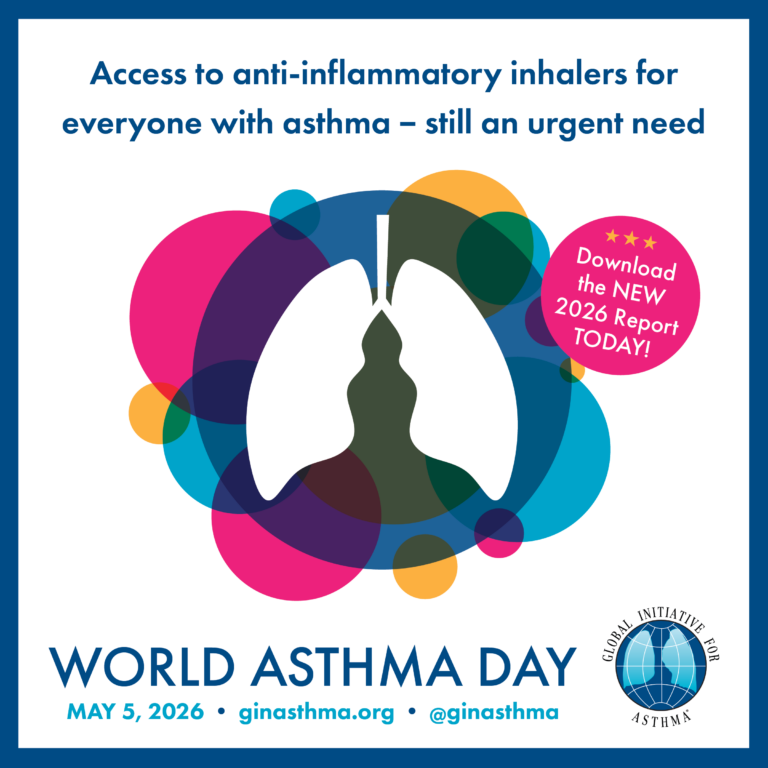
Wereld Astma Dag / World Asthma Day 2026

Wereld Astma Dag

Wereld Astma Dag is een jaarlijks terugkerend evenement dat sinds 1998 wordt georganiseerd door de Global Initiative for Asthma (GINA) en wordt ondersteund door het World Asthma Foundation.

Wereld Astma Dag is een dag met wereldwijd meer aandacht voor betere voorlichting over astma en het verbeteren van zorg, ondersteuning en behandelmogelijkheden voor mensen met astma. Ook wordt op deze dag de jaarlijkse update van de ‘Global Strategy for Asthma Management and Prevention’ gepubliceerd. Enkele feiten over astma:

  •     de normale symptomen bij astma zijn hoesten, piepen, ademnood en druk op de borst
  •     astma kan personen van iedere leeftijd treffen en kan mettertijd veranderen
  •     astma (en COPD en hooikoorts) komt in Nederland vaker voor bij niet-westerse migranten
  •     luchtvervuiling en roken leidt bij duizenden kinderen en volwassen tot bronchitis en astma
  •     100.000 kinderen in Nederland hebben astma, en elke dag krijgen meer dan tachtig de diagnose astma

Links:
World Asthma Day

2026-05-04, Lief dagboek

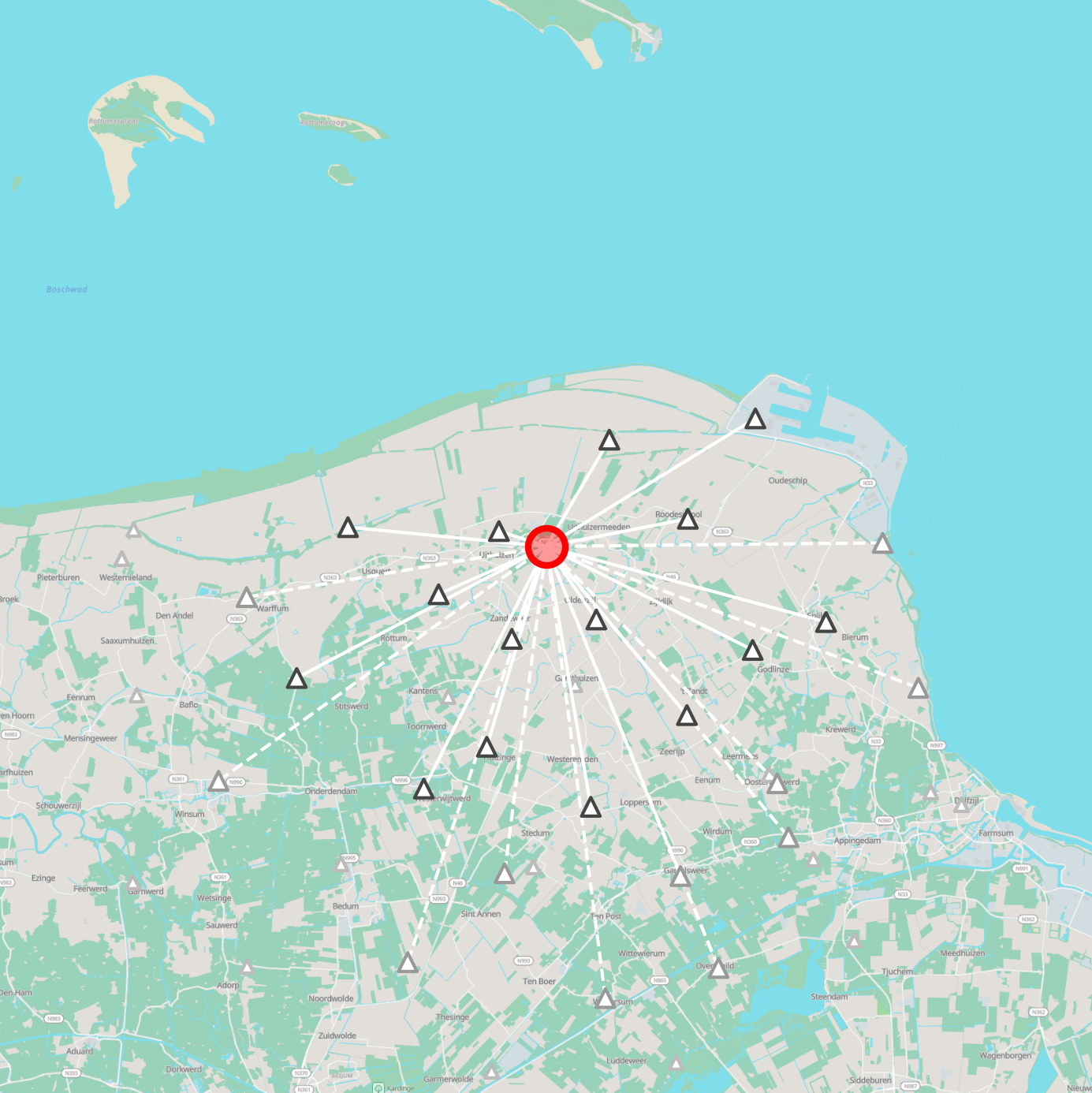
Maandag; Fossiel; Digitale Autonomie; Dag van de Brandweer; Permacultuur Dag; Star Wars Day; Aardbeving Gaswinning Groningen; Alternatieve Dodenherdenking.

Deze afbeelding heeft een leeg alt-attribuut; de bestandsnaam is dagboek.png

Wat eten we vandaag?:

Klik op afbeelding voor origineel

Knipselkrant:


https://a3veen.tumblr.com/post/815689027747479552/renewables-trump-card

Agenda:

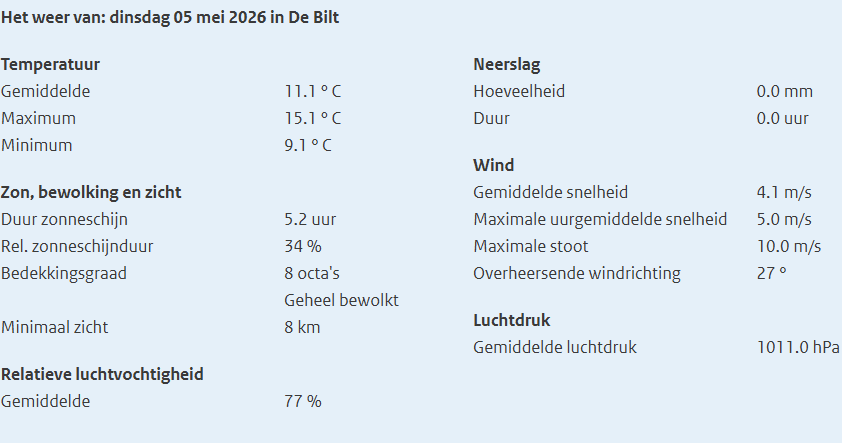
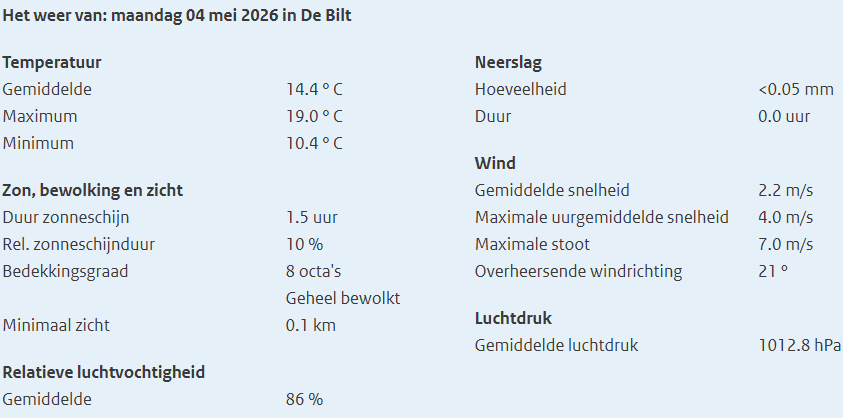
Weer:

Links:
In de geschiedenis

Firefighters’ Day / Dag van de Brandweer 2026

International Firefighters’ Day (IFFD) is observed each year on 4th May.

On this date you are invited to remember the past firefighters who have died while serving our community or dedicated their lives to protecting the safety of us all. At the same time, we can show our support and appreciation to the firefighters world wide who continue to protect us so well throughout the year. By proudly wearing and displaying blue and red ribbons pinned together or by participating in a memorial or recognition event, we can show our gratitude to firefighters everywhere. The IFFD ribbons are linked to colours symbolic of the main elements firefighters work with – red for fire and blue for water. These colours also are internationally recognised as representing emergency service. Firefighters dedicate their lives to the protection of life and property. Sometimes that dedication is in the form of countless hours volunteered over many years, in others it is many selfless years working in the industry. In all cases it risks the ultimate sacrifice of a firefighter’s life. International Firefighters’ Day is a time where the world’s community can recognise and honour the sacrifices that firefighters make to ensure that their communities and environment are as safe as possible. It is also a day in which current and past firefighters can be thanked for their contributions.

Links:
Firefighters’ Day

Permaculture Day / Permacultuur Dag 2026

Permaculture is an approach to land management and philosophy that adopts arrangements observed in flourishing natural ecosystems.

It includes a set of design principles derived using whole systems thinking and uses these principles in fields such as regenerative agriculturerewilding, and community resilience. Permaculture originally came from “permanent agriculture”, but was later adjusted to mean “permanent culture”, incorporating social aspects as inspired by Masanobu Fukuoka‘s natural farming. The term was coined by Bill Mollison and David Holmgren in 1978, who formulated the concept in opposition to Western industrialized methods and in congruence with Indigenous or traditional knowledge. Permaculture has many branches including ecological designecological engineeringregenerative designenvironmental design, and construction. It also includes integrated water resources management that develops sustainable architecture, and regenerative and self-maintained habitat and agricultural systems modeled from natural ecosystems. Permaculture has been implemented and gained widespread visibility throughout the world as an agricultural and architectural design system and as a guiding life principle or philosophy. Much of its success has been attributed to the role of Indigenous knowledge and traditions, in which the practice itself is rooted. In turn, the rise of permaculture has revalidated Indigenous knowledge in circles where it was previously devalued.

Links:
Permaculture Day