
#FactCheckingDay / FactChecking Dag 2024
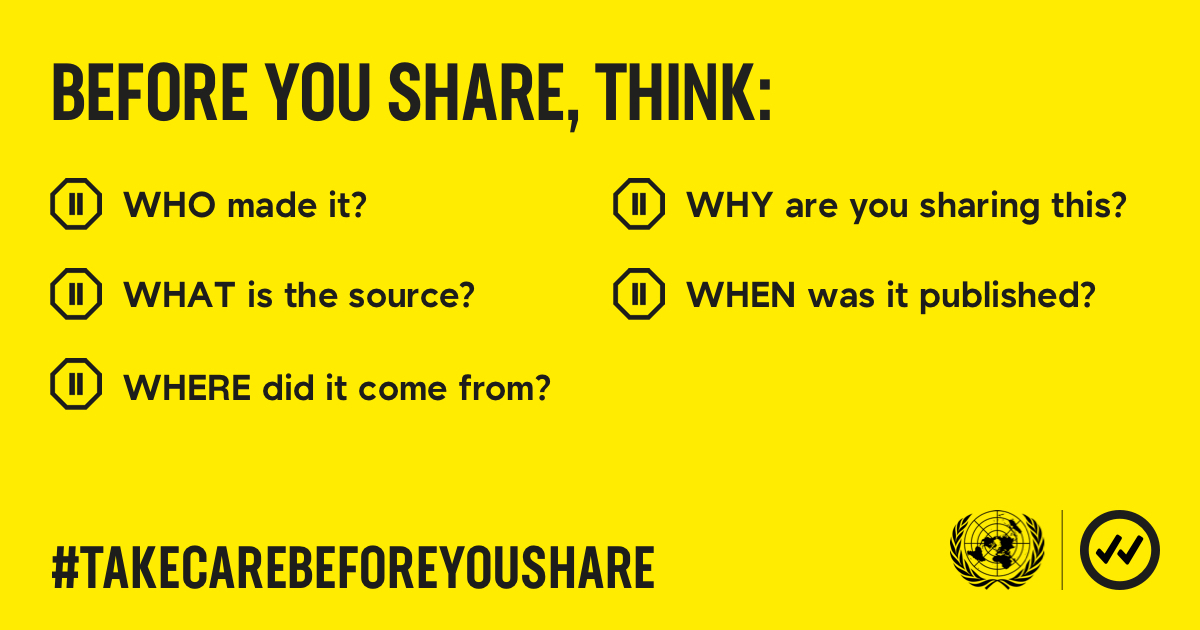
Fact-Checking Day is an annual celebration and rallying cry for more facts in public health, journalism as in everyday life and it is meant to be lighthearted, but practical.
Fact-
Links:
FactChe

Fact-Checking Day is an annual celebration and rallying cry for more facts in public health, journalism as in everyday life and it is meant to be lighthearted, but practical.
Fact-
Links:
FactChe

International Children’s Book Day (ICBD) is a yearly event sponsored by the International Board on Books for Young People (IBBY), an international non-profit organization, founded in 1967, the day is observed on or around Hans Christian Andersen’s birthday, April 2.
Activities include writing competitions, announcements of book awards and events with authors of children’s literature. Each year a different National Section of IBBY has the opportunity to be the international sponsor of ICBD. It decides upon a theme and invites a prominent author from the host country to write a message to the children of the world and a well-known illustrator to design a poster. These materials are used in different ways to promote books and reading. Many IBBY Sections promote ICBD through the media and organize activities in schools and public libraries. Often ICBD is linked to celebrations around children’s books and other special events that may include encounters with authors and illustrators, writing competitions or announcements of book awards.
Links:
Ch

De Rwandese Genocide was een volkerenmoord die in 1994 plaatsvond in het Afrikaanse land Rwanda.
Gedurende deze genocide werden naar schatting 500.000 tot 1 miljoen Tutsi’s (ongeveer 70% van de totale bevolkingsgroep) en gematigde Hutu’s in een periode van 100 dagen, van 7 april tot 15 juli 1994, vermoord. De meeste moorden werden gepleegd door twee Hutu-milities, de Interahamwe, een jeugdmilitie van regeringspartij MRND, en de Impuzamugambi van de extremistische splinterpartij CDR. De internationale vredesmacht die in de regio gestationeerd was, UNAMIR, greep niet in vanwege het krappe mandaat van de troepen. Dit is de Verenigde Naties en vooral de leden van de Veiligheidsraad op veel kritiek komen te staan. De genocide werd gestopt door de Tutsi-rebellenbeweging bekend als het Rwandees Patriottisch Front (RPF), geleid door Paul Kagame. Na de overwinning van het RPF werd Kagame vicepresident en minister van Defensie. Sinds 2000 is hij president van Rwanda.
Links:
Day of Reflection on the 1994 Genocide Against the Tutsi in Rwanda
Day of Reflection on the 1994 Genocide against the Tutsi in Rwanda – UNESCO
Links:
Wikipedia
Maandag; 1 April; Wolkenweek!; Earth Month; Breakthrough Junior Challenge; Maand van de Filosofie.

Agenda:
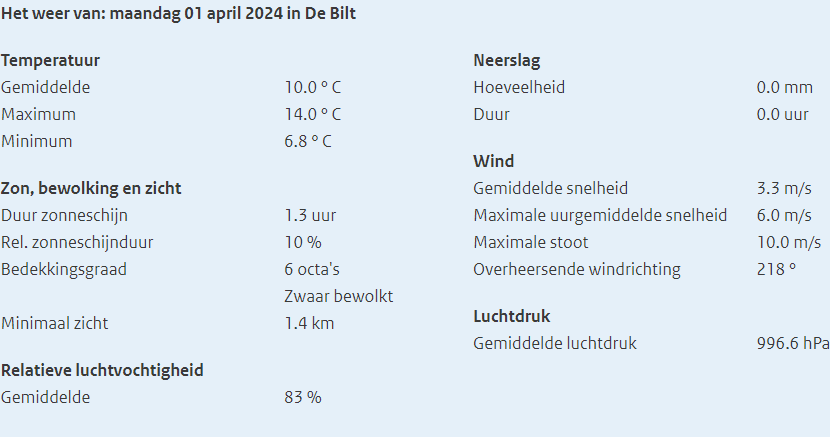
Weer:
Links:
In de geschiedenis

April is Earth Month and a call to action for sustainable change, to celebrate successes and create innovative solutions for a sustainable future.
Links:
PB
Links:
Wikipedia
April is de Maand van de Filosofie, jaarlijks worden tijdens deze maand door heel België en Nederland filosofische nachten, programma’s, lezingen, debatten en festivals georganiseerd.
E
Links:
M
SciStarter established an annual Citizen Science Month in April to celebrate and bring greater awareness to the valuable contributions of the public to scientific research and data collection endeavors.
Citizen science (similar to community science, crowd science, crowd-sourced science, civic science, participatory monitoring, or volunteer monitoring) is research conducted with participation from the general public, or amateur/nonprofessional researchers or participants for science, social science and many other disciplines. There are variations in the exact definition of citizen science, with different individuals and organizations having their own specific interpretations of what citizen science encompasses. Citizen science is used in a wide range of areas of study including ecology, biology and conservation, health and medical research, astronomy, media and communications and information science. There are different applications and functions of citizen science in research projects. Citizen science can be used as a methodology where public volunteers help in collecting and classifying data, improving the scientific community’s capacity. Citizen science can also involve more direct involvement from the public, with communities initiating projects researching environment and health hazards in their own communities. Participation in citizen science projects also educates the public about the scientific process and increases awareness about different topics. Some schools have students participate in citizen science projects for this purpose as a part of the teaching curriculums.
Links:
Citizen Science Month
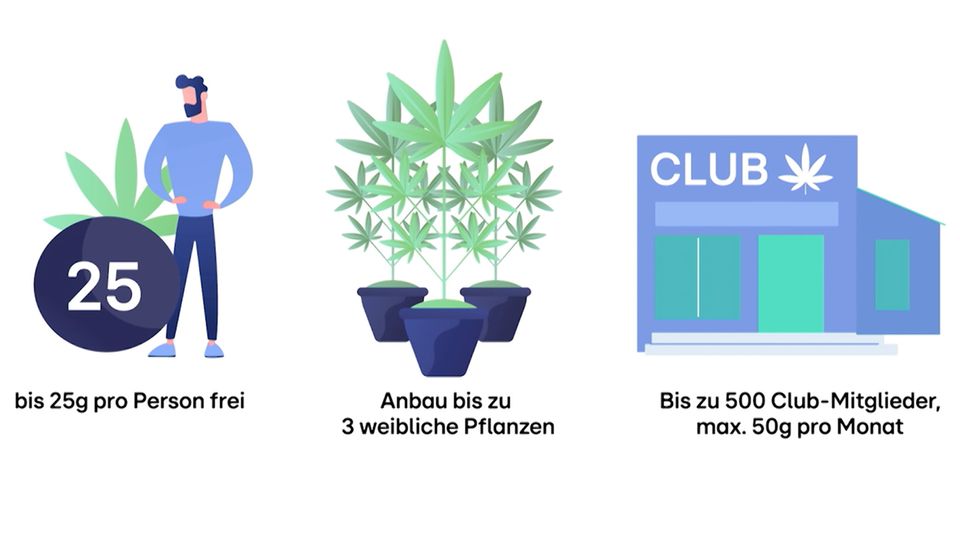
Mit dem Cannabisgesetz (CanG) wird der private Eigenanbau durch Erwachsene zum Eigenkonsum sowie der gemeinschaftliche, nicht-gewerbliche Eigenanbau von Cannabis in Anbauvereinigungen legalisiert.
Die deutsche Regierung hat den Besitz von Marihuana in kleinen Mengen legalisiert und den Besitz teilweise entkriminalisiert. Erwachsene über 18 Jahren dürfen nun 25 Gramm Cannabis für den Eigenbedarf besitzen und zu Hause 50 Gramm aufbewahren. Der Verkauf bleibt aber untersagt.
Links:
Video. “Smoke-In”: Berliner feiern Legalisierung von Cannabis in Deutschland
Blowen in Duitsland vanaf vandaag legaal, vele regels zorgen voor verwarring