
In de geschiedenis
Links:
Wikipedia

Links:
Wikipedia
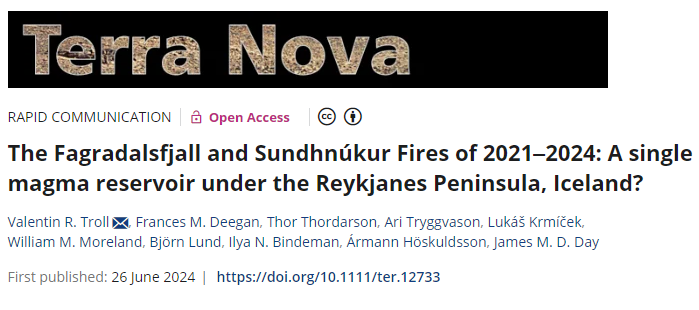
In Iceland, it appears that another volcanic eruption might occur at the end of July 2024, the main news is that a 52 cubic kilometer body of magma has been confirmed underneath both the Fagradalsfjall and Reykjanes volcanoes.
The vast majority of this magma is not in an eruptible state, influxes of molten rock into this magma reservoir appear to trigger the clusters of eruptions we have observed since 2020. A major eruption involving more than a cubic kilometer of magma is not expected on the Reykjanes peninsula.

De Dutch CF Run (DCFR) is een estafetterun langs diverse CF-centra in Nederland met honderden enthousiaste lopers (jong en oud, beginnend en gevorderd) die de diverse CF centra in Nederland met elkaar ‘verbindt’ en waarmee Stichting TAAI jaarlijks een prachtig bedrag ophaalt om zo stichting TAAI te ondersteunen in haar missie: ‘het bevorderen van wetenschappelijk onderzoek naar betere behandeling en uiteindelijke genezing van Cystic Fibrosis (Taaislijmziekte).
Zoals gezegd is de DCFR een estafetterun van 5, 10 of 20 km per team. Je kunt je per team inschrijven maar ook als individuele loper, we zorgen dan dat je met verschillende lopers bij elkaar in een team wordt ingedeeld. Ook deze 5e editie starten we al op zaterdagnacht in Utrecht en lopen dan via Den Haag door naar Rotterdam om op zondagavond te finishen bij het Erasmus MC. De KidsRun in de middag mag ook dit jaar niet ontbreken, net als vorige jaren zullen er heel veel kinderen hun longen uit het lijf rennen tijdens een 5 km route.
Links:
Dutch CF Run 2024
Woensdag; Wat eten we vandaag?; Global Principles for Information Integrity; Water in actie; Julian Assange; Wet betaalbare huur; KetiKoti; Werelddag voor steun aan slachtoffers van foltering; World Drug Day; Ratcatcher’s Day.

Wat eten we vandaag?:
Knipselkrant:
Agenda:
Weer:

Links:
In de geschiedenis

Torture seeks to annihilate the victim’s personality and denies the inherent dignity of the human being.
Despite the absolute prohibition of torture under international law, torture persist in all regions of the world. Concerns about protecting national security and borders are increasingly used to allow torture and other forms of cruel, degrading and inhuman treatment. Its pervasive consequences often go beyond the isolated act on an individual; and can be transmitted through generations and lead to cycles of violence. The United Nations has condemned torture from the outset as one of the vilest acts perpetrated by human beings on their fellow human beings. Torture is a crime under international law. According to all relevant instruments, it is absolutely prohibited and cannot be justified under any circumstances. This prohibition forms part of customary international law, which means that it is binding on every member of the international community, regardless of whether a State has ratified international treaties in which torture is expressly prohibited. The systematic or widespread practice of torture constitutes a crime against humanity. On 12 December 1997, by resolution 52/149, the UN General Assembly proclaimed 26 June the United Nations International Day in Support of Victims of Torture, with a view to the total eradication of torture and the effective functioning of the Convention against Torture and Other Cruel, Inhuman or Degrading Treatment or Punishment. 26 June is an opportunity to call on all stakeholders including UN Member States, civil society and individuals everywhere to unite in support of the hundreds of thousands of people around the world who have been victims of torture and those who are still tortured today.
Links:
Day in Support of Victims of Torture – 26 June
Links:
Wikipedia
The United Nations launched new Global Principles for Information Integrity, emphasizing the need for immediate action to address the harms caused by misinformation, disinformation and hate speech.
Links:
Information Integrity – The Information Ecosystem in the Digital Age

De belangrijkste artikelen bevinden zich in de hoofdstukken V tot en met XV, waarin onder andere de bevoegdheden van de Veiligheidsraad
Links:
Handvest

Ratcatcher’s Day, Rat-catcher’s Day, Rat Catcher’s Day is celebrated on 26 June or 22 July, commemorating the myth of the Pied Piper of Hamelin.
The town of Hamelin in Germany uses the June date and the term “Pied Piper Day”. The confusion of dates is because the Brothers Grimm cite 26 June 1284 as the date the Pied Piper led the children out of the town, while the poem by Robert Browning gives it as 22 July 1376. It is a holiday remembering rat-catchers, similar to Secretary’s Day and Presidents Day.
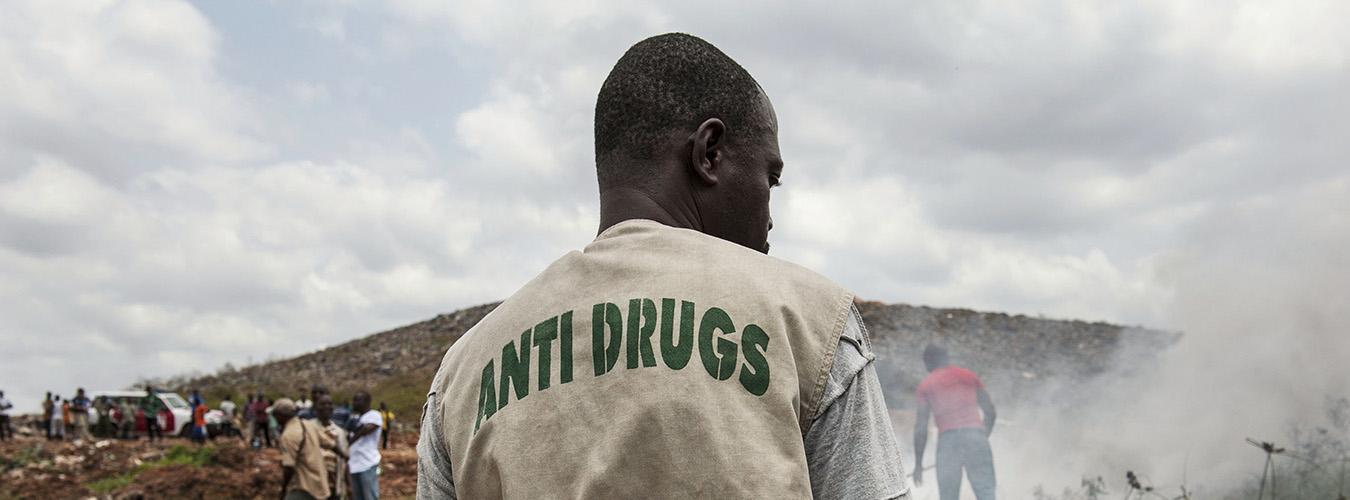
By resolution 42/112 of 7 December 1987, the General Assembly decided to observe 26 June as the International Day against Drug Abuse and Illicit Trafficking as an expression of its determination to strengthen action and cooperation to achieve the goal of an international society free of drug abuse.
Supported each year by individuals, communities, and various organizations all over the world, this global observance aims to raise awareness of the major problem that illicit drugs represent to society. The global drug problem presents a multifaceted challenge that touches the lives of millions worldwide. From individuals struggling with substance use disorders to communities grappling with the consequences of drug trafficking and organized crime, the impact of drugs is far-reaching and complex. Central to addressing this challenge is the imperative to adopt a scientific evidence-based approach that prioritizes prevention and treatment. The International Day against Drug Abuse and Illicit Trafficking, or World Drug Day, is marked on 26 June every year to strengthen action and cooperation in achieving a world free of drug abuse. This year’s World Drug Day campaign recognizes that effective drug policies must be rooted in science, research, full respect for human rights, compassion, and a deep understanding of the social, economic, and health implications of drug use. Together, let us amplify our efforts to combat the global drug problem, guided by the principles of science, compassion, and solidarity. Through collective action and a commitment to evidence-based solutions, we can create a world where individuals are empowered to lead healthy, fulfilling lives.
The World Drug Report 2024 is aimed not only at fostering greater international cooperation to counter the impact of the world drug problem on health, governance and security, but also at assisting Member States in anticipating and addressing threats posed by drug markets and mitigating their consequences. A global reference on drug markets, trends and policy developments, the World Drug Report offers a wealth of data and analysis and in 2024 comprises several elements tailored to different audiences. The web-based Drug market patterns and trends module contains the latest analysis of global, regional and subregional estimates of and trends in drug demand and supply in a user-friendly, interactive format supported by graphs, infographics and maps. The Key findings and conclusions booklet provides an overview of selected findings from the analysis presented in the Drug market patterns and trends module and the thematic Contemporary issues on drugs booklet, while the Special points of interest fascicle offers a framework for the main takeaways and policy implications that can be drawn from those findings.
As well as providing an in-depth analysis of key developments and emerging trends in selected drug markets, the Contemporary issues on drugs booklet looks at several other developments of policy relevance. The booklet opens with a look at the 2022 Taliban ban on the cultivation and production of and trafficking in drugs in Afghanistan and its implications both within the country and in transit and destination markets elsewhere. This is followed by a chapter examining the convergence of drug trafficking and other activities and how they affect natural ecosystems and communities in the Golden Triangle in South-East Asia. The chapter also assesses the extent to which drug production and trafficking are linked with other illicit economies that challenge the rule of law and fuel conflict. Another chapter analyses how the dynamics of demand for and supply of synthetic drugs vary when the gender and age of market participants are considered. The booklet continues with an update on regulatory approaches to and the impact of legalization on the non-medical cannabis market in different countries, and a review of the enabling environment that provides broad access to the unsupervised, “quasi-therapeutic” and non-medical use of psychedelic substances. Finally, the booklet offers a multi-dimensional framework on the right to health in the context of drug use; these dimensions include availability, accessibility, acceptability, quality, non-discrimination, non-stigmatization and participation.
