
#InternationalWheelchairDay2025

Wheelchair Day is always 1st March and is an annual day of events and activities which take place around the World when wheelchair users celebrate the positive impact a wheelchair has on their lives.
Links:
Whe

Wheelchair Day is always 1st March and is an annual day of events and activities which take place around the World when wheelchair users celebrate the positive impact a wheelchair has on their lives.
Links:
Whe

Zero Discrimination Day is an annual day celebrated by the United Nations (UN) and other international organisations, the day aims to promote equality before the law and in practice throughout all of the member countries of the UN.
The day was first celebrated on March 1, 2014, and was launched by UNAIDS Execu
In 2025 is the tenth anniversary of Zero Discrimination Day and the theme is ‘We stand together‘.
Links:
Zero Discrimination Day
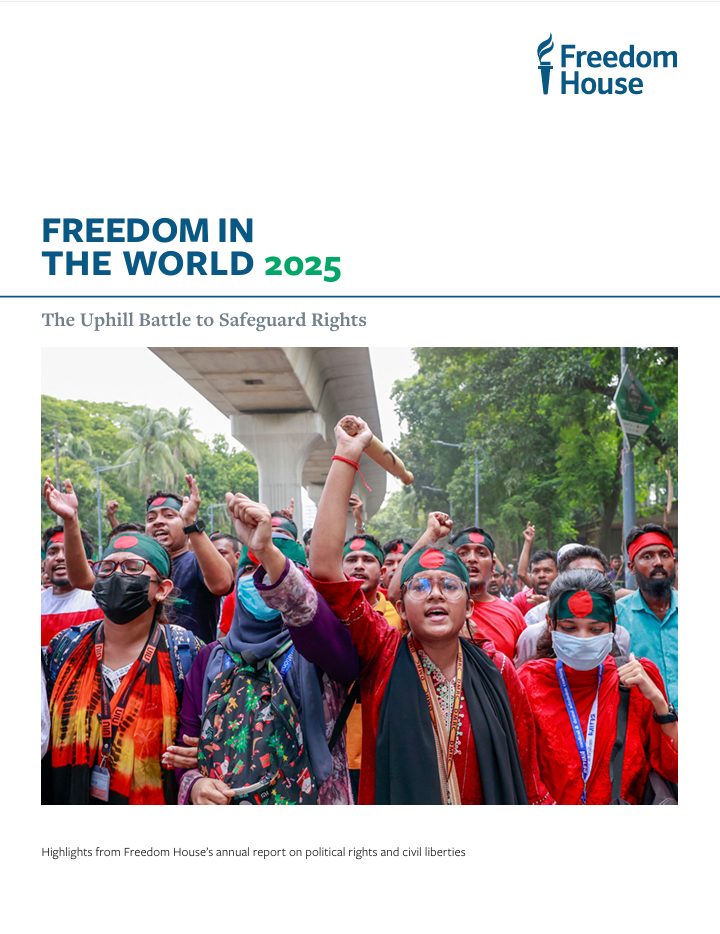
Report ‘Freedom in the Word – The Uphill Battle to Safeguard Rights‘: Global freedom declined for the 19th consecutive year in 2024.
Violence and the repression of political opponents during elections, ongoing armed conflicts, and the spread of authoritarian practices contributed to the 19th year of declining freedom. In the year to come, all those who understand the value of political rights and civil liberties must work together in the defense of democracy.
Sixty countries experienced deterioration in their political rights and civil liberties, and only 34 secured improvements. El Salvador, Haiti, Kuwait, and Tunisia were the countries with the largest score declines for the year, while Bangladesh, Bhutan, Sri Lanka, and Syria recorded the largest gains. In over 40 percent of the countries and territories that held national elections in 2024, candidates were targeted with assassination attempts or assaults, polling places were attacked, or postelection protests were suppressed with disproportionate force. Elections in authoritarian countries were manipulated to prevent genuine opposition candidates from participating. Ongoing civil wars and interstate conflict as well as violence perpetrated by armed militias, mercenaries, and criminal organizations undermined security and prevented the exercise of fundamental rights, making the world not only less safe but also less free in 2024.
Despite the overall global decline in freedom, bright spots emerged around the world as a result of competitive elections or following the collapse of long-standing authoritarian regimes. New governments will now face the difficult task of building and strengthening democratic institutions while also protecting individual rights. Global freedom faces serious challenges in 2025, including security threats from multiple armed conflicts, deepening repression in both entrenched and emerging autocracies, and democratically elected leaders who seek to advance their goals by overriding institutional checks on their power. It is in the vital interest of all those who believe in democracy to invest in democratic institutions at home, call out attacks on rights abroad, work together to promote lasting peace, and support human rights defenders wherever they operate. Only sustained and coordinated action can reverse the nearly two decades of decline in global freedom and ensure that more countries enjoy security, prosperity, and all the other benefits of democratic rule.
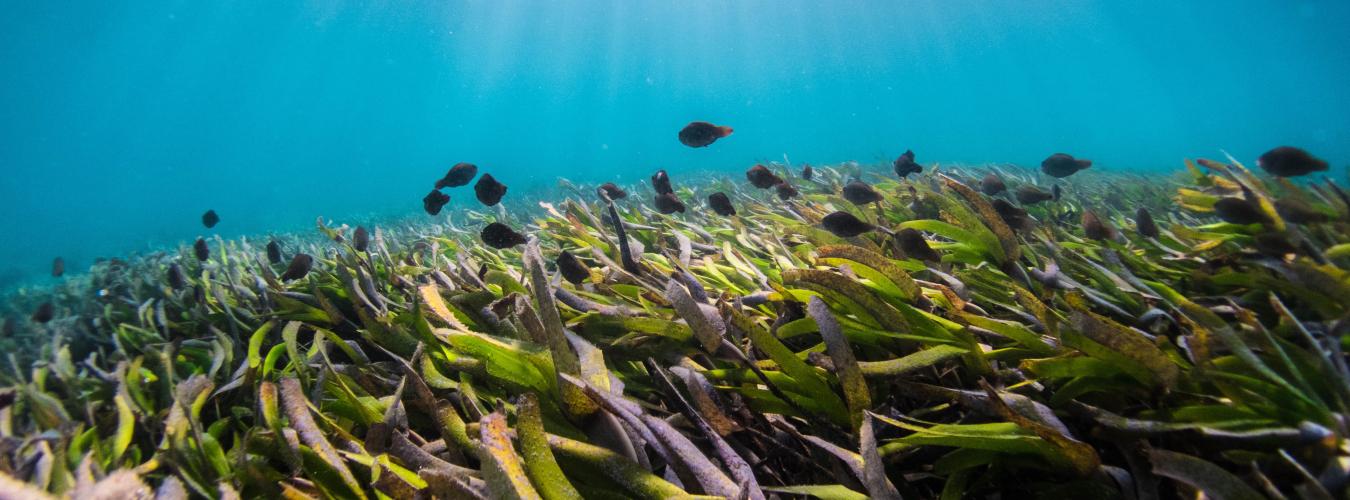
In May 2022, the General Assembly adopted A/RES/76/265 proclaiming 1 March as World Seagrass Day.
The resolution highlights the urgent need to raise awareness at all levels and to promote and facilitate actions for the conservation of seagrasses in order to contribute to their health and development, bearing in mind that enhancing ecosystem services and functions is important for the achievement of the Sustainable Development Goals.
Links:
World Seagrass Day
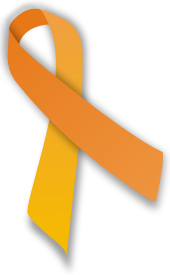
Self-injury Awareness Day (SIAD) (also known as Self-Harm Awareness Day) is a grassroots an
Som
Links
Self Harm Awareness Day
Links:
Wikipedia

Maart is internationale darmkankermaand om je in deze maand extra bewust te maken van de alarmsignalen van darmkanker.
Darmkanker is een aantal verschillende soorten kanker van de dunne darm, dikke darm en de endeldarm (rectum).
Links:
Darmkankermaand – Sterk na Darmkanker
1 maart: Start van de Darmkankermaand
Meneer de Uil waarschuwt 50-plussers voor darmkanker in nieuwe campagne: “Doe de test”

Om praktische, maar ook klimatologische redenen begint de meteorologis
De len
Links:
Meteorologische lente
Vrijdag; Wat eten we vandaag?; Pesticiden; Oort cloud; Planetenparade; Werelddag zonder Facebook; Filmfestival De Pijp; Landelijke kikkerdriltelling; Rechtsstaatsradar.

Wat eten we vandaag?:

Knipselkrant:
Agenda:
Weer:

Links:
In de geschiedenis
