
2025-03-15, Lief dagboek
Zaterdag; Wat eten we vandaag?; Royal Institution Christmas Lectures; World Contact Day; Dag tegen Politiegeweld; Day of Action for the Seals.

Wat eten we vandaag?:
Knipselkrant:
Agenda:
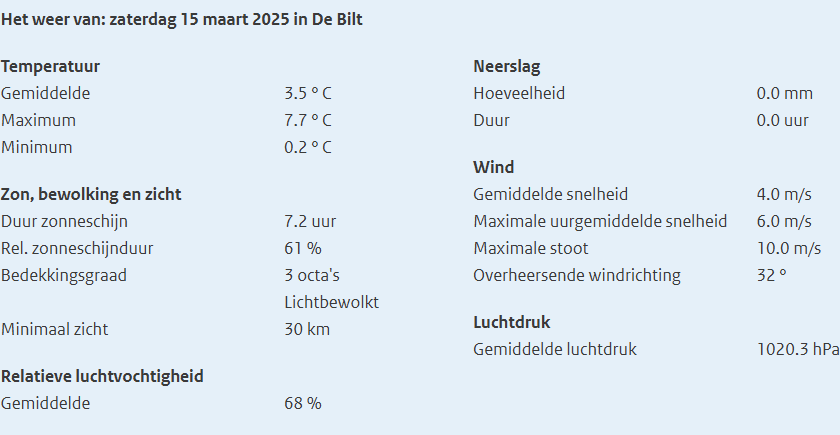
Weer:
Links:
In de geschiedenis

Zaterdag; Wat eten we vandaag?; Royal Institution Christmas Lectures; World Contact Day; Dag tegen Politiegeweld; Day of Action for the Seals.
Wat eten we vandaag?:
Knipselkrant:
Agenda:
Weer:
Links:
In de geschiedenis
The International Day Against Police Brutality occurs on March 15. It first began in 1997 as an initiative of the Montreal-based Collective Opposed to Police Brutality and the Black Flag group in Switzerland. A march is held yearly in Montreal.
Acceptance of March 15 as a focal day of solidarity against police brutality varies from one place to another. In the United States, the October 22 Coalition to Stop Police Brutality, Repression, and the Criminalization of a Generation, a group mounted by the RCP has succeeded in building support for October 22 (also known as O22) as National Anti Police Brutality Day since 1995.
Links:
Black Flag, Switzerland
Collective Opposed to Police Brutality, Montreal, Canada
October 22 Coalition to Stop Police Brutality, Repression, and the Criminalization of a Generation
Officer injured in Montreal anti-police brutality protest
Photos: Police and protesters clash in Montreal
Montreal police, anti-police protesters clash in annual standoff
Montreal police gird for annual protest Friday against police brutality
Dood van George Floyd / Death of George Floyd
14 maart 2021: disproportionee
No justice – No peace – No racist police!
Death of Tyre Nichols / Tyre Nichols gedood door politie
Agen
Fabian, amper 11, sterft na politieachtervolging in Brussels park

World Contact Day was first declared in March 1953 by an organization called the Internation
The IFSB voted to hold such a day in 1953, theorising that if both telepathy and alien life were real, a large number of people focussing on an identical piece of text may be able to transmit the message through space. IFSB members focused on the following message during 1953:
Calling occupants of interplanetary craft! Calling occupants of interplanetary craft that have been observing our planet EARTH. We of IFSB wish to make contact with you. We are your friends, and would like you to make an appearance here on EARTH. Your presence before us will be welcomed with the utmost friendship. We will do all in our power to promote mutual understanding between your people and the people of EARTH. Please come in peace and help us in our EARTHLY problems. Give us some sign that you have received our message. Be responsible for creating a miracle here on our planet to wake up the ignorant ones to reality. Let us hear from you. We are your friends.
The 1953 celebration is referenced in the song “Calling Occupants of Interplanetary Craft“, created in 1976 by Klaatu and later covered by The Carpenters.
Links:
Klaatu Track Facts
World Contact Day brings together E.T. enthusiasts from all over the world
Links:
Wikipedia

The Day of Action for Seals is typically on March 15th and is a Protest Against the Seal Hunt: Putting Pressure on the Sealers Before the Slaughter Begins.
Until the massacres of seals end, compassionate people around the world will speak up, rally, demonstrate, and get the word out on the streets. Harpseals.org continues to organize, assist with, and promote events all over the world. The Canadian government will not fail to notice the outrage at the continued seal hunt.
Links:
Day of Action for the Seals
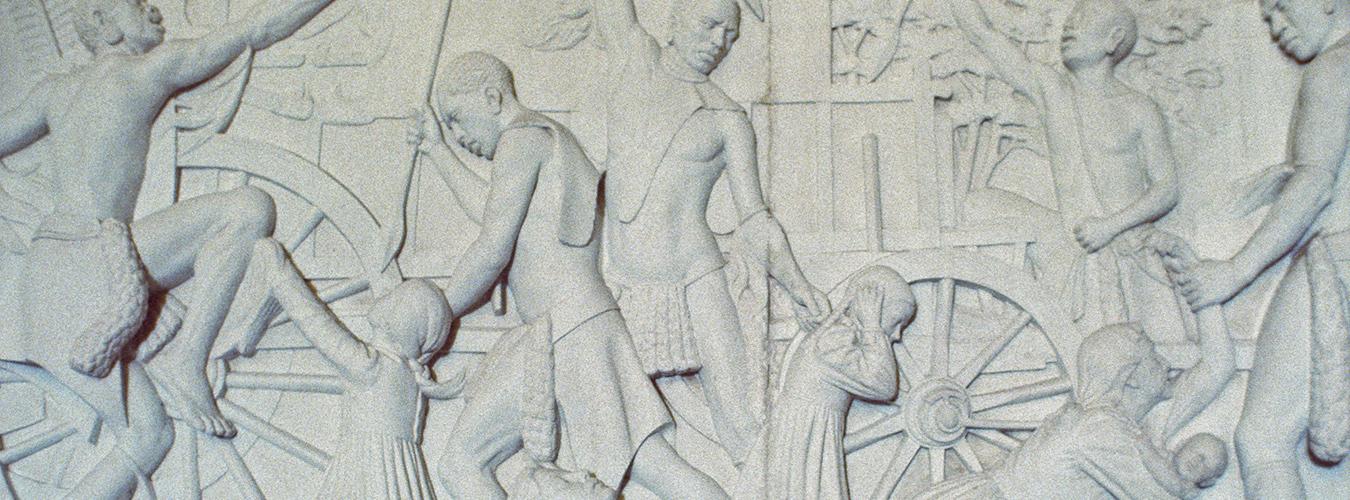
De Internationale Dag voor de Uitbanning van Rassendiscriminatie (Engels: International Day for the Elimination of Racial Discrimination) wordt jaarlijks in acht genomen op 21 maart.
Op die dag in 1960 doodde de politie 69 burgers in het Bloedbad van Sharpeville, tijdens protesten tegen het apartheidsregime in Zuid-Afrika. In 1966 riep de Algemene Vergadering van de Verenigde Naties in een resolutie de internationale gemeenschap op om alle vormen van rassendiscriminatie uit te bannen (resolutie 2142 (XXI). Sinds dat jaar wordt de dag elk jaar onder een thema georganiseerd, om bepaalde aspecten van discriminatie uit te lichten. In 2001 werd een VN-programma inzake racismebestrijding opgesteld in het kader van de Durban-conferentie, met een vervolgbijeenkomst in Genève in 2009.
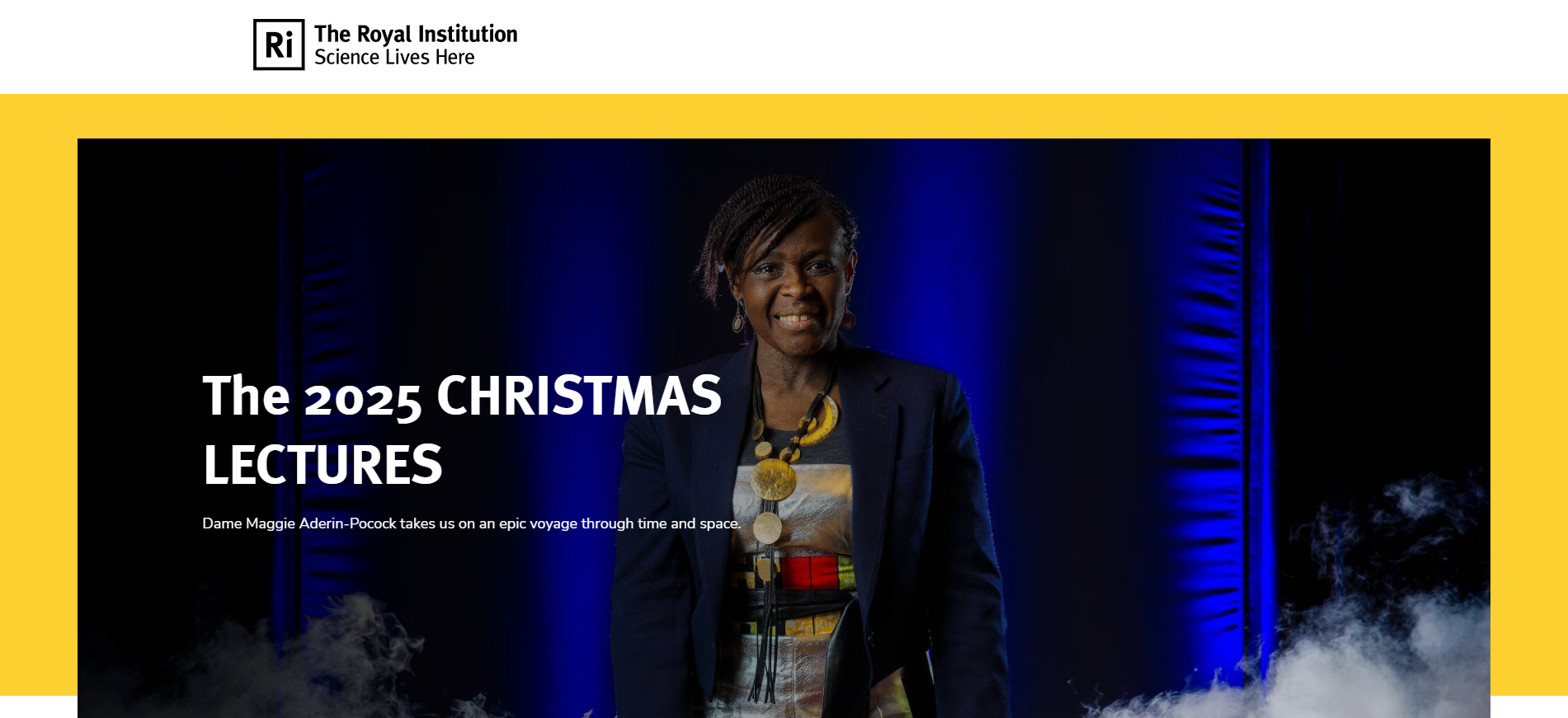
The Royal Institution Christmas Lectures are a series of lectures on a single scientific topic each, which have been held at the Royal Institution in London each year.
The lectures present subjects to a general audience, including young people, in an informative and entertaining manner. Michael Faraday conceived and initiated the Christmas Lecture series in 1825, at a time when organised education for young people was scarce. Many of the Christmas Lectures were published. On the 200-year anniversary of the Royal Institution Christmas Lectures, the 2025 Lectures will see leading space scientist Dame Dr Maggie Aderin-Pocock take audiences on an epic voyage through time and space. Joined by a host of very special guests – from astronauts to history-making astronomers – Maggie will explore the extraordinary breakthroughs that have revolutionised our understanding of the universe, enabling us to see ever further into space, and ever further back in time. Maggie helped develop the James Webb Telescope, the most powerful space telescope ever created – which launched on Christmas day 2021 before travelling a million miles to begin its orbit of the sun. Unpacking James Webb’s latest breathtaking images, Maggie will reveal how this “time-travelling” telescope is now rewriting the story of the Big Bang and allowing us to witness the birth of the first stars and galaxies that followed.
As NASA prepares to return humans to the moon for the first time since 1972, Maggie will investigate how manned spaceflight has transformed our relationship with our nearest neighbour – and with our home planet. And, delving further back in time, she’ll explore how the night sky has always held a fascination for humanity – investigating what the moon and stars meant to ancient societies across the world. Maggie will also explain how the latest space technologies – from probes and orbiters to the most recent Mars rovers – are shedding astonishing new light on the planets in our solar system. And we’ll discover why in 2025 we’re on the cusp of even more remarkable discoveries about our universe. She will reveal just how far our understanding of space has come in the two centuries the Ri CHRISTMAS LECTURES have been around – looking back on previous Lectures on astronomy – from the first of these in 1826 to the 1977 lectures hosted by famed astronomer Carl Sagan, when the only known planets at that time were the eight in our solar system (thought to be nine at the time). Maggie will also scour the Royal Institution archives to uncover some of the original props from these historic lectures, plus she’ll recreate – and supersize – some the most memorable demos from space lectures past. In this iconic anniversary year these lectures will be a true celebration – of our universe and of the astounding human endeavours that are allowing us to solve its mysteries.

Milieutoezichthouders voeren achter de schermen al jarenlang campagne voor strengere regels rond het gebruik van staalslakken, een omstreden restproduct uit de staalindustrie maar het ministerie van Infrastructuur en Waterstaat geeft herhaaldelijk geen gehoor aan hun oproepen.
Staalslakken liggen overal in Nederland, van parken en speeltuinen tot begraafplaatsen en wegfunderingen, blijkt uit onderzoek van Investico, NU.nl en De Groene Amsterdammer. Op deze 115 locaties werden tot nu toe het vervuilende restproduct uit de staalindustrie gevonden. Op verschillende plekken hebben de grijze, steenachtige brokken geleid tot milieuschade en gezondheidsproblemen. Toezichthouder Inspectie Leefomgeving en Transport (ILT) trok aan de bel: negen van de tien door haar onderzochte locaties hebben tot milieuschade geleid.
Links:
800.000 ton staalslakken
Grind in nieuwbouwwijk weggehaald na bloedneuzen en luchtwegklachten
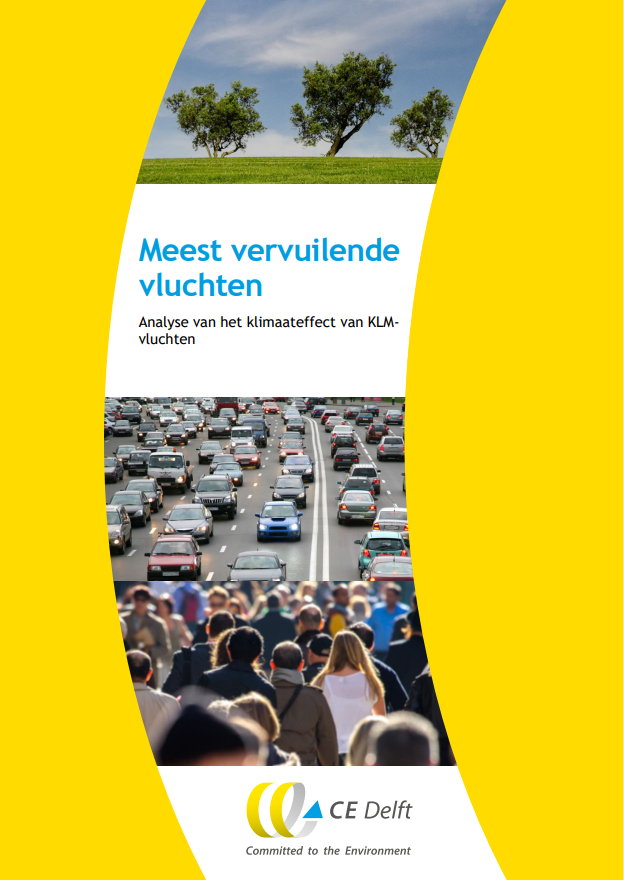
Welke vlucht van KLM het meest vervuilend is, dat heeft Greenpeace laten onderzoeken door onderzoeksbureau CE Delft.
Wat maakt de ene vlucht vervuilender dan de andere? Ten eerste natuurlijk de vliegafstand. Daarnaast speelt de breedtegraad van de bestemming een rol. Vliegt KLM ver zuidelijk of ver noordelijk, dan stoot ze meer stikstofoxiden, roetdeeltjes, zwaveloxiden en waterdamp uit. Deze non-CO2-effecten zijn schadelijk voor luchtkwaliteit en klimaat. In het onderzoek ‘Meest vervuilende vluchten‘ werd de hele klimaatimpact van een vlucht gemeten, dus zowel CO2- als non-CO2-klimaateffecten. De meest vervuilende vlucht: Buenos Aires in Argentinië is de absolute winnaar. Op de voet gevolgd door een vlucht naar Kaapstad in Zuid-Afrika. Een enkeltje naar Buenos Aires heeft een klimaatimpact ongeveer gelijk aan een jaar lang eten en drinken, een jaar lang autorijden of een jaar lang je huis verwarmen. KLM vliegt dagelijks naar Buenos Aires.
Vrijdag; Stakingen hoger onderwijs; Lutkemeer; TeslaTakedown; UvA stopt samenwerking; Klokkenluiders; rechtsbescherming onder druk; Wereld Slaap Dag; Pi dag; Dag van de Wiskunde; Albert Einstein; Stephen Hawking; Steak and Blowjob Day; Actiedag voor de Rivieren; maansverduistering.
Knipselkrant:
Agenda:
Weer:
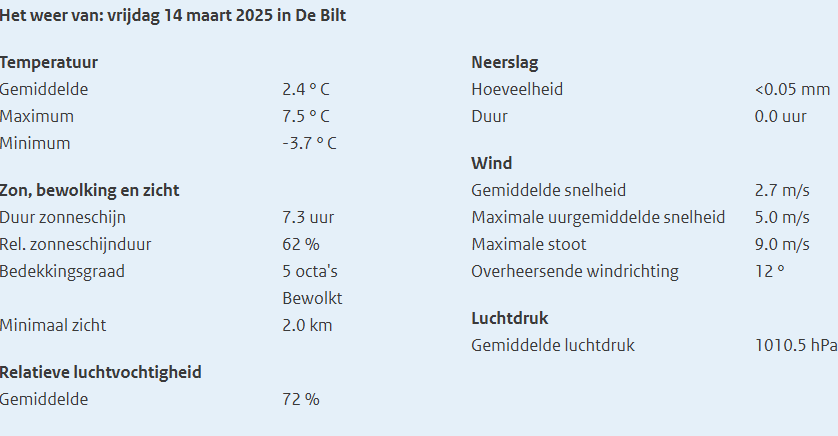
Links:
In de geschiedenis
