Zembla : Gods Lobbyisten / Project 2025 (TV NPO 2)

Zembla is een onderzoeksjournalistiek televisieprogramma van BNNVARA (voorheen VARA). Het programma onderzoekt ontwikkelingen en gebeurtenissen in de samenleving.

Wereldwijd strijden conservatieve christelijke organisaties voor traditionele gezinswaarden, ook als dat ten koste gaat van democratische grondrechten. Zo put president Trump uit een gedetailleerd strategisch plan om Amerika te transformeren naar een christelijk conservatieve staat: Project 2025. Belangrijke organisaties achter Project 2025 zijn ook actief in Europa, waar ze gelijkgestemden steunen met rechtszaken, politieke beïnvloeding en miljoenen dollars aan financiële steun. In ‘Gods lobbyisten’ brengen Zembla-journalisten internationale geldstromen in kaart en achterhalen ze Nederlandse leden van een netwerk dat de ‘natuurlijke orde’ wil herstellen door strenge anti-homowetten in te voeren en echtscheiding te verbieden.

Links:
Gods Lobbyisten

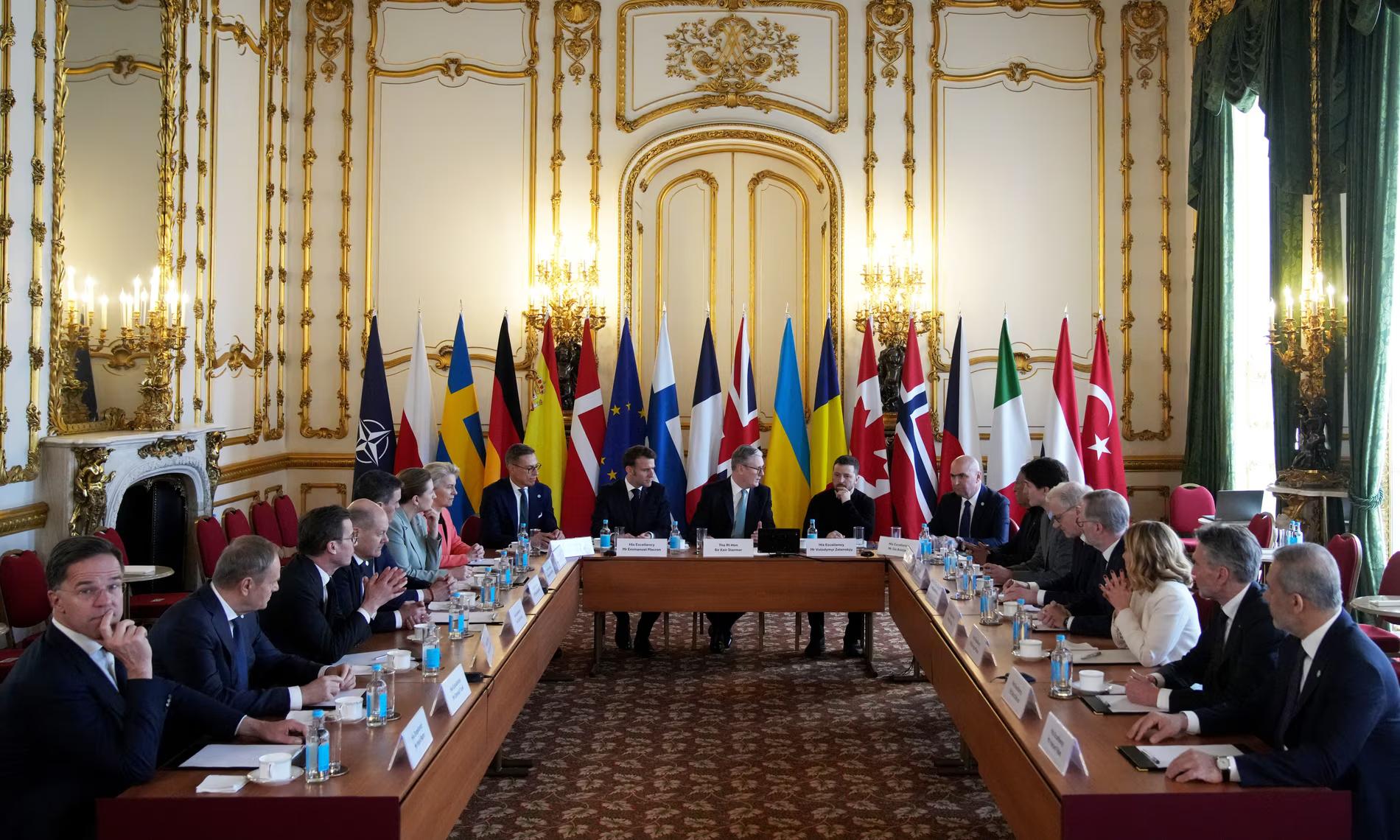
European Leaders’ emergency summit on Ukraine

European leaders are gathering for an emergency summit on the war in Ukraine, in response to concerns the US is moving ahead with Russia on peace talks that will lock out the continent. It comes after Donald Trump’s special envoy to Ukraine said European leaders would be consulted but not take part in any talks between US and Russia over ending the war. Senior White House figures, including US Secretary of State Marco Rubio, are due to meet Russian negotiators in Saudi Arabia in the coming days. US officials said that Ukraine was also invited – although President Volodymyr Zelensky says his country has received no such invitation.


Links:
Prime Minister Keir Starmer to host leaders summit on Ukraine

Top onder hoogspanning in Londen: nieuwe realiteit dwingt Europa tot keuzes

European leaders set to hold emergency summit on Ukraine

Europe faces ‘once in a generation’ moment for its security, Starmer says

Primark besmeurd met olie

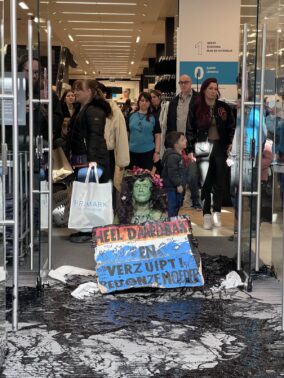
Activisten van Extinction Rebellion (XR) verspreiden op zaterdagmiddag 1 maart 2025 ‘olie’ over de vloer van de fastfashionwinkel Primark in Hoofddorp, om zo te verbeelden dat fast fashion een smerige, fossiele industrie is.

Klanten die naar binnen willen, moeten door een zwarte olie-achtige substantie stappen. Als ze dat doen, helpen ze mee de winkel smeriger te maken. De actie richt zich niet op het winkelend publiek. In de ogen van de actievoerders wordt de klimaatcrisis namelijk aangevoerd door bedrijven en overheden, niet door consumenten en burgers. Daarom ligt de verantwoordelijkheid voor de oplossing dus bij diezelfde bedrijven en overheden. Overproductie, de spil waarop de fastfashionindustrie draait, heeft ertoe geleid dat er nu genoeg kleren op de wereld zijn voor de komende zes generaties. En een steeds groter deel daarvan is van polyester gemaakt. “We horen wel eens zeggen: ‘Nou, dan koop je toch gewoon niet bij de Primark?’ Maar daarmee leg je volkomen onterecht de schuld bij de consument, die wordt bestookt met reclames om vooral kleding te kopen – gemiddeld zo’n 50 kledingstukken per jaar. De consument de schuld geven is victimblaming,” aldus Olax. Door onverkochte kleding wekelijks weg te gooien om plaats te maken voor het nieuwste van het nieuwste, forceren Primark en andere fastfashionketens een afzetmarkt voor goedkope kleding van waardeloze kwaliteit. Dat goedkoop duurkoop is, lijkt voor Primarkklanten niet duidelijk.

Links:
Primark besmeurd met olie

Vorige week zaterdag voerden twee rebellen actie in de Primark in Hoofddorp

2025-03-01, Lief dagboek

Zaterdag; Wat eten we vandaag?; Android feature is scanning your photos; Blue Ghost Mission 1; World Seagrass Day; ZeroDiscriminationDay; Dag van de Zelfverwonding; WheelchairDay; Darmkankermaand; Meteorologische lente/herfst; Rijksmuseum bezoekersstaking tegen sponsorrelatie ING; 2.Dh5 festival.

Deze afbeelding heeft een leeg alt-attribuut; de bestandsnaam is dagboek.png

Wat eten we vandaag?:

Klik op afbeelding voor origineel

Knipselkrant:

Rijksmuseum bijna leeg op 1 maart door bezoekersstaking tegen sponsorrelatie ING www.a3veen.nl/event/rijksm…

[image or embed]

— A3veen.nl (@a3veen.bsky.social) 1 maart 2025 om 17:26


Agenda:

Weer:

Links:
In de geschiedenis

#ZeroDiscriminationDay 2025

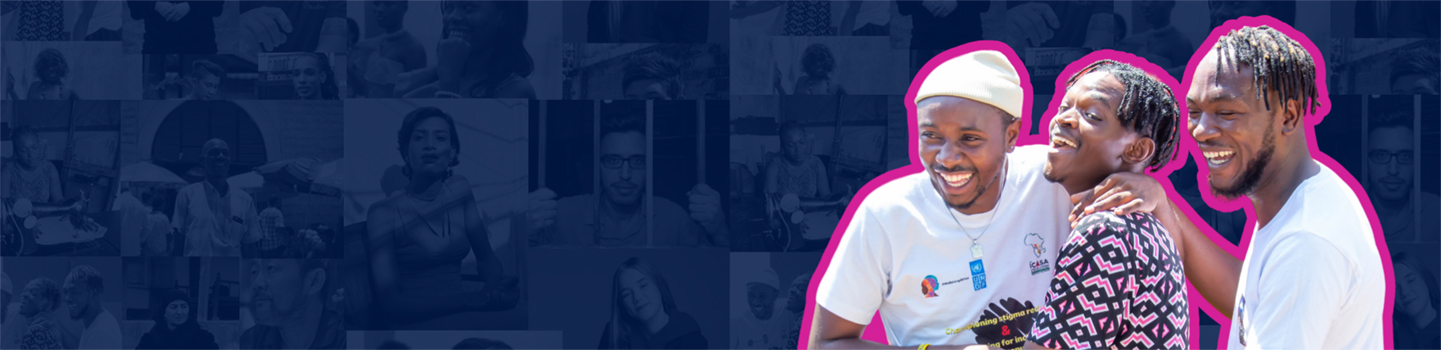
Zero Discrimination Day is an annual day celebrated by the United Nations (UN) and other international organisations, the day aims to promote equality before the law and in practice throughout all of the member countries of the UN.

The day was first celebrated on March 1, 2014, and was launched by UNAIDS Executive Director Michel Sidibé on 27 February of that year with a major event in Beijing. In February 2017, UNAIDS called on people to “make some noise around zero discrimination, to speak up and prevent discrimination from standing in the way of achieving ambitions, goals and dreams.” The day is particularly noted by organisations like UNAIDS that combat discrimination against people living with HIV/AIDS. “HIV related stigma and discrimination is pervasive and exists in almost every part of the world including our Liberia”, according to Dr. Ivan F. Camanor, Chairman of the National AIDS Commission of Liberia. The UN Development Programme also paid tribute in 2017 to LGBTI people with HIV/AIDS who face discrimination. Campaigners in India have used this day to speak out against laws making discrimination against the LGBTI community more likely, especially during the previous campaign to repeal the law (Indian Penal Code, s377) that used to criminalise homosexuality in that country, before that law was overturned by the Indian Supreme Court in September 2018. In 2015, Armenian Americans in California held a ‘die-in’ on Zero Discrimination Day to remember the victims of the Armenian Genocide.

In 2025 is the tenth anniversary of Zero Discrimination Day and the theme is ‘We stand together‘.

Links:
Zero Discrimination Day

Freedom in the World 2025 – publication

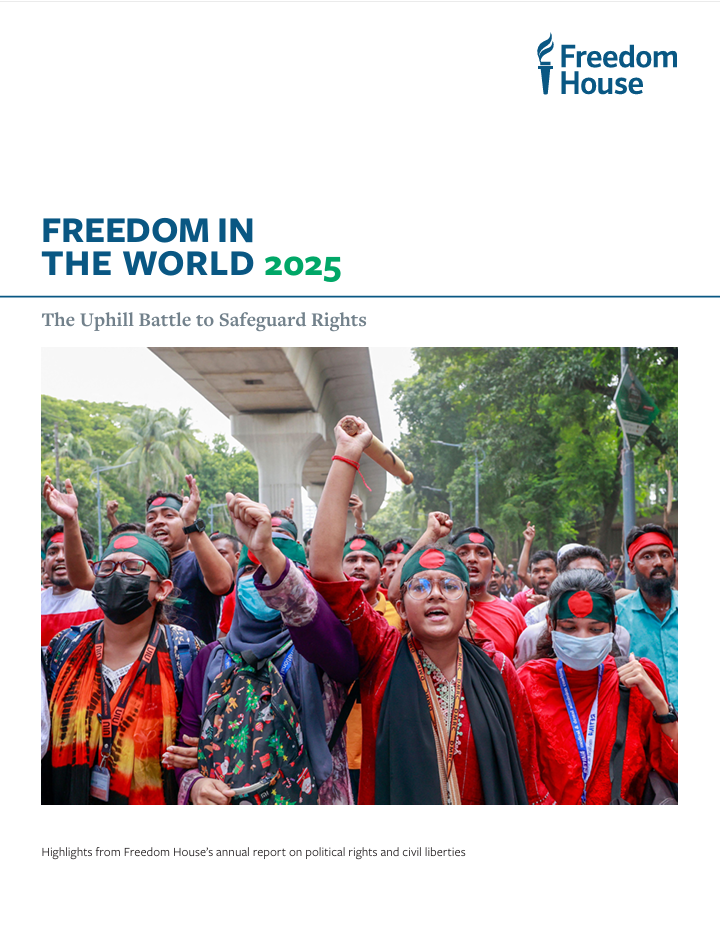
Report ‘Freedom in the Word – The Uphill Battle to Safeguard Rights‘: Global freedom declined for the 19th consecutive year in 2024.

Violence and the repression of political opponents during elections, ongoing armed conflicts, and the spread of authoritarian practices contributed to the 19th year of declining freedom. In the year to come, all those who understand the value of political rights and civil liberties must work together in the defense of democracy.

Sixty countries experienced deterioration in their political rights and civil liberties, and only 34 secured improvements. El Salvador, Haiti, Kuwait, and Tunisia were the countries with the largest score declines for the year, while Bangladesh, Bhutan, Sri Lanka, and Syria recorded the largest gains. In over 40 percent of the countries and territories that held national elections in 2024, candidates were targeted with assassination attempts or assaults, polling places were attacked, or postelection protests were suppressed with disproportionate force. Elections in authoritarian countries were manipulated to prevent genuine opposition candidates from participating. Ongoing civil wars and interstate conflict as well as violence perpetrated by armed militias, mercenaries, and criminal organizations undermined security and prevented the exercise of fundamental rights, making the world not only less safe but also less free in 2024.

Despite the overall global decline in freedom, bright spots emerged around the world as a result of competitive elections or following the collapse of long-standing authoritarian regimes. New governments will now face the difficult task of building and strengthening democratic institutions while also protecting individual rights. Global freedom faces serious challenges in 2025, including security threats from multiple armed conflicts, deepening repression in both entrenched and emerging autocracies, and democratically elected leaders who seek to advance their goals by overriding institutional checks on their power. It is in the vital interest of all those who believe in democracy to invest in democratic institutions at home, call out attacks on rights abroad, work together to promote lasting peace, and support human rights defenders wherever they operate. Only sustained and coordinated action can reverse the nearly two decades of decline in global freedom and ensure that more countries enjoy security, prosperity, and all the other benefits of democratic rule.

Links:
The Uphill Battle to Safeguard Rights

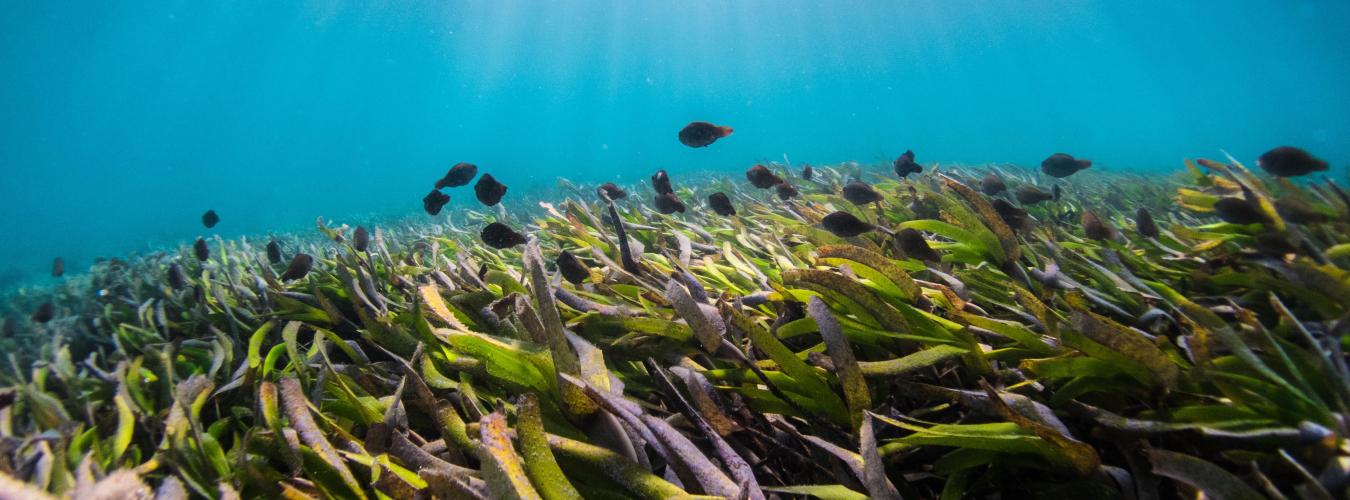
World Seagrass Day 2025

In May 2022, the General Assembly adopted A/RES/76/265 proclaiming 1 March as World Seagrass Day.

The resolution highlights the urgent need to raise awareness at all levels and to promote and facilitate actions for the conservation of seagrasses in order to contribute to their health and development, bearing in mind that enhancing ecosystem services and functions is important for the achievement of the Sustainable Development Goals.

Links:
World Seagrass Day

#SIAD #Selfinjury #Selfharm #SelfHarmAwarenessDay Self-Injury Awareness Day / Dag van de Zelfverwonding 2025

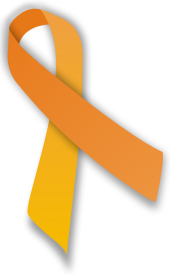
Self-injury Awareness Day (SIAD) (also known as Self-Harm Awareness Day) is a grassroots annual global awareness event / campaign on March 1, where on this day, and in the weeks leading up to it and after, some people choose to be more open about their own self-harm, and awareness organizations make special efforts to raise awareness about self-harm and self-injury.

Some people wear an orange awareness ribbon, write “LOVE” on their arms, draw a butterfly on their wrists in awareness of “the Butterfly Project” wristband or beaded bracelet to encourage awareness of self-harm. The goal of the people who observe SIAD is to break down the common stereotypes surrounding self-harm and to educate medical professionals about the condition.

Links:
Self Harm Awareness Day