
In de geschiedenis
Links:
Wikipedia

Links:
Wikipedia

World multiple sclerosis (MS) Day is marked on 30 May, it brings the global MS community together to share stories, raise awareness and campaign with everyone affected by MS.
World MS Day activities take place throughout the month of May and in early June. The campaign offers flexibility for individuals and organisations to achieve a variety of goals. MS is one of the most common diseases of the central nervous system (brain and spinal cord). In 2024, there are 2.9 million people living with MS worldwide. MS is an inflammatory demyelinating condition. It is caused by damage to myelin – a fatty material that insulates nerves. In MS, the loss of myelin affects the way nerves conduct electrical impulses to and from the brain. Symptoms can include blurred vision, weak limbs, tingling sensations, unsteadiness, memory problems, and fatigue. Most people with MS are diagnosed between the ages of 20 and 40. MS is two to three times more common in women than in men. There is no drug that can cure MS, but treatments are available which can modify the course of the disease.
Links:
World MS Day

The potato represents one of the most important contributions of the Andean region to the entire world, as it is one of the five main food crops consumed in the world, contributing to food security.
Small-scale and family farming production of the potato, particularly by rural farmers, including women farmers, supports efforts to reduce hunger, malnutrition and poverty, and achieve food security, and relies on and contributes greatly to the conservation and sustainable use of biodiversity. In December 2023, the General Assembly decided to designate 30 May as the International Day of Potato to raise awareness of the multiple nutritional, economic, environmental and cultural values of the potato and its contribution as an invaluable food resource and as a generator of income for rural families and producers, with a view to implementing the 2030 Agenda for Sustainable Development and achieving its Sustainable Development Goals. A millennia-old food with origins in the South American Andes region that made its way to Europe in the 16th century then spread around the world, the potato is much more than a source of nourishment. Potatoes are an important component of strategies to provide accessible and nutritious food and improved livelihoods in rural and other areas where natural resources, especially arable land and water are limited and inputs expensive. The crop’s versatility and ability to grow in a variety of conditions make it an advantageous crop choice.
Potatoes are also a climate-friendly crop, as they produce low levels of greenhouse gas emissions in comparison to other crops. In the past decade, the global production of potatoes has increased by 10 percent, leading to growth in employment and income, but more work still needs to be done to harness the full potential of the crop in the quest to end hunger and malnutrition globally. In addition, there is a wide spectrum of diversity among potatoes, with over 5,000 improved varieties and farmers’ varieties/landraces, many of which are unique to their original location in Latin America. The 150 wild relatives of the cultivated potato show a wide genetic variation with a range of traits, including the ability to adapt to different production environments, resistance to pests and diseases, and different tuber characteristics. They are a repository of the heritable traits for the continued genetic improvement of the crop to respond to ever changing environmental conditions, new biotypes of pests and diseases and consumers’ preferences. The theme of International Day of Potato in 2025 ‘Shaping history, feeding the future‘ acknowledges the potato’s deep historical and cultural significance and its evolving role in today’s global agrifood systems.
Links:
Day of Potato
Donderdag; Wat eten we vandaag?; Trap mee tegen kanker; Michael Faraday Prize Lecture.

Wat eten we vandaag?:

Knipselkrant:
Agenda:
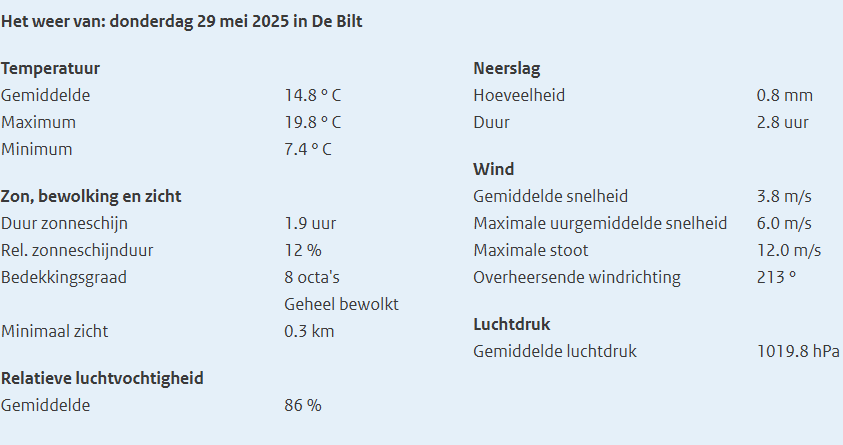
Weer:
Links:
In de geschiedenis
The role of science in its relentless search for the truth is a key pillar in society that protects and promotes democracy, transparency and rationality as the basis of actions of the state.
In his Michael Faraday Prize Lecture, Professor Abdool Karim will analyse the threats to science globally, with a focus on the USA, where he argues disinformation has become institutionalised in the corridors of power. As those in power use the levers of the state to accumulate wealth and yet more power, truth becomes a major obstacle and science, as the rational approach to seeking the truth, becomes the casualty and as custodians of science universities come under attack. In this situation, effective science communication is more important than ever.
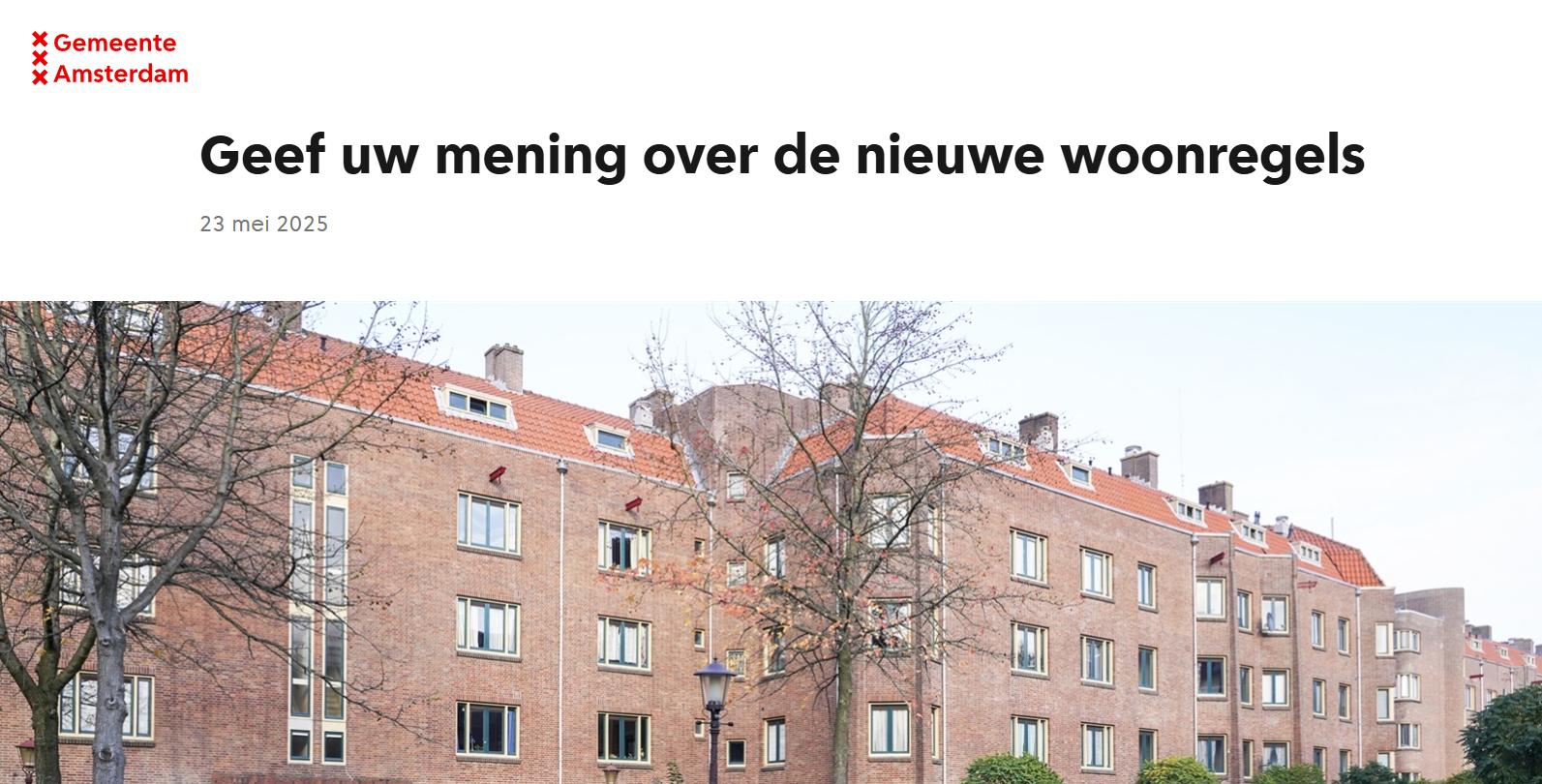
Amsterdam wil vanaf 1 januari 2026 een aantal woonregels aanpassen.
Je kunt tot en met 4 juli 2025 laten weten wat u van de plannen vindt. De regels gaan onder andere over wie in een sociale huurwoning mag wonen, hoe woningen gebruikt mogen worden, en hoe we het makkelijker maken voor mensen om te verhuizen naar een passende woning.
Links:
Geef uw mening over de nieuwe woonregels
Agenda – Volksinitiatief Eerlijke kansen op sociale huurwoningen
Links:
Wikipedia
Woensdag; Wat eten we vandaag?; Gaza−Israël oorlog 2023 – …; Maak het OV publiek, gratis en toegankelijk; Amnesty International Day; Wereld Otter Dag; Humans to the Moon and Mars Summit; Volksinitiatief Eerlijke kansen op sociale huurwoningen.
Wat eten we vandaag?:

Knipselkrant:
Agenda:
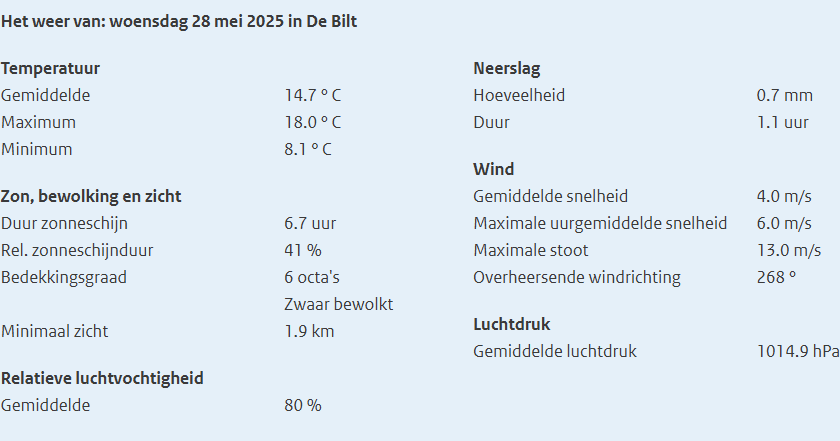
Weer:
Links:
In de geschiedenis
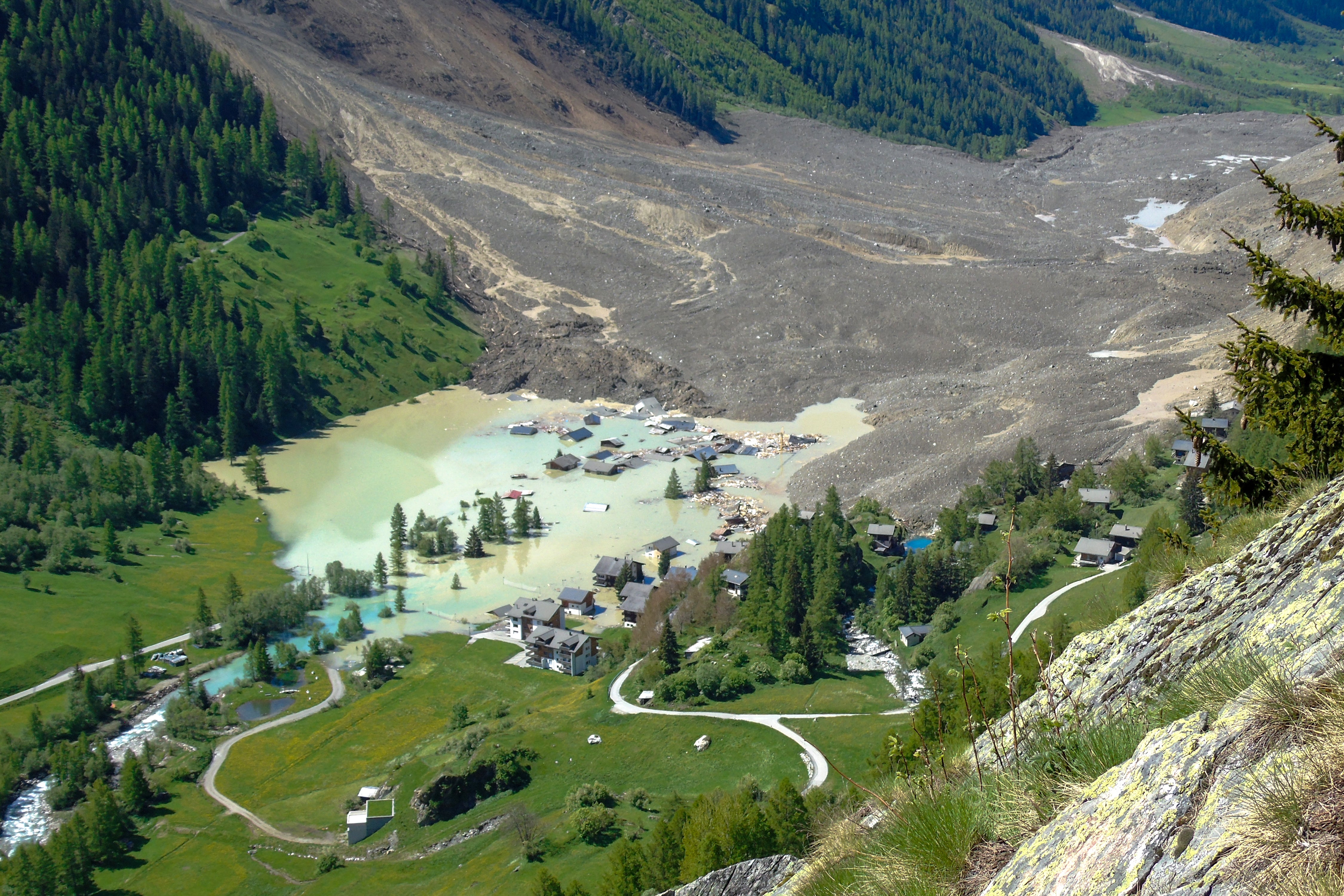
Op 28 mei 2025 werd Blatten, een gemeente en plaats in het Lötschental aan de oevers van Lonza, in het Zwitserse kanton Wallis, samen met de omliggende dalbodem voor 90% bedolven door een ijs- en steenlawine van 3 miljoen kubieke meter en nadien ontstond op de dalbodem stroomopwaarts een natuurlijk stuwmeer dat daar overgebleven huizen overstroomde.
De lawine bestond uit het omlaagstorten van een groot deel van de Birchgletsjer ten zuiden van het dorp, die door het afbrokkelen van grote hoeveelheden puin van de hogergelegen top Kleines Nesthorn (3342 meter) instabiel geworden was. Vele huizen werden bedolven en verwoest. De bewoners waren al een week eerder geëvacueerd wegens het gevaar voor een rotslawine. Of het deels afbrokkelen van de Kleines Nesthorn de stijging van de permafrost, door klimaatverandering, als oorzaak heeft, is nog niet bevestigd.
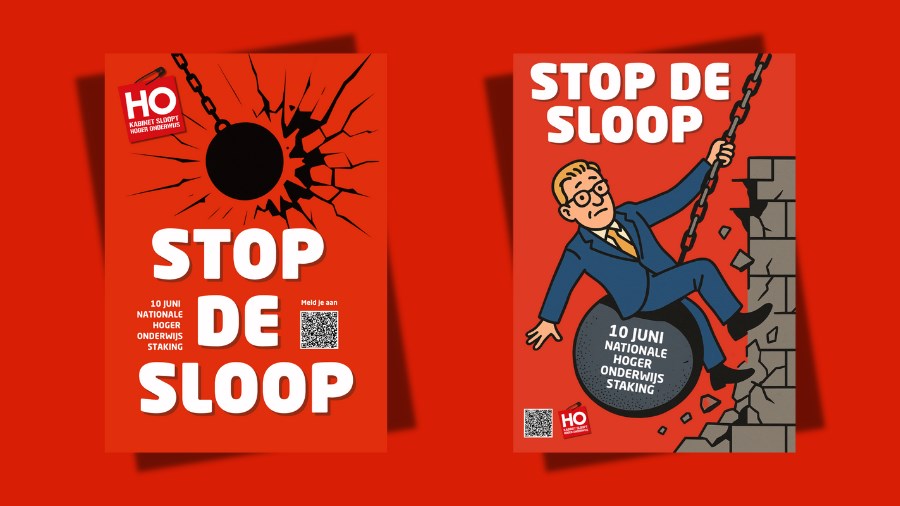
Het (voormalig) kabinet geeft geen ene moer om onderwijs en wetenschap, in de voorjaarsnota zijn zelfs extra bezuinigingen aangekondigd: Dit is geen bezuiniging meer, dit is een regelrechte sloopoperatie.
25.000 mensen stonden er op het Malieveld, en tijdens de estafettestakingen kwamen nog eens 32.500 mensen in actie. Toch gaat het kabinet door met de sloop van ons onderwijs: in de voorjaarsnota zijn zelfs extra bezuinigingen van 400 miljoen aangekondigd. Daarom wordt op 10 juni 2025 opnieuw door medewerkers en studenten in het hoger onderwijs het werk neergelegd, de locatie van de stakingsmanifestatie is (verplaatst naar) De Dam in Amsterdam. De eis blijft staan: alle bezuinigingen moeten van tafel. De staking is een initiatief van onder andere WO in Actie, de AOb en FNV, de studentenvakbonden en diverse actiegroepen.