
Earth Month 2025

April is Earth Month and a call to action for sustainable change, to celebrate successes and create innovative solutions for a sustainable future.
PB

April is Earth Month and a call to action for sustainable change, to celebrate successes and create innovative solutions for a sustainable future.
April is de Maand van de Filosofie, jaarlijks worden tijdens deze maand door heel België en Nederland filosofische nachten, programma’s, lezingen, debatten en festivals georganiseerd.
E
Links:
M
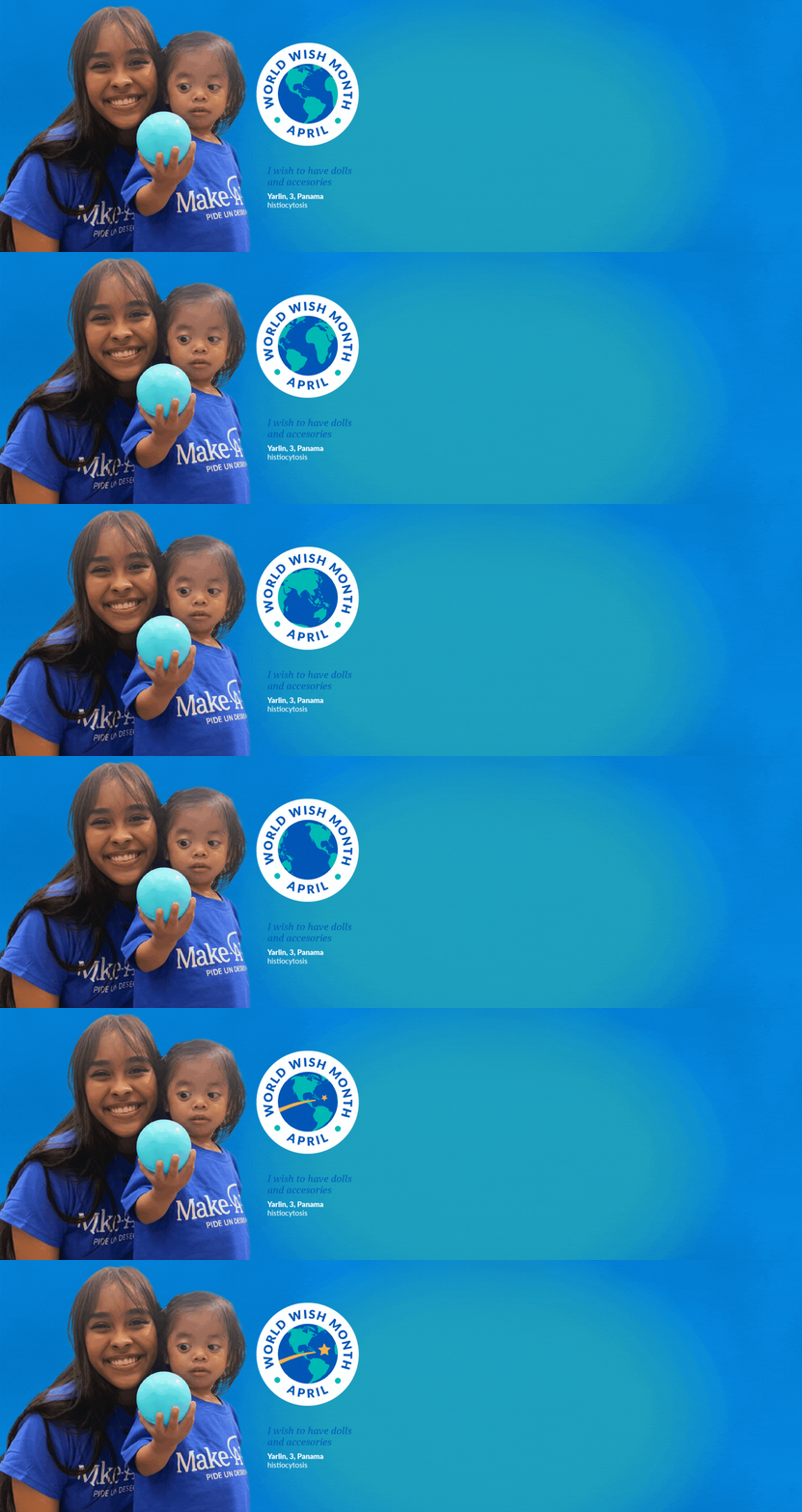
Each April, in honor of the founding wish, Make-A-Wish is recruiting the next generation of WishMakers.
Because wishes don’t come true by luck or chance. They come true because of WishMakers who donate, fundraise or lend their voice to the cause. It started with a single wish on April 29, 1980: 7-year-old Chris, struggling with leukemia, wanted to be a police officer for a day. Six people answered the call, rallied the entire community, and granted a wish that lifted Chris up during his darkest days. These original WishMakers were inspired by the impact the wish had on Chris and vowed to do more. A global movement was born. Today, Make-A-Wish has been granting life-changing wishes for children with critical illnesses for 44 years, in 50 countries across 6 continents all over the world. More than 585,000 wishes have been granted since then. But the work is far from done. Thousands of eligible children are waiting for their wishes to be granted. And there are many more we aren’t reaching. As long as children face the devastating reality of a critical illness diagnosis, they’ll need WishMakers to help restore their childhood. Critical illness steals childhood from a child, but a wish-come-true has the power to restore that feeling of childhood. Thanks to the positive emotions, strength and long-lasting impact a wish brings, a child and their family have the chance to experience life beyond illness once again.
Li
Make A Wish Month
SciStarter established an annual Citizen Science Month in April to celebrate and bring greater awareness to the valuable contributions of the public to scientific research and data collection endeavors.
Citizen science (similar to community science, crowd science, crowd-sourced science, civic science, participatory monitoring, or volunteer monitoring) is research conducted with participation from the general public, or amateur/nonprofessional researchers or participants for science, social science and many other disciplines. There are variations in the exact definition of citizen science, with different individuals and organizations having their own specific interpretations of what citizen science encompasses. Citizen science is used in a wide range of areas of study including ecology, biology and conservation, health and medical research, astronomy, media and communications and information science. There are different applications and functions of citizen science in research projects. Citizen science can be used as a methodology where public volunteers help in collecting and classifying data, improving the scientific community’s capacity. Citizen science can also involve more direct involvement from the public, with communities initiating projects researching environment and health hazards in their own communities. Participation in citizen science projects also educates the public about the scientific process and increases awareness about different topics. Some schools have students participate in citizen science projects for this purpose as a part of the teaching curriculums.
Links:
Citizen Science Month
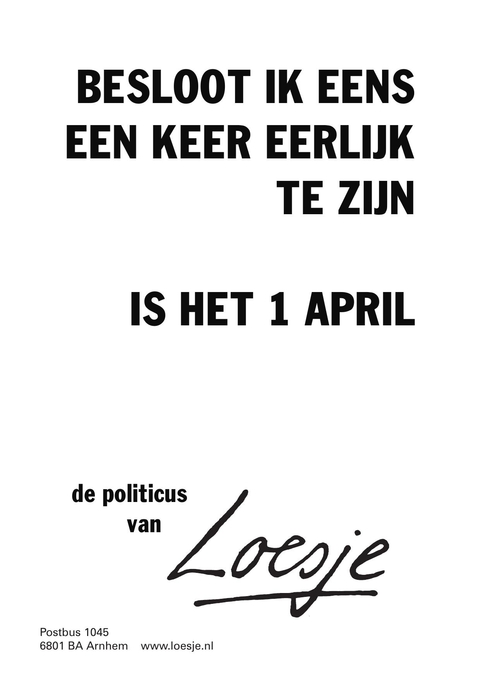
Een 1 aprilgrap (ook wel aprilgrap of aprilvis genoemd) is een traditie waarbij mensen elkaar op 1 april voor de gek proberen te houden.
In Frankrijk spreekt men van poisson d’avril (Aprilvis). In Engelstalige landen wordt de dag April Fools’ Day (April dwazendag) genoemd, en de Russen hebben het over День Дурака (Den Doeraka, dag van de dommerik). In sommige Vlaamse streken spreekt men over verzenderke(n)s
De wijde verspreiding van het verschijnsel wijst echter op een oudere oorsprong. De 1 aprilgrap is volgens een andere theorie ontstaan uit een vroeger middeleeuws festival: het feest van de zotten. La fête des fous was vooral in Frankrijk van de 5e tot de 16e eeuw erg populair. Het werd gevierd omstreeks 1 januari door het kiezen van een valse paus of b
L
Waar komen 1 aprilgrappen vandaan?
Links:
Wikipedia
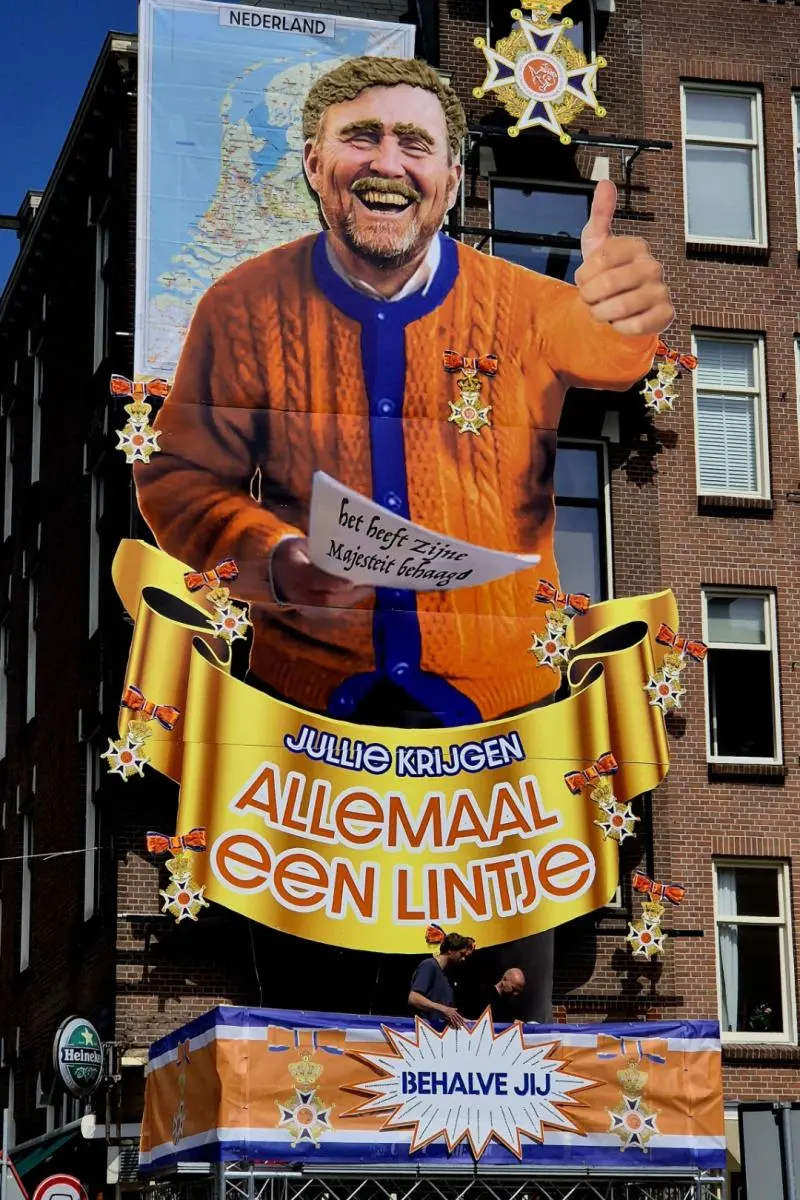
Koningsdag, eerder Prinsessedag (1885-1890) en Koninginnedag (1891-2013), is een feestdag in Nederland ter ere van het staatshoofd.
Sinds 2014 heet de dag Koningsdag en wordt deze gevierd op 27 april, als die datum op zondag valt, wordt de dag verplaatst naar de zaterdag ervoor. In alle delen van Nederland geldt dit voor de meeste werknemers als vrije dag en wordt het gevierd met verschillende festiviteiten, waaronder de vrijmarkten en het dragen van oranje kleding. Traditioneel brengt het staatshoofd op deze dag ook een ceremonieel bezoek aan een of meer gemeenten van het land. De avond voorafgaand aan Koningsdag worden er op verschillende plekken Koningsnacht (voorheen Koninginnenacht) georganiseerd. In Den Haag heet deze nacht KoningsNach (zonder t, voorheen KoninginneNach en sinds 2011 LIVE I LIVE) en in Rotterdam wordt deze nacht de Nacht van Oranje genoemd (gevierd in Ahoy). In Apeldoorn en omstreken staat deze nacht bekend als Prinsennacht en wordt juist de nacht ná Koningsdag Koningsnacht genoemd. Aan de vooravond van Koningsdag worden de koninklijke onderscheidingen uitgereikt (ook wel de “Lintjesregen” genoemd). Op de laatste vrijdag voor Koningsdag vinden sinds 2013 de Koningsspelen plaats. Dit is een sportdag op scholen, waarbij elke school zelf mag bepalen hoe deze ingevuld wordt. Het koningspaar viert de Koningsspelen ergens in een gemeente in het land mee. Het Koningsdagconcert, voorheen Koninginnedagconcert, is een speciaal concert ter gelegenheid van de verjaardag van de koning en vindt plaats voorafgaand aan Koningsdag in dezelfde gemeente. Ieder jaar staat een andere combinatie van ensembles en artiesten centraal.
Knipoog naar lintjesaffaire Faber op gevel café De Blaffende Vis
Gemeente Utrecht over koningsnachtdrukte: ‘Kom niet meer naar de stad’
Asielambtenaren steunen ‘welverdiend lintje’ dat Faber weigerde

Millions of people die prematurely from air pollution every year. This problem has existed since humans started burning materials for fuel — first wood and biomass, then fossil fuels.
But it’s an environmental and public health problem that we can make progress on. We know this because the world has already been successful in reducing air pollutants, and many countries that used to be highly polluted now have much cleaner air than they used to. To tackle air pollution effectively — to focus our efforts on the interventions that will have the biggest impact — we need to understand where it’s coming from. That’s why the writers publiced the article ‘Air pollution kills millions every year — where does it come from?‘.
Links:
Air pollution kills millions every year — where does it come from?
 Back in 2018 I spent some time in the city of Mitaka – which happens to be where the Ghibli Museum is located. I walked by it several times a week and have fond memories from there. When the internet became flooded with Ghibli style art last week after OpenAI released their newest AI image generator, my reaction was probably more visceral than most people’s. After spending some time Ghibli-ficating myself, reading others’ opinions, and having a few days to reflect on it all, here are my thoughts.
Maandag; Wat eten we vandaag?; Gaza−Israël oorlog 2023 – …; Trump; Transgender Day of Visibility; Darmkanker Dag.

Wat eten we vandaag?:

Knipselkrant:
Agenda:
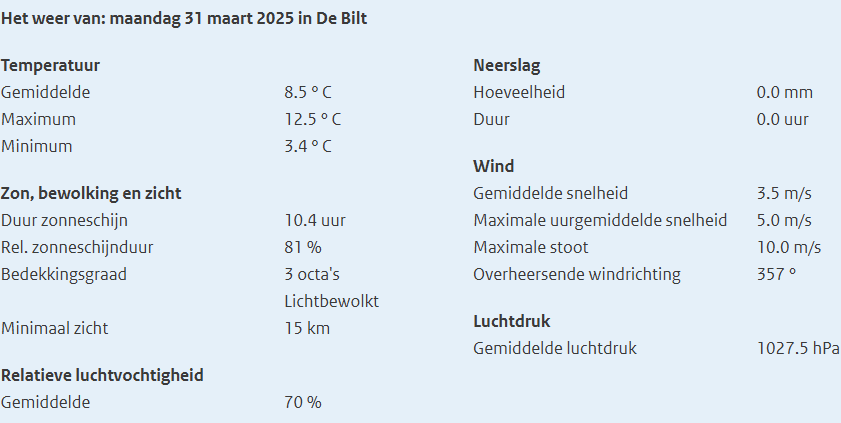
Weer:
Links:
In de geschiedenis