
In de geschiedenis
Links:
Wikipedia

Links:
Wikipedia
Vrijdag; Paradiso bedreigd; minerale olie in ons voedsel; Val van Srebrenica; Wereldbevolkingsdag; Festival Hongerige Wolf; North Sea Jazz Festival; Tuinvlindertelling.

Knipselkrant:
Agenda:
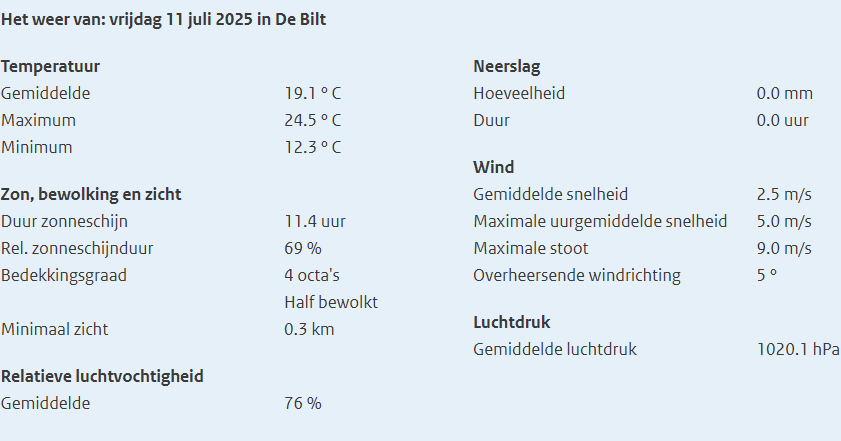
Weer:
Links:
In de geschiedenis

Festival Hongerige Wolf is eenvoudig ongerept en grondvestelijk vernieuwend, verwacht geen line-up met alleen maar grote namen maar zwerf met ons mee door het onbekende landschap en ontdek de ruwe schoonheid van nieuwe muziek en de vindingrijkheid van de voorstellingen: bandjes, theater, beeldende kunst, literatuur, strobalen én lekker eten – je vindt het allemaal op Festival Hongerige Wolf.
Zwerf door en voorbij het festivaldorp en beleef de weidse natuur, de gastvrijheid van de dorpsbewoners en de optredens. Elke avond, als de bands op het Schapenveld ten einde lopen, gaat het feest door op de Betonplaat, waar je tot in de kleine uurtjes kunt dansen of rond het kampvuur kunt zitten.
Links:
Festival Hongerige Wolf

World Population Day is an annual event, observed on July 11 every year, which seeks to raise awareness of global population issues.
The event was established by the Governing Council of the United Nations Development Programme in 1989. It was inspired by the public interest in Five Billion Day on July 11, 1987, the approximate date on which the world’s population reached five billion people. World Population Day aims to increase people’s awareness on various population issues such as the importance of family planning, gender equality, poverty, maternal health and human rights. The day was suggested by Dr. K.C.Zachariah in which population reached five billion when he worked as Sr Demographer at World Bank. In November 2020, UNFPA, together with the governments of Kenya and Denmark, convened a high-level conference in Nairobi to accelerate efforts to achieve these unmet goals. On World Population Day, advocates from around the world call on leaders, policymakers, grassroots organizers, institutions and others to help make reproductive health and rights a reality for all.
While press interest and general awareness in the global population surges at the increments of whole billions of people, the world population increases by 100 million approximately every 14 months. It took hundreds of thousands of years for the world population to grow to 1 billion – then in just another 200 years or so, it grew sevenfold. In 2011, the global population reached the 7 billion mark, it stands at almost 7.9 billion in 2021, and it’s expected to grow to around 8.5 billion in 2030, 9.7 billion in 2050, and 10.9 billion in 2100. This dramatic growth has been driven largely by increasing numbers of people surviving to reproductive age, and has been accompanied by major changes in fertility rates, increasing urbanization and accelerating migration. These trends will have far-reaching implications for generations to come.
The recent past has seen enormous changes in fertility rates and life expectancy. In the early 1970s, women had on average 4.5 children each; by 2015, total fertility for the world had fallen to below 2.5 children per woman. Meanwhile, average global lifespans have risen, from 64.6 years in the early 1990s to 72.6 years in 2019. In addition, the world is seeing high levels of urbanization and accelerating migration. 2007 was the first year in which more people lived in urban areas than in rural areas, and by 2050 about 66 per cent of the world population will be living in cities. These megatrends have far-reaching implications. They affect economic development, employment, income distribution, poverty and social protections. They also affect efforts to ensure universal access to health care, education, housing, sanitation, water, food and energy. To more sustainably address the needs of individuals, policymakers must understand how many people are living on the planet, where they are, how old they are, and how many people will come after them.
UNFPA State of World Population 2024
International Conference on Population and Development
Links:
Wikipedia
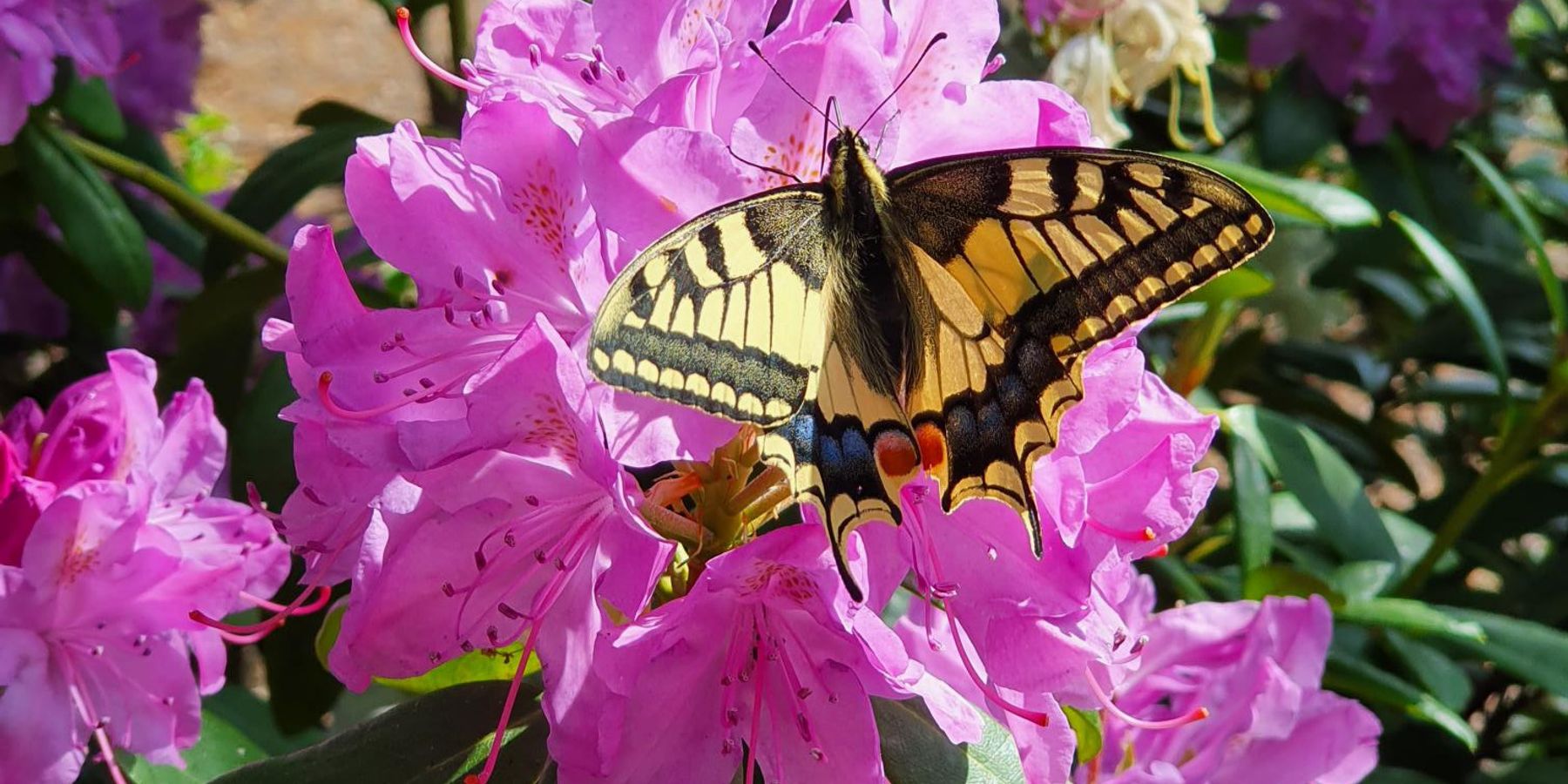
Welke soorten vlinders vliegen er in jouw tuin? Tel mee met de tuinvlindertelling en help de vlinders beter in kaart te brengen!
Loop tijdens de tellingdagen een rondje door de tuin en noteer gedurende 15 minuten alle vlinders die je ziet. Maar tel deze waarnemingen niet bij elkaar op, want dan kan het zijn dat je vlinders twee keer telt. Geef van elke vlindersoort het hoogste aantal door in het telformulier dat je tegelijk hebt gezien. Voorbeeld: je ziet eerst 3 dagpauwogen tegelijk. Tien minuten later zijn er weer 2 dagpauwogen. Dan geef je door: 3 dagpauwogen. Zie je later op de dag of één van de andere teldagen weer vlinders? Dan kun je die doorgeven via een nieuwe telling. Heb je een vlinder gezien die niet in de tellijst staat? Dat kan; we tellen alleen de meest voorkomende soorten tuinvlinders. Je hoeft deze waarneming dan niet in te vullen. Belangrijk: als je geen vlinders ziet is het ook belangrijk om dit door te geven. Deze data zijn net zo belangrijk als tellingen waar wel vlinders gezien zijn. Vul dan ‘0 dagvlinders gezien’ in in het telformulier.
Het North Sea Jazz Festival is een driedaags jaarlijks muziekfestival dat in het tweede weekend van juli wordt georganiseerd en wordt gehouden in Ahoy te Rotterdam.

Celebrate Hope-Day by turning optimism into meaningful action.
In a world facing growing unrest, widening social divisions, and persistent economic and environmental challenges, the global community continues to seek values that unite rather than divide. Among these, hope stands out as a deeply powerful and universally resonant force. Recognizing this, the United Nations General Assembly has designated 12 July as the International Day of Hope—a day to celebrate and promote hope as a guiding principle for individuals, communities, and nations alike. This resolution draws upon the enduring values of the United Nations Charter and the Universal Declaration of Human Rights, which call for peace, dignity, tolerance, and shared progress. It builds on earlier UN initiatives—such as the International Day of Conscience—by highlighting the essential role hope plays in promoting well-being, mutual respect, social stability, and sustainable development. The declaration of the International Day of Hope is more than symbolic—it is a global invitation to act. It calls on Member States, regional and international bodies, civil society, and individuals to cultivate environments where hope can thrive. These efforts may include public education, awareness campaigns, community outreach, acts of kindness, and the promotion of forgiveness and reconciliation. By embracing these values, societies can foster inclusion, empathy, and resilience. Ultimately, this day is a reminder that even in difficult times, hope remains a transformative force. It can bridge divides, drive progress, and uplift the human spirit. The International Day of Hope invites all of us to pause, reflect, and recommit to a future built not on despair or division, but on shared humanity and the unwavering belief in a better tomorrow.
Donderdag; Wat eten we vandaag?; Bijzetting moeder; Acties tegen dierenleed; Wonen in Amsterdam; val van Srebrenica; Stap niet op een Bij Dag; Stikstof; Frontiers report; EFF Turns 35.
Wat eten we vandaag?:

Bijzetting moeder:

Na ruim 10 jaar zijn de op 21 april 2025 overleden moeder en vader van A3 weer fysiek samen, ma is bijgezet naast het grafje van vader.
Knipselkrant:
Agenda:
Weer:

Links:
In de geschiedenis

The 2025 edition of the Frontiers report, ‘The Weight of Time – Facing a new age of challenges for people and ecosystems‘, spotlights emerging environmental issues before they escalate into global or regional crises, while these issues may currently appear localised or small-scale, early intervention is critical to prevent them from becoming widespread challenges.
Links:
Frontiers 2025: The Weight of Time
Klimaatcrisis: Wetenschappers waarschuwen voor smeltend ijs dat ‘bevroren doos van Pandora’
