

Agenda

Zie verleden, heden en toekomst door de ogen van A3…

Archief

Agenda’s

Laden Evenementen

« Alle Evenementen

  • Dit evenement is voorbij.

Why flying insects gather at artificial light – publication
30 januari 2024

Millennia-old mystery about insects and light at night gets a new explanation.

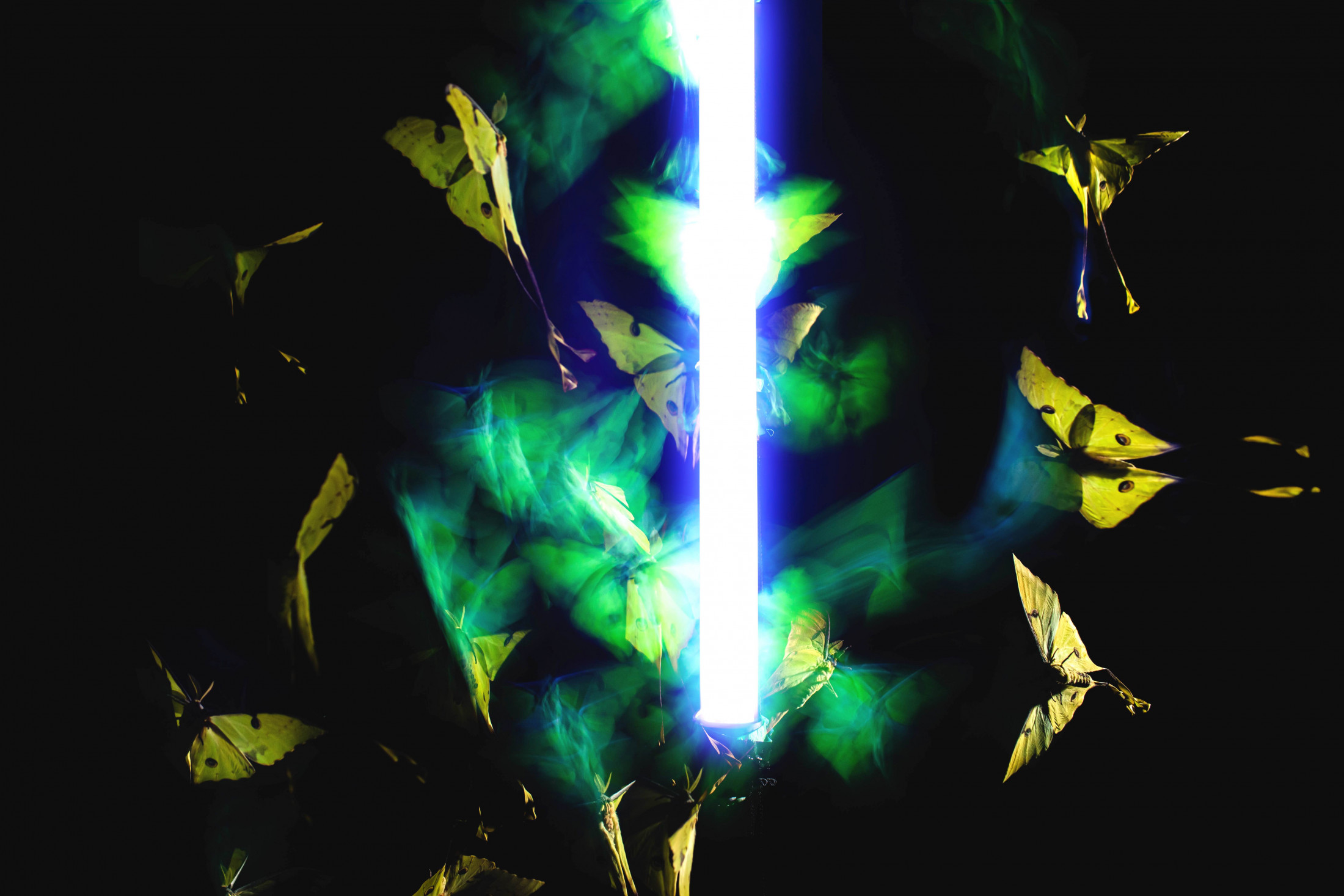
At night in the Costa Rican cloud forest, Yash Sondhi and a small team of international scientists switched on a light and waited. Soon, insects big and small descended out of the darkness. Moths with spots like unblinking eyes on each wing. Shiny armored beetles. Flies. Once, even a praying mantis. Each did the same hypnotic, dizzying dance around the bulb as if attached to it with invisible string. Excitement spread through the group of researchers, even though they’d witnessed this phenomenon throughout their lives. The difference was they now had cutting-edge technology and high-speed cameras — capable of capturing the insects’ fast, frenzied orbits — to map the hard-to-track movements of hundreds of insects and tease out secrets surrounding why they act so strange around light at night. A surprising detail surfaced in the data: In flight, the insects kept their backs facing the artificial light source.

This never-before-documented behavior, published in the journal Nature Communications, provides a new explanation. For millions of years, insects have evolved to become masters of flight by relying on the brightest thing they see — the sky. Today, our lit-up world throws their instincts for a loop. Insects think the imposter “sky” they find is the real one and get trapped in an exhausting cycle trying to stay orientated. It’s a futile effort that causes clumsy maneuvers and occasional crashes directly into the light source. A good grasp of gravity is mandatory for all animals, especially expert flying ones, like insects that perform feats of flight that match or even surpass those of human pilots. When flying, though, they experience such rapid acceleration that their gravity sensing becomes unreliable. Instead, they need the sky, even at night, to discern which way is “up” and cruise along, maintaining control in the air. Easy when the light source is gigantic and spread out. When it’s a concentrated bright spot? Not so much.

Links:
Millennia-old mystery about insects and light at night gets a new explanation

Gegevens